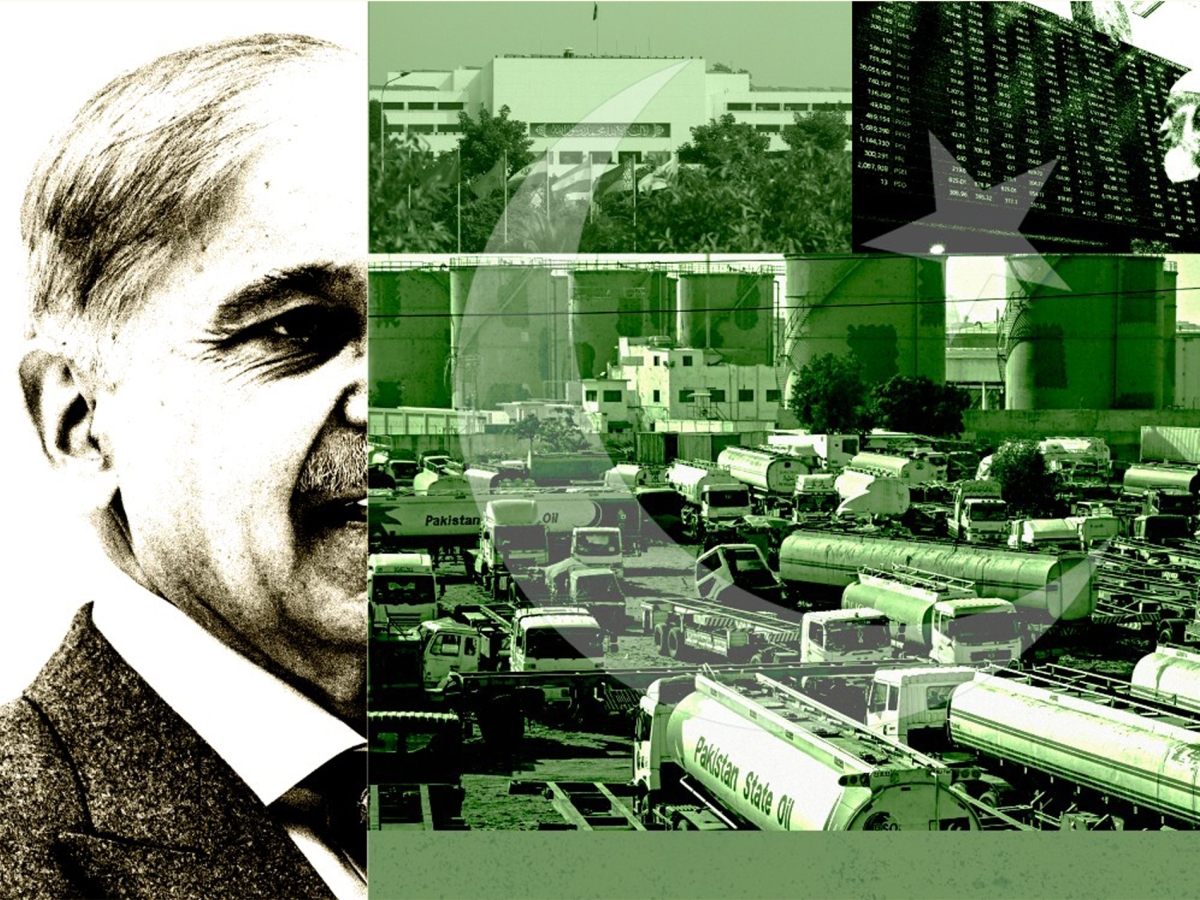

With energy shortages and no sign of an end to the war in the Gulf, Pakistan has launched an emergency austerity campaign to ration provisions. On 9 March, Prime Minister Shehbaz Sharif announced the measures in a televised address, as oil prices rose around the world. It reflects growing anxiety in Islamabad that prolonged instability in the Arabian Gulf could trigger a severe economic shock. Pakistan imports up to 85% of its oil, so it is particularly vulnerable to disruption.
Since inflation remains politically sensitive, the stakes are high. The most aggressive such drive in recent years, the austerity programme aims to reduce fuel consumption, cut government spending, and limit pressure on foreign exchange reserves while global markets remain volatile. It is designed to quickly reduce energy demand nationwide, not least in the public sector.
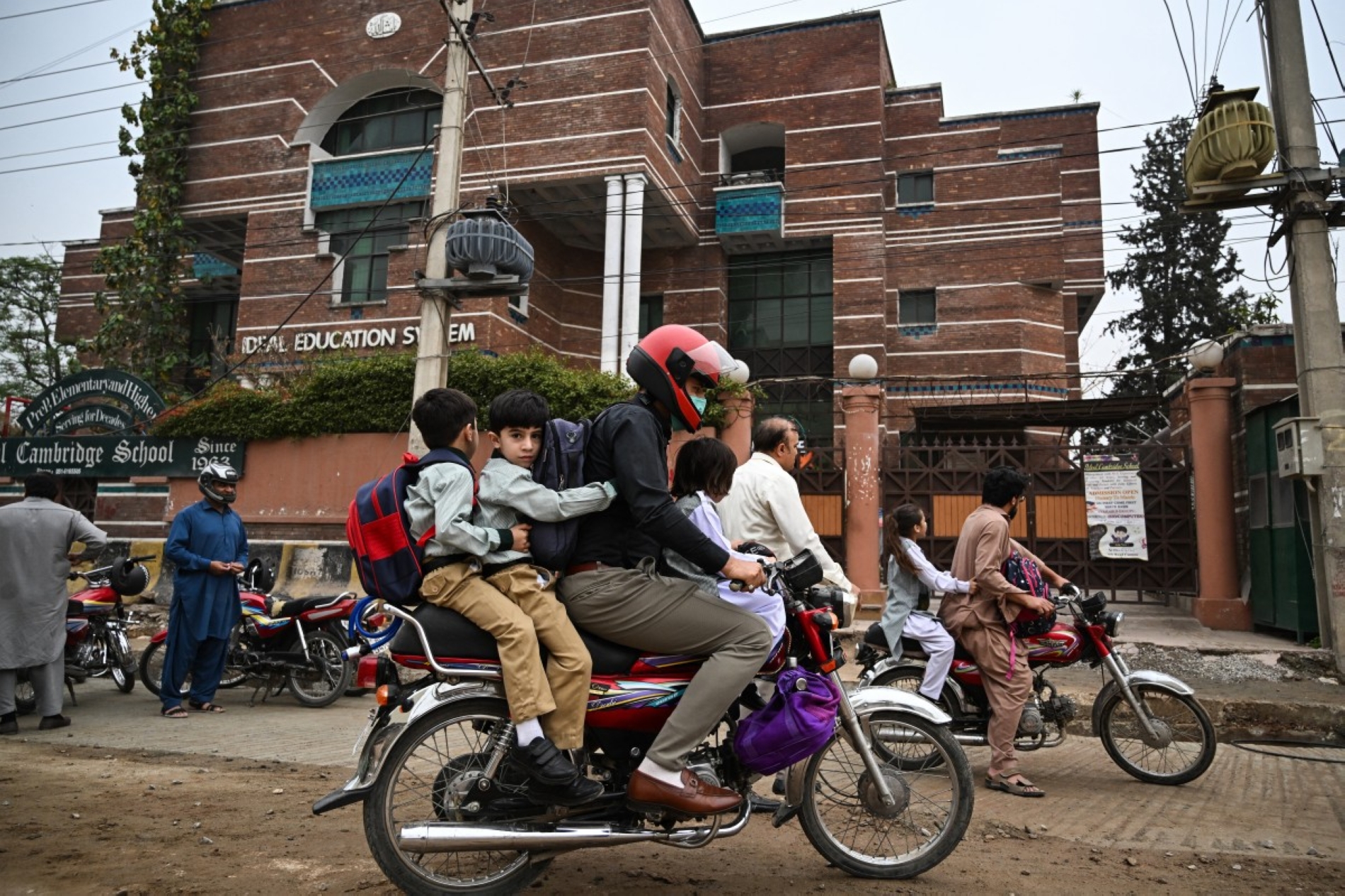
Half of all employees are being asked to work remotely to reduce the energy demands from daily commuting, and government offices will also move to a four-day work week, but sectors such as banking, industry, and agriculture will remain fully operational. Schools will close for a further two weeks, and higher education will move to online learning for now, to reduce demands on transport and electricity.
The government has halved fuel allocations for public-sector institutions for the next two months. Around 60% of public sector vehicles will remain parked during the emergency period, except for ambulance and bus services. Again, this is to reduce energy consumption during what officials describe as a “critical window”.
Rashid Aftab, director of the Islamabad-based Riphah Institute of Public Policy, felt it was good planning. “Fuel quota cuts, limited government operations, transport and logistics reduction, administrative cost reduction, online education at various tiers, energy-saving policies, work-from-home, and virtual meetings are concrete and tangible actions,” he said. “The government aims to save $1.5bn to $2.7bn annually through these measures, which can lead to observable fiscal discipline and fiscal stability. I think it will accomplish this task.”
Pakistan’s parliament joined the campaign. National Assembly Speaker Sardar Ayaz Sadiq said 70% of official vehicles would be taken off the road to cut the legislature’s fuel consumption, while fuel allocations for the remaining vehicles are suspended. Four out of every five parliamentary employees will work remotely, committee meetings will be held online to limit electricity usage and transportation costs, and Assembly sessions will be held before sunset to reduce lighting requirements.
Government spending has been largely suspended, except for essential operational requirements. Cabinet ministers will forgo their salaries for two months, parliamentarians will face a temporary 25% pay-cut, and senior government officials will contribute the equivalent of two days’ salary to the national treasury.
Non-essential foreign travel by ministers and governors has been banned unless it is critical to national interests. Conferences and seminars will now be held in government buildings (not hotels), and there is a temporary ban on ceremonial dinners and large gatherings.