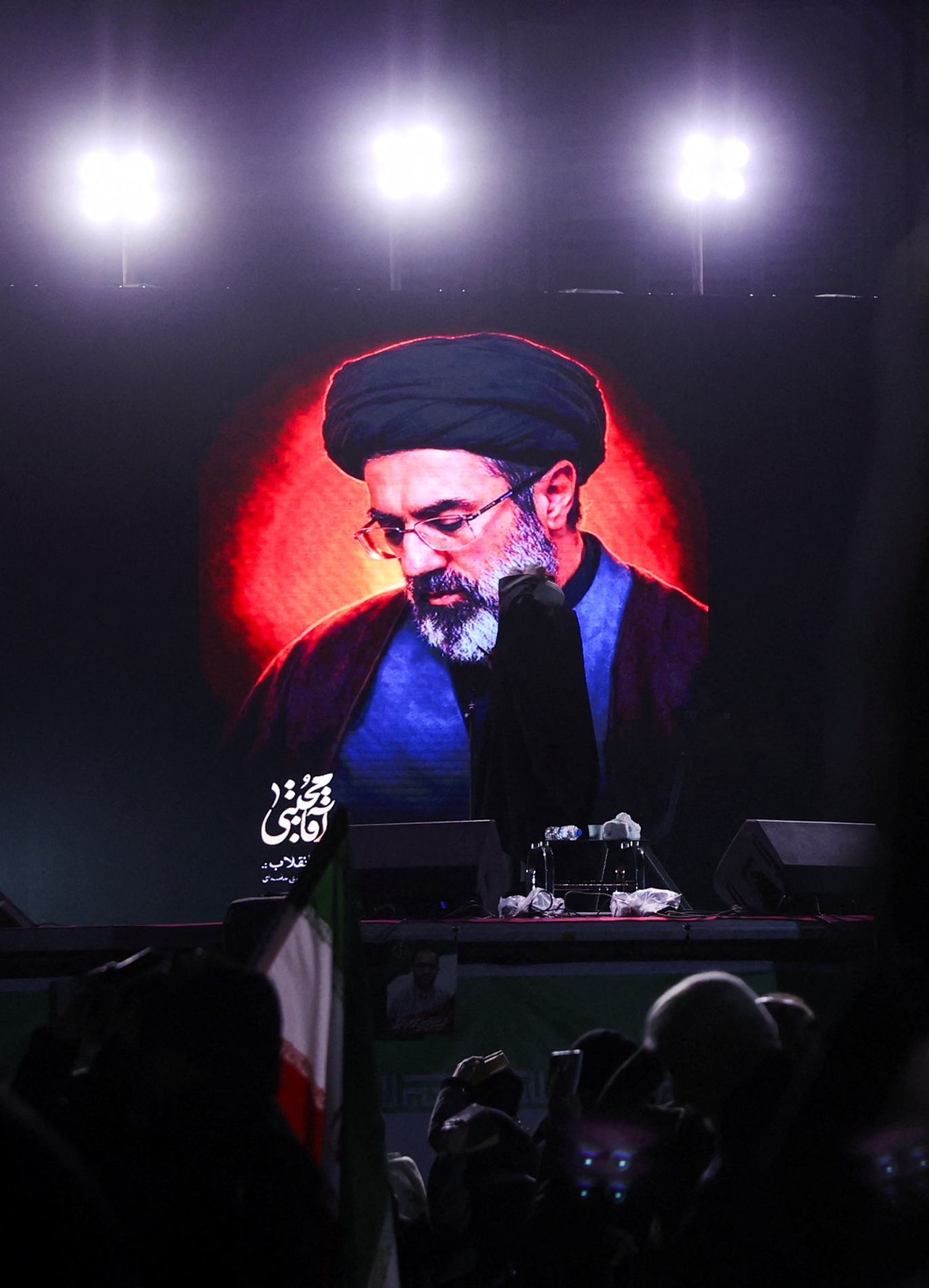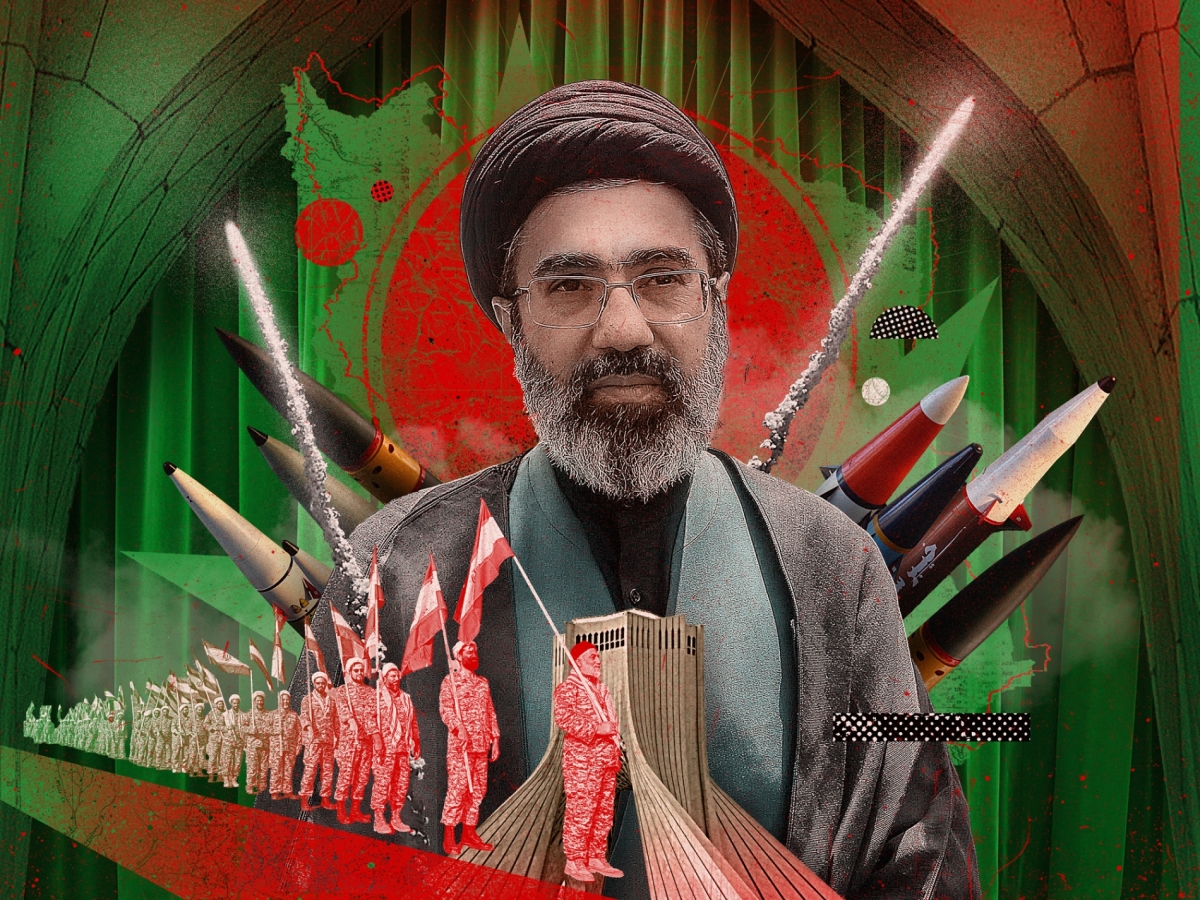

Mojtaba Khamenei’s appointment as Iran’s new Supreme Leader marks the most consequential political transition in the Islamic Republic in more than three decades. For the first time since the 1979 revolution, supreme authority has passed directly from father to son. The Assembly of Experts confirmed Mojtaba roughly a week after the killing of his father, Ali Khamenei, in a US–Israeli strike that decapitated much of Iran’s senior leadership. The decision ended days of speculation over whether the Islamic Republic might face a power vacuum just as it entered a major war.
Instead, the system moved quickly to restore continuity. A temporary leadership council briefly assumed authority as mandated by the constitution, and within days, the clerical establishment and the security elite rallied around Mojtaba as the third Supreme Leader of the Islamic Republic. The speed of the transition was meant to send a clear signal: despite the loss of its long-time leader, the regime’s institutional machinery remained intact. At the most dangerous moment in the history of the Islamic Republic, its first instinct wasn't experimentation but consolidation.
That response was revealing. For years, discussions of succession in Iran revolved around rival clerical factions, elite bargaining, and the possibility that the post-Khamenei order might emerge through a longer and more contested process. War changed that. It compressed time and narrowed options.
In peacetime, Mojtaba Khamenei’s rise would almost certainly have faced stronger resistance. The prospect of hereditary succession in a political order founded on the overthrow of monarchy would have provoked sharper ideological objections. Questions about his clerical rank, limited public profile, and lack of executive experience would have been harder to brush aside. Other contenders might have had more room to organise support. But under external attack and internal uncertainty, continuity mattered more than procedure, command unity more than deliberation, and symbolic steadiness more than ideological consistency.
This is why Mojtaba’s appointment carries significance beyond the immediate issue of succession. It shows that, under extreme pressure, the Islamic Republic has chosen survival over doctrinal coherence. A system born in rebellion against dynastic rule has now accepted a father-to-son transfer of supreme power.
For decades, the Islamic Republic defined itself in part through its rejection of the hereditary principle that underpinned the Pahlavi monarchy. Yet in the crucible of war, that taboo gave way. The regime did not become a monarchy in any formal sense, but it crossed a line that earlier generations of revolutionary elites would have considered politically explosive. The result is something more paradoxical: a revolutionary state preserving itself through a form of dynastic continuity while refusing to acknowledge the contradiction.
A country in crisis
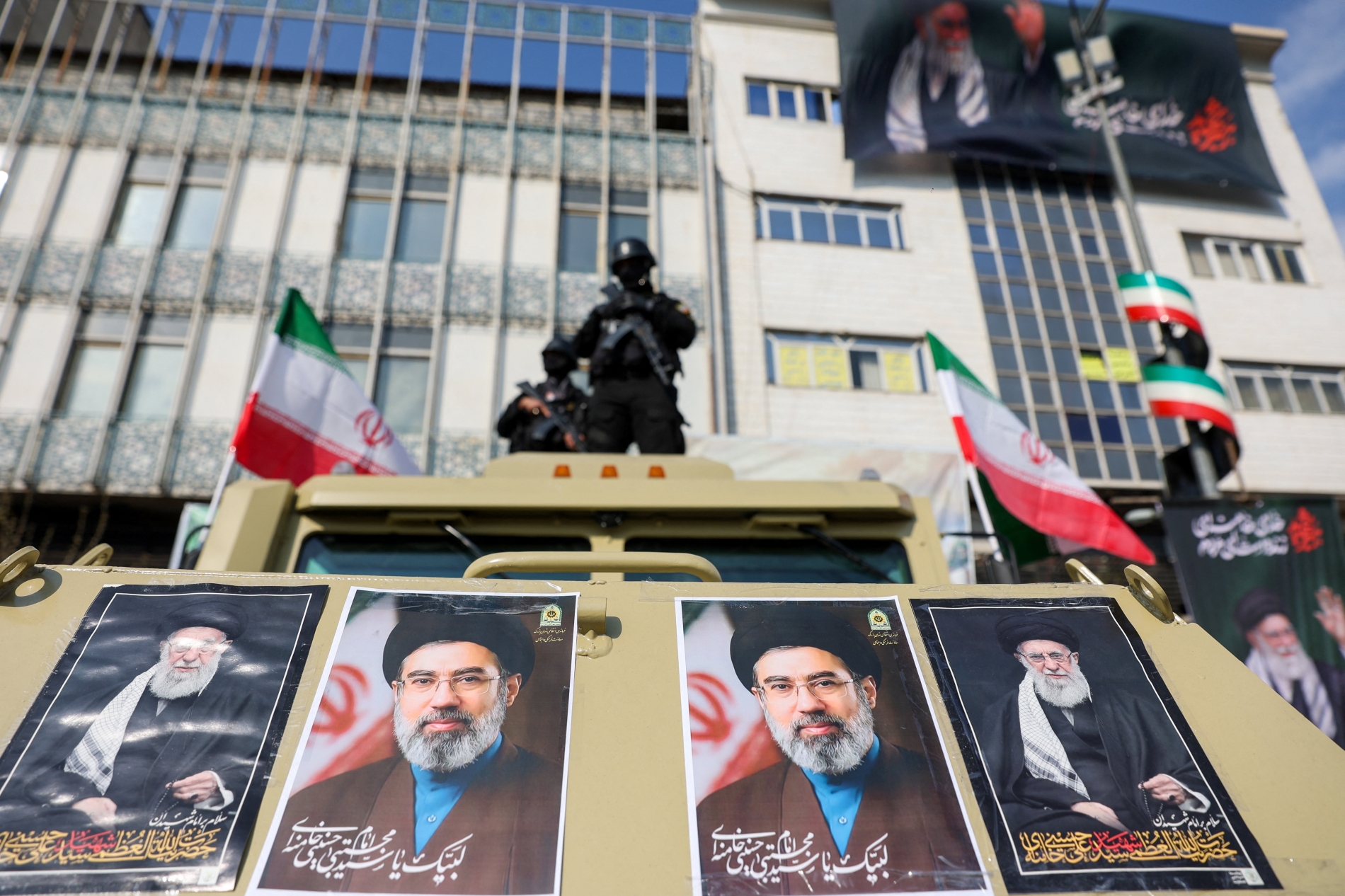
Yet Mojtaba Khamenei inherits not a stable system secured by continuity, but a state confronting the most dangerous convergence of crises in the Islamic Republic's history. Iran is now locked in direct military confrontation with the United States and Israel, two nuclear-armed powers whose combined military capabilities far exceed Iran’s conventional forces.
The war has already degraded key elements of Iran’s missile infrastructure, air defences, and naval capacity. At the same time, Iran’s economy remains fragile after years of sanctions, inflation, currency instability, and structural unemployment. Environmental strains, from water shortages to land subsidence, have deepened the sense of national exhaustion. And beneath the surface of wartime unity lies a restless society that has endured repeated cycles of protest and repression in recent years.
The question confronting Iran’s new leader is therefore larger than the succession itself. Mojtaba Khamenei must decide whether the Islamic Republic will continue along the strategic trajectory defined by his father or whether the pressures now bearing down on the system will force a more fundamental reconsideration of Iran’s political and foreign-policy orientation.
His appointment settles, at least for now, the issue of who sits at the apex of the state. It does not settle the deeper question of what kind of state he now leads, what resources remain at its disposal, and which assumptions from the Khamenei era are still sustainable after the shock of war.
To understand the choices facing Mojtaba, one must first examine what he has inherited. Ali Khamenei’s nearly four decades as Supreme Leader reshaped the Islamic Republic’s political architecture. Two legacies in particular will define Mojtaba’s early rule: the institutional power of the Islamic Revolutionary Guard Corps and a deeply entrenched worldview that frames Iran’s struggle with the West as existential.
Read more: The US-Iran war could empower the IRGC
IRGC architect
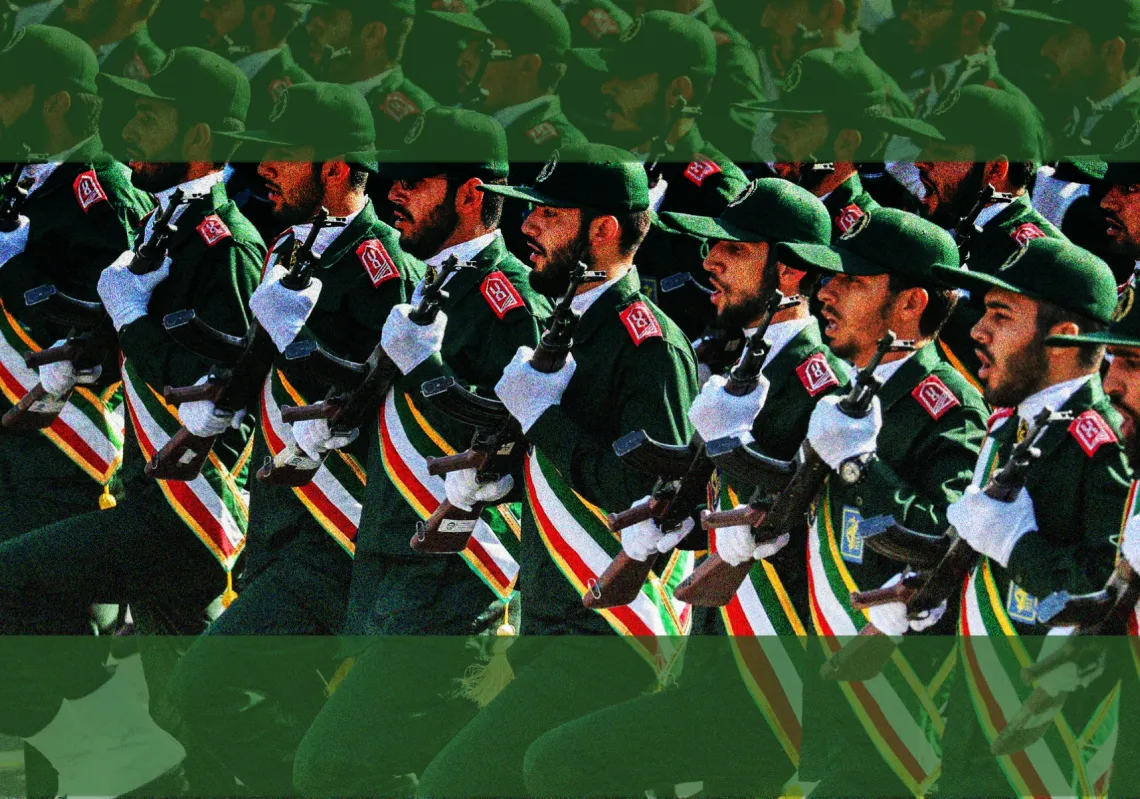
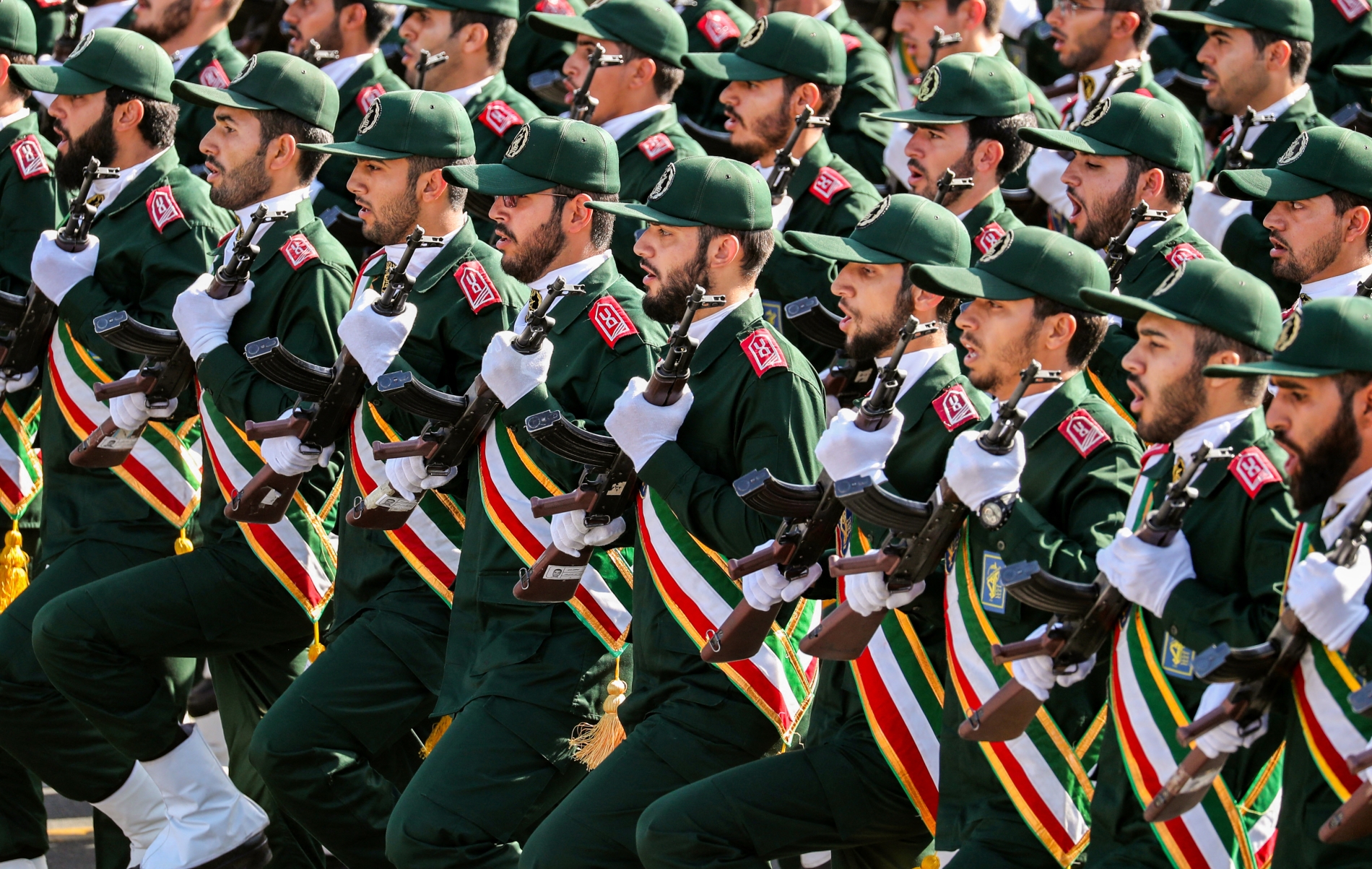
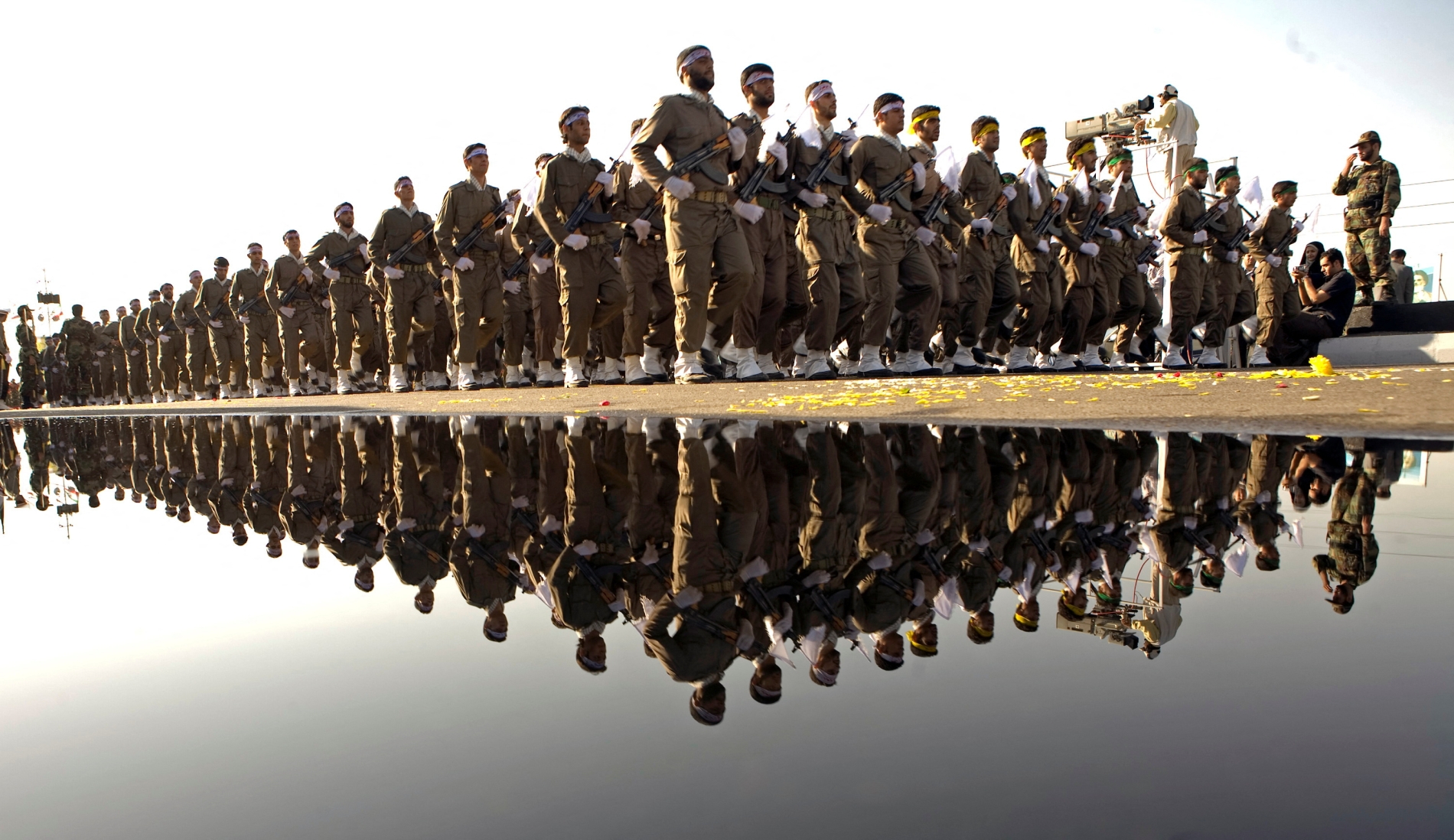
Over the course of his 36-year tenure, Ali Khamenei oversaw the transformation of the Revolutionary Guards into the most powerful institution in Iran. Originally created after the revolution as an ideological counterweight to the regular army, the IRGC gradually evolved into a sprawling security, political, and economic force that operates as a state within the state.
Its commanders dominate strategic planning, its intelligence networks penetrate nearly every major sector of society, and its business conglomerates control large segments of the economy. In wartime, the Guards become even more central. They oversee Iran’s missile programme, its regional proxy networks, and the internal security apparatus that underpins regime stability. No other institution is better positioned to shape both the conduct of war and the terms of political succession.
For Mojtaba Khamenei, the IRGC is both his most important source of support and the institution that will shape the limits of his authority. Unlike his father, who built his influence over decades as a revolutionary cleric and political figure, Mojtaba has spent most of his career behind the scenes inside the Supreme Leader’s office.
He is not a mass politician, nor has he cultivated a broad public persona. Even many Iranians know him more as a rumour, a shadowy court figure, or a behind-the-scenes operator than as a visible national leader. That opacity matters. The regime has chosen not a charismatic or publicly battle-tested successor, but a figure whose authority rests above all on his embeddedness in the security core of the system.
Analysts have long described him as a key intermediary between the leadership and the Revolutionary Guards, and many believe that his close relationships with senior IRGC figures were decisive in securing his succession. That relationship will likely define the early balance of power in Tehran. Mojtaba will rely on the Guards to consolidate authority, while the Guards will expect him to preserve the security architecture they helped construct.
Strength and weakness
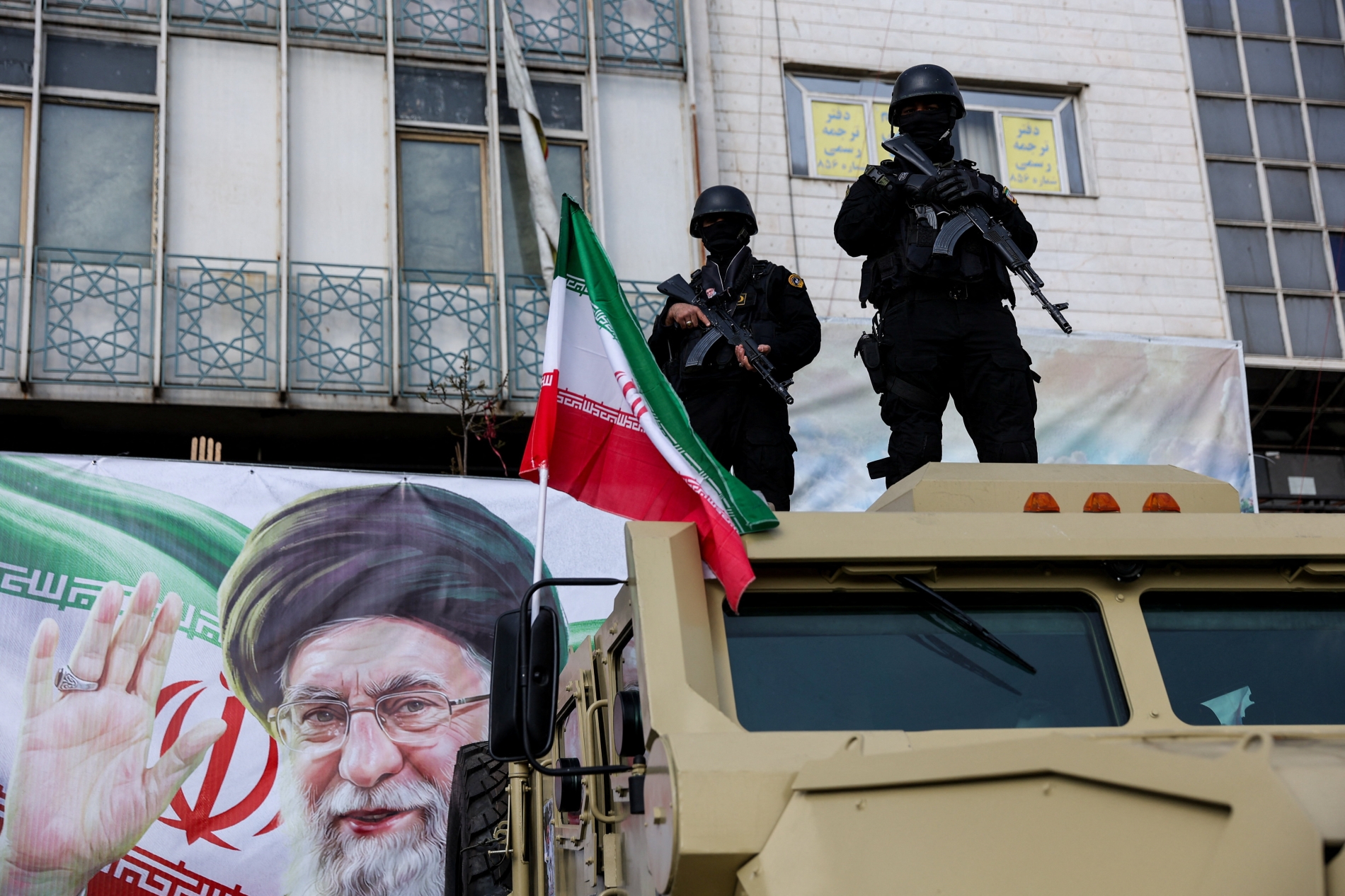
This may prove to be both his strength and his weakness. A leader with deep roots in the system’s most coercive institutions can move quickly in a crisis and reassure hardliners that continuity will prevail. But a leader whose political capital is concentrated within the security establishment may find it harder to broaden the regime’s social base, repair its legitimacy, or create space for strategic rethinking. Mojtaba enters office as an embodiment of continuity, but not necessarily as an agent capable of escaping the very structures that elevated him.
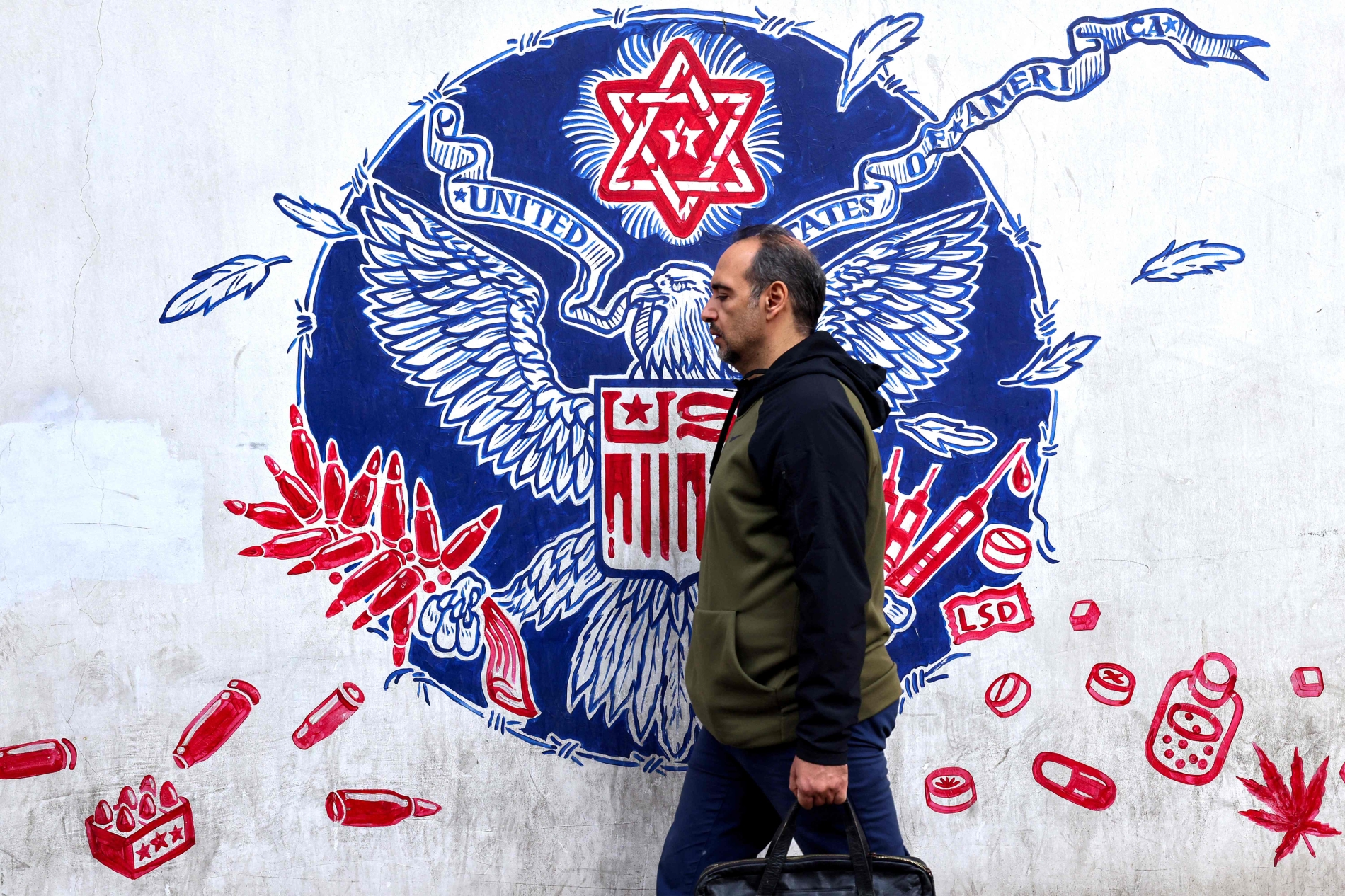
The second inheritance Mojtaba receives from his father is ideological rather than institutional. Ali Khamenei spent much of his rule cultivating a worldview built around profound distrust of Western intentions. In his interpretation, the United States and its allies were engaged in a long-term campaign to weaken and ultimately dismantle the Islamic Republic.
This belief shaped not only Iran’s foreign policy but also its approach to domestic politics. Khamenei repeatedly warned that Western powers would attempt to engineer a “colour revolution” inside Iran by exploiting economic grievances, social unrest, and elite divisions to trigger regime change.
Over time, that narrative hardened into a core doctrine of the Islamic Republic’s security establishment. From the leadership’s perspective, domestic dissent was rarely interpreted as an organic political phenomenon. Instead, it was treated as evidence of external manipulation.
Protest movements, reformist criticism, student unrest, women-led mobilisation, labour grievances, and even debates among clerics or political elites were often viewed through the prism of foreign subversion. The result was a political system that came to treat compromise with deep suspicion and to prioritise coercive control as a primary tool of survival.
A governing worldview
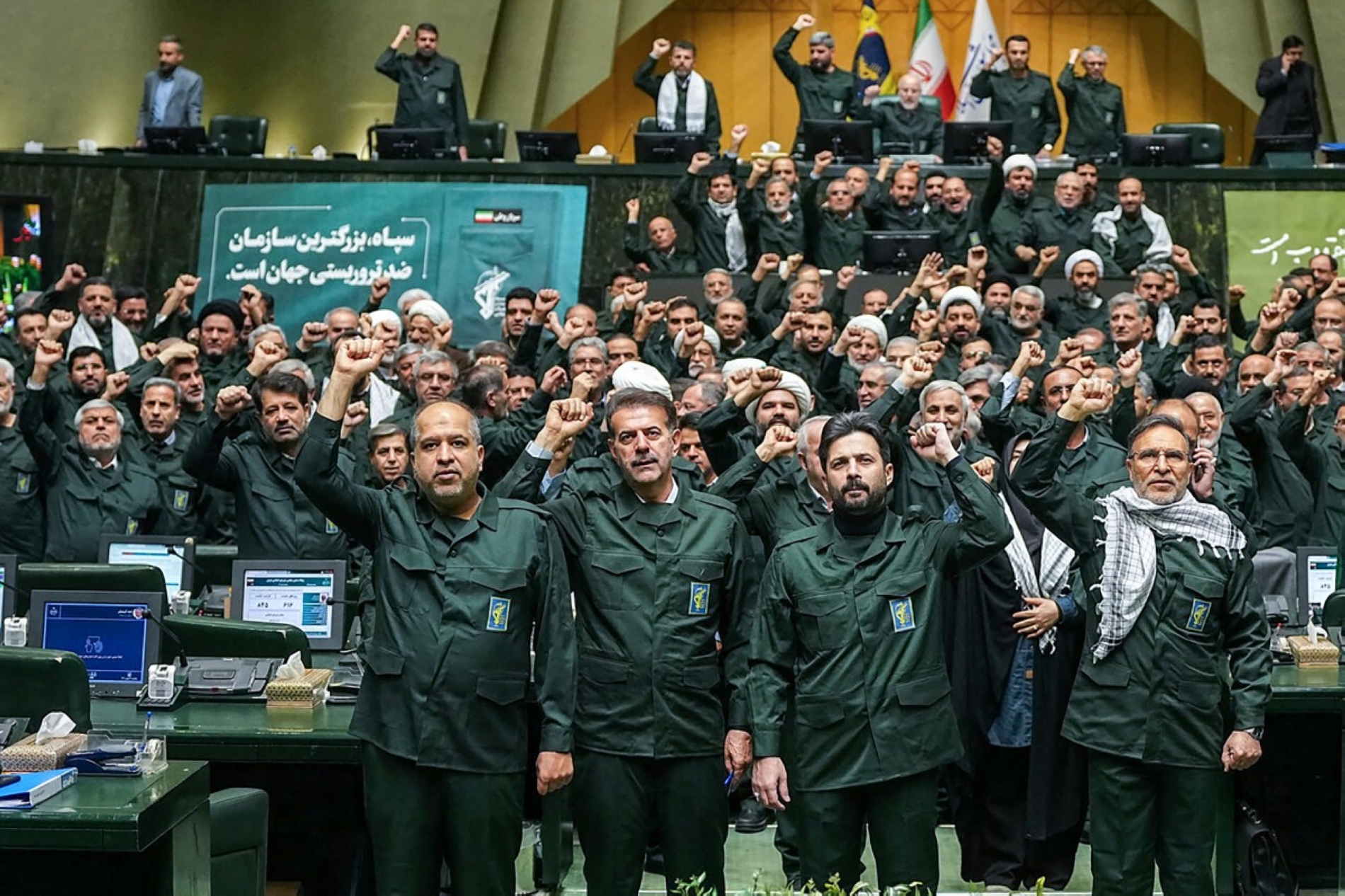
This worldview matters because it links the regime’s external strategy to its internal behaviour. Under Ali Khamenei, hostility toward the West was never merely a foreign policy posture. It was also a domestic governing principle. The more the leadership believed that the United States, Israel, and Europe sought to exploit Iranian society from within, the more dissent at home became inseparable from confrontation abroad.
Sanctions, protests, media criticism, cyber activity, and elite debates were folded into a single story of encirclement. Mojtaba inherits not just an adversarial relationship with the West, but a cognitive map in which external pressure and internal instability are seen as two fronts of the same struggle.
Mojtaba Khamenei now steps into power carrying both of these legacies. On one hand, he inherits an extraordinarily powerful security apparatus capable of maintaining internal order and projecting influence across the region. On the other, he inherits a worldview that assumes external hostility and internal vulnerability are permanent features of Iran’s political landscape. Together, these legacies narrow the space for flexibility. They encourage continuity not only because they empower the forces most invested in the status quo, but because they shape how those forces interpret events.
The difficulty for Iran’s new leader is that these inherited assumptions now collide with a reality far more precarious than the one his father confronted during most of his rule. The Islamic Republic today faces simultaneous military, economic, and social pressures. Each is serious on its own. Together, they create a compound strategic challenge that continuity alone may not be able to manage.
The military dimension is the most immediate. The ongoing war has exposed weaknesses in Iran’s conventional defences that Tehran long tried to mask through asymmetric deterrence. For years, Iran’s strategy rested on three pillars: ballistic missiles, a network of regional proxies, and the threat of disrupting energy flows in the Gulf. These tools enabled Tehran to impose costs on stronger adversaries without directly engaging them.
Challenged model
But the current conflict has challenged that model. Israeli and American strikes have demonstrated the ability to penetrate Iranian air defences and target strategic infrastructure deep inside the country. Even partial success has forced Iranian planners to confront the possibility that their deterrence architecture is less robust than they believed it to be.
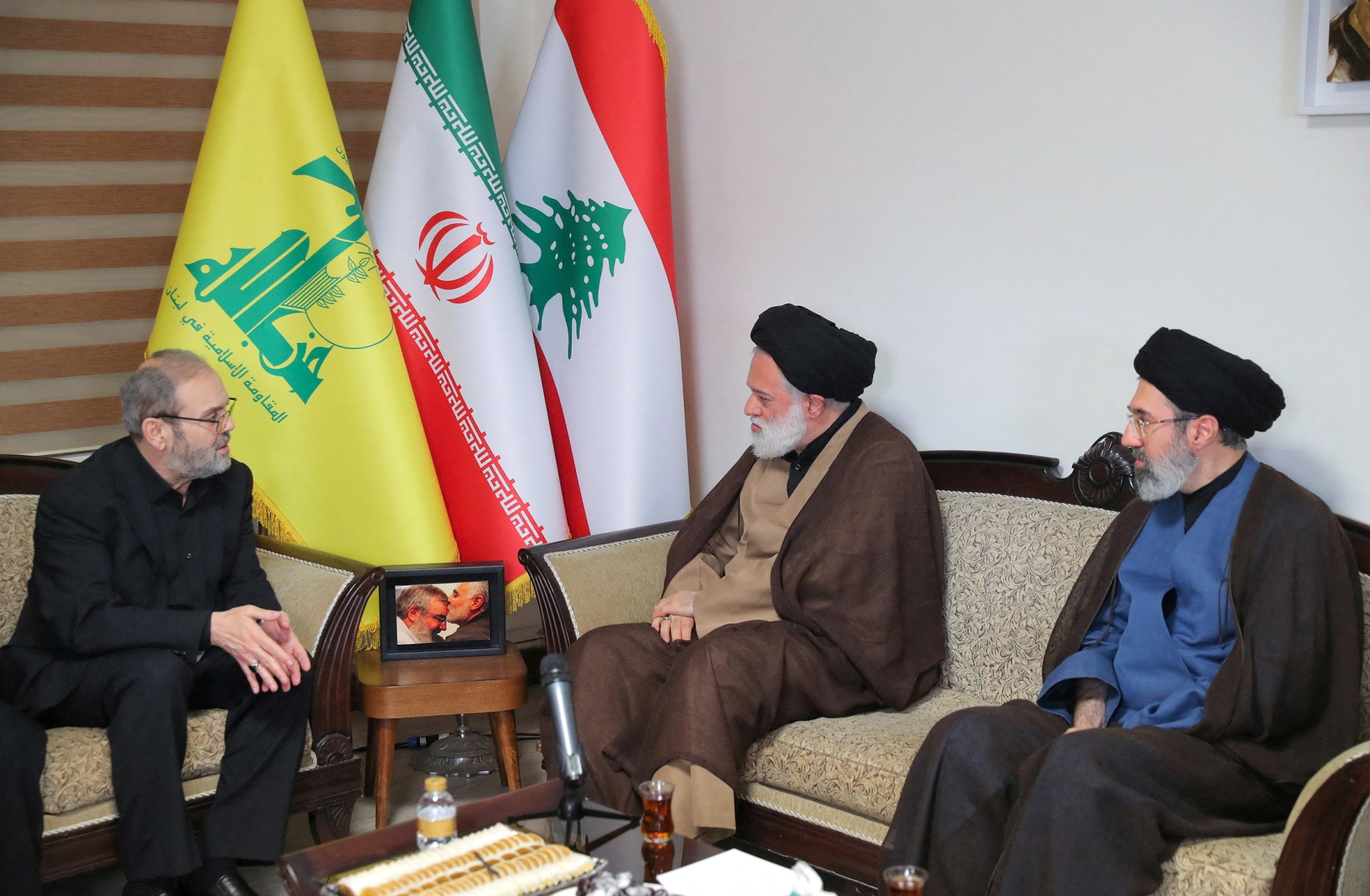
At the same time, the regional environment that once supported Iran’s strategy has shifted. Hezbollah in Lebanon has been weakened by repeated clashes with Israel. Iran’s network of militias in Iraq faces mounting pressure from regional governments seeking to curb Tehran’s influence.
And while groups such as the Houthis in Yemen remain active, the cumulative effect has been to erode the perception that Iran can reliably project power across the Middle East through proxy forces alone. The “forward defence” model that helped define Iranian strategy for decades has not disappeared, but it no longer offers the same level of insurance it once did.
That matters not only for military planning, but for the ideological story the regime tells itself. The Islamic Republic long claimed that it had built a ring of deterrence beyond its borders precisely to prevent war from reaching Iranian soil. That claim becomes harder to sustain once the homeland itself is vulnerable to direct and sustained attack.
If the regime’s external strategy can no longer prevent the kind of war it was designed to deter, then the leadership must either adapt the strategy, double down on it, or redefine success more modestly around endurance rather than dominance.
Intersecting vulnerabilities
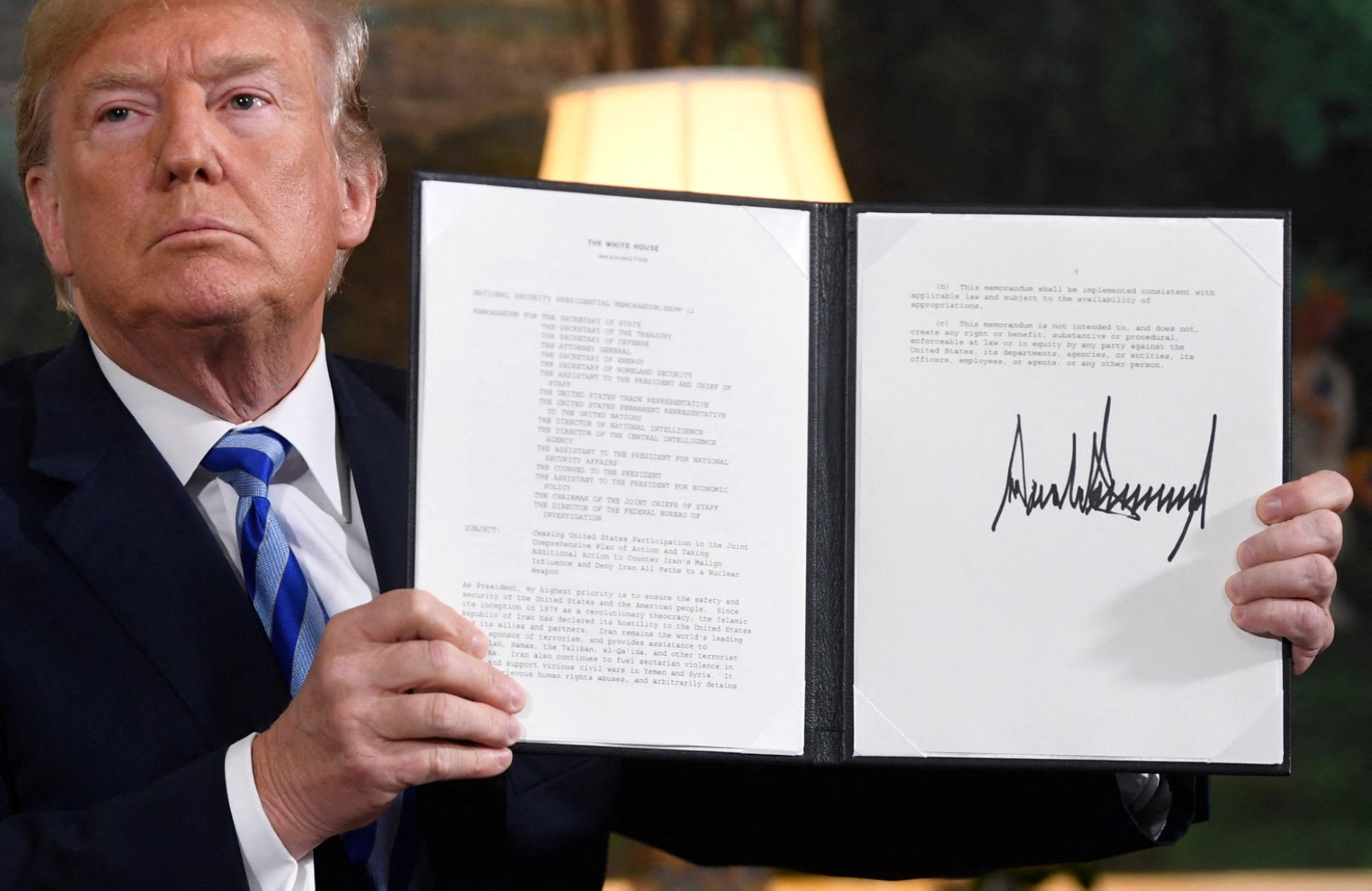
Military vulnerability intersects with economic fragility. Years of sanctions and structural mismanagement have left Iran’s economy struggling with chronic inflation, a volatile currency, declining living standards, and deep uncertainty about future investment and growth.
Wartime disruption compounds those weaknesses. It raises transaction costs, accelerates capital flight, and creates fresh burdens on already strained state finances. Environmental crises, especially water shortages and land subsidence, add to the pressure. For many Iranians, the promises of economic justice that once underpinned the revolutionary narrative have long since faded.
The regime still retains instruments of economic control and can draw on networks of patronage, smuggling, sanctions evasion, and semi-state commercial activity to keep key sectors functioning. But such mechanisms are increasingly tools of survival rather than development. They preserve the system without restoring public confidence in it.
The more Iran’s economy becomes organised around siege conditions, the more political power flows toward institutions, above all the IRGC and its affiliates, that can operate most effectively in an environment of scarcity, opacity, and coercion. War, in other words, may not only damage the economy. It may further redistribute economic power toward the same security structures that dominate national defence.
These economic pressures feed directly into the third and perhaps most unpredictable dimension of Iran’s current predicament: social unrest. Over the past decade, the Islamic Republic has faced repeated waves of protests that have drawn support from diverse segments of society.
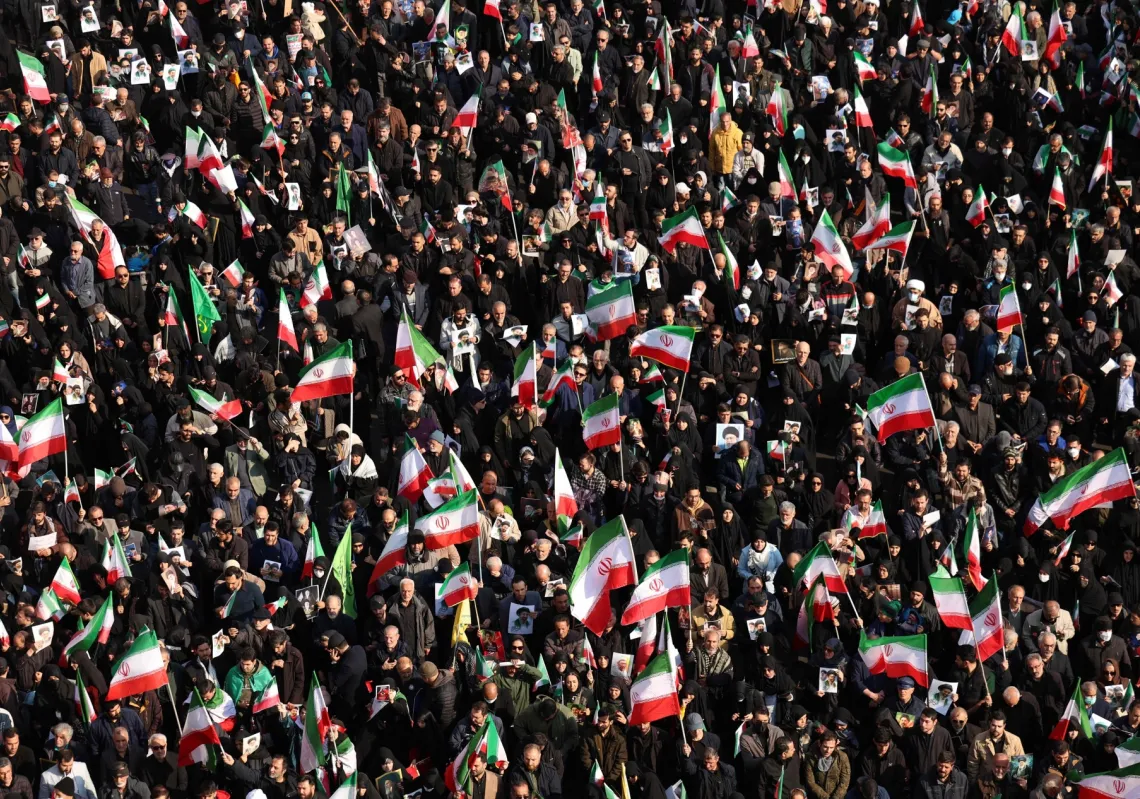
These episodes have differed in their immediate triggers, fuel prices, economic hardship, political repression, women’s rights, corruption, and broader frustrations with elite unaccountability, but together they reveal a widening gap between the state and much of society. The most recent protests in January reflected not a single grievance but a broader sense that the system had become both rigid and unresponsive.
Public endurance
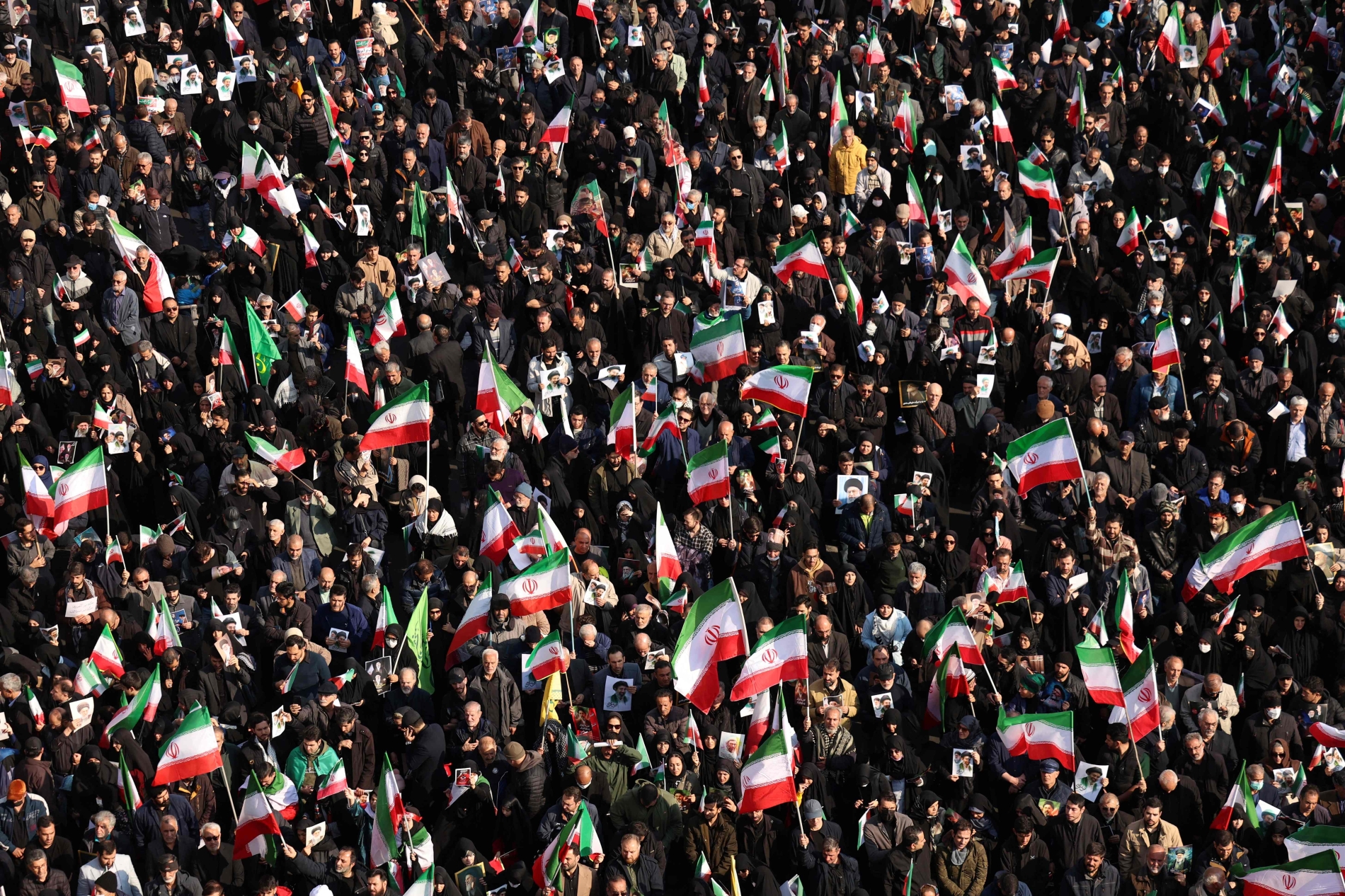
Wartime nationalism can temporarily mute such tensions, especially when a country is under direct attack. But it does not erase them. The same war that generates patriotic instincts can also deepen anger if it brings more hardship, destruction, casualties, or visible evidence of elite incompetence.
Much depends on how the public interprets the conflict. If many Iranians view the war primarily as an assault on the nation, the state may rally support around resistance. But if more and more come to see it as the culmination of a strategic course chosen by an inflexible leadership, wartime unity may prove thinner and shorter-lived than the regime hopes.
Iran’s leadership has responded to these pressures by strengthening its surveillance capabilities and expanding its digital control system. The Revolutionary Guards and affiliated institutions dominate the country’s telecommunications infrastructure, allowing authorities to monitor online activity, filter content, and shut down internet access during periods of unrest.
Recent nationwide blackouts have demonstrated how quickly the state can isolate the population from the outside world. These tools have made it easier for the government to contain dissent, but they also underscore the degree to which the regime now relies on coercion rather than consent. A system confident in its legitimacy does not need to sever society from itself so routinely.
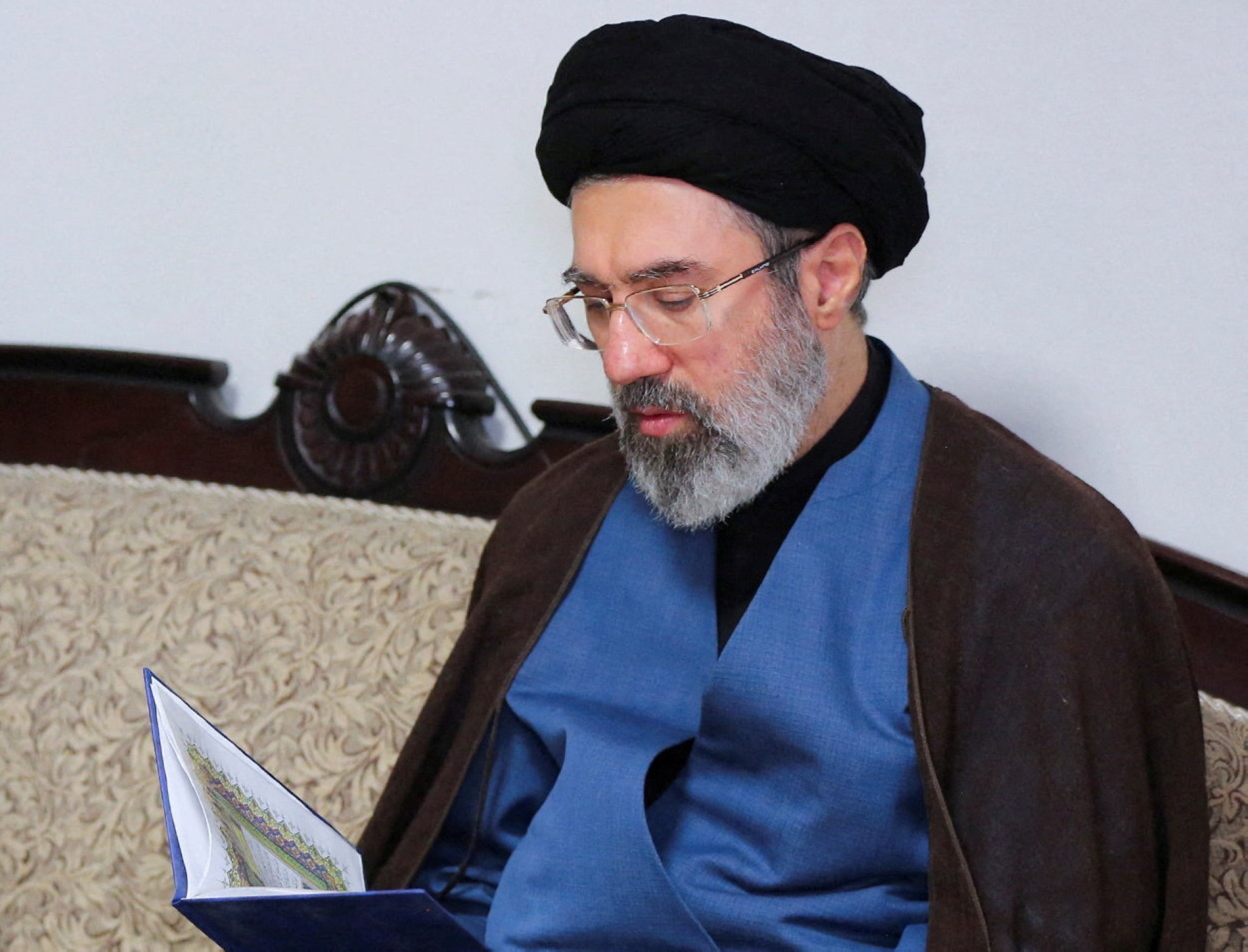
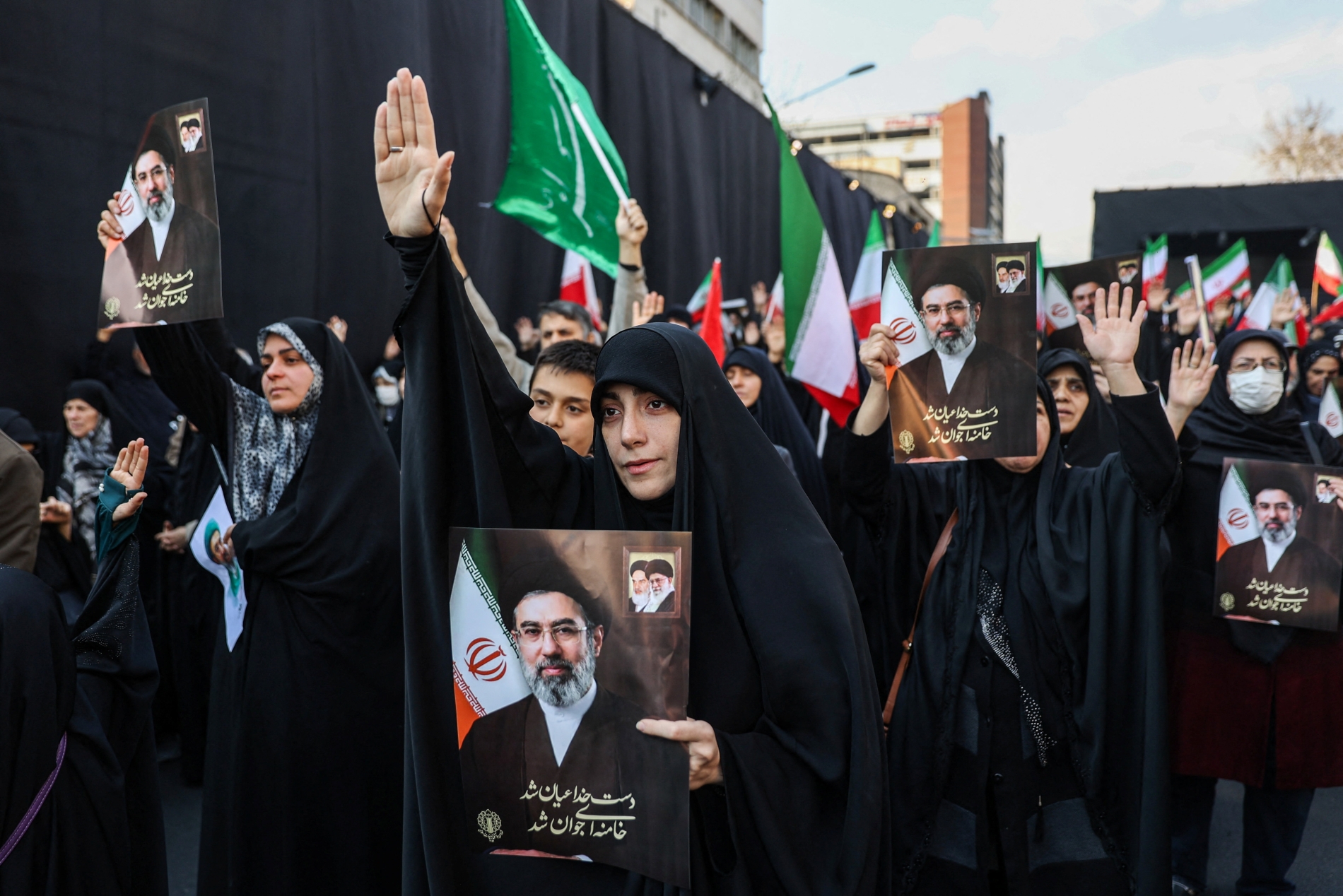
This is where Mojtaba’s own political profile becomes especially relevant. He entered power with little public legitimacy in the traditional sense. He is not a figure who built authority through repeated elections, public speeches, or a visible executive office. Nor does he appear to possess the kind of broad clerical stature that once conferred religious weight almost automatically.
Pressure to perform
One of the striking features of his rise has been the extent to which the state’s media and political machinery have worked to elevate and regularise his standing in religious terms. That does not mean he lacks meaningful support within key institutions. It does mean that his legitimacy is likely to depend more heavily on the performance of power, security control, elite cohesion, wartime endurance, and eventual stabilisation than on organic public or clerical prestige.
That distinction matters because it points to a deeper transformation already underway inside the Islamic Republic. For years, the system has been evolving from a hybrid revolutionary order, part clerical, part populist, part security state, into something more openly dominated by the organs of coercion. Mojtaba’s succession may accelerate that process. If Ali Khamenei’s rule steadily reduced the relative influence of traditional clerical authority in favor of security institutions, his son may preside over the next stage of that shift: a state that retains clerical symbolism but depends increasingly on military-security power for its coherence.
The convergence of these pressures raises a fundamental question about the sustainability of the political model Mojtaba Khamenei has inherited. For decades, the Islamic Republic relied on a combination of ideological mobilisation, security control, and regional power projection to maintain its position. But the current crisis suggests that the balance between these elements may be shifting. Ideology still matters, but it no longer inspires as it once did.
Regional projection still matters, but it has become costlier and less reliable. Security control still matters, perhaps more than ever, but a political order that leans ever more heavily on coercion also reveals the erosion of its softer forms of legitimacy.
Can sheer hard power, at home through repression and abroad through deterrence, continue to preserve the regime’s stability? Or does the death of Ali Khamenei create a moment in which Iran’s leadership might reconsider the strategic assumptions that have guided the country for more than a generation?
Constrained remit
For now, the answer is constrained by the immediate realities of war. As long as Iran remains engaged in active conflict with the United States and Israel, the political space for strategic rethinking will be extremely limited. Wartime conditions tend to strengthen the influence of security institutions and reinforce narratives of national resistance.
Any Iranian leader perceived as seeking compromise while the country is under attack would risk accusations of undermining sovereignty. Mojtaba’s own rise was made possible in part by precisely these wartime dynamics: the demand for a single command structure, the pressure to display continuity, and the readiness of the security establishment to suppress objections in the name of emergency.
This is another reason his succession should be understood less as a sign of confidence than as a crisis response. The system did not choose Mojtaba because he clearly offered a new strategic vision. It chose him because he represented the shortest path to preserving the chain of command and ideological continuity under fire.
His elevation was less the culmination of an open succession process than the wartime hardening of a preference that had long existed inside the security core. In that sense, war did not invent his candidacy. It made resistance to it much harder.
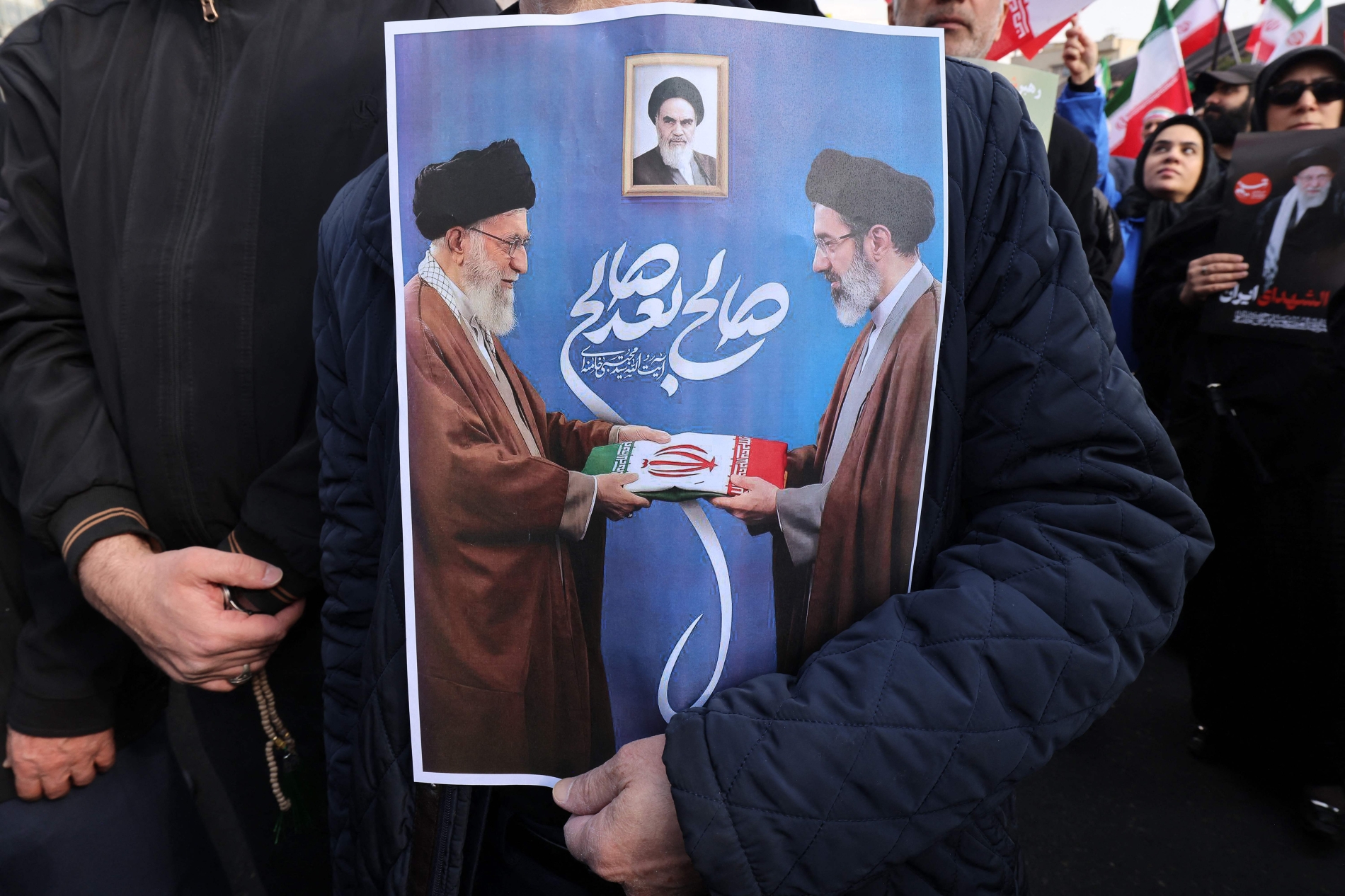
The symbolism of his appointment reinforces the point. At a moment when the regime was under direct military assault and facing widespread predictions of disarray, naming the son of the fallen leader was a statement of defiance. It told adversaries that the Islamic Republic would not allow external force to dictate internal succession. It told domestic supporters that the line of authority remained unbroken. And it told wavering insiders that the security establishment had made its choice. But symbols that are useful in wartime can carry costs later on. The very move that projects resilience in the present may produce legitimacy problems in the future.
Counting the costs
Those costs could emerge along several dimensions. The most obvious is ideological. Hereditary succession sits uneasily with the revolutionary narrative on which the Islamic Republic was founded. Over time, that contradiction may deepen cynicism among citizens already sceptical of official doctrine. It may also create discomfort among segments of the clerical establishment that accepted the transition under wartime pressure but do not necessarily regard dynastic logic as a sustainable principle of rule. And it may sharpen external perceptions that the system has become less a revolutionary republic than a security order wrapped in clerical language.
A second cost is political. Mojtaba’s opacity may have helped his candidacy inside the elite, but it also means he begins his rule with limited room for error. A leader with an established public constituency can sometimes absorb setbacks by drawing on accumulated trust. Mojtaba has no such reservoir. If the war goes poorly, if the economy deteriorates further, or if elite factions begin to compete more openly once the emergency passes, his lack of an independent popular or institutional base beyond the security core may become a liability.
A third cost is strategic. By elevating a figure so closely associated with the hard edge of the system, the regime may have reduced its own flexibility just when it most needs options. Mojtaba may in theory prove more adaptable than many expect. Some Iranian and foreign observers have speculated that a leader secure in the backing of hardliners could someday use that position to manage controlled reform or tactical compromise from above. But such hopes remain speculative. What is certain is that his current image, shaped by proximity to the Guards, wartime succession, and the symbolism of dynastic continuity, makes any early move toward accommodation politically difficult.
Still, wars eventually end. If the Islamic Republic survives the current confrontation, and there are strong institutional reasons to believe it could, the period after the guns fall silent may become the most consequential phase of Mojtaba Khamenei’s early rule.
At that point, Mojtaba and the coalition of security officials, clerics, and political figures who supported his succession will face a choice that could shape the future of the Islamic Republic. They can double down on the approach that defined Ali Khamenei’s tenure: a strategy centred on ideological rigidity, confrontation with Western powers, and tight internal control over Iranian society.
A path strewn with adversity
That path would preserve continuity with the past and likely further strengthen the Revolutionary Guards. It would also fit the instincts of those who interpret the war as proof that compromise invites predation and that only greater internal discipline can prevent collapse.
But it would carry high costs. It would prolong the cycle of sanctions, isolation, and periodic confrontation that has characterised Iran’s relations with the outside world. It would deepen the state’s reliance on coercion. And it would likely accelerate the transformation of the Islamic Republic into a poorer, more securitised, and more brittle version of itself.
The alternative would be far more difficult but potentially transformative. Mojtaba Khamenei could attempt to reinvent the system he now leads by gradually loosening the dogmatic framework that has governed Iranian politics for decades. Such a shift would not necessarily mean abandoning the core principles of the Islamic Republic.
But it would require rethinking the assumption that confrontation with the West is inevitable and that domestic dissent is always the product of foreign manipulation. It would mean accepting that long-term survival may depend less on permanent mobilisation against enemies than on rebuilding a workable relationship between state and society.
That, in turn, would require a different relationship with Iranian society itself. The Islamic Republic has spent much of the past two decades tightening ideological control and narrowing the political space for debate. A new approach would have to acknowledge that long-term stability cannot rely solely on repression and surveillance.
Economic reform, greater transparency, a more flexible political environment, and some recalibration of the state’s social compact would likely become necessary components of any serious effort to rebuild legitimacy. None of that would be easy. All of it would run against entrenched interests, especially within institutions that have grown stronger under siege conditions.
Few clues
Whether Mojtaba Khamenei is willing, or able, to pursue such a path remains uncertain. His personal political record offers few clues about how he might respond to these challenges. Much will depend on the balance of power within the institutions that now surround him, particularly the Revolutionary Guards and the clerical networks that still have ways to shape Iran’s political system.
If those institutions conclude that the war vindicated the security-first model, the room for strategic recalibration may remain narrow. If, however, key actors decide that survival now requires a more adaptive and less ideological approach, Mojtaba could eventually become the face of a controlled adjustment rather than mere continuity.