Why regime change in Iran is unlikely

There are few examples of successful US regime-change operations in history. And without permanent ground troop presence, these wins can easily be reversed.

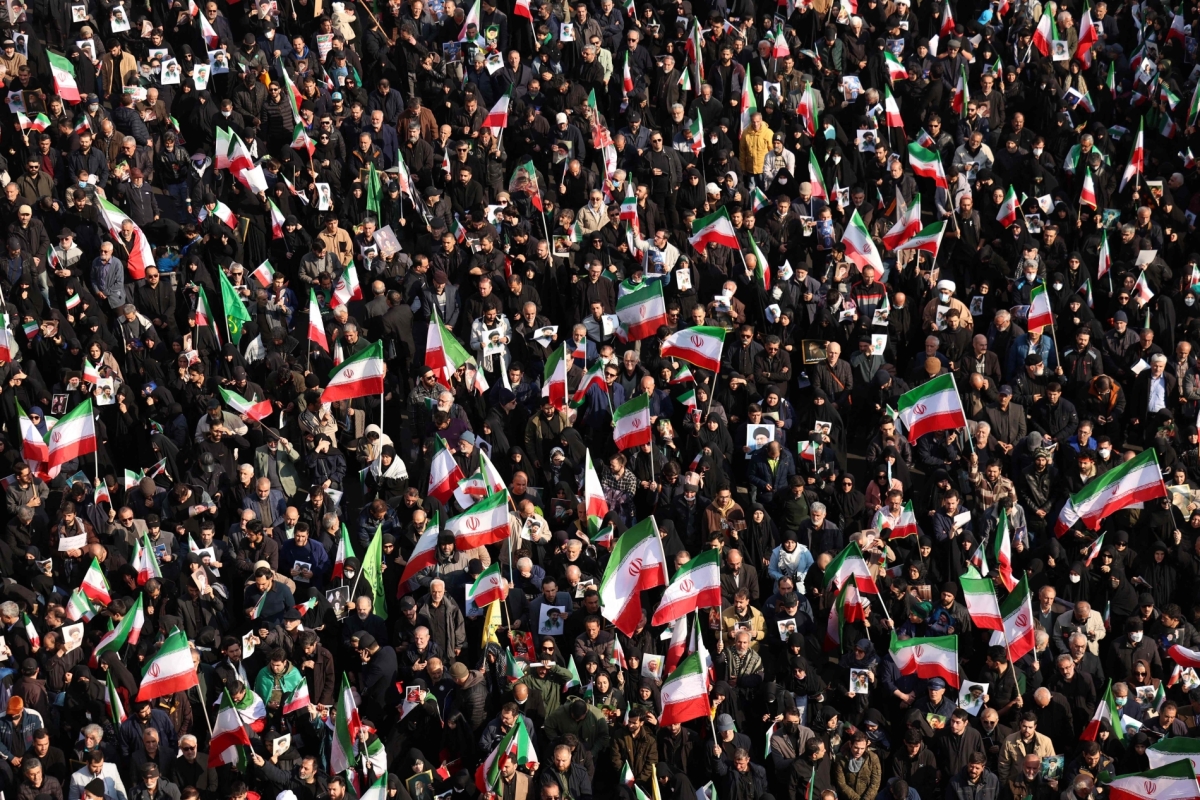
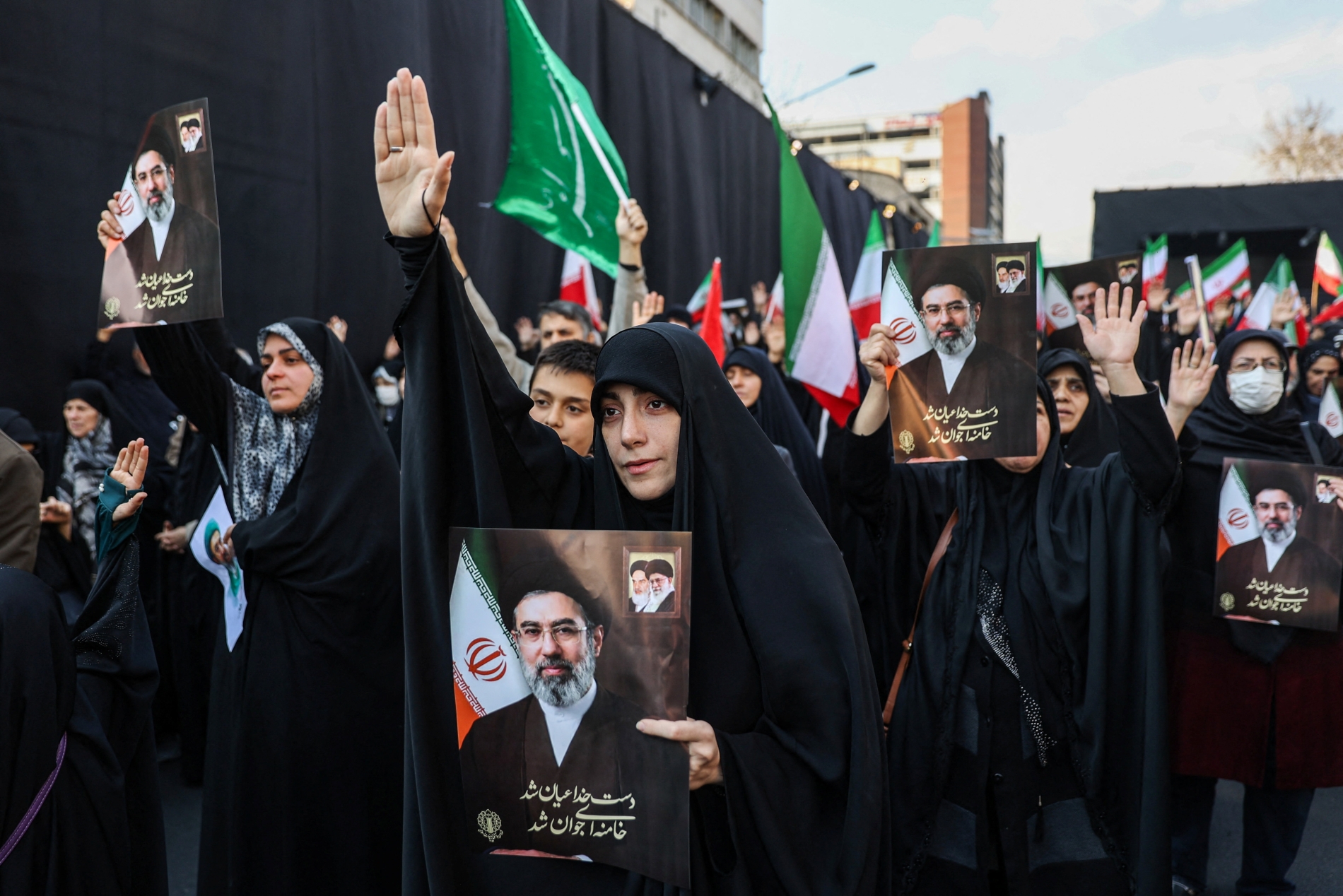
Demonstrators wave Iranian national flags as they gather for a rally in support of the new Supreme Leader at Enghelab Square in central Tehran on 9 March 2026.
AFP
Demonstrators wave Iranian national flags as they gather for a rally in support of the new Supreme Leader at Enghelab Square in central Tehran on 9 March 2026.

Why regime change in Iran is unlikely

The US, it seems, is back in the ‘regime change’ business. Despite his past promises to “stop the reckless and costly policy of regime change,” Donald Trump’s Operation Epic Fury looks anything but. Israel’s assassination of Iran’s supreme leader Ali Khameni on the first day and Trump’s urging the Iranian people to “take over your government,” all point to what Keir Starmer has described as attempted “regime change from the skies.”

While the war’s legality is highly questionable, and there are serious concerns about how long it will last, how far it will spread and how destabilising it will be for the Middle East and beyond, this article focuses on just one aspect: could it work? After all, the US does not have a great record when it comes to regime change.

Looking at recent historical examples from the Middle East and beyond, the augurs are not promising. Successful regime changes have usually required ground troops, and even then, the long-term results have rarely been positive for Washington.

The ghosts of regime change past

No two conflicts are the same, so even identifying past ‘regime changes’ to compare with the Iran war today brings challenges. Some conflicts, such as the 1999 Kosovo War, precipitated regime change, but this was not the US and NATO’s stated goal when intervening. Likewise, NATO’s entry into Libya’s civil war in 2011 was supposedly to defend civilians, but it quickly moved to support rebel fighters to overthrow Muammar Gaddafi. Yet these two conflicts offer perhaps the most hope to Trump that ‘regime change from the skies’ can work. In both cases, the US and its allies did not have to deploy large numbers of ‘boots on the ground’.

In the Kosovo case, 50,000 NATO troops were deployed, including around 8,000 from the US, but this was as a peacekeeping force after the air campaign that had forced Slobodan Milosevic’s Serbian forces to withdraw. Regime change in Serbia itself eventually happened over a year later, when Milosevic lost the first round of presidential elections, and street protests prompted the military to side with the crowd over him.
Majid Asgaripou / Reuters
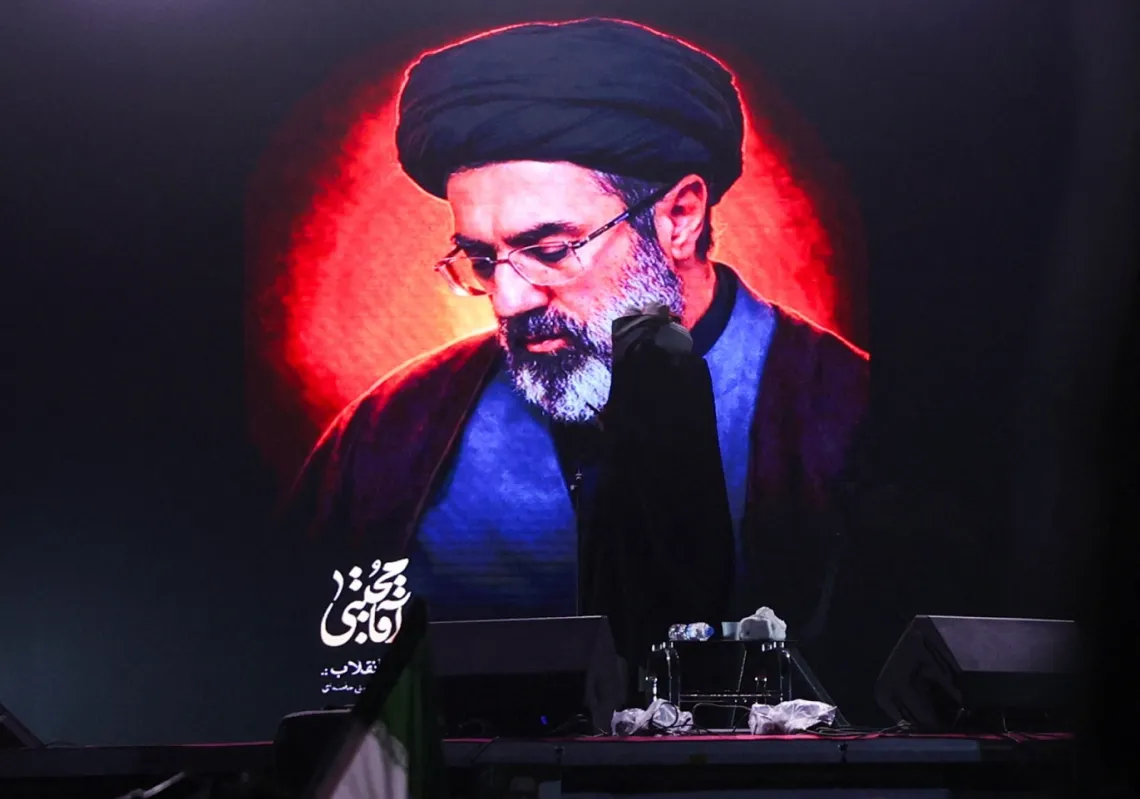
People attend a gathering to support Iran's new supreme leader Mojtaba Khamenei, amid the US-Israeli conflict with Iran, in Tehran, Iran, on 9 March 2026.

Such an outcome might be what Trump is hoping for in Iran, but there are significant differences. Iran is a much bigger, more diverse country than Serbia, with populations of 85 million and 6 million, respectively, meaning it would take a far larger coordinated popular movement than the one that toppled Milosevic. Moreover, we have already seen the willingness of Iran’s security forces to side with the regime over protestors, when an estimated 30,000 were killed earlier in 2026. Trump may hope elements of the security forces switch sides and emulate what happened in Serbia, but the signs so far are not promising.

The 2011 Libyan case offers an alternative example. There, a significant portion of the security forces stayed loyal to Gaddafi. NATO intervention effectively gave air cover to armed rebels to help overthrow him.
This is a conflict launched in the hope of regime change rather than on a clear plan or mechanism for achieving it

Moreso than Serbia, this was a successful regime change from the skies, with only a handful of NATO special forces deployed on the ground. But again, the circumstances in Iran today are very different. Firstly, there was far more legitimacy to the operation, with the UN endorsing NATO's deployment, a resolution co-sponsored by the Arab League.

Secondly, the US and its allies had a legitimate partner on the ground that was already armed and in control of significant territory, including the second city of Benghazi, before the military operation began. No such force currently exists in Iran.

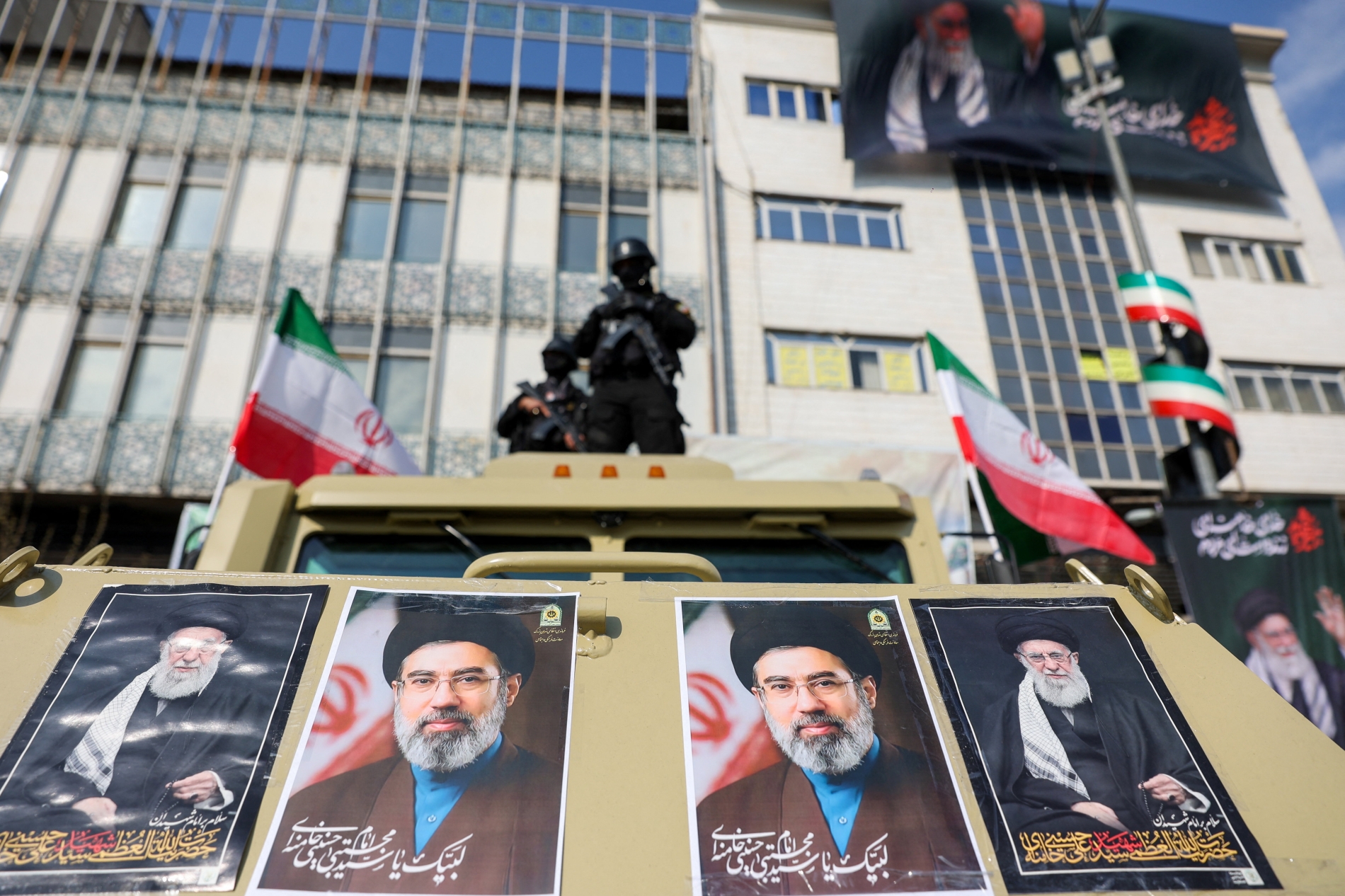
Majid Asgaripou / Reuters
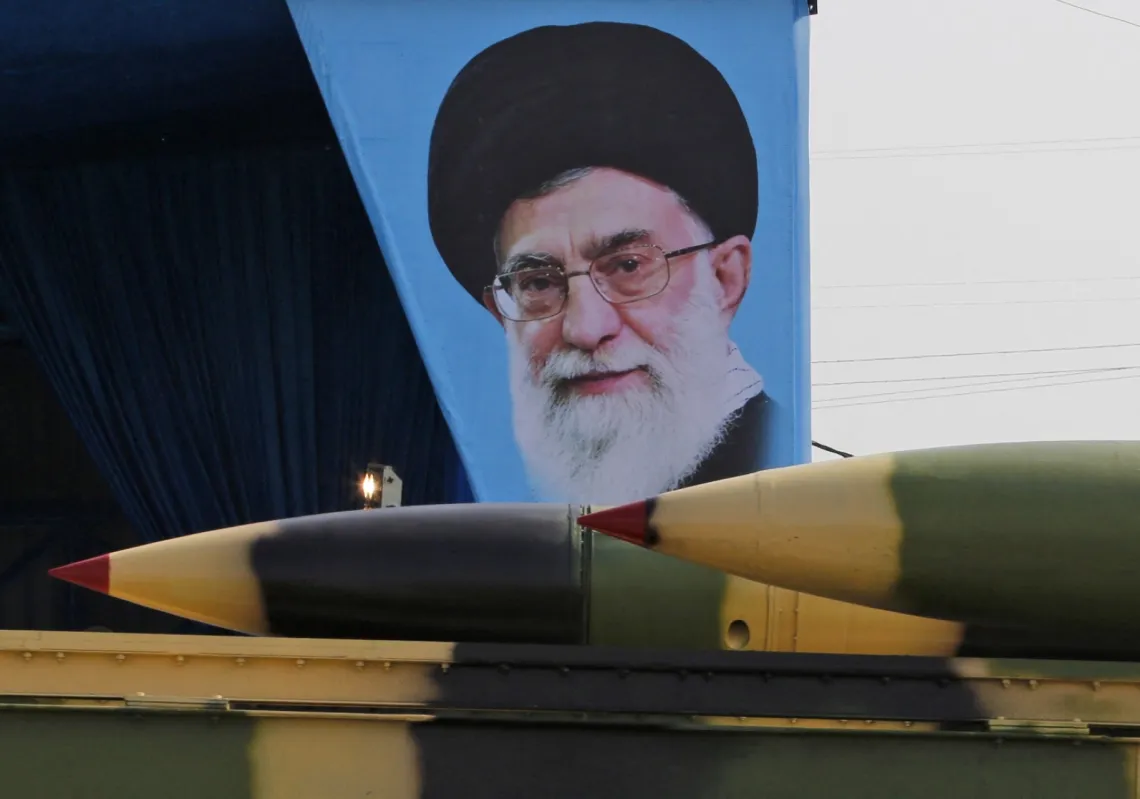
Images of Iran's new supreme leader Mojtaba Khamenei and late Iranian Supreme Leader Ayatollah Ali Khamenei are displayed at a gathering to support Mojtaba Khamenei in Tehran, Iran, on 9 March, 2026.

Finally, despite its large geographical size, like Serbia, Libya has a small population of 7 million, and the primary theatre of war was a handful of cities along the accessible Mediterranean coast. This made it far easier for NATO to assist. In contrast, Iran is a vast, mountainous country with its large population spread across the country, while the capital, Tehran, is a thousand kilometres from US bases in the Gulf. Supporting a similar insurgency could prove far harder and more protracted, and there's scant evidence that either such an insurgency is emerging or that Trump is willing to invest the time and political capital to ensure its success.

A more recent example of US intervention was Trump's seizure of Nicolás Maduro in Venezuela in January. However, while this served Trump's interests, it is too early to call it a successful 'regime change'. After all, the Venezuelan regime remains in power, just led by a more pliant president.

Lessons from history

The cases of Iraq and Afghanistan are more suitable comparisons. Afghanistan, in 2001, was more like the Libyan example, where the US backed local insurgents, providing air support and some ground troops to topple the Taliban. In Iraq in 2003, there were no such local insurgents, so the US deployed 150,000 ground troops, alongside British and other allies, to topple Saddam Hussein.

While these regime changes were initially successful, they both required ground troops. The invasion of Afghanistan required only 5,000 US troops, but Washington and its allies had to send large numbers to defend the new regime from a rejuvenated Taliban, reaching a peak of 140,000 foreign troops in 2011. Neither was actually a 'regime change from the skies.'

AFP
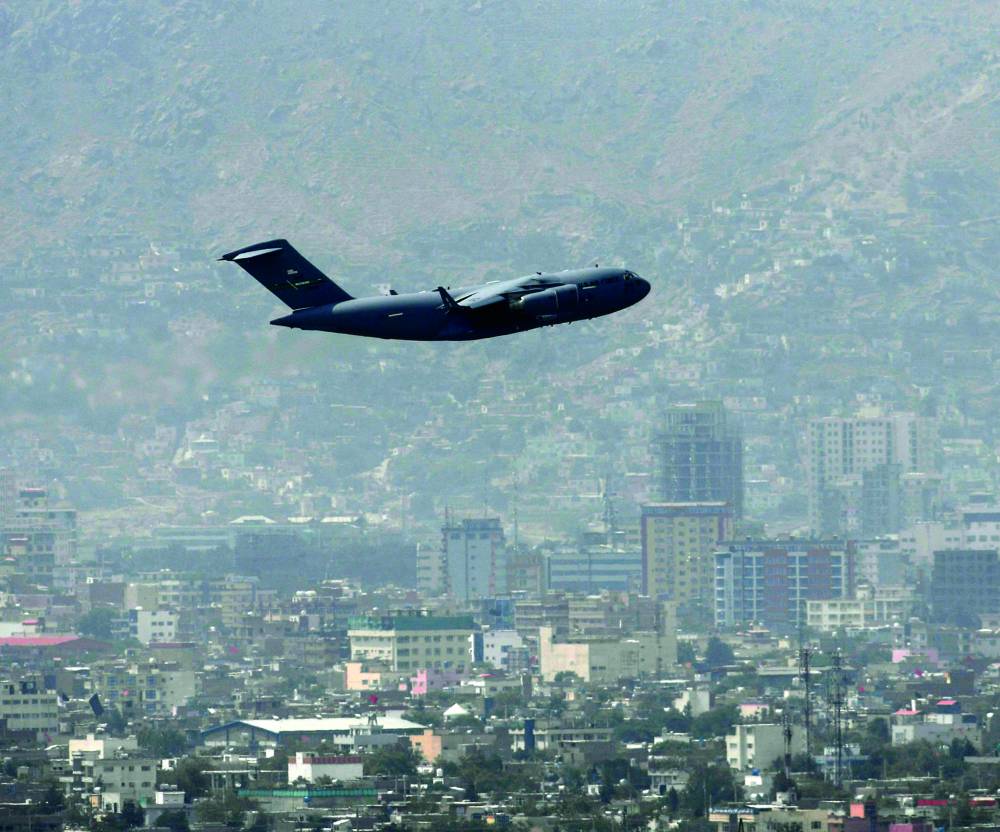
A US Air Force aircraft takes off from the airport in Kabul on August 30, 2021. Rockets were fired at Kabul's airport on August 30 where US troops were racing to complete their withdrawal from Afghanistan.

Nor were they ultimately 'successful.' Despite Washington's 21-year presence in Afghanistan, the pro-US regime was toppled by the Taliban within days of Joe Biden's withdrawal in 2021. Though Iraq did not return to Ba'athist rule, it has not become the pro-Western democratic bastion George W. Bush hoped. Elections happen, but Freedom House classifies Iraq as "Not Free" due to the violence, intimidation and fraud that accompany them, while Baghdad is a closer ally of Tehran than Washington.

Similar accusations of long-term failure can be levelled at the regime changes in Libya and Serbia, too. Libya remains unstable, 15 years after Gaddafi Gaddafi was toppled. The country has been divided ever since a second civil war broke out in 2014, with the east ruled by an unelected warlord, and the west controlled by a government that has indefinitely suspended parliamentary elections. Serbia is faring somewhat better, though it remains 'partly free' according to Freedom House, and it is unclear whether it will ultimately join the EU and align with the West or continue its historically close ties to Russia.

Hope without a plan

Despite the limited successes of regime change, it is, of course, possible that Trump proves the exception to the rule. Perhaps the scale of American and Israeli airstrikes is so great that, somehow, this time, regime change from the air not only works but also lasts.

However, there is currently very limited evidence from recent history or the Iranian regime's behaviour that this will be the case. This is a conflict launched in the hope of regime change rather than on a clear plan or mechanism for achieving it. It remains to be seen in the coming weeks and months whether Trump can prove naysayers wrong.

font change

Related Articles