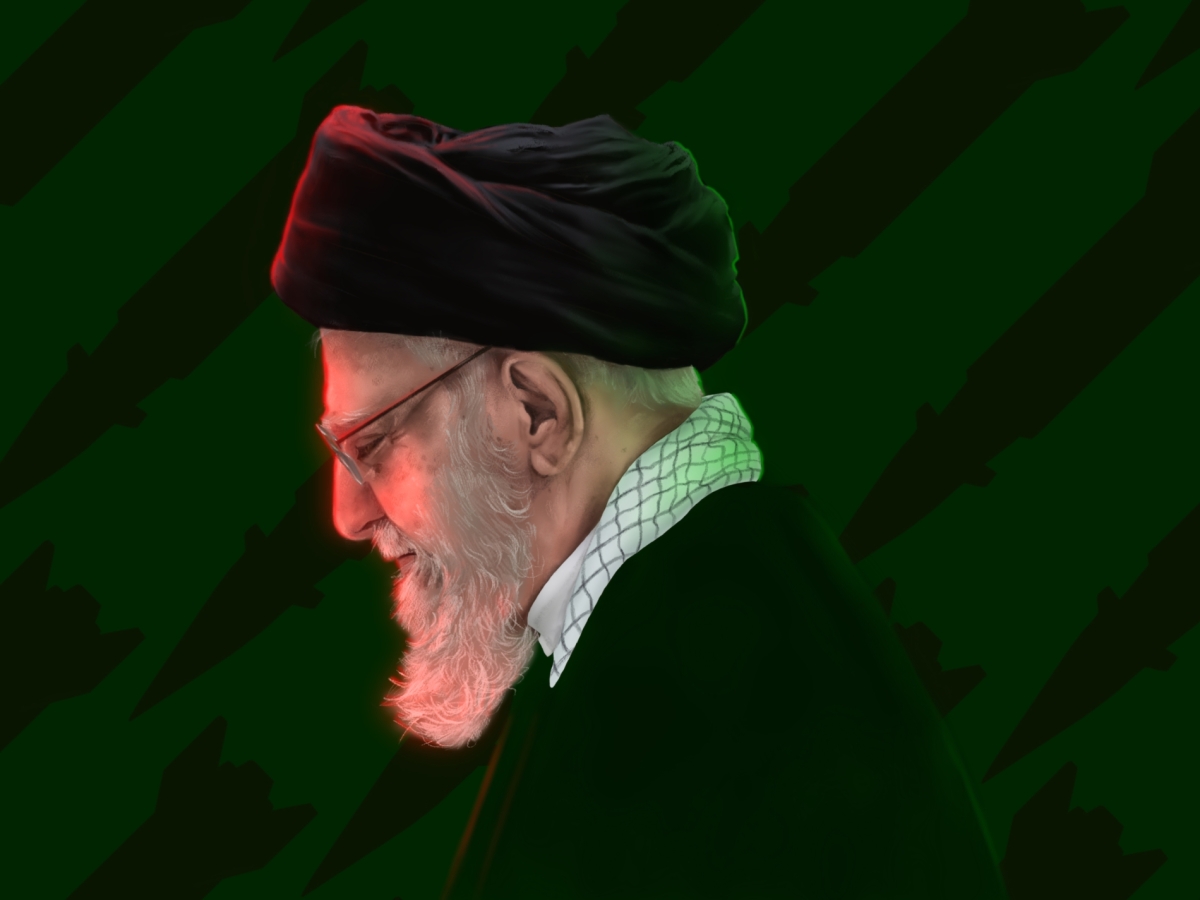

Ali Khamenei was 24 years old when he got on a plane for the first time. This should have been an exciting time, but the circumstances didn’t allow it. He was in the custody of the notorious secret police, Savak, being taken from Zahedan in southeastern Iran to Tehran, destined for the Qezelhesar prison there. It was 1 February 1964, and Khamenei had spent the holy month of Ramadan agitating in Zahedan and other cities in Iranian Baluchistan on behalf of a nascent clerical movement that was then raising its head against the Shah’s regime. His fiery speeches relied heavily on allegory and didn’t directly target the powerful Shah. But they were enough to raise suspicions and land him in jail.
Early life
Khamenei had lived a humble life. Born on 19 April 1939, he lived in a modest 70-square-meter dwelling in the holy city of Mashhad in northeastern Iran. His early years coincided with World War II and the Anglo-Soviet invasion of Iran. Both his parents hailed from illustrious clerical ancestors, descended from Prophet Mohammad. Shiite Muslims reserve charismatic qualities for the prophet’s lineage, and this gave the father and sons the right to use the title of Sayyed and to wear a black turban as clerics. Born in Najaf, Iraq, the holiest Shiite city, Khamenei’s father, Javad, had been a cleric all his life.
Despite the lofty lineage, the Khameneis were poor. The family of seven shared a small courtyard, a kitchen and only two rooms. Growing up, Khamenei's biggest wish was for a pair of sneakers to replace his clerical-style slippers. His father taught him the Quran from an early age, and Khamenei was eager to follow a clerical career.
At the age of 7, he made his first foreign trip to Iraq. His father had failed to get a passport and instead smuggled them on a boat. They spent six months touring the Shiite holy sites of Iraq, but were unable to make their way to Mecca in Saudi Arabia for the Hajj pilgrimage.
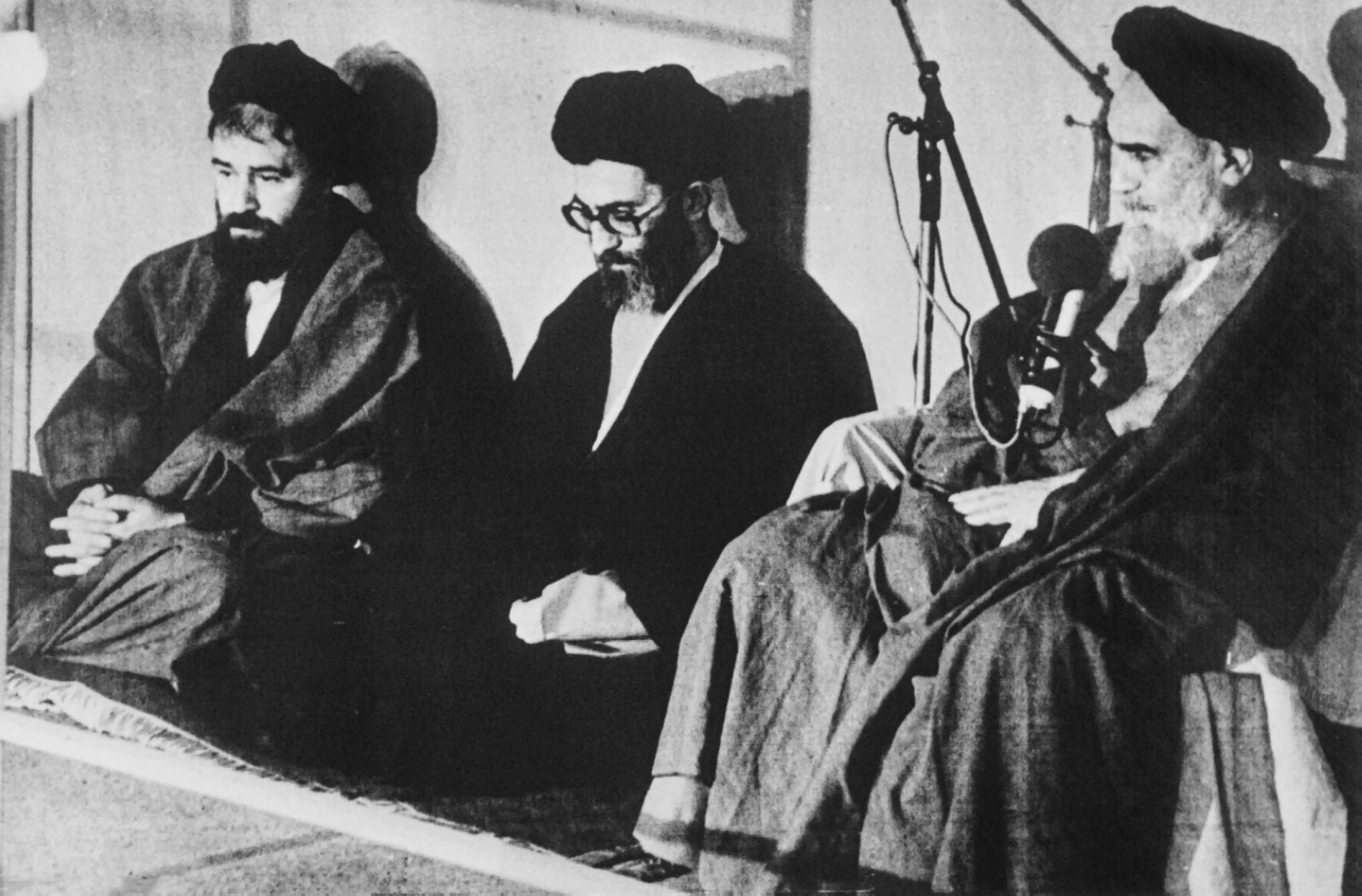
Khamenei continued to pursue his clerical ambitions. He signed up for the seminary in Mashhad, where he became a disciple of Ayatollah Hadi Milani, and later in Qom, where, in 1957, he met the man who would become an idol of his entire religious and political life: Ayatollah Ruhollah Khomeini.
Shiite clerics historically occupied a powerful place in Iran and, in modern history, they had played pivotal political roles in Iran and Iraq. But by the 1960s, much of the Shiite establishment in Iran had exchanged loyalty to the Shah for royal patronage. Even folks like Milani didn’t want to rock the boat too much.
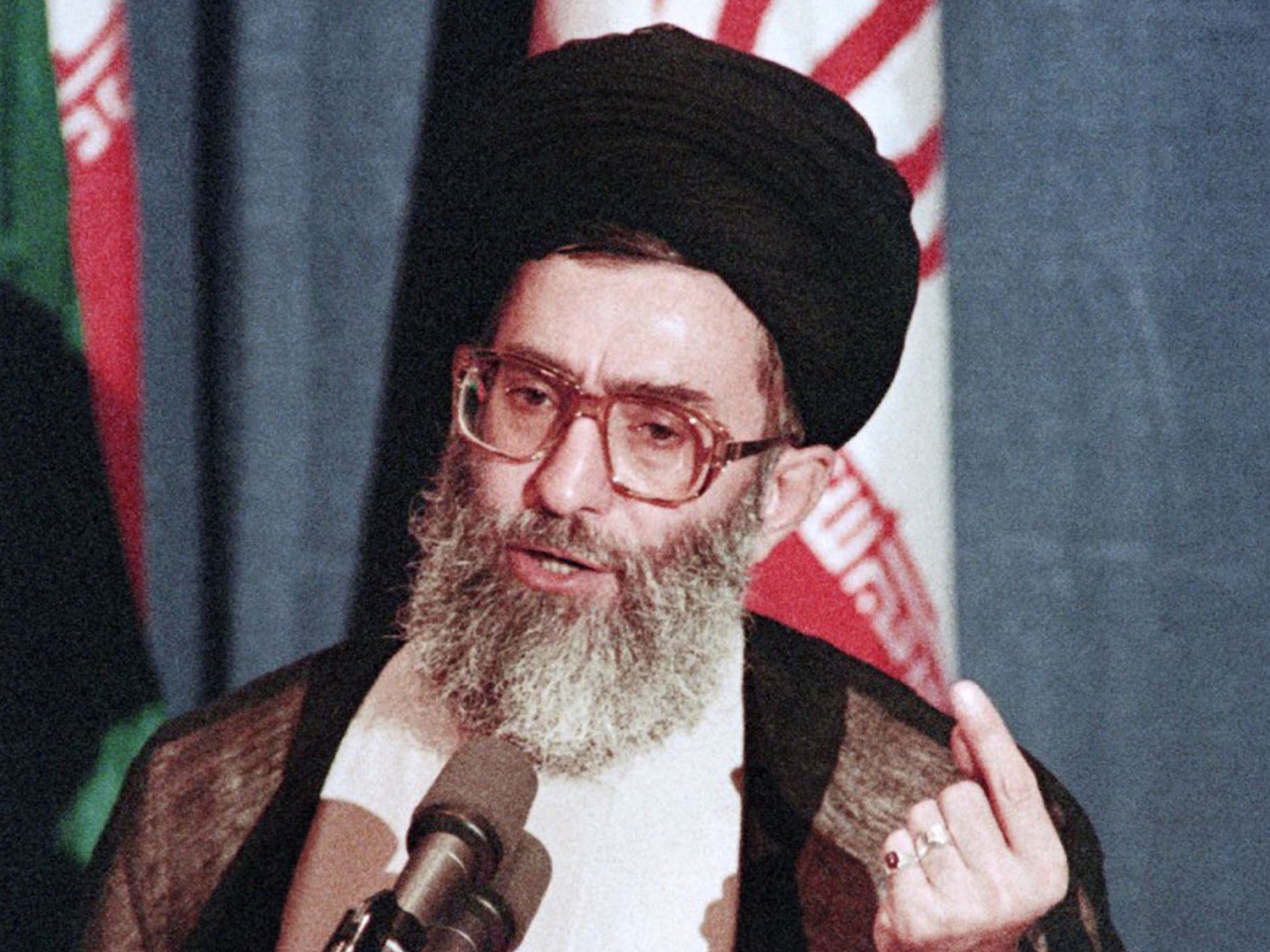
Showing sensitivity to the clerics, the Iranian monarch had sometimes taken over their priorities, persecuting Baha’is, Iran’s largest non-Muslim religious minority, in the 1950s. Partially to respect the clerics, the Shah didn’t extend full de jure diplomatic recognition to Israel despite extensive ties between the two countries. The Savak had also often been respectful in its dealings with Ayatollahs, even when investigating them. But things would change.
Radical path
Khamenei was among the first generation of clerics who joined Khomeini in his break with the Shiite quietism, choosing radical politics instead. The death of Grand Ayatollah Hossein Borujerdi—the top authority in the Shiite world at the time—in 1961 made Khomeini’s campaign easier, as Borujerdi had discouraged politicising the seminary.
His supporters would later often be embarrassed to admit it, but Khomeini’s first serious political crusade had been to oppose one particular reform by the Shah’s regime: its granting of voting rights to women in a proposed bill in 1962. The bill was initially withdrawn after Khomeini won his first campaign.
But determined to bring progress to his nation, the Shah pushed a broader package of reforms, including female suffrage, in early 1963, naming it the White Revolution. With provisions such as land reform, mass literacy campaigns and rapid rural development, it wanted to modernise Iran. Khomeini spoke in sharp opposition—especially to female suffrage—which he declared a violation of Islam.
In March 1963, the security forces stormed a seminary in Qom to suppress a gathering of the White Revolution’s opponents. The Shah was crossing a red line, breaking the traditional sanctity of the clerics. Khamenei remembered being confronted by security forces who had beaten up the clerics, forcing them at gunpoint to shout 'Javid Shah, Long Live the King'. Little did he know that at the twilight of his rule, when Iranian protesters came out in their millions against him in January 2026, they’d use the chant, showing nostalgia for the monarchy.
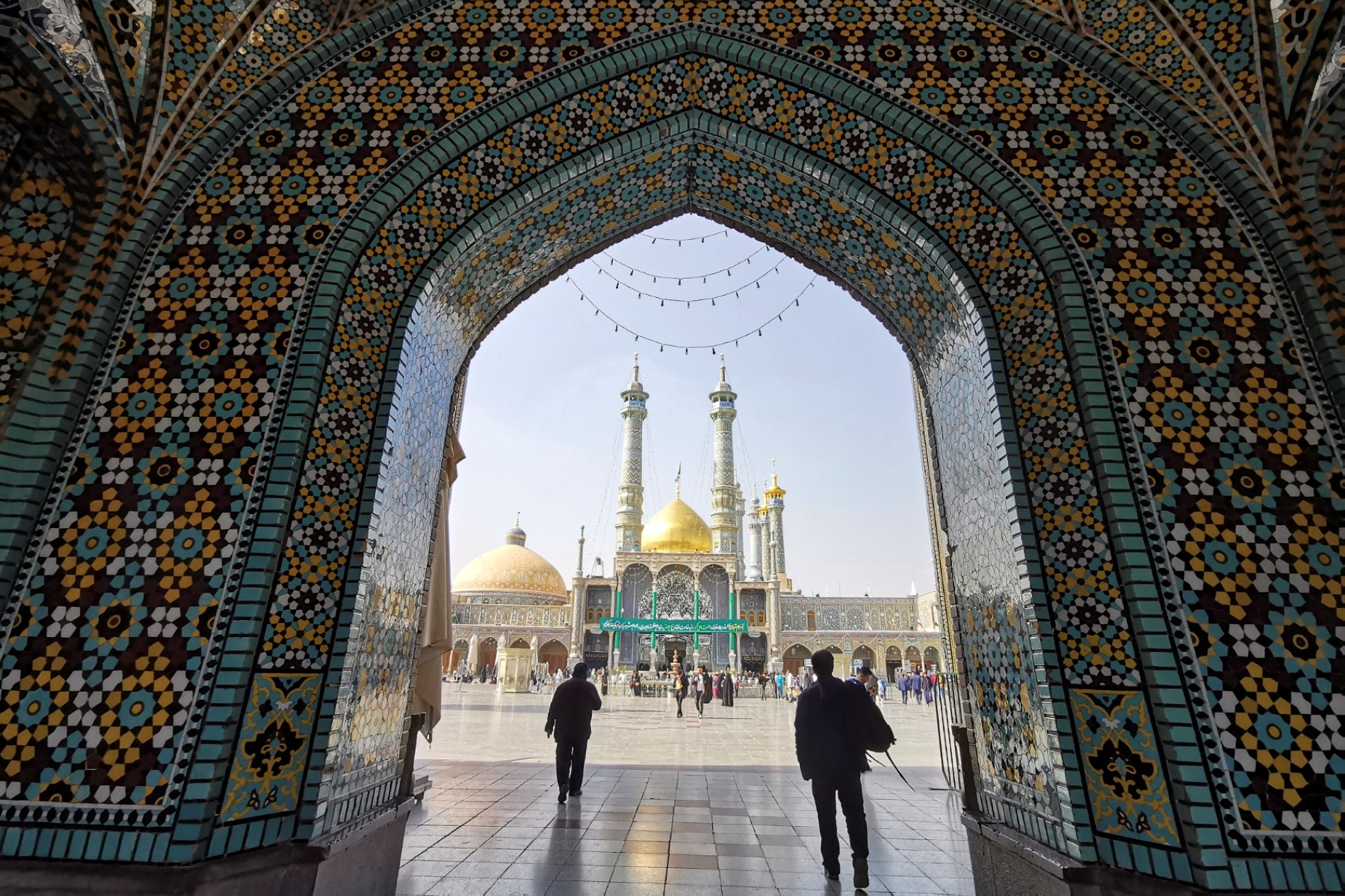
The Shah would soon speak of an unholy alliance of the Red and Black reaction, communists and Islamists threatening his rule. It wasn’t entirely imaginary. Although many in the Soviet Union and Iran’s communist party, the Tudeh, had a somewhat positive view of the White Revolution and were sceptical of the clerical movement, younger Iranian leftists were ready to ally with Islamists against the Shah. It was the zeitgeist of the 1960s to rebel against the establishment everywhere "by any means necessary."
While Khamenei was in prison, a broad coalition was forming against the Shah. Some of his cellmates were Iranian-Arab separatists from the southwestern province of Khuzestan. As a trained Shiite cleric, Khamenei spoke a grammatically correct, if wooden, standard Arabic, and he’d converse with them in their mother tongue. He mourned them when a few were executed. He also struck up a friendship with an Iranian-Armenian communist.
When Khamenei was released, he visited his friend's wife to inform her of his whereabouts and condition. This surprised the young Armenian woman, who had never imagined a cleric paying them a house call.
Avid reader
Khamenei was exemplary of the 60s revolt, which encompassed both Islamists and socialists. He fancied himself an intellectual and, unlike many mullahs of the past, didn’t limit himself to Islamic knowledge. A bookworm since his teen years, where he had rented Western novels with his meagre pocket money, he’d remain an avid reader and literature lover, counting Victor Hugo, Zaharia Stancu and Mikhail Sholokhov amongst his favourites. He smoked a pipe and wrote his own poetry.
Islamists and leftists disagreed on many things but also had common causes: fighting against the Shah’s regime, the United States (which had firmed him up in place in a CIA-backed coup in 1953), the Soviet Union (which many leftists condemned as ‘social-imperialist’) and Israel which had worked closely with Iran to catch the Arab separatists he had met at Qezelhesar.
Some of Khamenei's fellow Islamists sympathised with Gamal Abdel Nasser, the legendary socialist president of Egypt—who had broken off diplomatic ties with Iran in 1960 over its recognition of Israel. Abdel Nasser funded and trained some Iranian leftists and Islamists, including the charismatic Ali Shariati—a fellow Mashhadi who had also been in Qezelhesar with Khamenei.
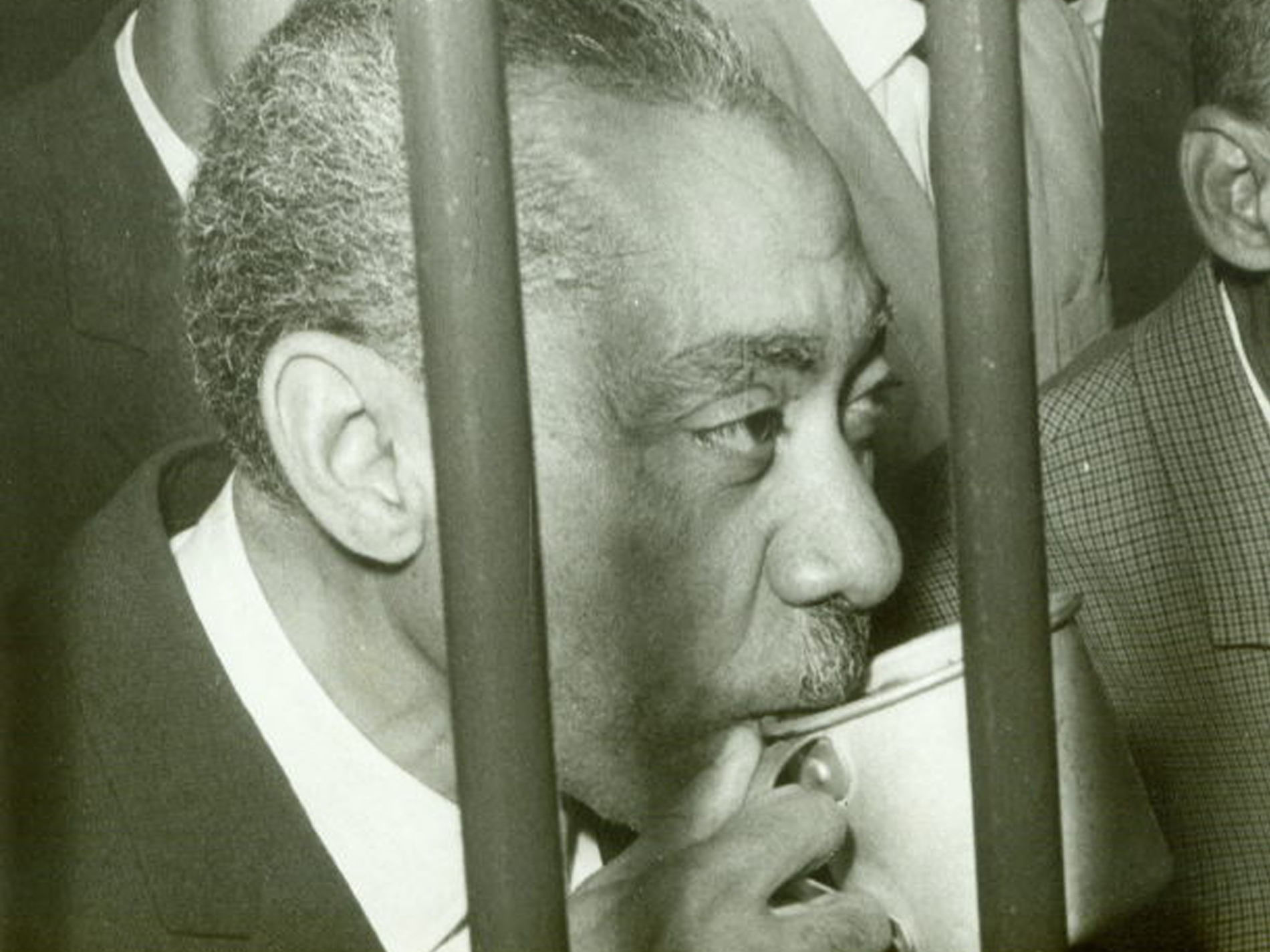
However, Khamenei sided with Abdel Nasser’s arch-enemy in Egypt, Sayyid Qutb, a Muslim Brotherhood leader who became known as the spiritual father of jihadism, paving a path that led all the way to Al Qaeda. Khamenei translated Qutb’s work into Persian.
The long years of struggle sometimes felt hopeless. Many of the Shah’s opponents picked armed struggle as their theory of change, receiving training and support from a myriad of global revolutionaries such as Mao’s China, Castro’s Cuba and Palestinian militant groups whose camps in Syria, Lebanon and Jordan became a hub for Iranians. But the wind seemed to blow in the Shah’s favour.
From the late 1960s onward, Iran experienced double-digit economic growth and favourable diplomatic relations with most countries in the region and around the world. Egypt re-established diplomatic ties in 1970, weeks before President Abdel Nasser died, and his successor, Anwar Sadat, later became the Shah’s best friend.
Iran enjoyed economic ties not just with Western countries but also with the Soviet Union and China. The buoyed Savak and security forces crushed the armed groups, challenging them. But the revolutionary undercurrents persisted, and an extraordinary constellation of circumstances culminated in the 1978-79 revolution, which brought down the Shah’s regime.
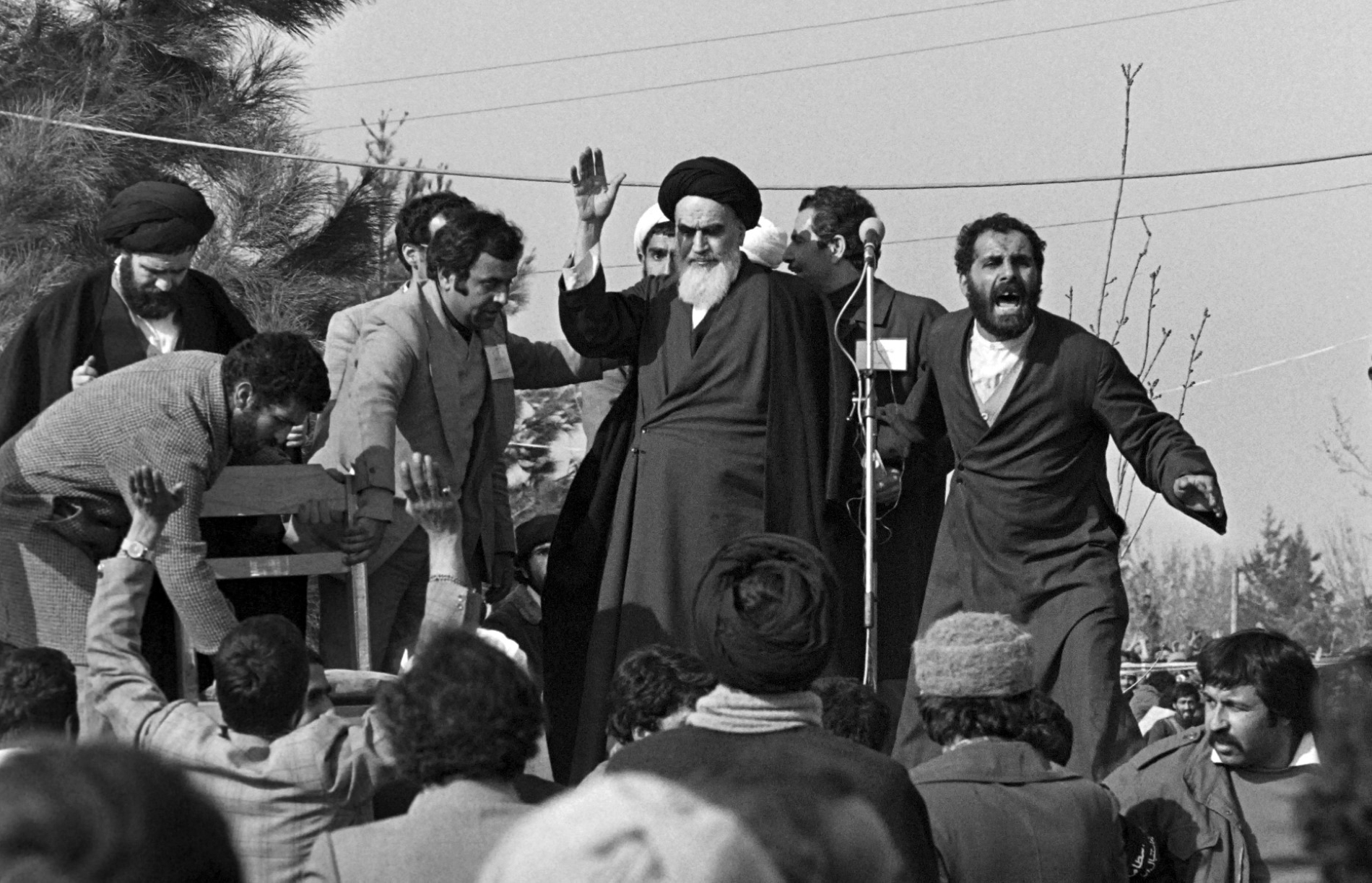
All those years, clerics had continued their mass work of organising amongst the people. Their leader, Ayatollah Khomeini, had been exiled in 1964, first to Türkiye, then to Iraq and finally to France. He emerged as a leading light among the Shah’s opponents, his almost otherworldly spiritual confidence inspiring them enough to overlook his reactionary programme. This opponent of female suffrage became a Gandhi to those who hoped he’d be a figurehead in dislodging the regime.