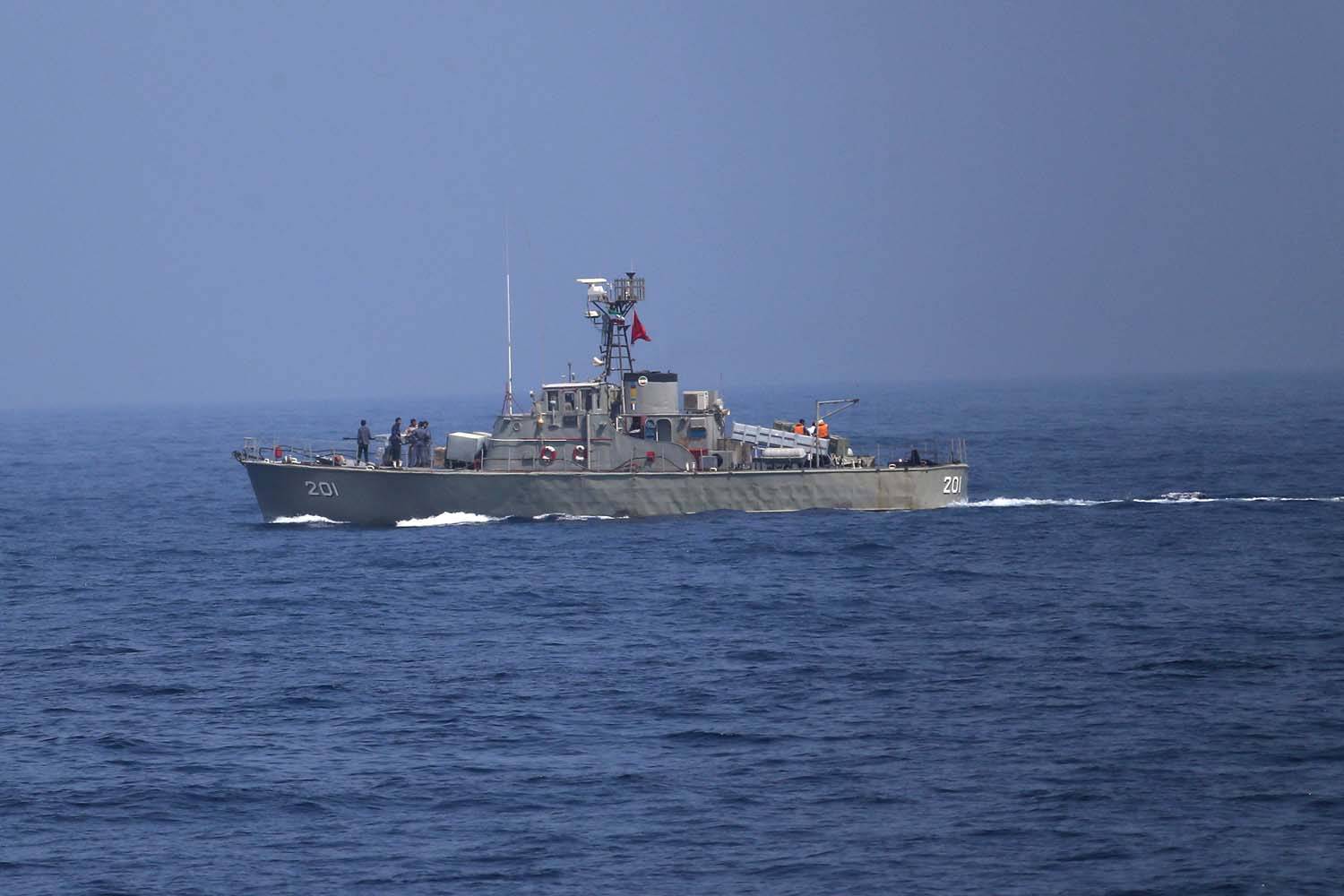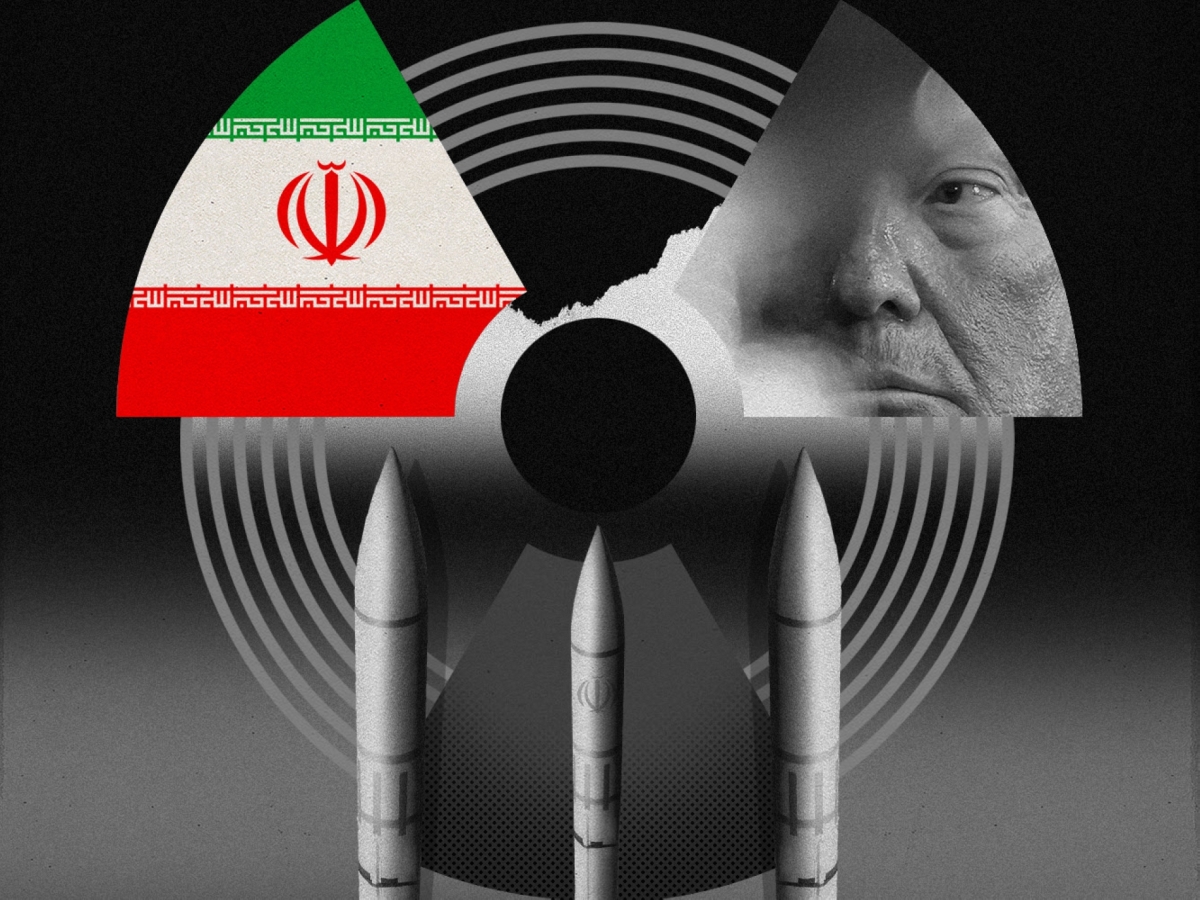

With the outbreak of the US and Israeli war on Iran, the global economy braces for a stress test shaped by energy security and the resilience of supply chains. At the centre of this picture is the Strait of Hormuz, the world’s energy lifeline. Roughly one-fifth of global oil consumption passes through it each day, along with roughly a third of seaborne liquefied natural gas trade.
At this point, the danger is no longer theoretical. Any real disruption, or even a limited disturbance to shipping, could drive oil prices sharply upward within days, raise freight, insurance and security costs, and rekindle an inflationary wave in economies that have yet to complete their recovery.
Three scenarios
Iran retaliated after being hit by a string of devastating blows that observers called the most severe since the birth of the Islamic Republic in 1979. What happens next is anyone's guess, but there are a few different possible scenarios.
The least costly scenario is that the Iranian regime collapses from within. Especially ahead of midterm elections, US President Donald Trump will not want a long war that could push oil prices to the $100-per-barrel mark (it is already nearing $80). That could have a reverberating effect on the global economy, sending inflation sky high and exacerbating American debt, estimated at $36tn.
The Organisation of the Petroleum Exporting Countries (OPEC) and its allies, including Russia (OPEC+), are considering a major output boost at a 1 March meeting, potentially surpassing the slated 411,000 barrels per day (bbl/d) increase. Reuters reports that the group is moving to stabilise the market, with Saudi Arabia and the United Arab Emirates (UAE) already ramping up exports after the US weekend strikes on Iran.