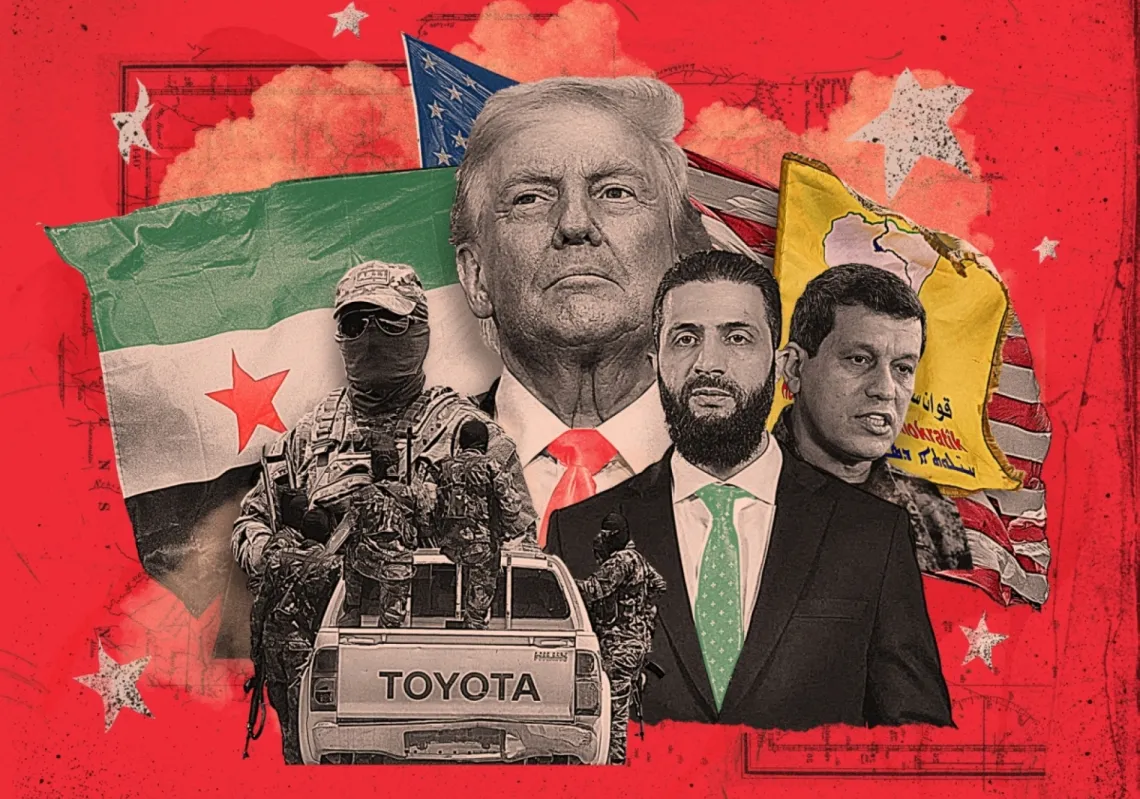
Despite having signed an agreement to integrate into the Syrian state, its leaders attended a key security conference in Germany as a separate delegation from Damascus, in a move that unnerves Türkiye
@USAMBTurkiye via X
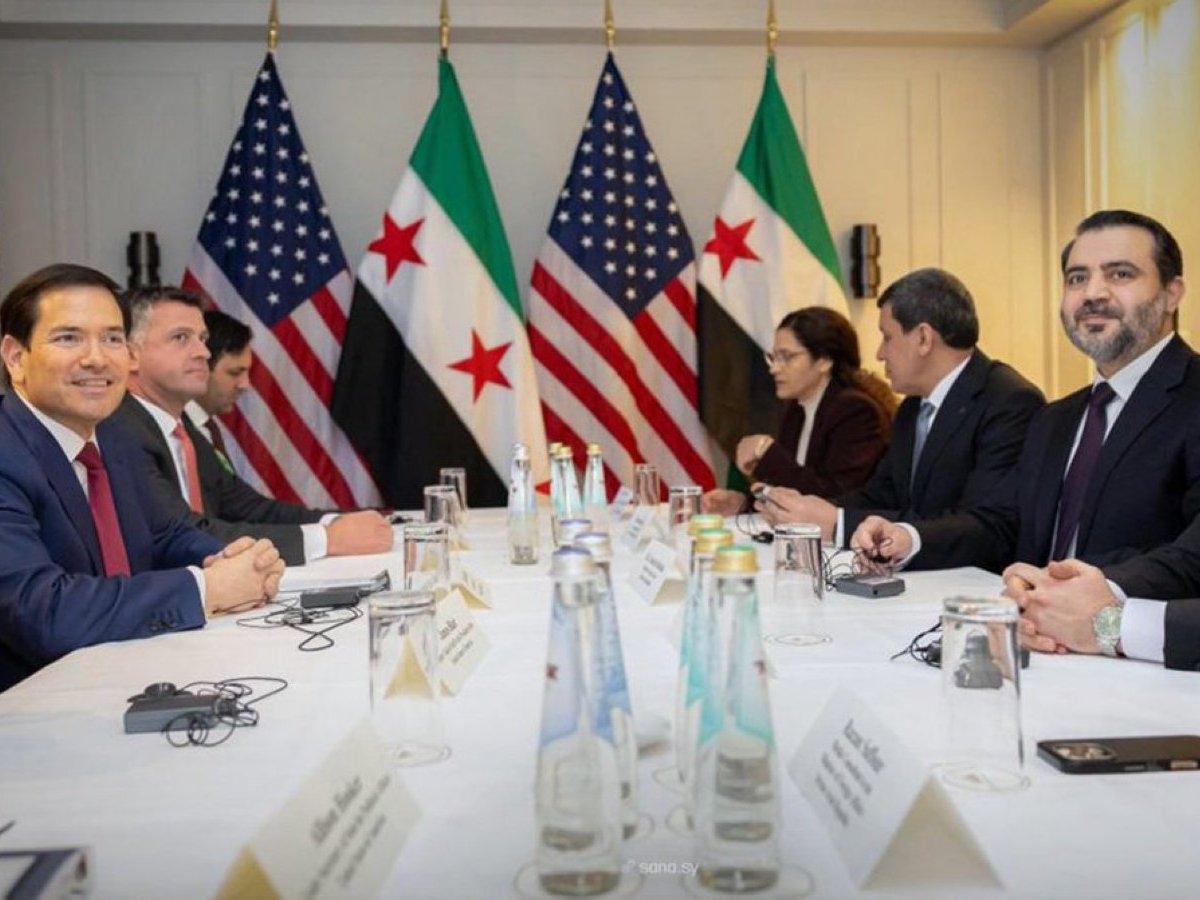
US Secretary of State Marco Rubio with Syrian Foreign Minister Asaad al-Shaibani and SDF Commander Mazloum Abdi
At the recently concluded 2026 Munich Security Conference, the issue of Syria’s Kurds dominated discussions about the Middle East. The leader of the Kurdish-led Syrian Democratic Forces (SDF), Mazlum Abdi and head of the SDF Foreign Relations Department, Ilham Ahmed, were in attendance in Munich, along with Nechirvan Barzani, President of the Kurdish Administration of Northern Iraq.
SDF representatives met with key Western officials on the sidelines of the conference, including US Secretary of State Marco Rubio, US Senator Lindsey Graham, French President Emanuel Macron, and German Foreign Minister Johann Wadephul. During his address, Macron described Abdi and the SDF as “freedom fighters,” and his calls for support aligned with the European Parliament’s resolution, adopted on 12 February, which reaffirmed its support for the protection and full recognition of the civil and educational rights of Syrian Kurds.
Abdi also met with Rubio and Syrian Foreign Minister Asaad al-Shaibani, although details of that meeting were not disclosed. For his part, US Envoy to Syria Tom Barrack posted a picture of the meeting on X, captioning it: “a picture worth a thousand words—a new beginning."
While Abdi and Ilham Ahmed didn’t come to Munich as part of a united Syrian delegation, they sat together at meetings with Rubio, US Senators and Saudi Foreign Minister Faisal bin Farhan.
For its part, Ankara has refrained from officially commenting on Abdi's presence in Munich, but the Turkish press has been critical of it. Türkiye considers the SDF an extension of the PKK in Syria, which it deems a terrorist organisation. Meanwhile, İbrahim Kalın, head of the Turkish Intelligence Organisation, was in Munich and is rumoured to have met Abdi in secret. Although there hasn’t been any credible reporting to confirm this, it cannot be ruled out.
Ankara has refrained from officially commenting on Abdi's presence in Munich, but the Turkish press has been critical of it
From partner to liability
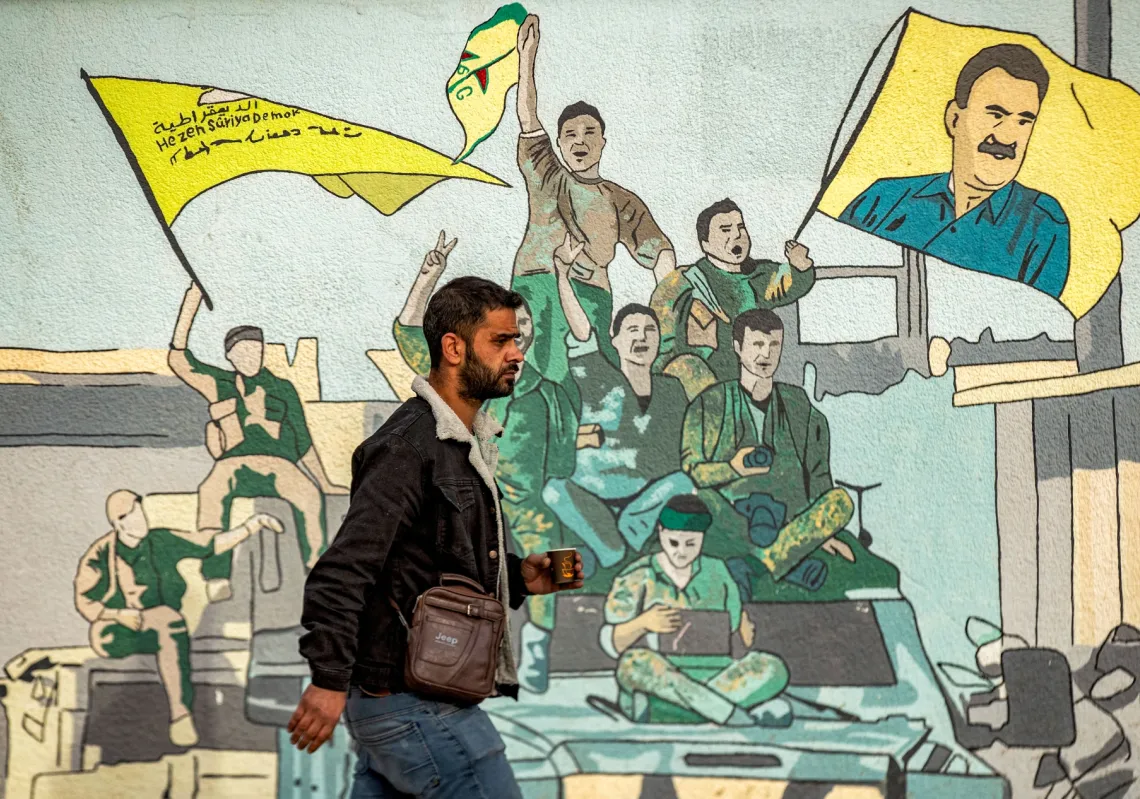
Syria's Kurds enjoyed American and Western backing throughout the Syrian civil war, which began in 2011 and lasted approximately a decade. In the span of a few years, the SDF—partners to the anti-Islamic State (IS) coalition—took control of almost one third of Syria, including Arab heartland areas such as Deir ez-Zor and Raqqa, together with oil fields, border crossings, dams, waterways and agricultural areas.
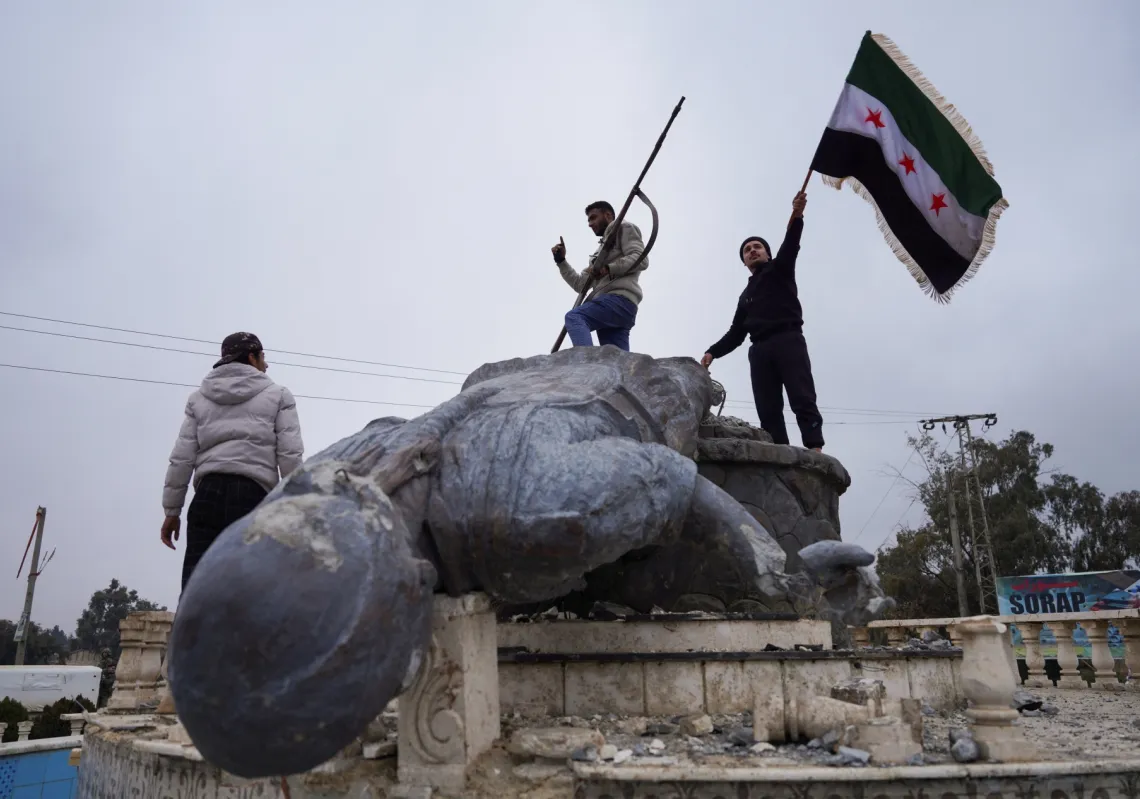
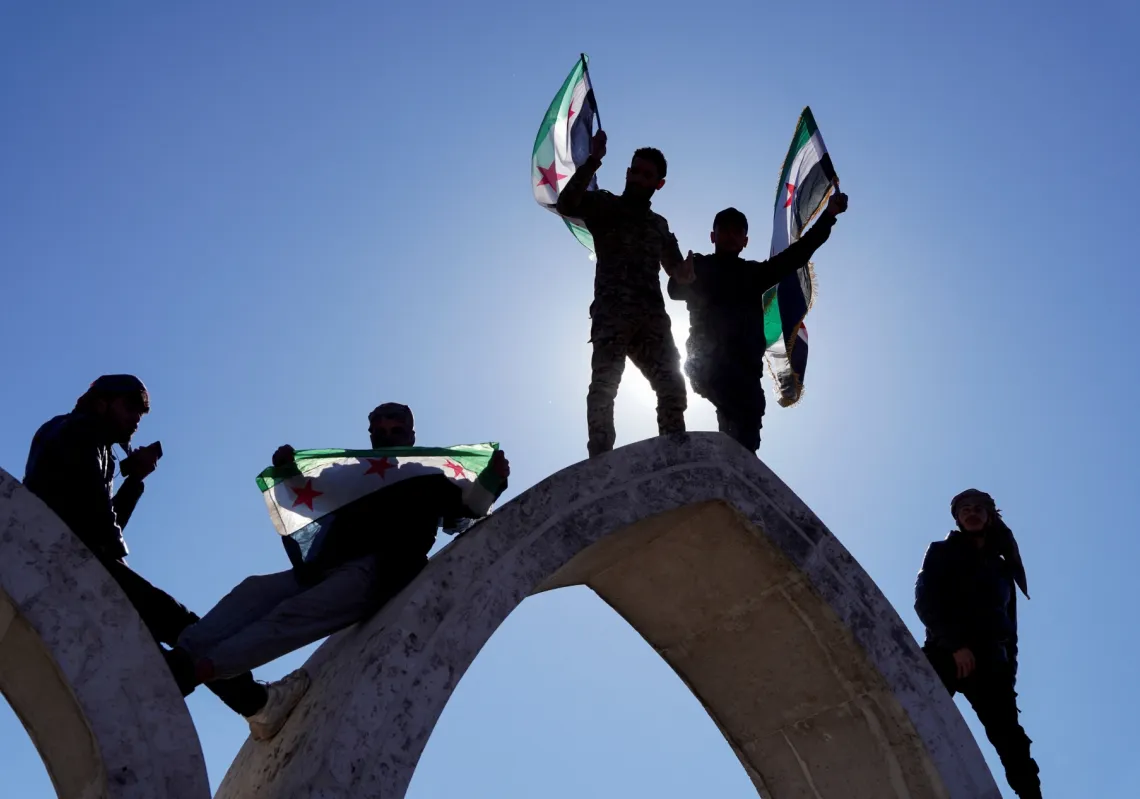
However, in January of this year, Syrian government forces launched a swift offensive against the SDF, effectively changing the political and military map of Syria. The group suffered a territorial setback, losing 80% of the territory it had controlled. Financially, it lost control of the oil fields of northeastern Syria, its main source of income. And in terms of manpower, it lost thousands of fighters in its ranks after Arab tribes defected.
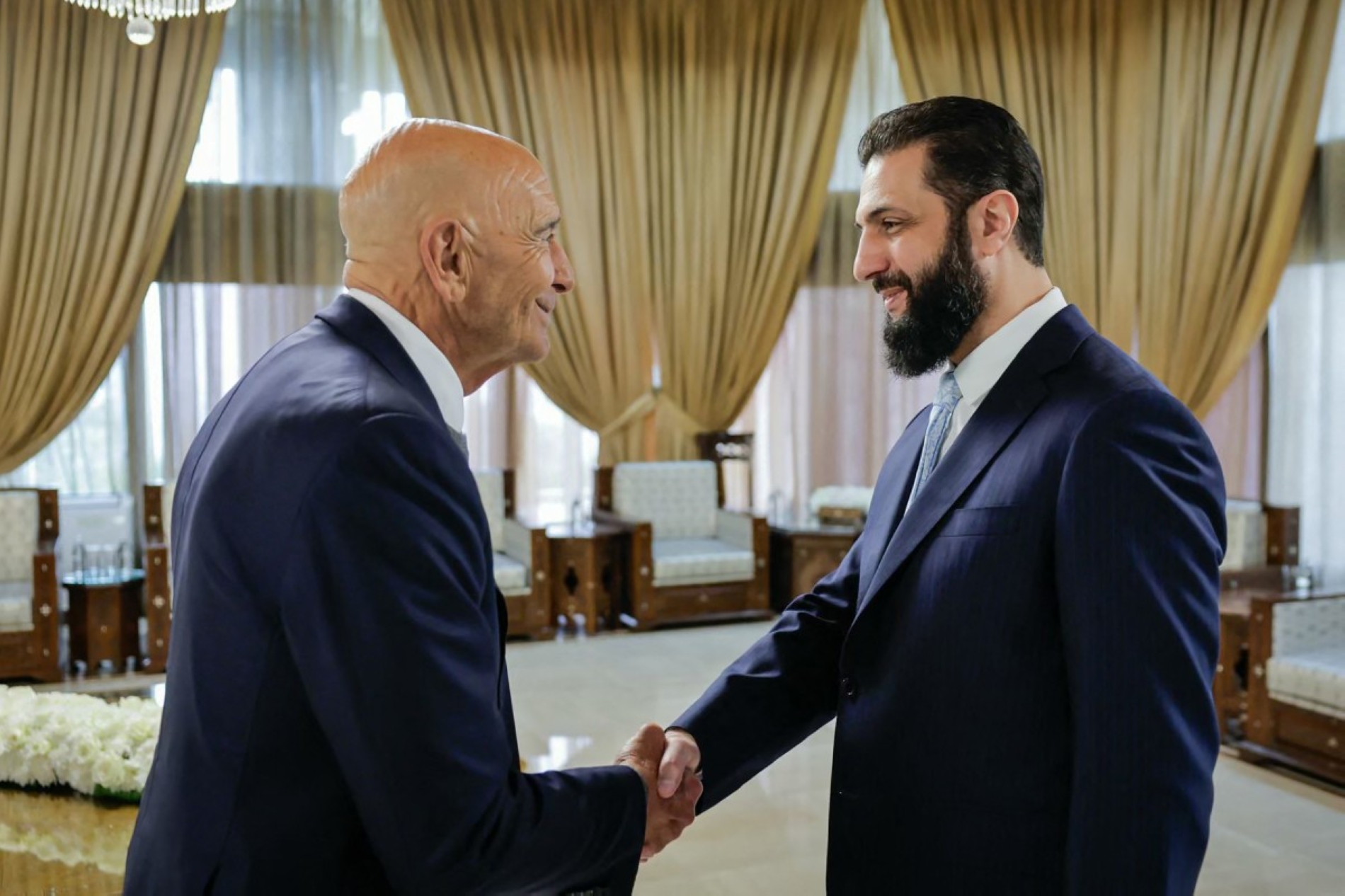
Syria's President Ahmed al-Sharaa shakes hands with US envoy Tom Barrack at the Presidential Palacein Damascus on 18 January 2026.
But perhaps the most stinging blow was political—it lost its preferred partner status it long enjoyed in Washington as the US threw its backing behind the new central government in Damascus, led by Syrian President Ahmed al-Sharaa.
The abandonment of the Kurds has been a common staple of US/Western foreign policy in the past century. The latest switch made by Trump ends a nearly ten-year run, during which Syrian Kurds enjoyed relative autonomy in northeastern Syria. But in January, Barrack reportedly delivered a blunt message to Abdi during talks in Erbil, where he said the US would "not fire a single bullet" to help them in their fight with Damascus, ultimately forcing the SDF into agreeing to the 30 January agreement, which entails its integration into Syrian state institutions.
But while Syrian Kurds are down, they are still not quite out. A strong pro-Kurdish lobby in Washington, as well as pro-Israel groups, have been busy meeting with members of Congress—chief among them Senator Lindsey Graham—pushing for a recalibration of Trump's policy towards the SDF. They were successful in influencing Vice President JD Vance, who, in turn, caught the ear of Trump, to water down the 30 January agreement from the 18 January agreement, which had required more concessions from the SDF.
And while on the surface it appears that the SDF came out of the agreement as the biggest loser, a closer look paints a different picture. First, Kurds are now officially recognised as a party to be reckoned with, and the notion of Kurdish areas is explicitly referenced in writing, i.e. the governor of Al Hasakah is Kurdish, so it can be inferred that Al Hasakah is now considered a "Kurdish area" even though Arabs form the majority there.
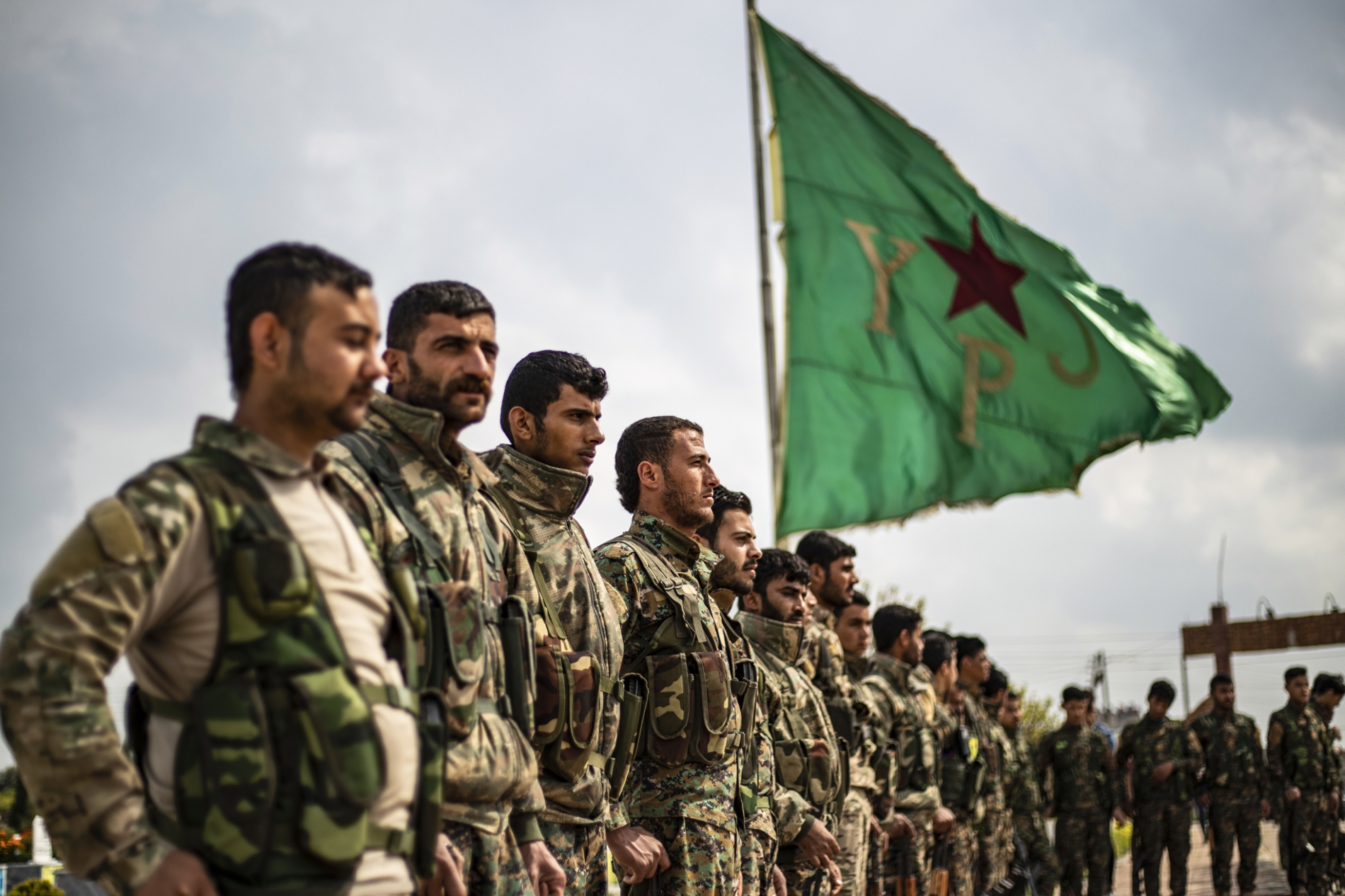
SDF soldiers attend a funeral of a soldier who was killed the previous week in the eastern Deir ez-Zor province, in the northeastern Syrian Kurdish-majority city of Qamishli.
Secondly, four brigades of the Syrian army are comprised entirely of SDF militants, with their own weapons and commanders, and all four are deployed in Kurdish-controlled areas in Derik, Qamishli, Al Hasakah, and Kobane/Ain al- Arab. And lastly, Kurdish is now officially recognised as a national language.
All of the above suggest a similar arrangement to that in Iraq, even though, in terms of ethnic homogeneity and a unified, contiguous Kurdish region, the case in Syria differs.
Türkiye is a key stakeholder in Syria, having lived through the consequences of power vacuums throughout the civil war. It wants a stable and secure Syria, with a central government able to protect its borders and territories against terror organisations. It has long maintained that the SDF should be disbanded and disarmed, and it has been able to use its influence with Damascus to significantly clip the group's wings.
Ankara has accepted the notion of SDF integration into the Syrian army, on the condition that it be on an individual, not a collective, basis. It has also insisted that non-Syrian members of the group leave the country. While the latter has been implemented, with the departure of around 1,000 non-Syrian militants from Syria to northern Iraq, it appears its condition for SDF integration has not been met, although it hasn't issued any public complaints yet.
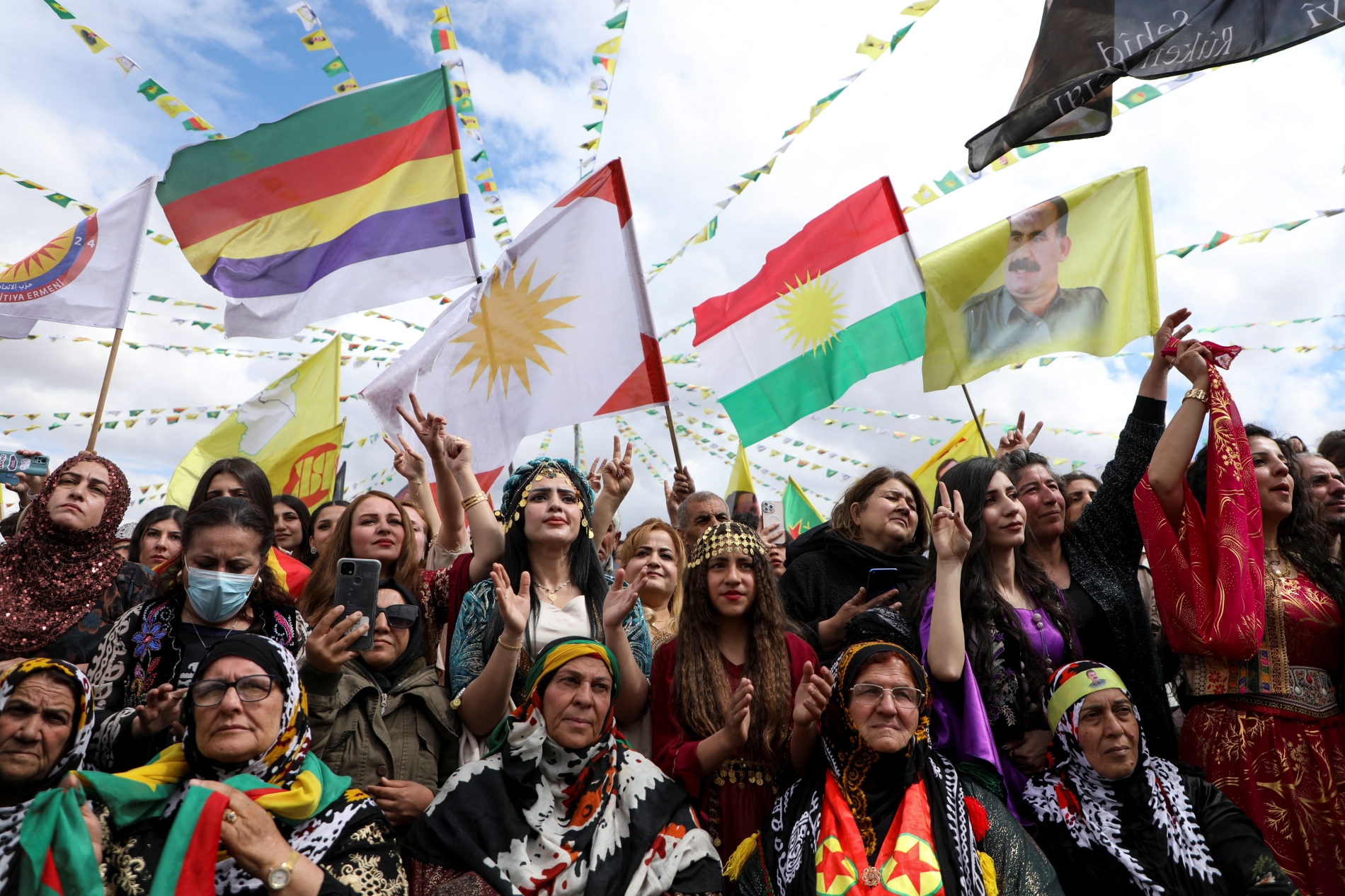
Syrian Kurds celebrate the spring festival of Nowruz in Qamishli, Syria, on 21 March 2025.
Future points of contention
Different interpretations between Damascus and the SDF of what was agreed could obstruct the deal's further implementation. For his part, Abdi says the differences are over terminology, not substance. But how the agreement will be enshrined in a new Syrian constitution could lead to future quarrels. For their part, Abdi and Ilham Ahmed want Decree No. 13 on Kurdish education and cultural rights incorporated into the constitution, as well as the integration of the Autonomous Administration into the Syrian state. In a recent interview, Abdi referenced "four parts of Kurdistan"—Syria, Türkiye, Iraq and Iran—and "the need for Kurds to be unified and have joint authority", statements that surely alarm Türkiye and other regional states.
Granting Kurds cultural privileges also poses a problem, given that other ethnic and religious minorities—Druze, Alawites, Turkmen and Christians—might try to seek the same, which could pose another massive headache to Damascus. It is currently laser-focused on piecing the war-torn country back together, pulling it out of economic hardship, and rebuilding destroyed infrastructure. But these tasks will be impossible to address until the issue of Syrian minorities is resolved. The challenge for President Ahmed al-Sharaa will be how to manage minorities, his own supporters, and third countries simultaneously.