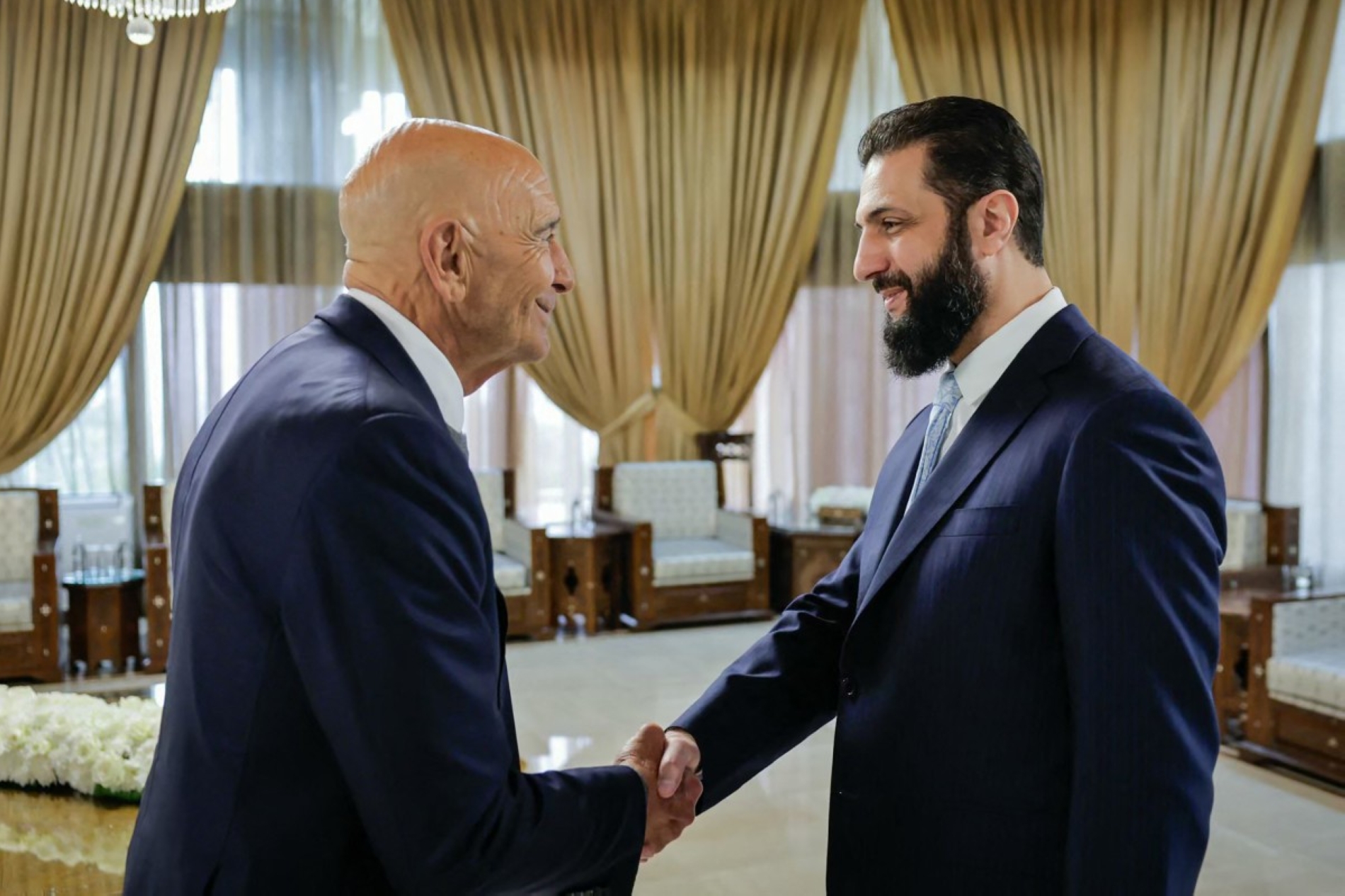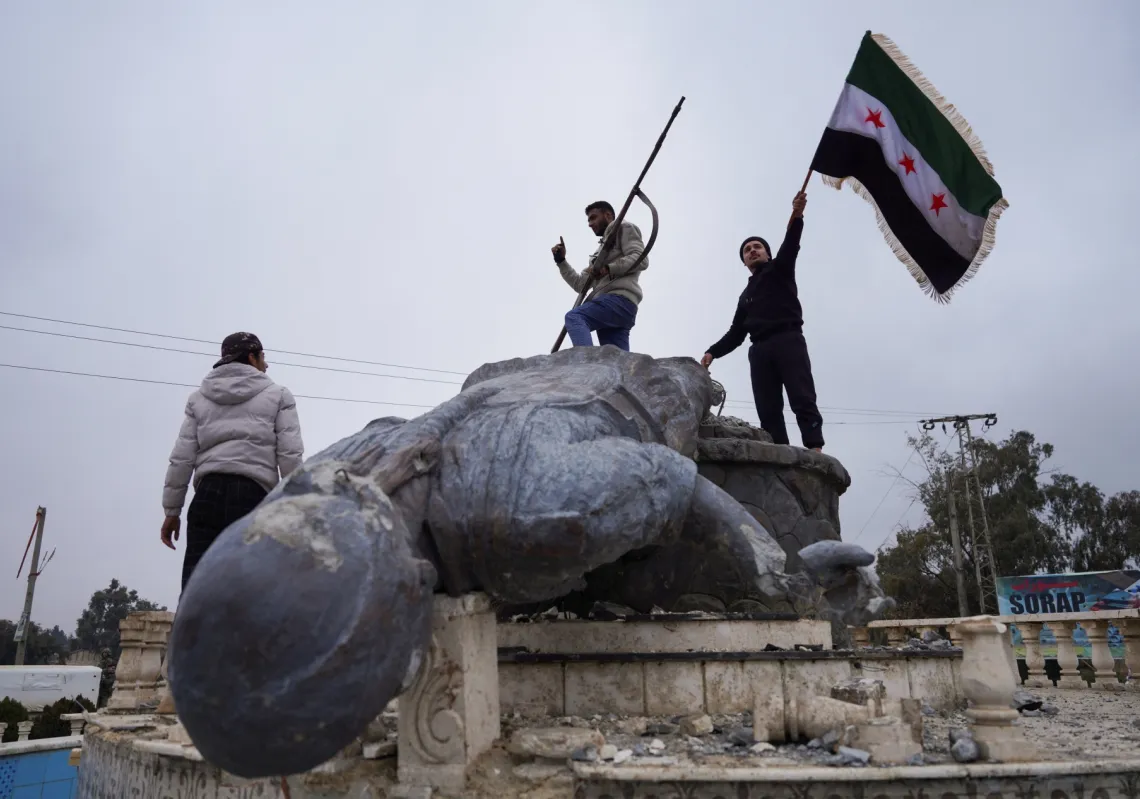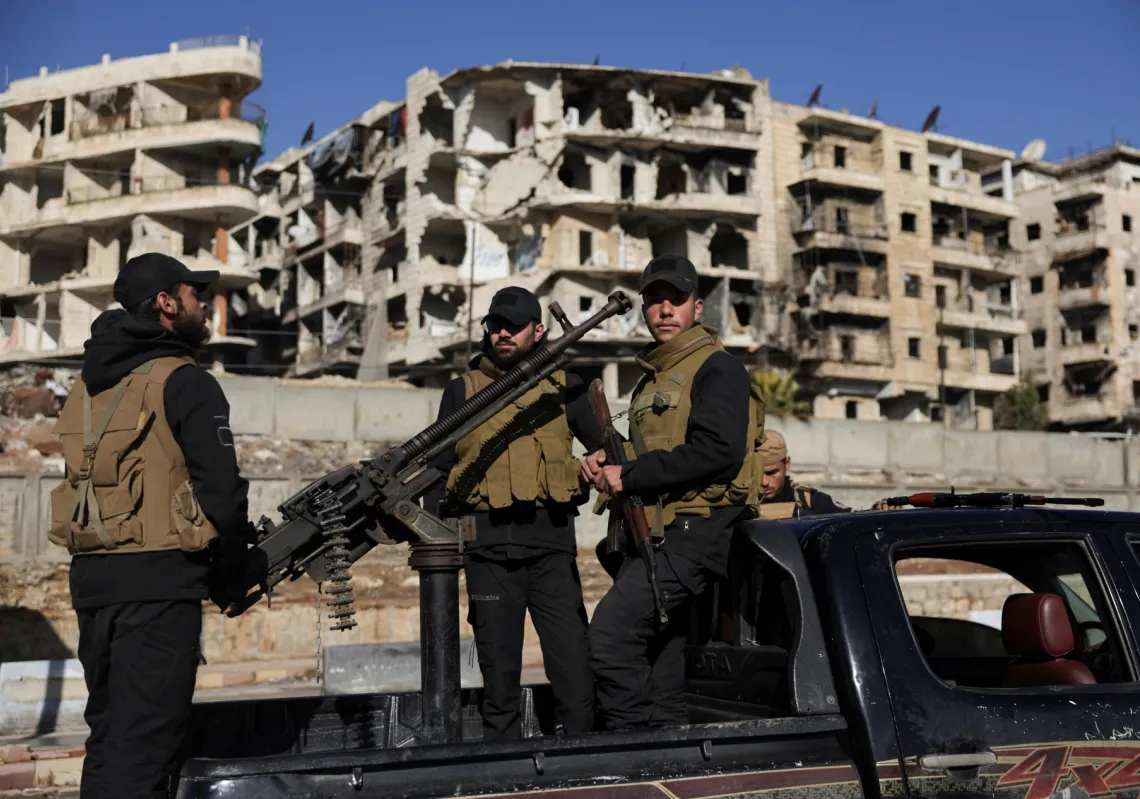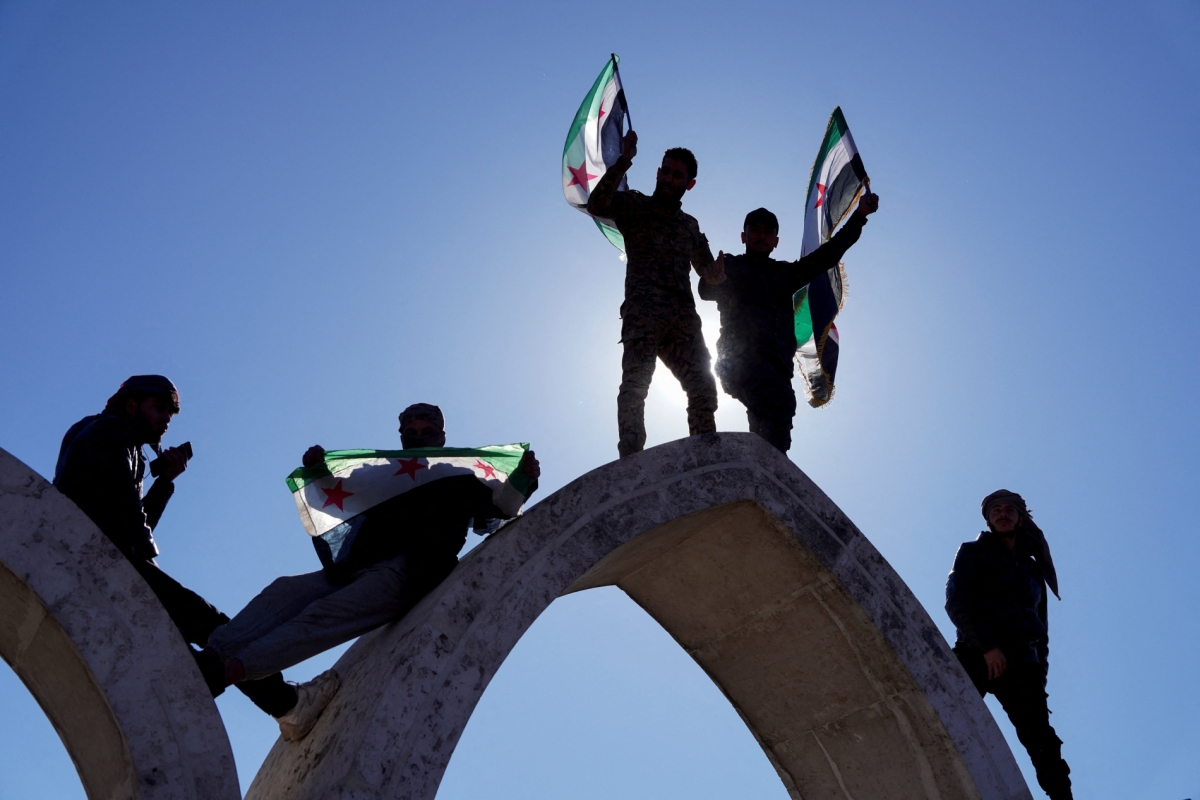

The resumption of negotiations between Israel and Syria in Paris earlier this month didn't capture a lot of Israeli media attention at the time, but the issue has returned to the headlines in recent days, after the Syrian army's gains against the Syrian Democratic Forces and an agreement was reached for the SDF to integrate into Syria's institutions. Since then, Israeli media have been harping on al-Sharaa's jihadist past and questioning his intentions and ability to accommodate Israel’s security interests.
As things stand now, there are four important observations that I can draw:
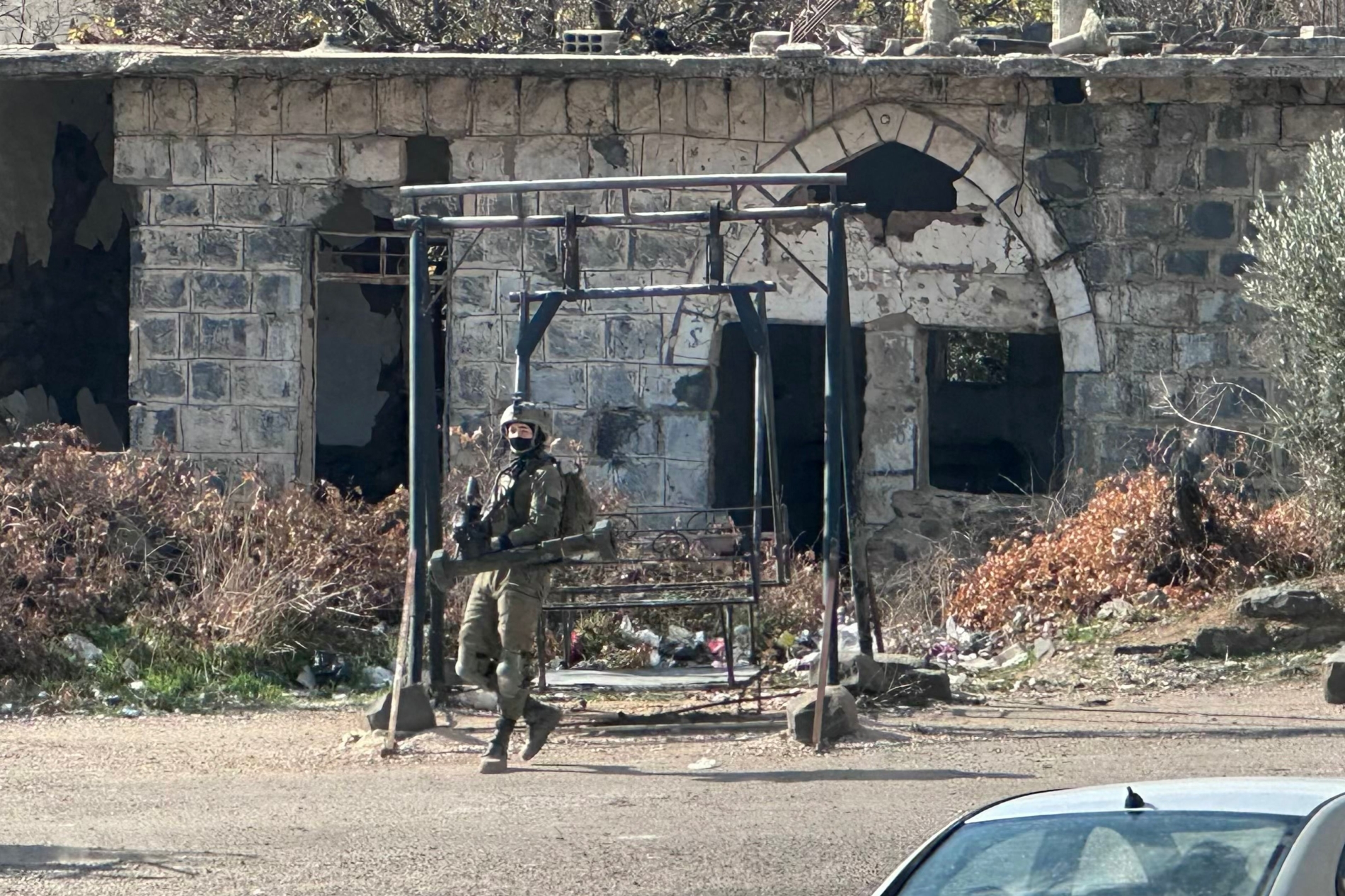
1. Israel's suspicion toward the Syrian government has significantly intensified, particularly regarding the risks to vital Israeli interests should Israel withdraw from the territories it took control of on the Golan Heights after the collapse of Assad’s regime.
2. The ceasefire between the Syrian government and the Kurds has received substantial attention, with emphasis on the “defeat of the Kurds” and its implications for Israel on the one hand and for Türkiye on the other. The latter is portrayed as the main beneficiary. Israeli military sources are stressing their concern over an excessively deep Israeli withdrawal from southern Syria, both in terms of preventing arms smuggling, including to Hezbollah, and out of fear of a renewed presence of radical Islamist actors in areas where the new government does not exercise full control.
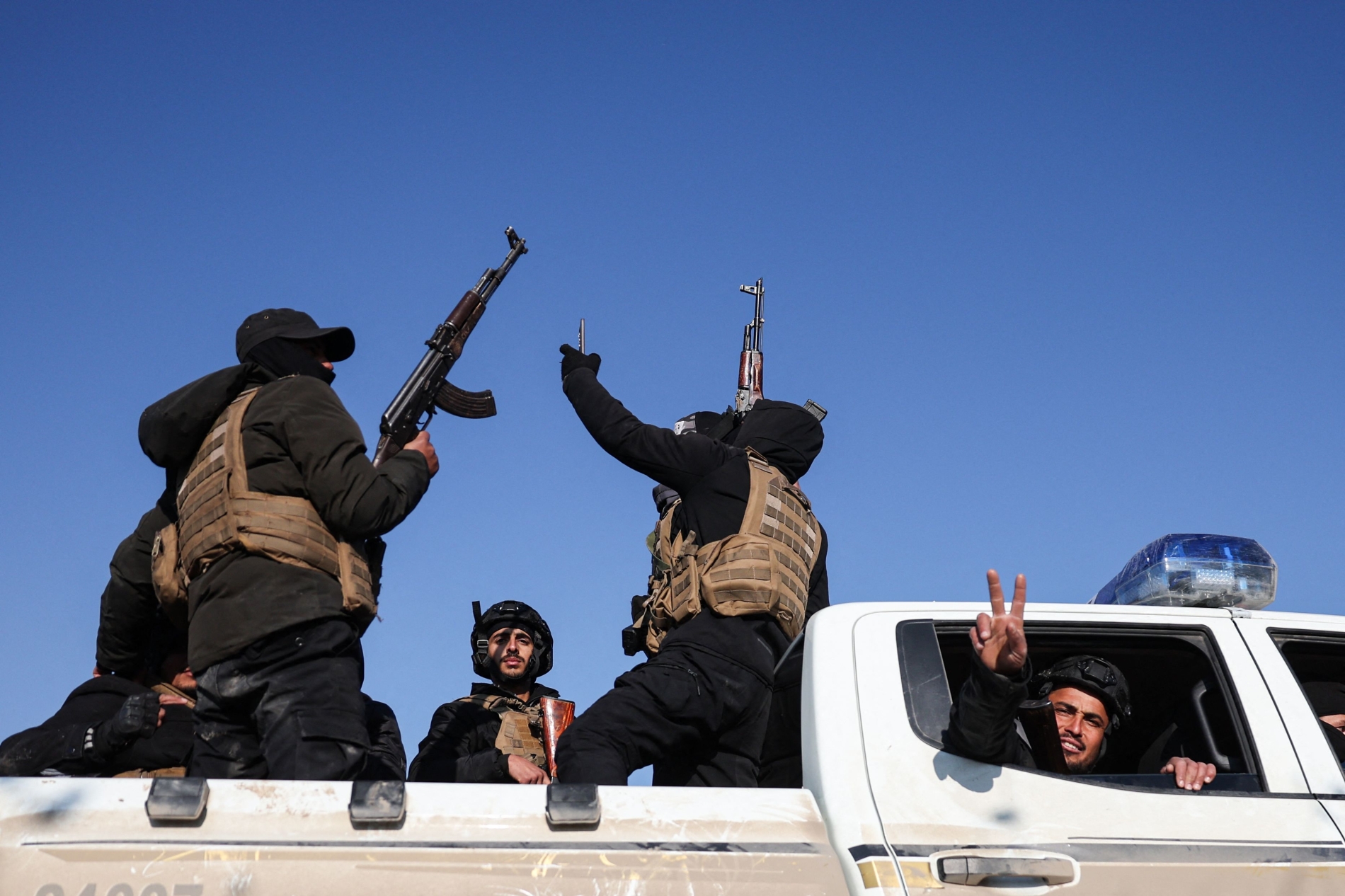
3. In light of the outcome of the confrontation between the Syrian government and the Kurds, fears have also been expressed that the Israeli government might agree to relinquish influence over the protection of the Druze community.
4. An important nuance concerns the gap, as presented in the media, between the security establishment in Israel and the political leadership. The military, it is reported, seeks to maintain wider security margins and is wary of another surprise emanating from the Syrian border.