Why Syrian army gains against the SDF unnerve Israel

Israeli media have painted the “defeat of the Kurds” as a win for Türkiye, while Israel's military worries that this may carry negative implications for its presence in the Golan

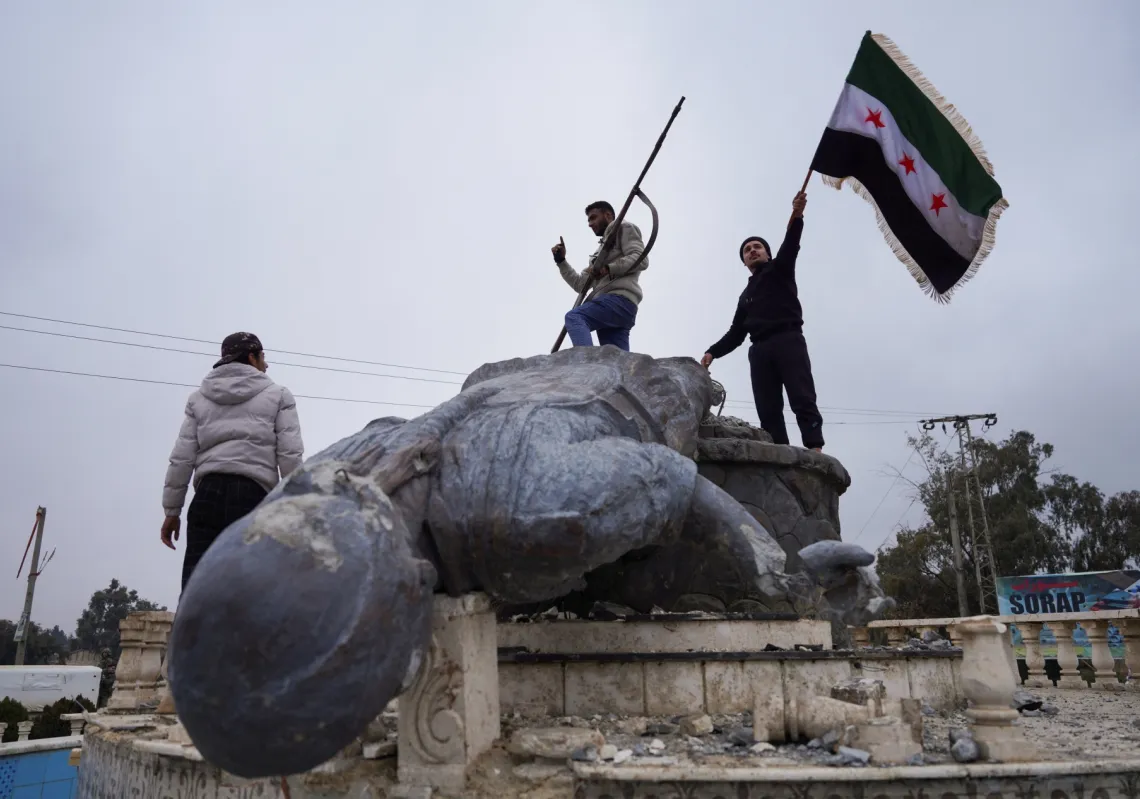
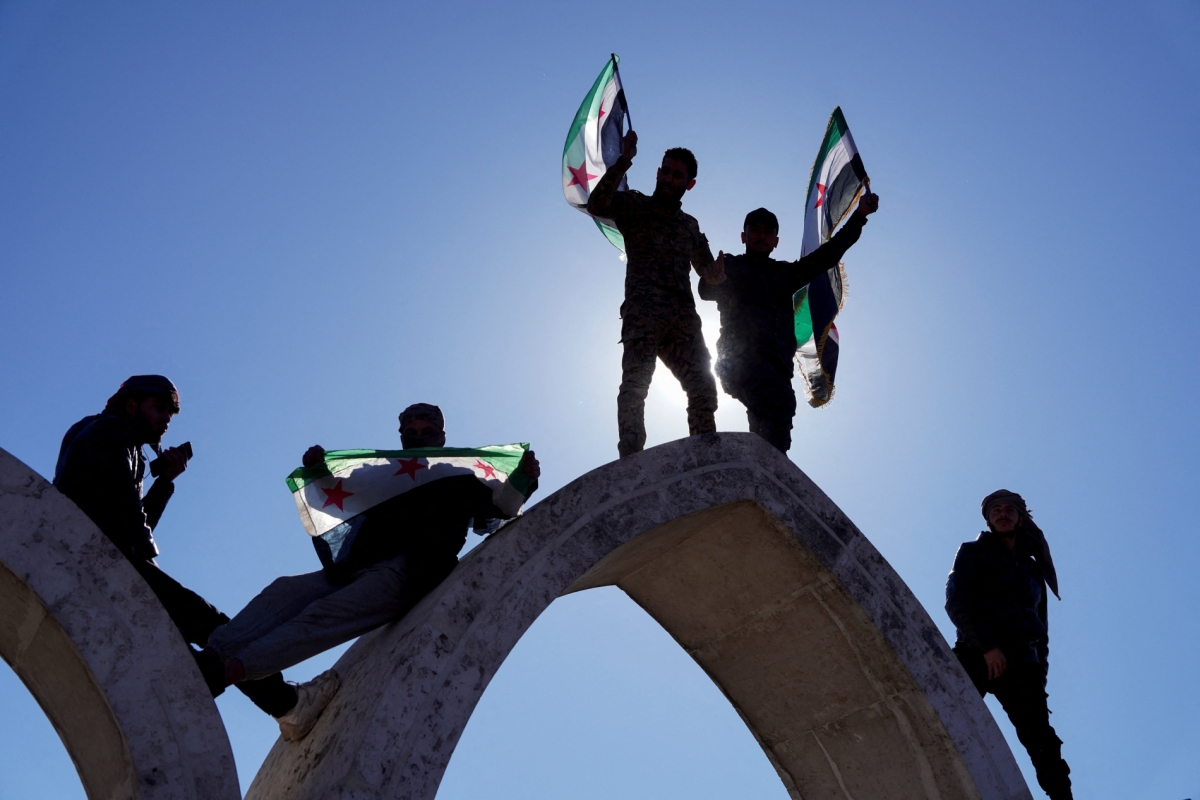
Syrians celebrate in Raqqa on 19 January 2026, after Syria and the SDF struck a wide-ranging deal to bring Kurdish civilian and military authorities under central government control on Sunday.
REUTERS / Karam al-Masri
Syrians celebrate in Raqqa on 19 January 2026, after Syria and the SDF struck a wide-ranging deal to bring Kurdish civilian and military authorities under central government control on Sunday.

Why Syrian army gains against the SDF unnerve Israel

The resumption of negotiations between Israel and Syria in Paris earlier this month didn't capture a lot of Israeli media attention at the time, but the issue has returned to the headlines in recent days, after the Syrian army's gains against the Syrian Democratic Forces and an agreement was reached for the SDF to integrate into Syria's institutions. Since then, Israeli media have been harping on al-Sharaa's jihadist past and questioning his intentions and ability to accommodate Israel’s security interests.

As things stand now, there are four important observations that I can draw:

1. Israel's suspicion toward the Syrian government has significantly intensified, particularly regarding the risks to vital Israeli interests should Israel withdraw from the territories it took control of on the Golan Heights after the collapse of Assad’s regime.

2. The ceasefire between the Syrian government and the Kurds has received substantial attention, with emphasis on the “defeat of the Kurds” and its implications for Israel on the one hand and for Türkiye on the other. The latter is portrayed as the main beneficiary. Israeli military sources are stressing their concern over an excessively deep Israeli withdrawal from southern Syria, both in terms of preventing arms smuggling, including to Hezbollah, and out of fear of a renewed presence of radical Islamist actors in areas where the new government does not exercise full control.
OMAR HAJ KADOUR / AFP
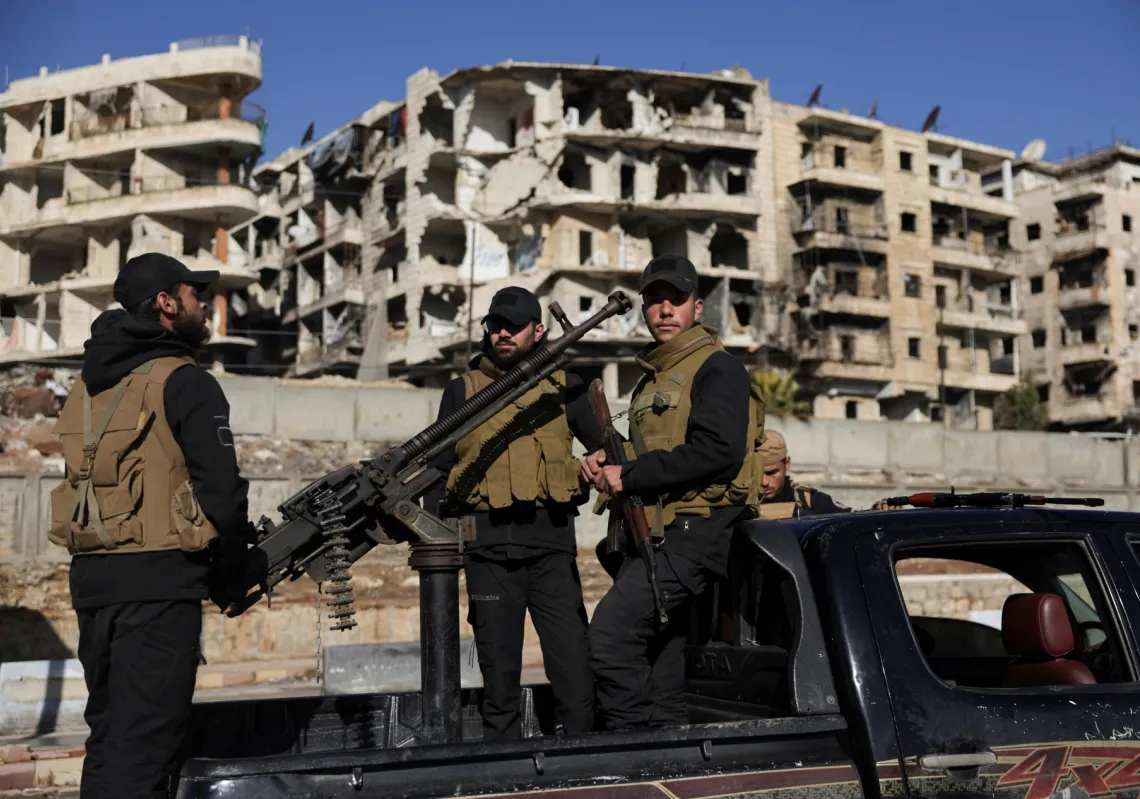
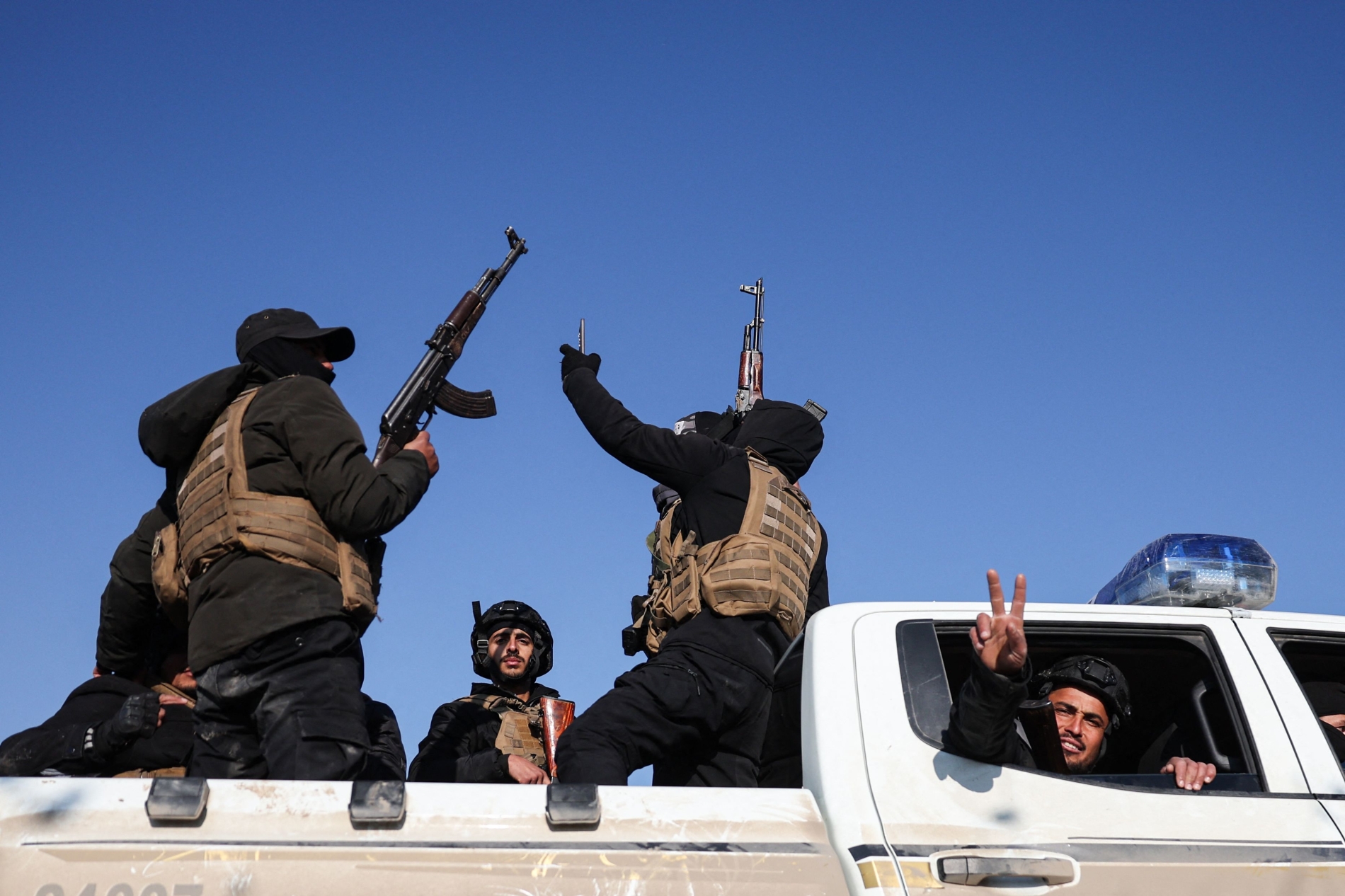
Syrian government forces react as they deploy in Deir ez-Zor, eastern Syria on 19 January 2026, the day after an agreement between the Syrian government and the Kurdish forces.

3. In light of the outcome of the confrontation between the Syrian government and the Kurds, fears have also been expressed that the Israeli government might agree to relinquish influence over the protection of the Druze community.

4. An important nuance concerns the gap, as presented in the media, between the security establishment in Israel and the political leadership. The military, it is reported, seeks to maintain wider security margins and is wary of another surprise emanating from the Syrian border.
Since the Syrian army's gains against the SDF, Israeli media have been harping on Sharaa's jihadist past and questioning his intentions

Agreement still possible

Does this mean that the prospects for a security agreement between the two countries have diminished? Not necessarily. However, several implications may follow and should be carefully considered:

1. Israel will closely study the nature of the recent agreement between the Sharaa government and the Kurds, and to what extent it indeed constitutes a Kurdish capitulation. This will have significant implications for Israel's position regarding the protection of the Druze minority, as well as the Kurdish population.

2. The Turkish dimension is highly significant and sensitive. Policymakers in Israel will need to assess in depth what this means in terms of Türkiye's involvement in Syria and its longer-term implications.

3. Should progress be made toward a security agreement with Syria, Israel's political leadership will need to "market" it in a more assertive and persuasive manner than in the past. Developments in Israel's domestic political arena, including the likelihood of early elections, will be of considerable relevance. 

AFP
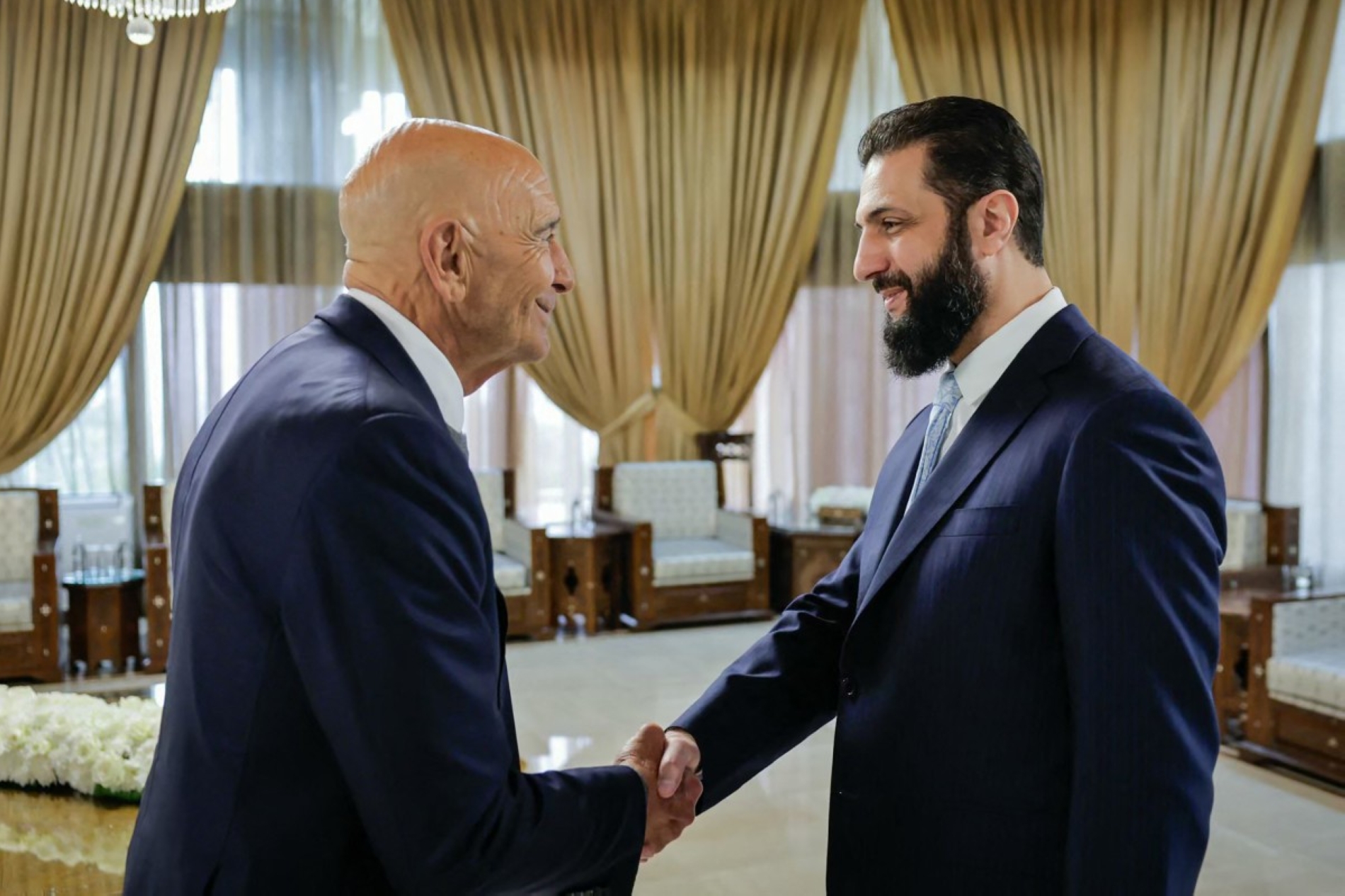
Syria's President Ahmed al-Sharaa shakes hands with US envoy Tom Barrack at the Presidential Palacein Damascus on 18 January 2026.

4. The American dimension is also critical. Israel understands clearly President Trump's desire to stabilise Sharaa's government in Syria, as well as his close ties with both Saudi Crown Prince Mohammed bin Salman and Turkish President Recep Tayyip Erdoğan.

What has been agreed so far?

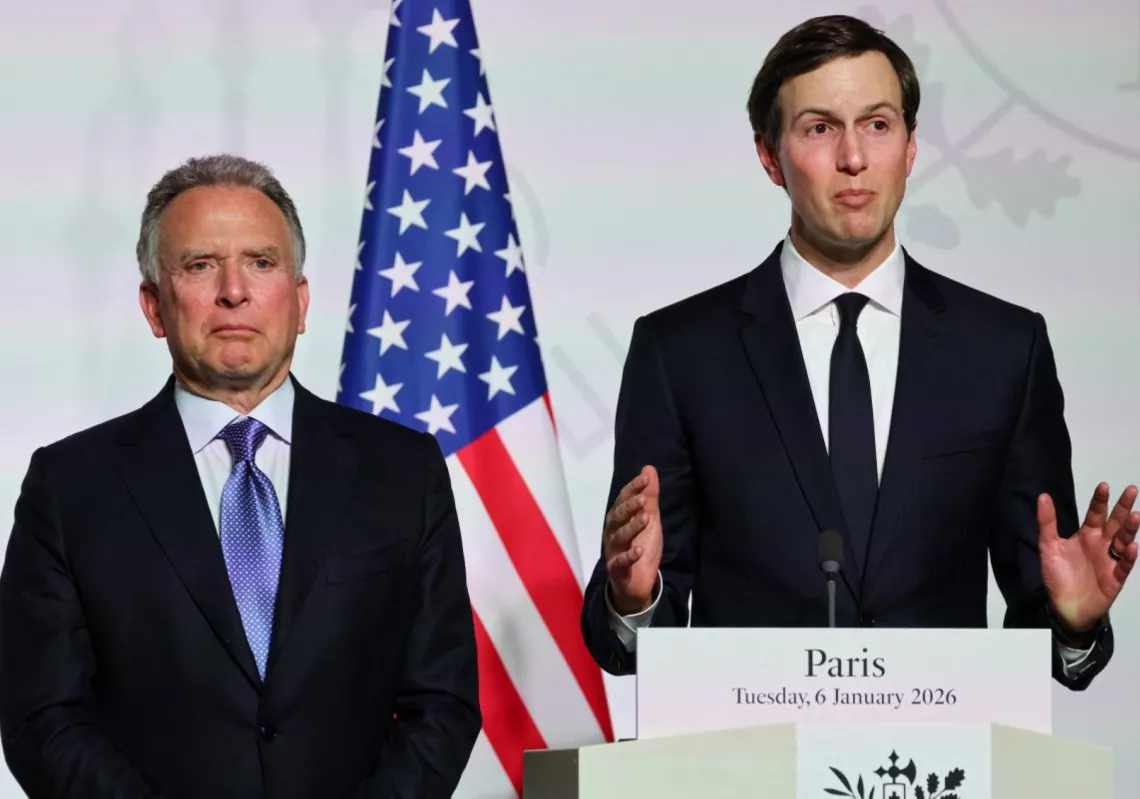
While negotiations in Paris earlier this month may not have led to a formal agreement, they appear to have yielded several understandings, which include:

1. The establishment of a mechanism to prevent miscalculation and to convene frequently on a regular basis.

2. Both sides agreed on confidence-building measures.

3. With respect to the protection of the Druze minority in southern Syria, it appears to have been agreed that this is an internal Syrian matter, to be resolved without external intervention or the use of force. In a statement issued by the Israeli Prime Minister's Office, it was noted that "it was agreed to continue the dialogue in order to advance shared objectives and to safeguard the security of the Druze minority in the country."

Bakr Alkasem / AFP
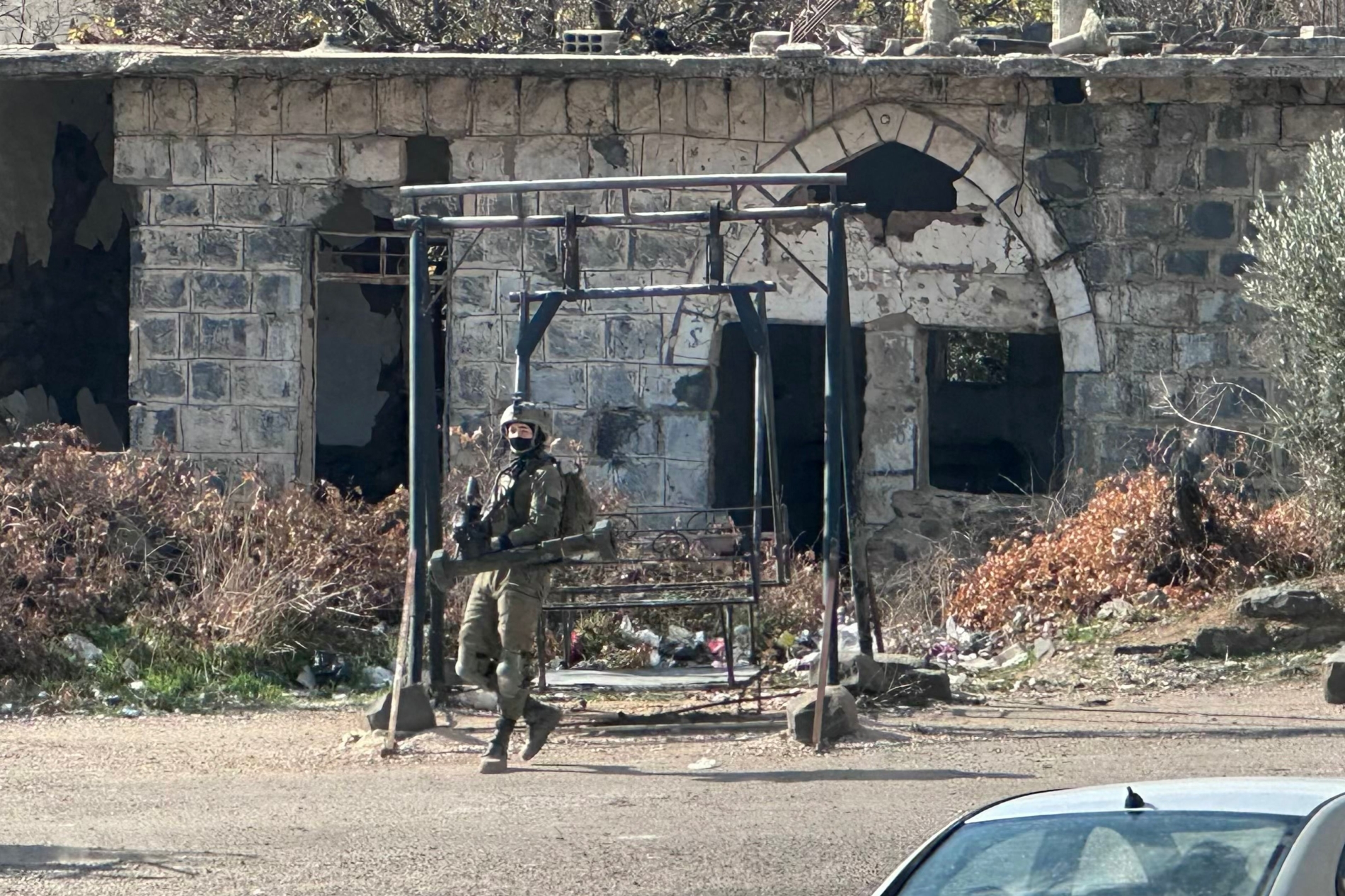
An Israeli soldier takes a position in the Syrian town of Jubata al-Khashab, in the UN-patrolled buffer zone in the annexed Golan Heights, on 20 December 2024.

4. Israeli media reports contain no details regarding the scope of an Israeli withdrawal from the territory seized following the collapse of the previous Syrian regime.

5. According to an unnamed senior American official, the US proposed that the two sides establish a joint operations room in Jordan and create a demilitarised zone on both sides of the border.

What next?

At the end of the day, Washington will listen very carefully to Israel's vital security interests. Hence, the implications of the recent developments in Syria, and the way it's understood in Israel, rightly or wrongly, are significant.

While obvious obstacles toward an Israeli-Syrian agreement remain, they aren't insurmountable. Greater clarity is needed—and is being sought—especially in light of the recent developments with the Kurds. In the meantime, the Israeli government will need to adopt a more refined "campaign" towards the Israeli public to gain its support for such an agreement.

font change

Related Articles