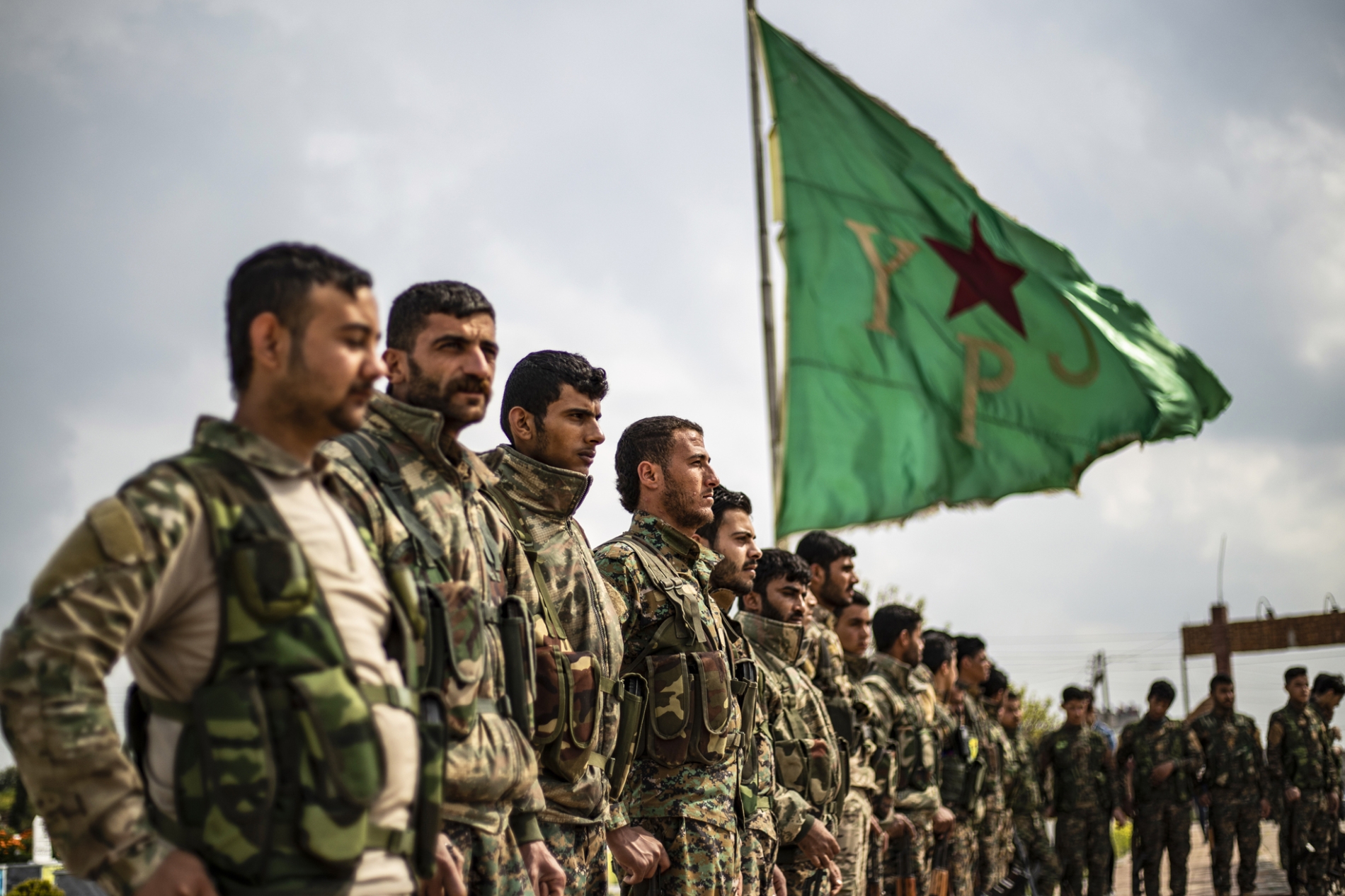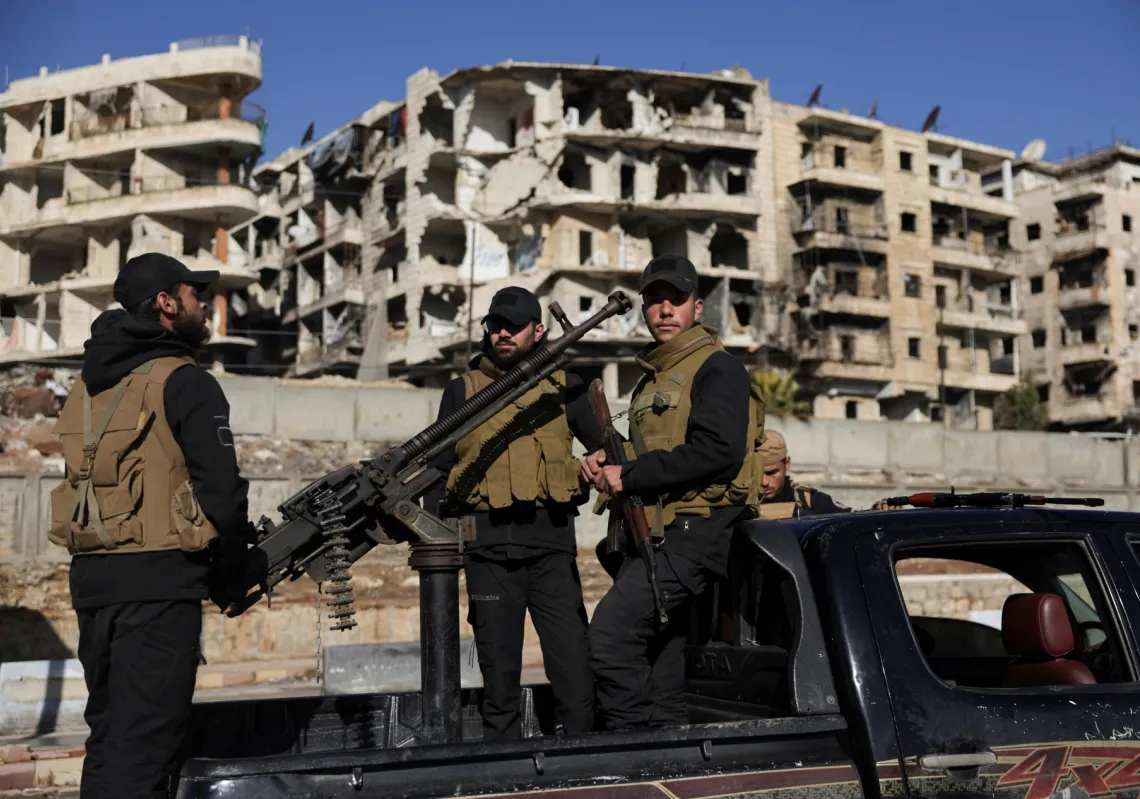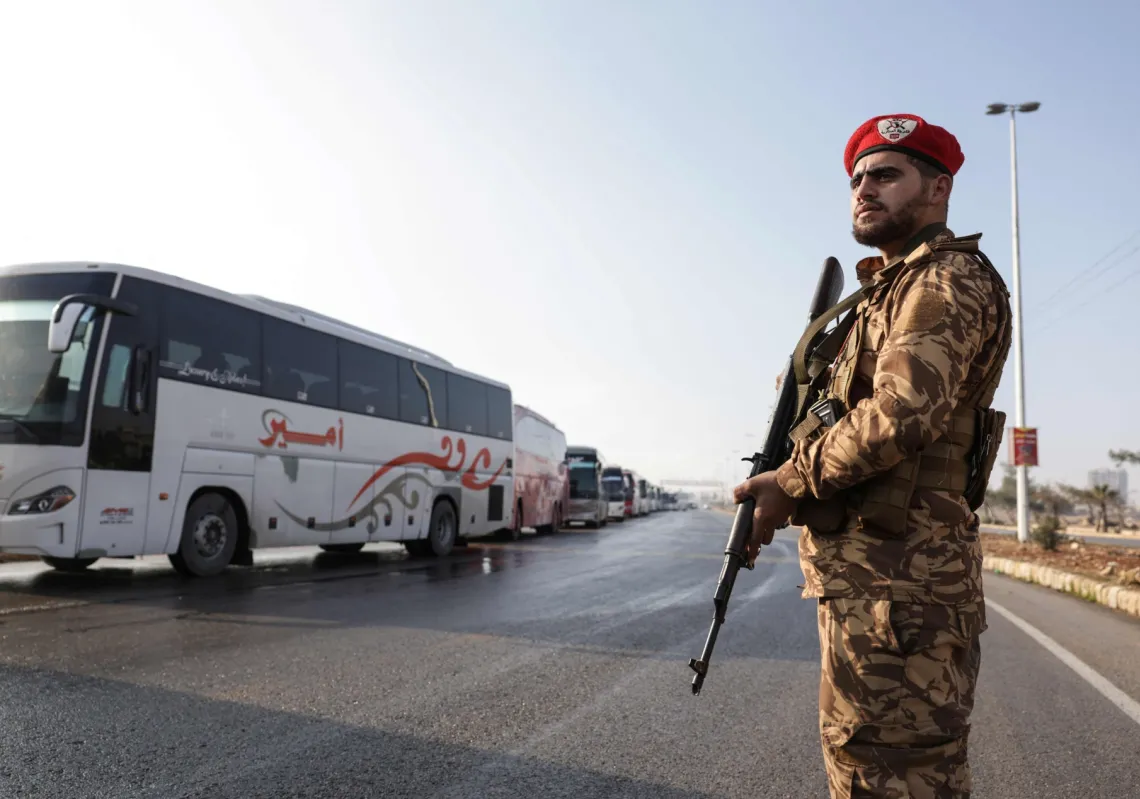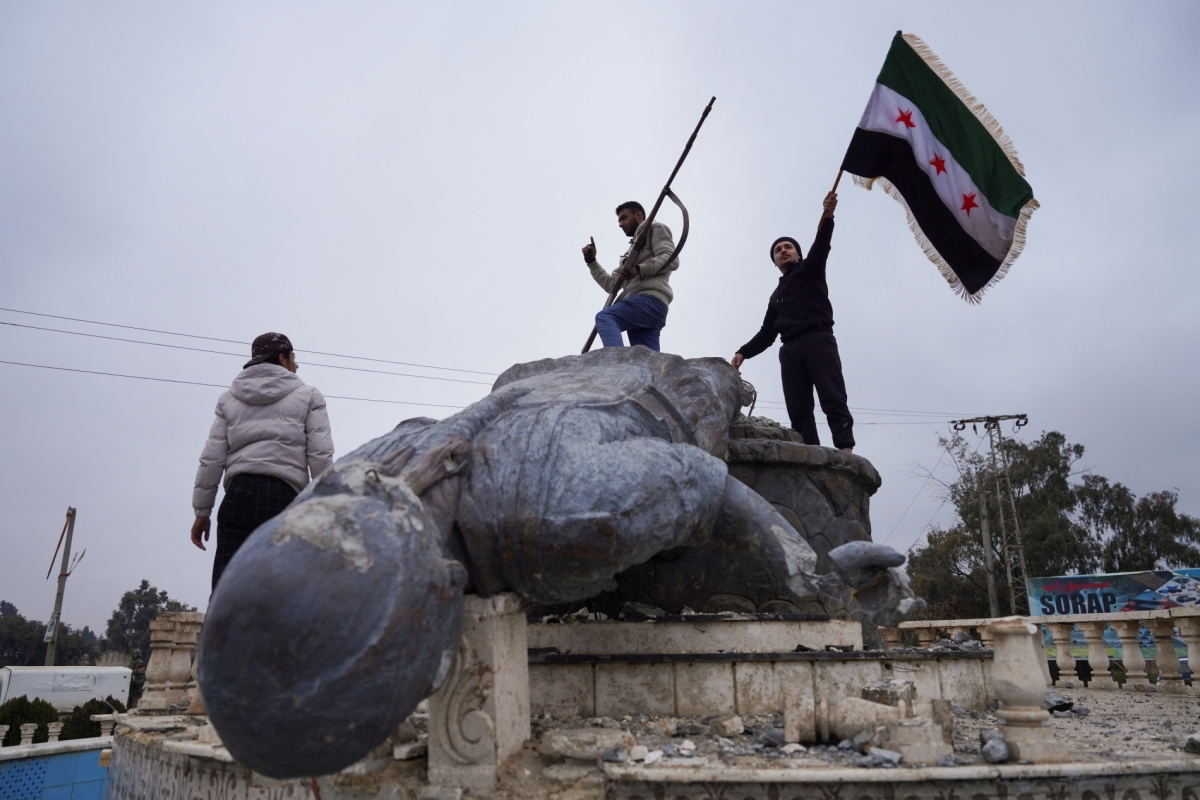

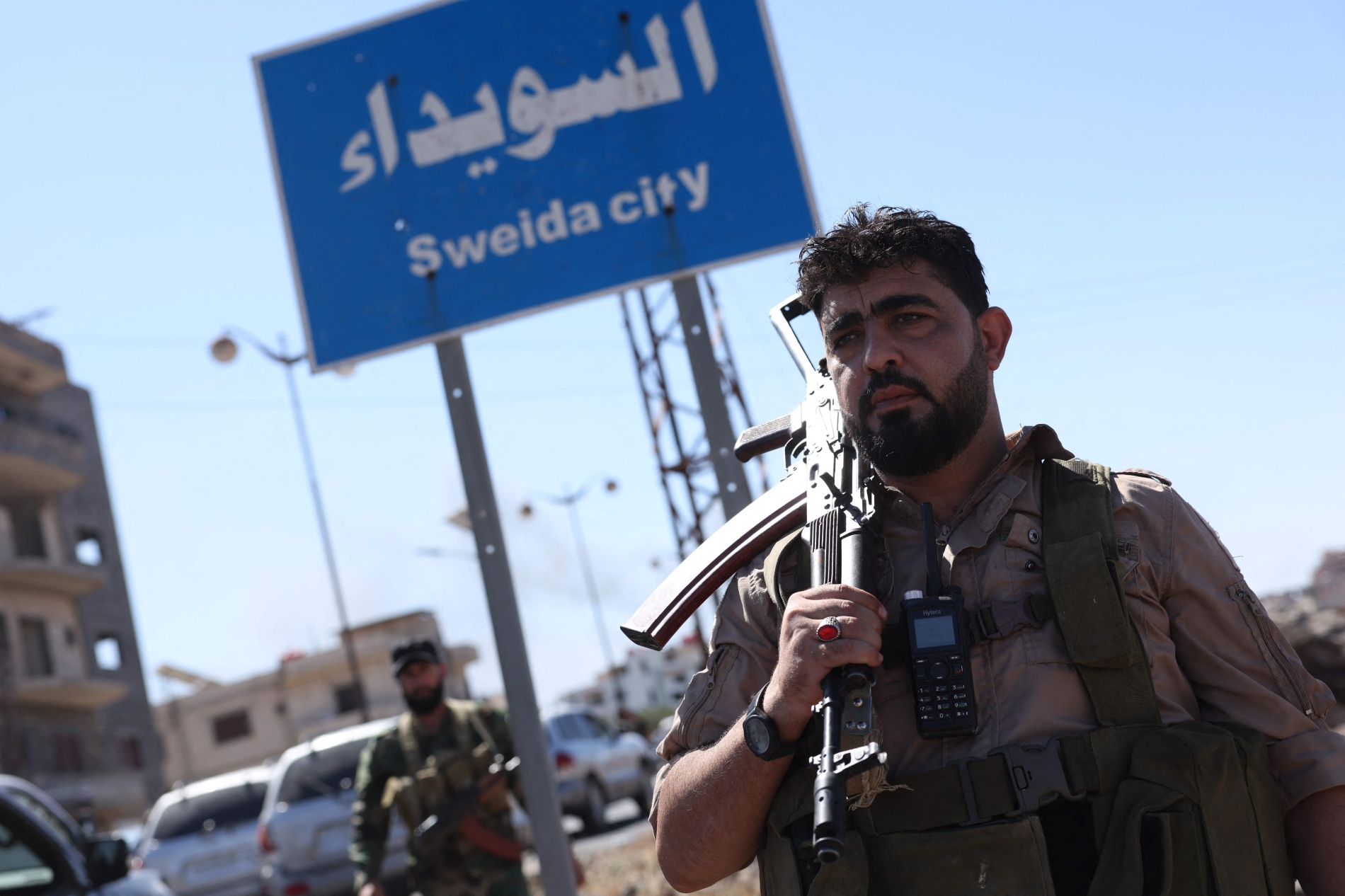
On 8 January, during ongoing tensions in northern Syria, the Syrian army launched an operation against the Kurdish-led Syrian Democratic Forces (SDF) in the Ashrafieh and Sheikh Maqsoud neighbourhoods of Aleppo. Within 10 days, the army had secured victory, and a 14-point Ceasefire and Full Integration Agreement between Syria’s President Ahmed al-Sharaa and Mazloum Abdi, leader of the SDF, had been signed.
The Syrian army has reasserted majority control over the governorates of Deir ez-Zor, Al-Raqqa, and Al-Hasakeh. In contrast, the SDF, having lost around two-thirds of the territory it controlled, has seen its presence reduced to northeastern Syria. This marks one of the most important turning points in post-Assad Syria.
Both the SDF and the People’s Defence Units (YPG), which had stalled in implementing the 10 March agreement signed between al-Sharaa and Abdi, underestimated the capabilities of the Syrian army. The 10 March agreement had outlined eight key points for the SDF’s integration into Syrian state institutions, emphasising national unity and a ceasefire. However, the SDF’s hardline stance in negotiations with Damascus and its reckless actions on the ground frustrated everyone—including the US.
The Syrian army’s operation to pressure the SDF into an agreement by force could not have been conducted as smoothly as it was without intense diplomatic activity. Agreements with key Syrian and foreign actors, including Türkiye, the US, and Israel, were critical. A US-mediated meeting between Syrian and Israeli delegations in Paris in the first week of January resulted in an agreement on a joint coordination mechanism. Additionally, Türkiye’s Foreign Minister Hakan Fidan was present in Paris, and there were unverified rumours of unannounced talks with Israel.
Tom Barrack, the US ambassador to Türkiye and Special Envoy for Syria, engaged in intensive talks in Türkiye, Syria, and with the Kurdistan Regional Government in Iraq. During these talks, he met with Türkiye’s foreign and defence ministers, al-Sharaa, Abdi, and Masrour Barzani, the prime minister of the Kurdistan Region. Red lines for the Syrian army’s operations were set, and the scope of the military operations was agreed.
Included in the Ceasefire and Full Integration Agreement is a military and political roadmap, the result of intense diplomacy. In the north, Türkiye stood with the Syrian government against the SDF, while in the south, Israel sided with the separatist Druze.
The SDF's mistake
Following the success of the military operation, Türkiye’s President Recep Tayyip Erdoğan called al-Sharaa. The Turkish Ministry of Foreign Affairs also issued a statement, welcoming the Syrian army’s success and expressing continued support for the Syrian government’s efforts to combat terrorism and rebuild the country.
The SDF’s failure to take Türkiye’s concerns into account has proven to be a mistake. Both Türkiye and Syria are dealing with Kurdish-related political and security challenges, and what happens on either side of the border has an impact on the other side. The link between the peace process in Türkiye and developments in Syria was made explicit by Abdullah Öcalan, the imprisoned leader of the Kurdistan Workers Party (PKK). In a letter to Abdi on 29 December, he stated that the implementation of the 10 March agreement would ease and accelerate the peace process in Türkiye.