
Data collected by the global internet monitoring organisation NetBlocks indicates that the internet blackout during the recent large anti-government protests was nationwide and nearly complete.
According to NetBlocks, an internet watchdog that monitors shutdowns, censorship, and cybersecurity issues, internet traffic in Iran dropped to around 1% of normal levels, meaning that nearly 99% of online connectivity effectively ceased. The result was users’ near-complete digital isolation, halting access to international networks.
Encouraging protesters from outside, former US Secretary of State Mike Pompeo sent out a bold tweet saying: 'Happy New Year to Iranians and Mossad agents beside them." Protests then took a violent turn, with unconfirmed numbers of killed between protesters, or "rioters" as Iran's government calls them and security officers that range from hundreds to the thousands. This led authorities to rapidly restrict internet access, disrupting protesters’ ability to organise and coordinate with the outside world. After some days, the protests tapered off.
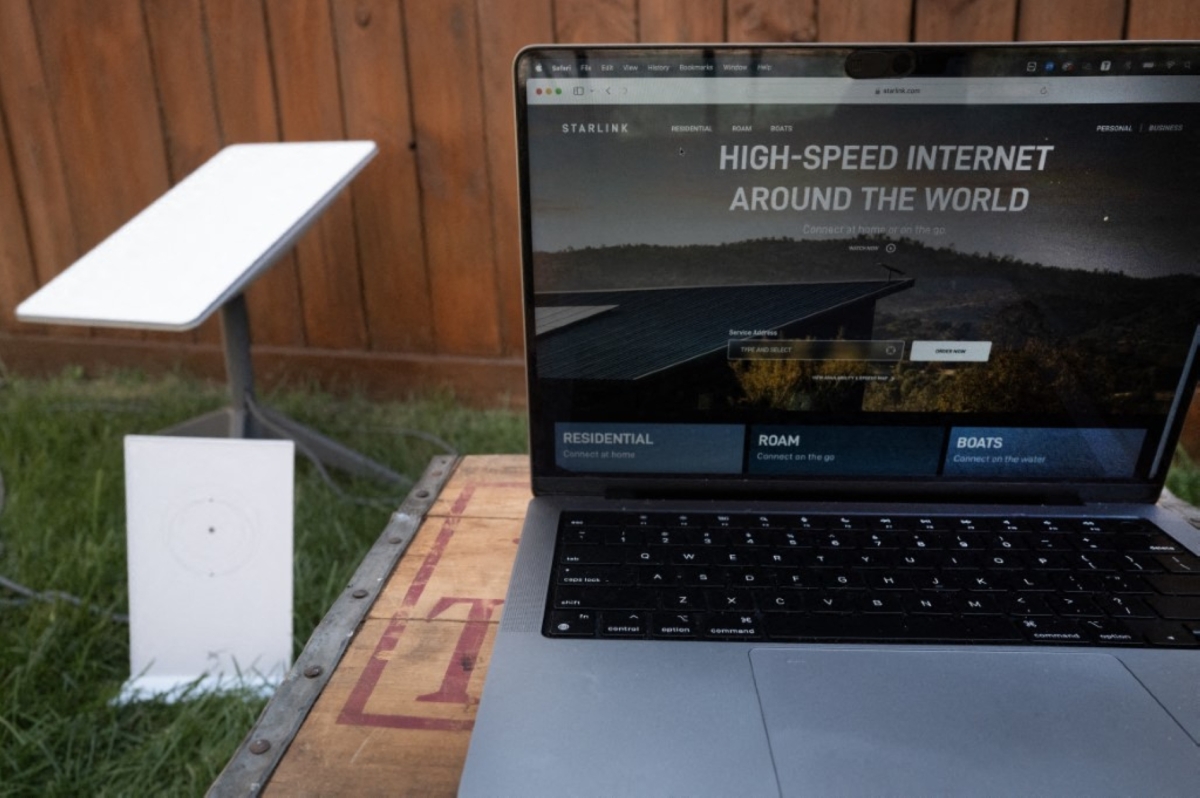
Entrepreneur Elon Musk’s satellite-based Starlink service, which has already provided an internet lifeline to people worldwide, has been proposed as an alternative to state-controlled terrestrial networks. Yet the possibility of activating Starlink over Iran raises a range of legal and logistical problems. In Iran, it is a criminal offence to use unlicensed communication tools, and there are significant challenges involved in smuggling devices into the country and operating them on any meaningful scale.
History of shutdowns
Iranian authorities regularly cut or restrict internet access when they anticipate protests. This now well-tested approach has become fine-tuned over the years.
In November 2019, during huge protests over fuel price increases, the authorities implemented one of the most severe internet shutdowns in Iran’s history, disabling connectivity for nearly a week. Data traffic collapsed by more than 90% according to network monitoring groups.
In September 2022, after yet more nationwide protests following the death in custody of a young Kurdish-Iranian woman, Mahsa Amini, it was more of the same, albeit more gradual and calibrated, the authorities opting for partial shutdowns rather than a full blackout, disabling mobile networks during peak hours, throttling fixed-line internet speeds, and intensifying the blocking of social media platforms.
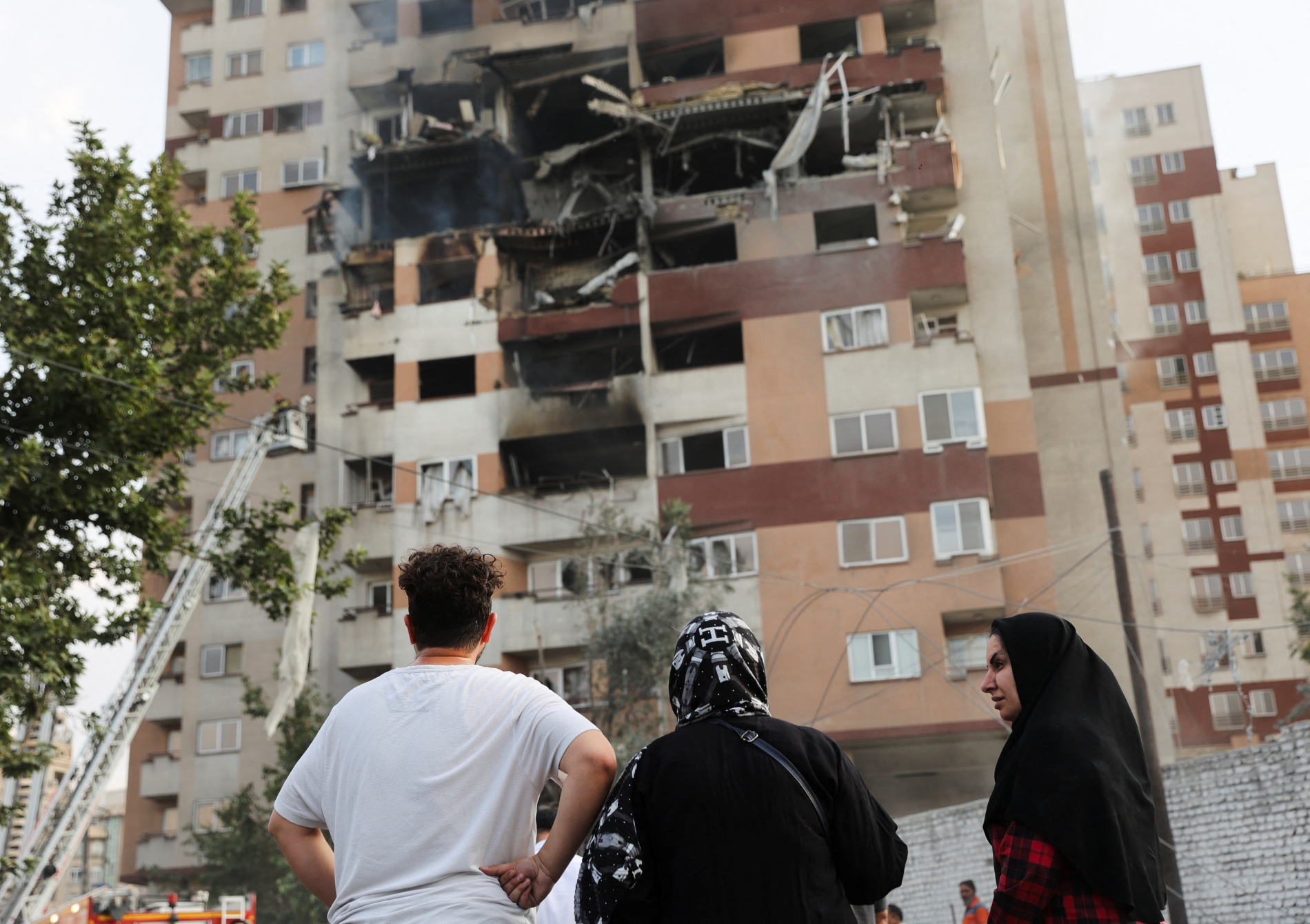
During what became known as the 12-Day War in 2025, when Israel and later the United States attacked Iran, a selective and calculated restriction of internet access was implemented by the Iranian government at sensitive moments. However, it maintained a minimum level of domestic connectivity through national networks.
Selective control
Fast-forward six months to the latest protests centred on the country’s economic decline, and the scale and level of disruption have noticeably changed, as has the technical method employed.
In the January 2026 blackout, authorities refined the policy of selective control. Most internet users have had their access cut off, but some official bodies and state institutions can still connect externally.