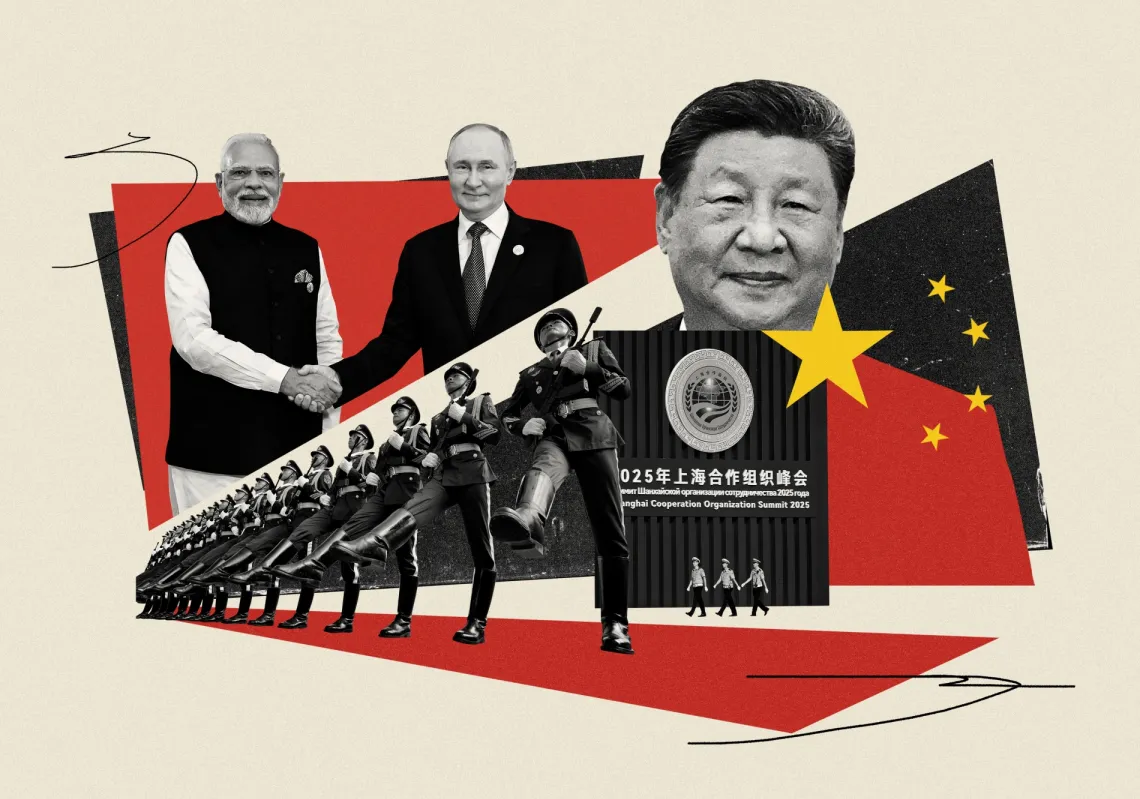
Beijing would like the week to mark a historic turning point in which a unipolar world finally gave way to multipolarity. To others, it was just tub-thumping bravura. In reality, it was a bit of both.
China's iron grip on the rare earths needed in today's most strategic industries is something that US President Donald Trump appears to be focused on, but the fight also involves Europe
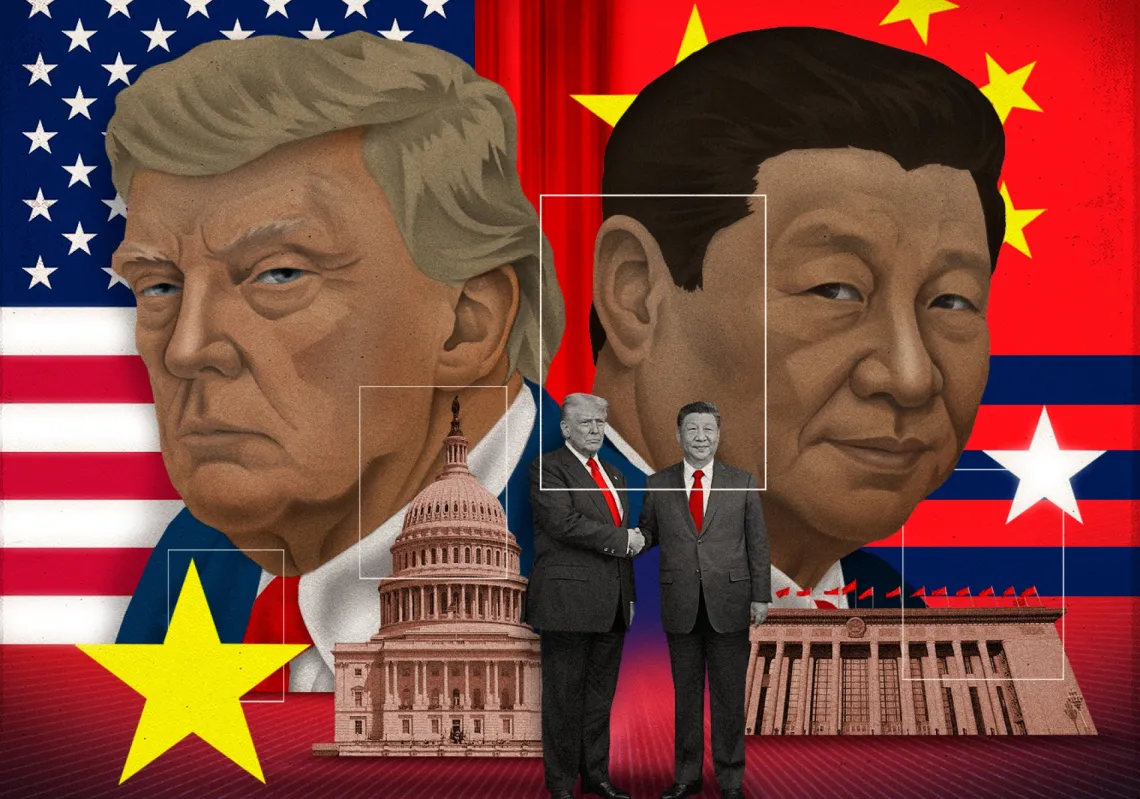
Donald Trump's tariff blitz was matched by China, so the two quickly agreed a temporary truce in Geneva. Yet the clock is ticking on this pause, which will not be long enough to fix all the issues.
If only US officials had hit upon the ingenious idea of meeting their Chinese counterparts in person before Liberation Day, much global economic turmoil could have been avoided
China has been quietly working to rewrite the rules of global trade and finds itself in a strong position in the current trade war launched by Washington. A look around the world shows why.
Amidst a larger trade war, the race to establish dominance in the AI industry is in full flow, the winner likely to set the rules of the game. A recent meeting in Beijing is evidence of its importance
How much of the US president's rhetoric on trade translates into actual action will soon become clear, but there are risks to his tactics at home as well as worldwide
Plans for trade tariffs, deregulation, and mass deportations will have huge repercussions on industries like finance, oil, and manufacturing. Meanwhile, the deficit is set to balloon.
While all the effects of this conflict may take time to fully realise, short and medium-term signs expose the limits of US power and see America's rivals benefiting
Closing the Strait of Hormuz has shown how the Gulf should shift from an oil-export model to a digital and distribution hub. Will this trigger the long-delayed free trade agreement with China?
Building on the ten-day ceasefire announced by US President Donald Trump, time will tell if these talks are a one-off or the beginning of a different path for Lebanon.
Egyptian heritage researcher Haytham Abu Zayd sheds light on how the art form grew, excelled, and then declined over the years and ends by offering a path to revival