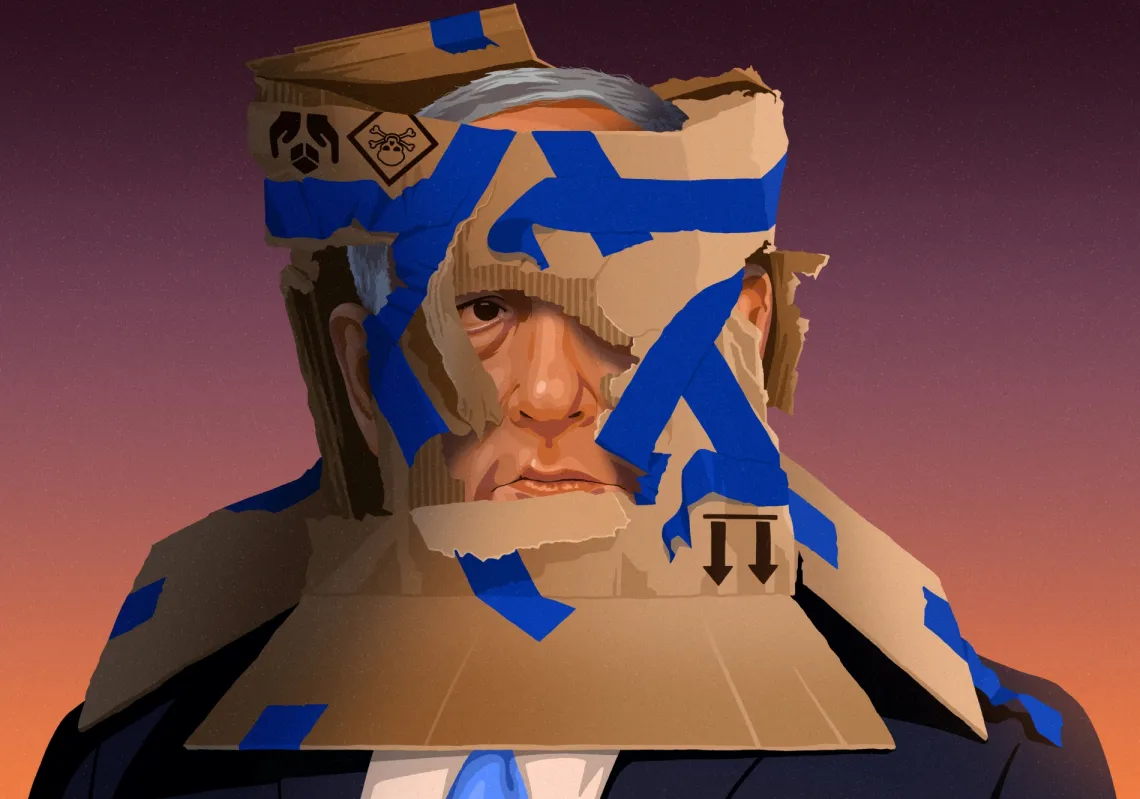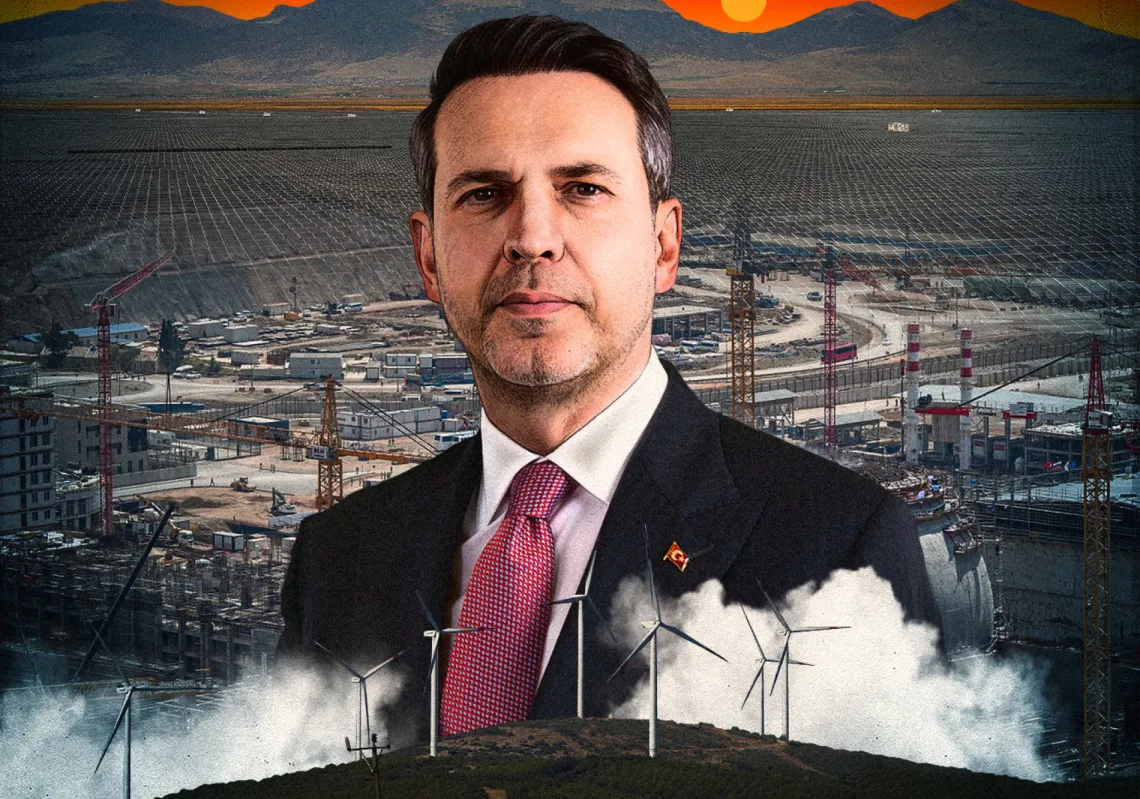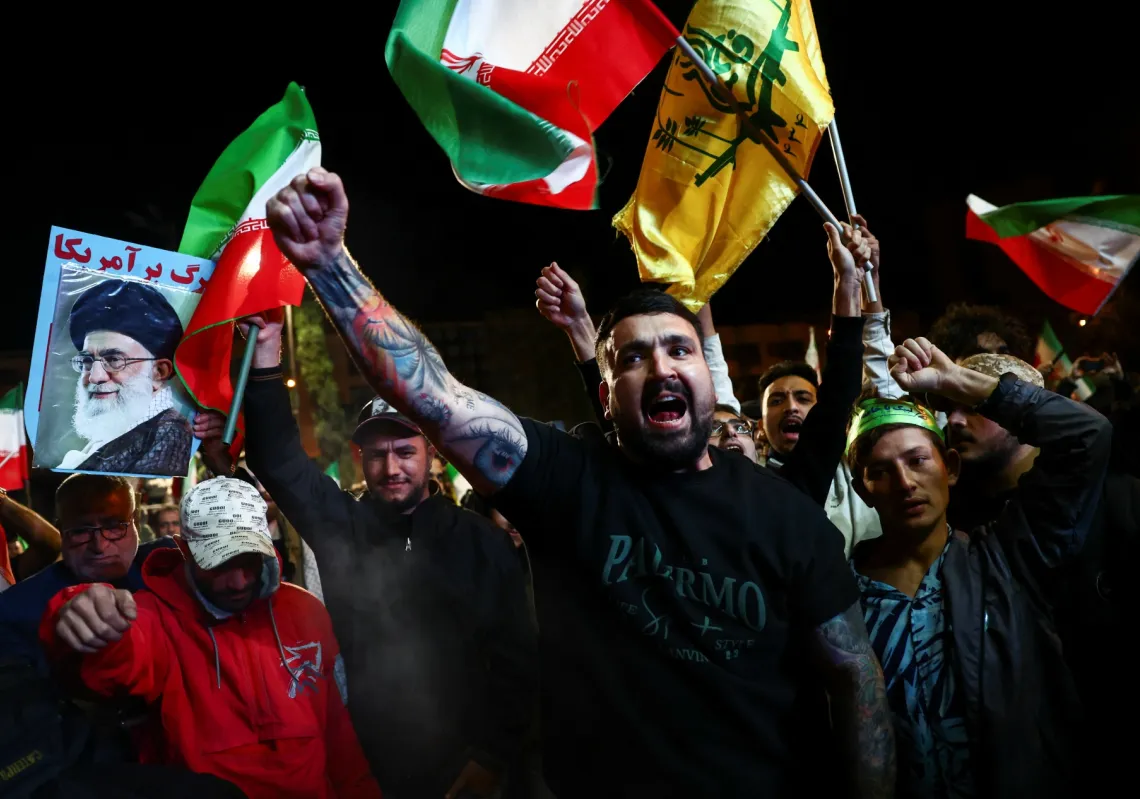
The two presidents seem to share a crucial flaw: both assumed that America's overwhelming military would suffice to shape the destinies of the countries that they targeted
The US wanted Syria to abstain from meddling in Iraqi affairs, deny refuge to former Saddam loyalists, expel Palestinian organisations from Syria, and withdraw Syrian military forces from Lebanon
On the eve of America's invasion of Iraq in March 2003, Syrian and Iranian leaders met to consider their options. In part 6 of a seven-part series, Al Majalla reveals their shared concerns and hopes.
Joe Biden, Chuck Hagel, and Colin Powell debated with Bashar al-Assad on their intent to get rid of Saddam. In part 5 of a seven-part series, Al Majalla reveals what was discussed for the first time.
The Kurdish leader was party to secret talks with the Americans in the run-up to the US invasion of Iraq. In part 2 of a 7-part series, Al Majalla reveals for the first time what he told the Syrians.
In 2002, the CIA informed Iraqi Kurds of its plan for regime change. In part 1 of a 7-part series, Al Majalla publishes first-hand accounts of the conversations that would change the Middle East.
When states are attacked, authority gravitates towards institutions capable of mobilising resources, enforcing discipline, and coordinating a military response
There are few examples of successful US regime-change operations in history. And without permanent ground troop presence, these wins can easily be reversed.
Cairo and Tehran have been at loggerheads since 1979, but the Iranian threat has always acted as a check on Israeli ambitions. If Iran is completely defeated, Israel will reign supreme.