
Firms relying on the recent wave of lifted sanctions and exceptive relief will face significant hurdles in verifying that transactions do not benefit excluded actors
Trump's decision to reverse decades of US policy on Syria within just a few hours in Riyadh reflects the weight of influence that Middle Eastern leaders can have on Trump's decision-making process
Trump has lifted US sanctions, offering Syria a "chance at greatness". Despite lingering hurdles, for the first time in a long time, there is an electric sense of hope in the country.
While some indicators are positive, others are troubling. The arrival of Donald Trump in the White House has given the Kremlin a political boost, and lifting sanctions will help, but it is no panacea.
The US levied swingeing sanctions on Bashar al-Assad's regime for torturing and killing thousands. Matt Zweig, who helped draft it, speaks to Al Majalla about its details and future.
Showcasing his economy's resilience despite moves to isolate it, Russia's president was keen to attract potential trade allies at an important conference in St Petersburg.
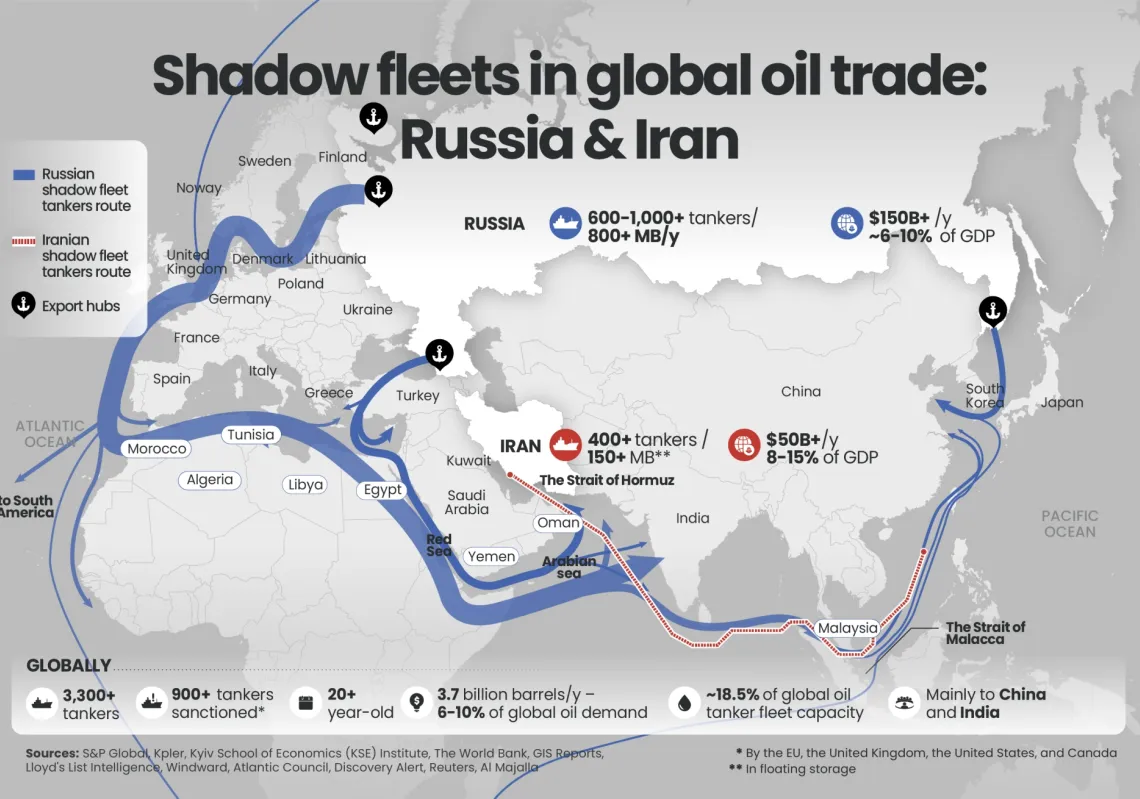
Oil revenue boosting the Kremlin's invasion of Ukraine comes from a fleet of ships and intermediaries designed to evade sanctions and price caps. All signs are that it is working.
The US could be secretly negotiating with elements in the government to take charge. The alternative is state and popular resistance, which sets the stage for more military action and insurgency.
Venezuela's vice president is known for having a diplomatic style that is confrontational in tone but cautious in substance, and pursuing a strategy that marries public defiance with quiet pragmatism
In an interview with Al Majalla, the senior US diplomat says that while the US may no longer play the role of world policeman, it is not isolationist either
If anywhere encapsulates the Syrian capital in recent decades, it is this enigmatic and iconic public space, which has seen more than its fair share of changes