





For decades, Riyadh and Islamabad have been on the same page when it comes to defence and security, but their alliance has always been based on understandings. That is now evolving.
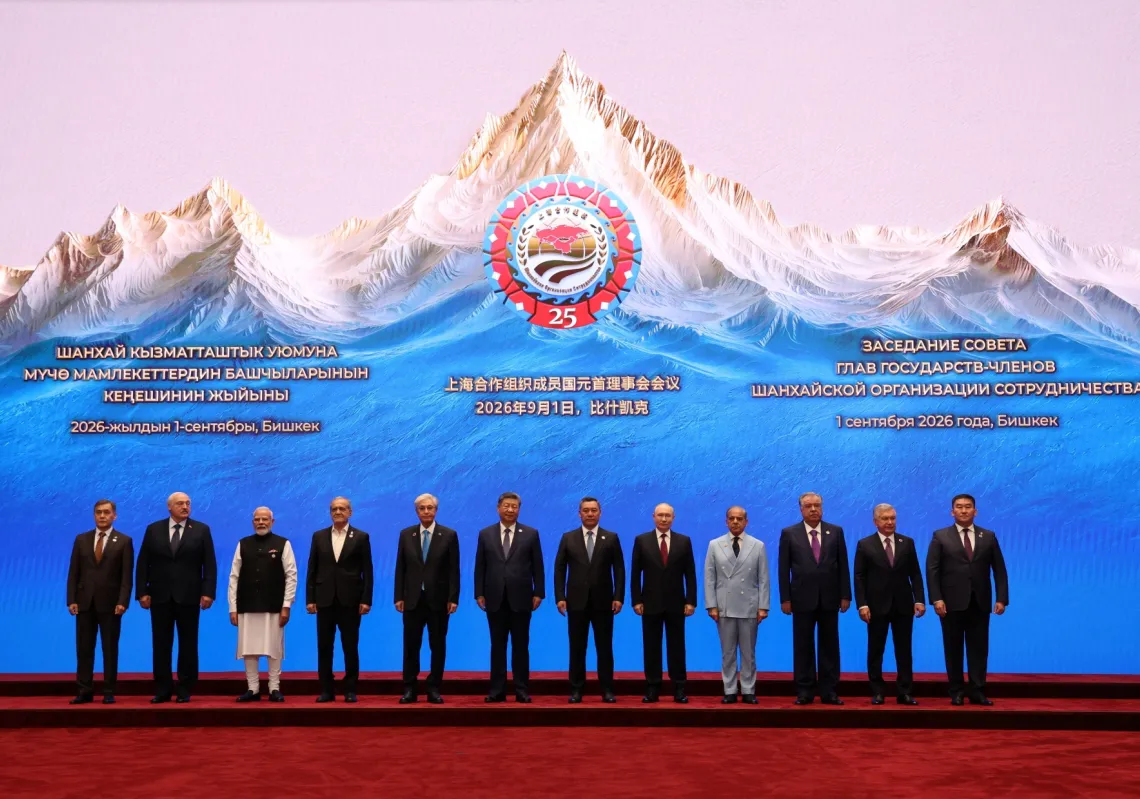
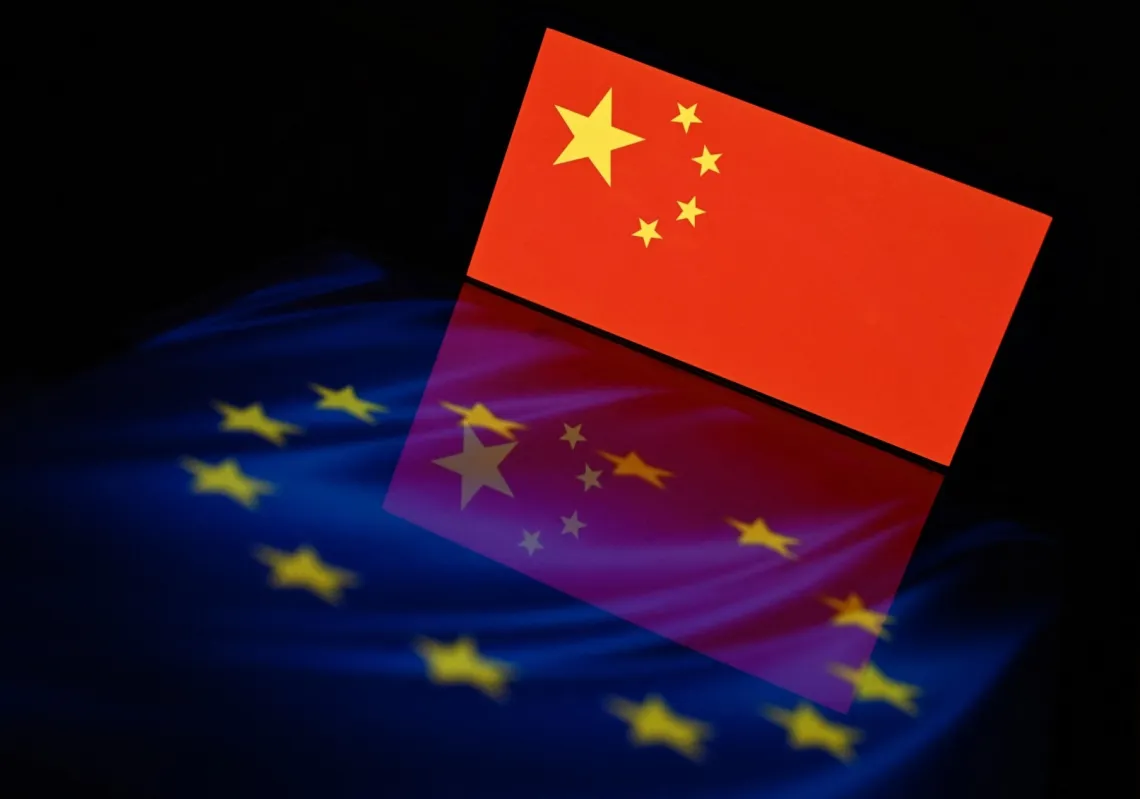
Beijing would like the week to mark a historic turning point in which a unipolar world finally gave way to multipolarity. To others, it was just tub-thumping bravura. In reality, it was a bit of both.
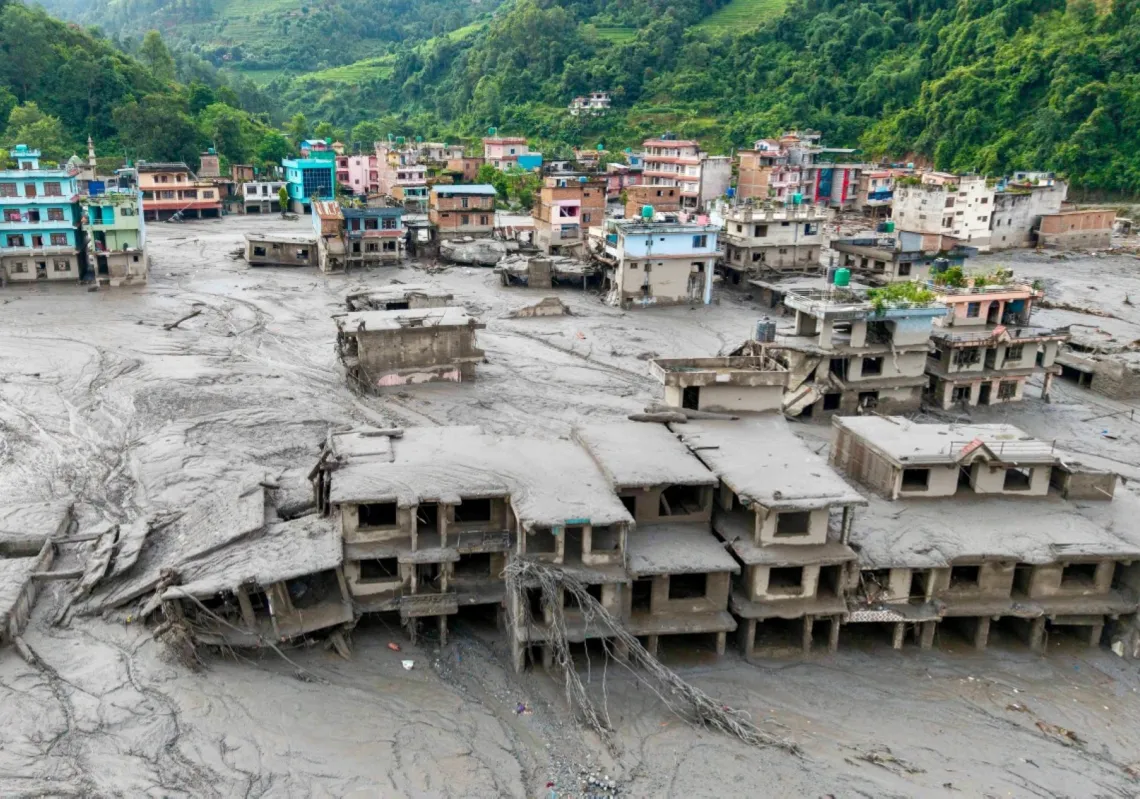
An earthquake in Afghanistan earlier this week levelled entire villages and left people trapped under rubble for days, but in the shadow of the Hindu Kush, saviours were thin on the ground
The two atomic bombs dropped on Japan by the US remain a subject of intense debate, and the world is still learning the lessons of those fateful events
From dhows carrying spices to tankers carrying oil, trade between South Asia and Arabia has been healthy for hundreds of years, with room to grow further.
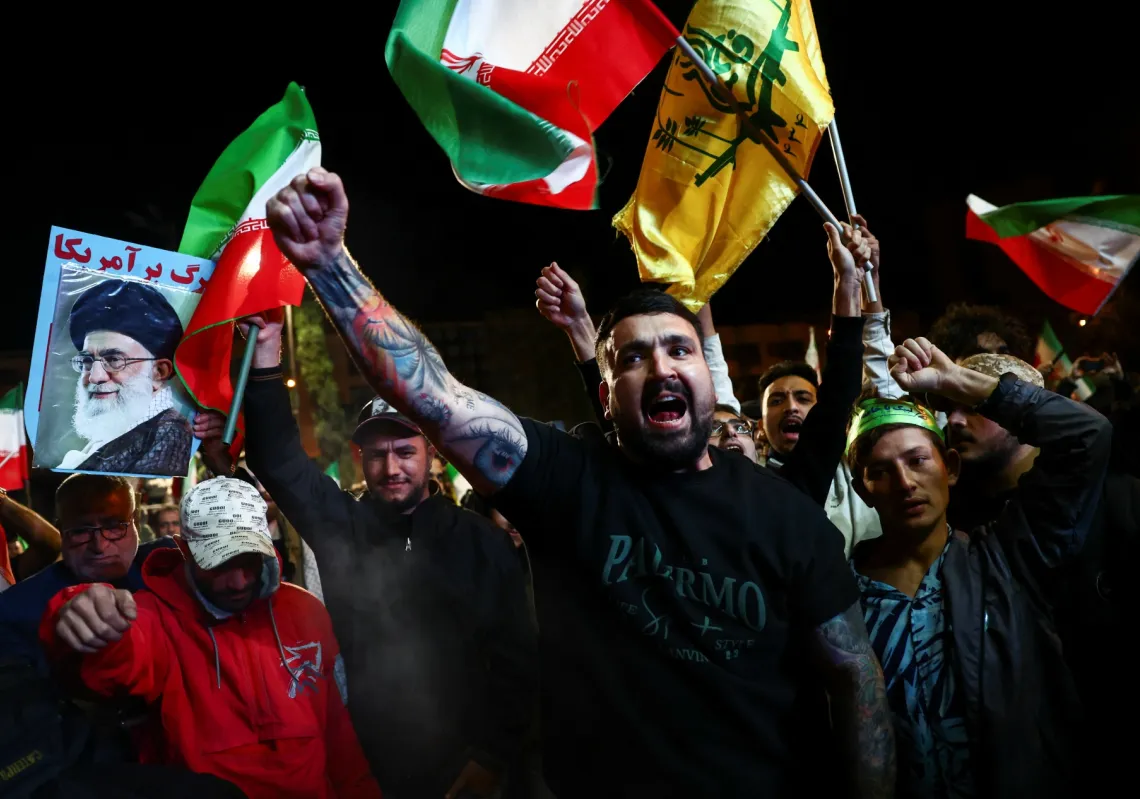
Tehran appreciates the rhetoric from Islamabad, but to succeed in its war with Israel, it needs tangible support and reliable allies, something Pakistan may find difficult to muster
After Pakistan's recent military tensions with India, Pakistan's army chief Field Marshal Asim Munir emerged as a powerful and stabilising force. Who is he?
The recent military flare-up begged questions on who would win in the event of a nuclear or conventional war. Here, Al Majalla compares their arsenals and respective journeys to become nuclear powers.
When states are attacked, authority gravitates towards institutions capable of mobilising resources, enforcing discipline, and coordinating a military response
There are few examples of successful US regime-change operations in history. And without permanent ground troop presence, these wins can easily be reversed.
Cairo and Tehran have been at loggerheads since 1979, but the Iranian threat has always acted as a check on Israeli ambitions. If Iran is completely defeated, Israel will reign supreme.