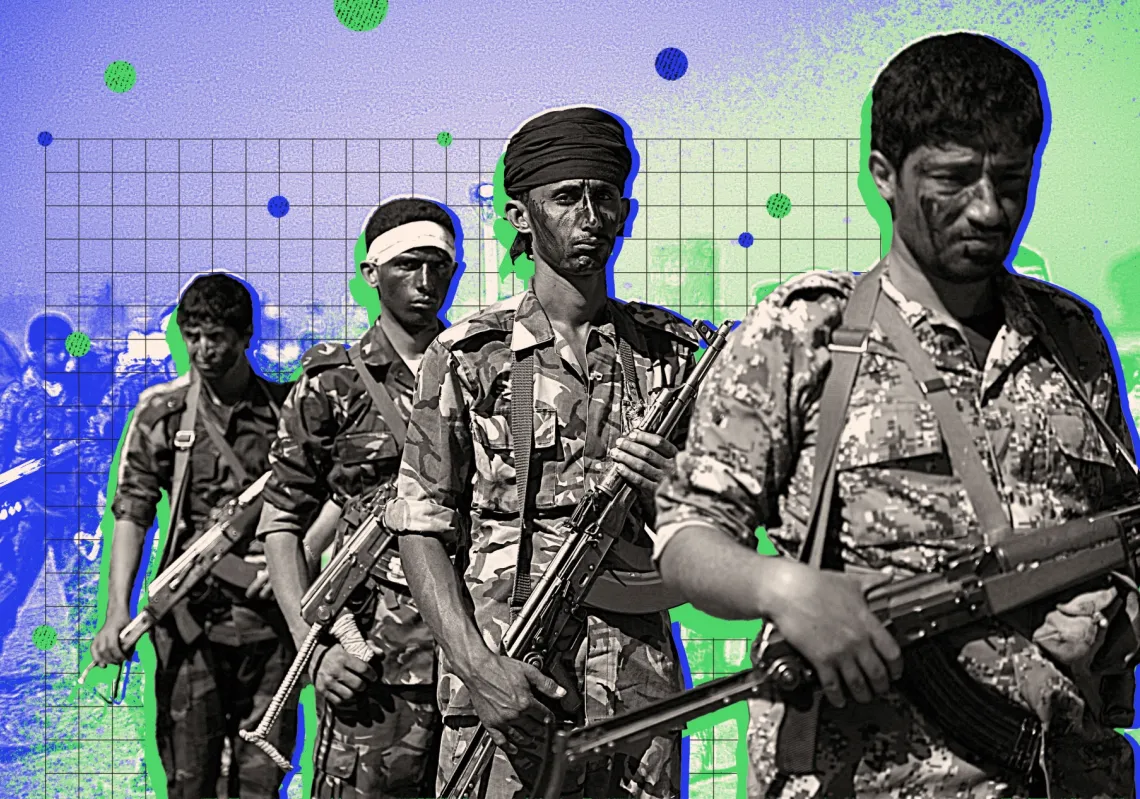
Each side's actions carry risks of misjudgment, miscalculation, and the possibility that the conflict could escalate beyond the planned declared limits
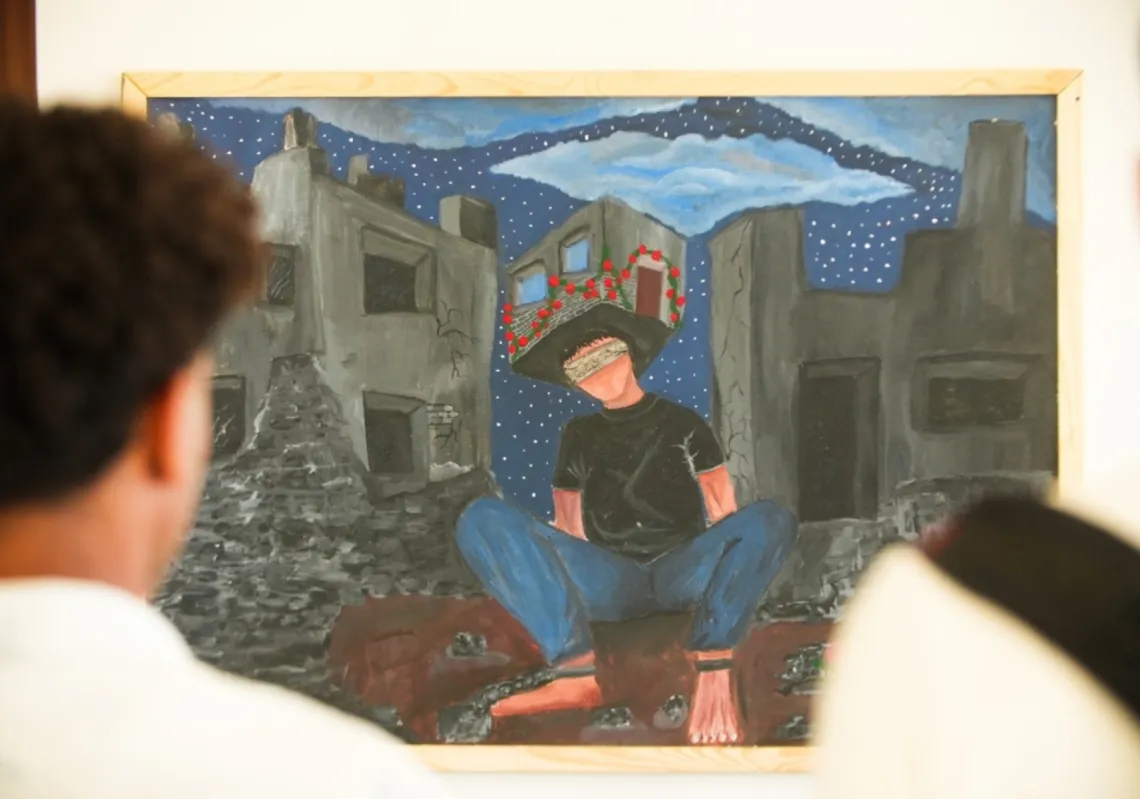
The 'Detainees and the Disappeared' installation in Damascus enshrines harrowing stories of individual imprisonment into a collective archive to remind future generations of their pain and sacrifice
An Israeli presence at the entrance of the Red Sea would alter the regional balance of power, extend the Abraham Accords alliance, and project its military influence into the Indian Ocean
Tensions reach a boiling point as an IAEA report finds Tehran in breach of its nuclear obligations. Meanwhile, US personnel are ordered out of the region in a sign that escalation may be imminent.
As Tunisian youth flee their homeland in search of opportunity, thousands of Italian retirees are heading in the opposite direction—drawn by tax breaks, low living costs, and Mediterranean charm
In light of forthcoming Syria-Israel peace talks expected to resume soon after they were suspended in 2008, Al Majalla takes a look at the history of negotiations between the two sides
Two recent UNESCO studies show the social and economic impact of a practice considered normal throughout Tunisia: that of parents inflicting physical and psychological violence against their children
Al Majalla examines this changed landscape—from Israel's domestic political scene to its external ambitions, where it occupies large swathes of new territory in the West Bank, Lebanon and Syria
From Gaza to Egypt, Lebanon, Morocco, Jordan, Iraq, and Algeria, this year's Arab Oscar submissions explore stories of conflict, displacement, memory, and survival