


In a chat with Al Majalla, former Iraqi foreign minister Hoshyar Zebari details the run-up and aftermath of the US invasion of Iraq and its impact on the the Kurdish quest for legitimacy
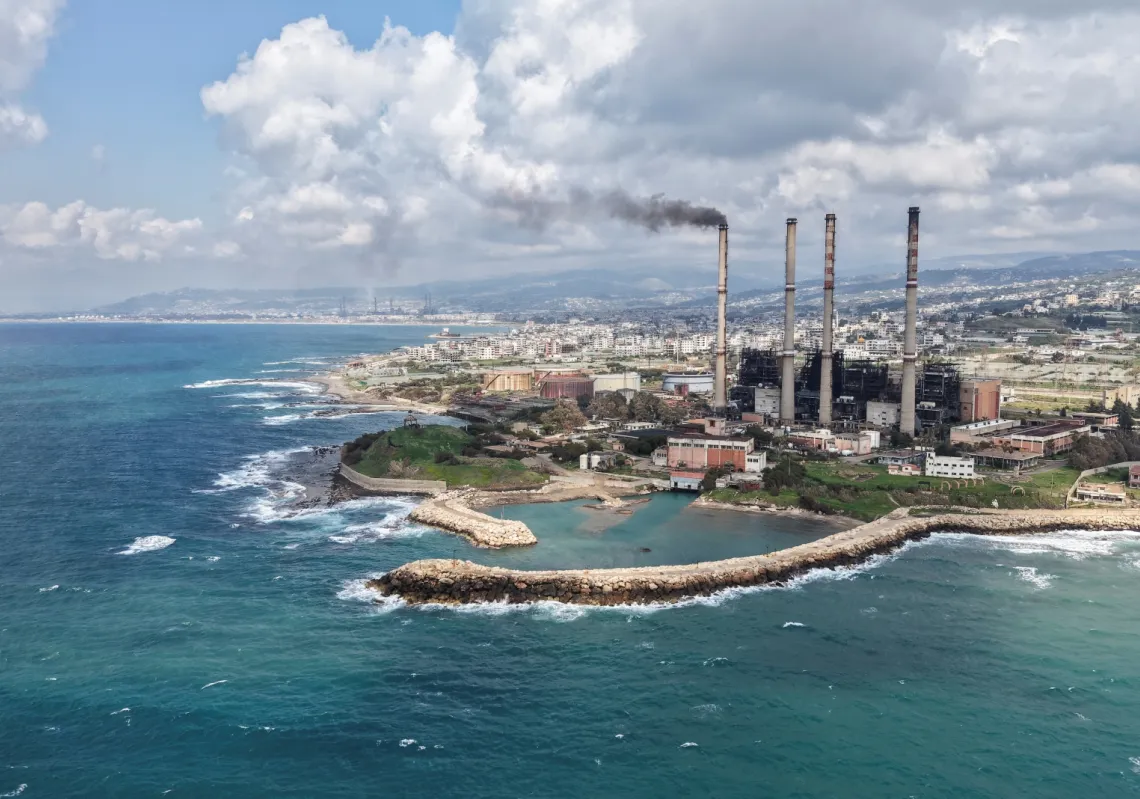
Syrian novelist Khaled Khalifa shares his firsthand account from the heart of the country's capital, describing the endless sorrow of the Syrian people
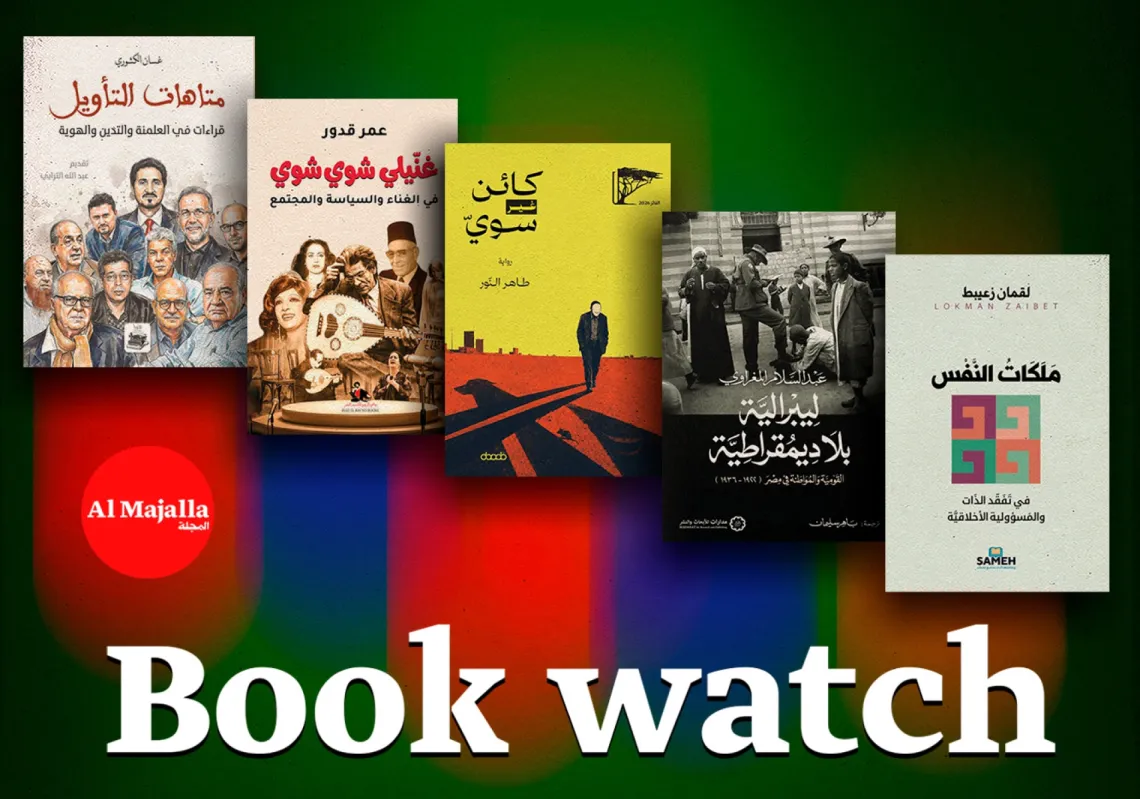
A novelist who decried military rule, tracing it to the country's colonial roots, and a poet showing how tyranny destroys itself both resonate afresh as conflict rages in their homeland once more
Amid little understanding of what started the war, the chances of a clear win for either side are slim in a complex situation. The longer it lasts, the greater the risk of humanitarian catastrophe.
Fighting from Khartoum to Darfur endangers hard-won international support for economic development in one of the world's poorest countries. And there may be worse to come for the Sudanese people.
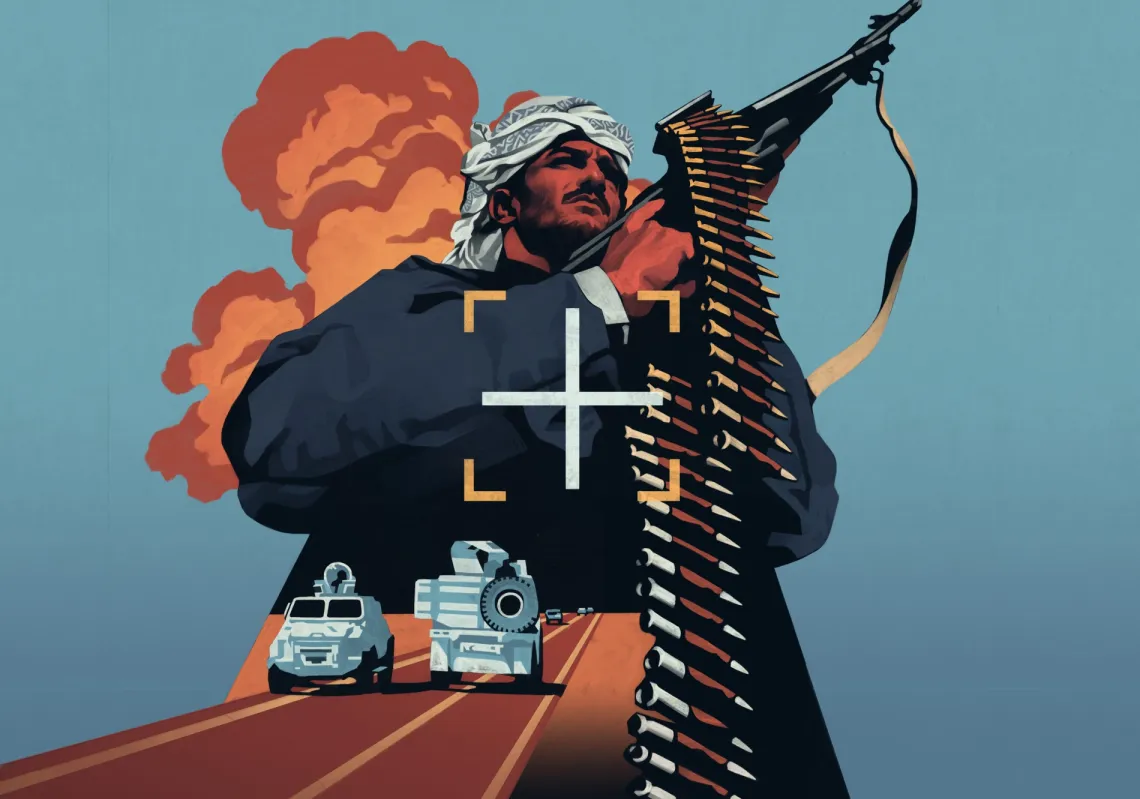
Military strategists have long warned that war should be waged only if those waging it know what they want to achieve. Herein lies a problem: Washington's war aims in Iran are incoherent.
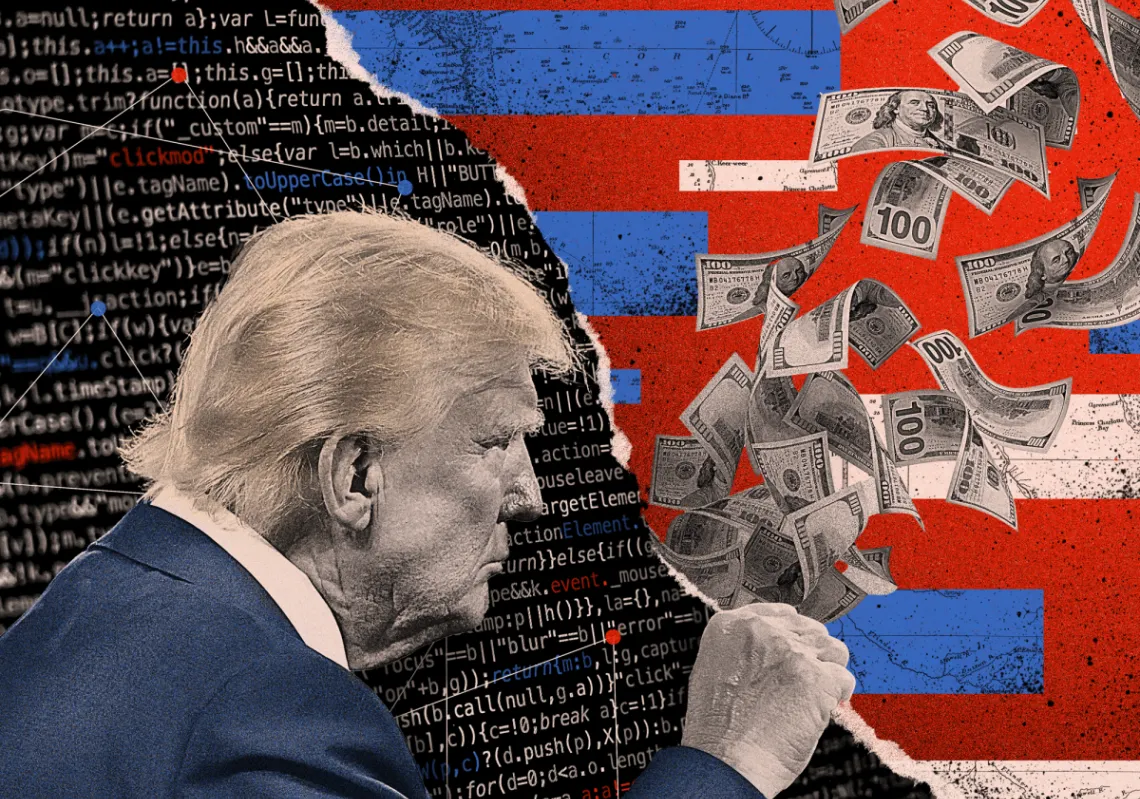
Tehran isn't likely to easily fold if/when Trump attacks. This means that the longer a military confrontation drags out, the more untenable Washington's position becomes.
The conflict has forced Russia to scale back its global footprint and NATO to boost its defence spending. Meanwhile, China and Middle powers have emerged as key beneficiaries.
Natural resources like solar, wind, and water are set to provide 36% of global electricity production this year. Even for sceptics like Donald Trump, the trends are unmistakable.
Some point to his possible links to Mossad through his associate Ghislaine Maxwell, whose father was a known Israeli spy, and assert that he blackmailed powerful figures to exert influence
Al Majalla - London
Sign up for the Weekly Newsletter
Get the best of Al Majalla, straight to your inbox.
