


Jewish supremacy and democracy, two principles that portend Israel's identity, have been increasingly at odds and populists have made their choice as to which of the two they view as more important
The Egyptian novelist and Nobel laureate met an assortment of characters in Cairo's cafes, which helped him capture the vibrancy and colour of the city to great acclaim
In the midst of the Watergate scandal back home, Nixon needed a distraction. After years of isolation, his trip to Damascus on 15 June 1974 paved the way for future visits by US presidents.
Wagner mercenaries have worked with the Rapid Support Forces for years, trading weapons for gold, but Moscow's head seems to have been turned in its quest for a Red Sea naval base.
Vast stretches of farmland are either burned or toxic due to Israel's shelling, with damage to date estimated at $2.5bn, but high levels of a banned substance are by far the most chilling.
Al Majalla talks to the team at Umam, who are working to uncover truths about Shiite history and heritage in Lebanon and expose Hezbollah's political agenda of dominance
The revised Gaza agreement, presented by Hamas and seen by Al Majalla, stipulates "lifting the siege" and insists on Israel's withdrawal, a permanent ceasefire, UNRWA role and reconstruction
Visits to Beijing and Moscow from President Erdoğan's chief emissary suggest either that Turkey is bluffing, or that it may soon be the first NATO member to join a group dominated by Russia and China.
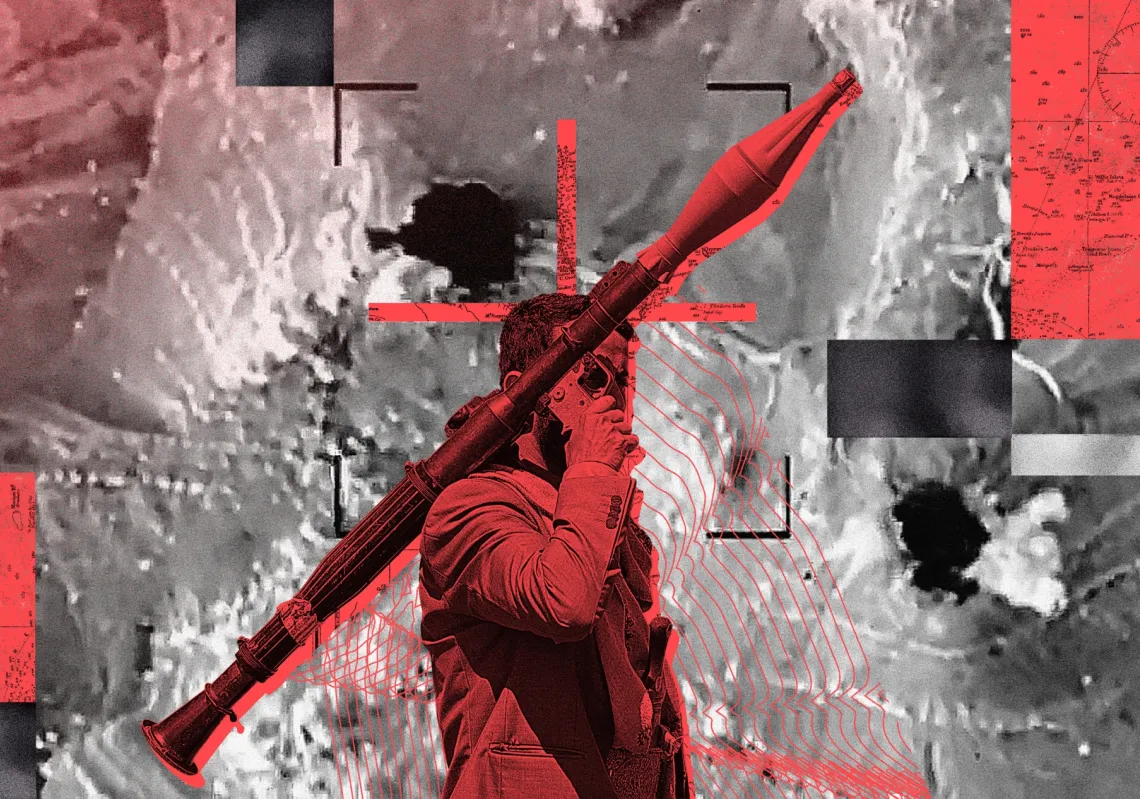
Disruption in the Hormuz can have major implications for global trade, but it also creates opportunities for smaller nations like Iran to become global political players
The Iraq war was viewed as disastrous in retrospect, while the Iran war was unpopular from the get-go. Al Majalla highlights the similarities and differences between the two.
Pipelines have a chequered history in the Middle East, but the closure of the Strait of Hormuz has led US Tom Barrack to conclude that a new route through Syria could solve some problems.
