The outgoing Dutch prime minister is a staunch critic of the Kremlin. His appointment foreshadows a ramping up of NATO support for Ukraine amidst its war with Russia.
Showcasing his economy's resilience despite moves to isolate it, Russia's president was keen to attract potential trade allies at an important conference in St Petersburg.
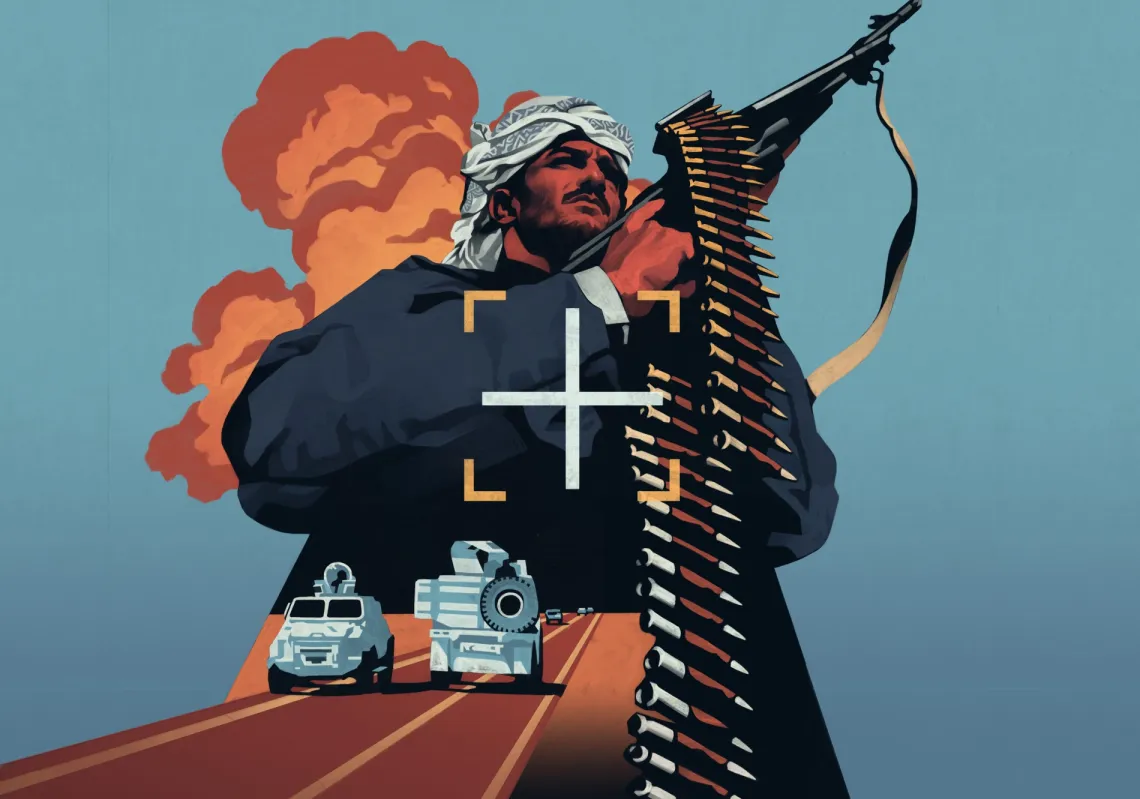
Wagner mercenaries have worked with the Rapid Support Forces for years, trading weapons for gold, but Moscow's head seems to have been turned in its quest for a Red Sea naval base.
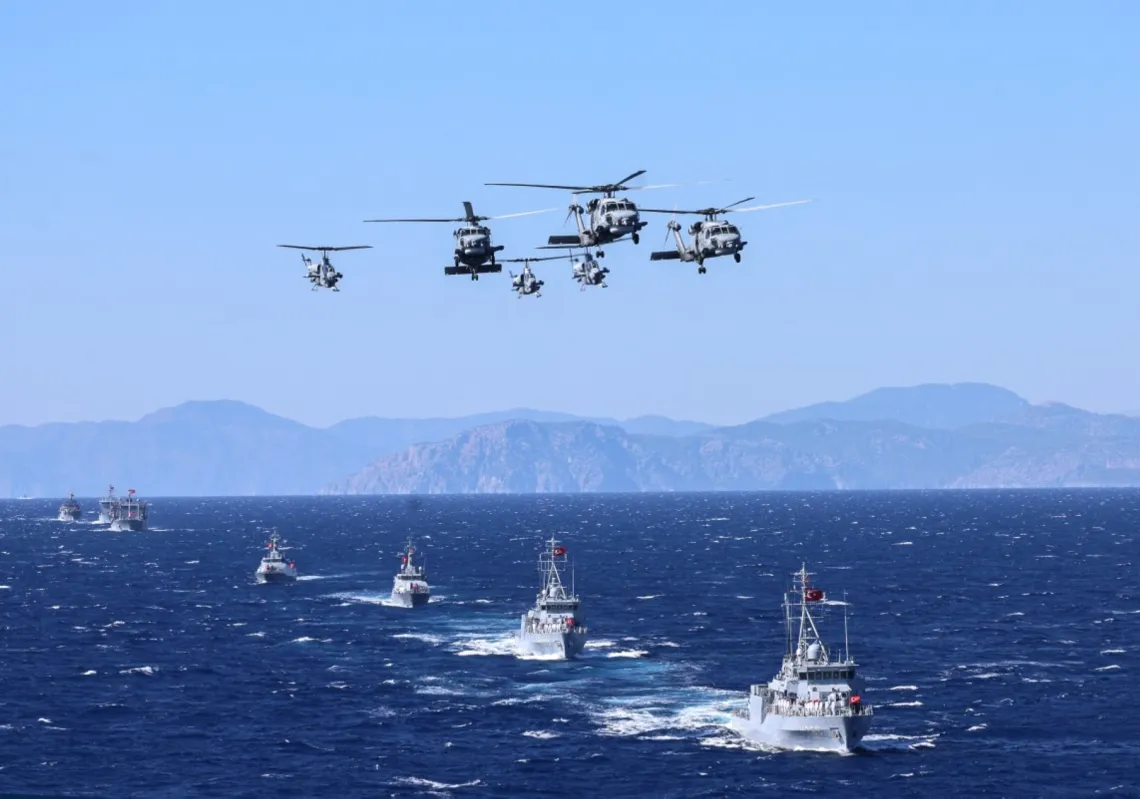
Visits to Beijing and Moscow from President Erdoğan's chief emissary suggest either that Turkey is bluffing, or that it may soon be the first NATO member to join a group dominated by Russia and China.
Despite Biden using the occasion marking 80 years since D-Day to praise Kyiv's "bravery" in fighting Moscow, the two wars have little in common—except maybe how Russian forces were underestimated.
Ukrainian determination remains undimmed but Western arms delays, battlefield changes, and a swing in momentum means that the grinding stalemate some predicted has not come to pass.
Oil revenue boosting the Kremlin's invasion of Ukraine comes from a fleet of ships and intermediaries designed to evade sanctions and price caps. All signs are that it is working.
The two countries' relationship goes back decades and they often see eye-to-eye, but on the issue of Russia's mercenary activities in Algeria's southerly and easterly neighbours, they are at odds.
Erast Belling, an émigré from the Bolshevik revolution, soon found himself in tune with Damascus society and helped found a rich musical tradition, both there and in Lebanon
There were dire predictions over the impact of sanctions and yet growth has increased, thanks to military spending. But there are deeper doubts over whether it can last and what lies ahead.
Disruption in the Hormuz can have major implications for global trade, but it also creates opportunities for smaller nations like Iran to become global political players
The Iraq war was viewed as disastrous in retrospect, while the Iran war was unpopular from the get-go. Al Majalla highlights the similarities and differences between the two.
Pipelines have a chequered history in the Middle East, but the closure of the Strait of Hormuz has led US Tom Barrack to conclude that a new route through Syria could solve some problems.