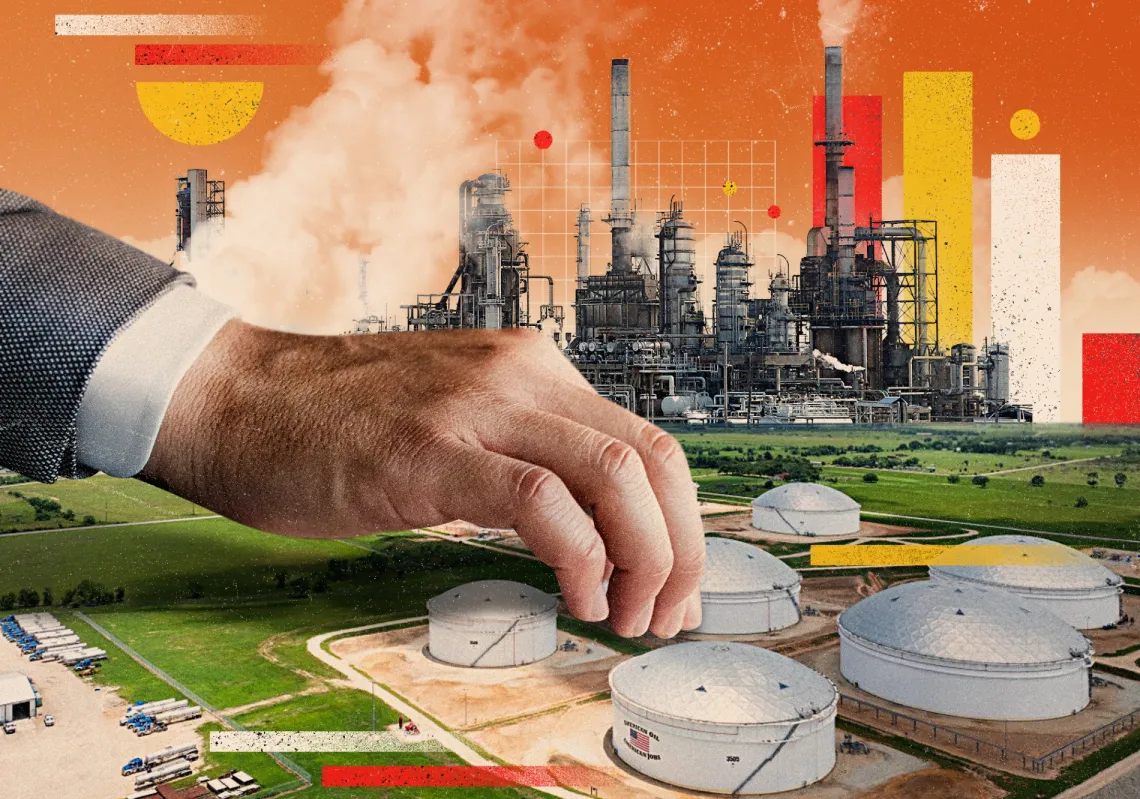
War sent oil firms running while the loss of territorial control in the oil- and gas-rich north-east left the Kurds with the hydrocarbons and Damascus reliant on Iran. Will the good times roll again?
The world faces a renewed geopolitical fault line in South America. Borders drawn by colonial powers cross disputed territory now rich in resources. Fears of war are real, but open conflict unlikely.
Al Majalla outlines the main factors behind Saudi Arabia and Russia's decision to cut oil production and how this could impact the upcoming US elections
Oil reserves in Sudan and South Sudan remain underutilised, largely due to war. Meanwhile, lack of stability has curbed potential foreign investment in East Africa's oil fields.
Saudi Arabia's first-quarter budget figures reflect a steadily diversifying the economy, reducing reliance on oil as the country's main source of income, and boosting opportunities the private sector
Oil rose about 1% on Thursday supported by optimism over China's demand outlook and hopes that upcoming inflation data from the United States will point to a slower increase in interest rates.
Top…
When states are attacked, authority gravitates towards institutions capable of mobilising resources, enforcing discipline, and coordinating a military response
There are few examples of successful US regime-change operations in history. And without permanent ground troop presence, these wins can easily be reversed.
Cairo and Tehran have been at loggerheads since 1979, but the Iranian threat has always acted as a check on Israeli ambitions. If Iran is completely defeated, Israel will reign supreme.