The group's lacklustre former deputy leader was the last viable leadership option once Israel killed Hassan Nasrallah and Hashem Saffiedine. Who is he?
Shiites have always been an integral part of Lebanese society, holding government posts since its first government was formed in 1926, with feelings of "victimisation" only surfacing in the 1960s
Relentless Israeli air strikes have led to losses of $1bn so far, devastating an area home to thousands of small businesses vital to the economy, which had developed over decades
The country was virtually bankrupt before Israel's war displaced more than a million people. Lebanese hope a Paris donor conference will deliver in their hour of need.
A flurry of diplomatic activity accompanied Israel's war on Lebanon in the summer of 2006. Fast-forward to today, there has been a lacklustre response to end the war. Why? Al Majalla explains.
Aged 86, the president of the Amal Movement is a well-known name and battle-hardened parliamentary survivor. Politician, lawyer, and militia leader, what made the Shiite leader who he is today?
Syria's deep economic reliance on Lebanon, shaped by years of conflict and international sanctions, has made regime-held areas particularly vulnerable to Lebanon's economic and political instability
For a country reeling from economic collapse and runaway inflation, war was the last thing it needed. The Gulf provided substantial assistance after the 2006 war. In 2024, new saviours are sought.
Legislation to fund the American military and intelligence services will include requirements that Israeli defence firms be involved in sensitive projects and that classified information be shared
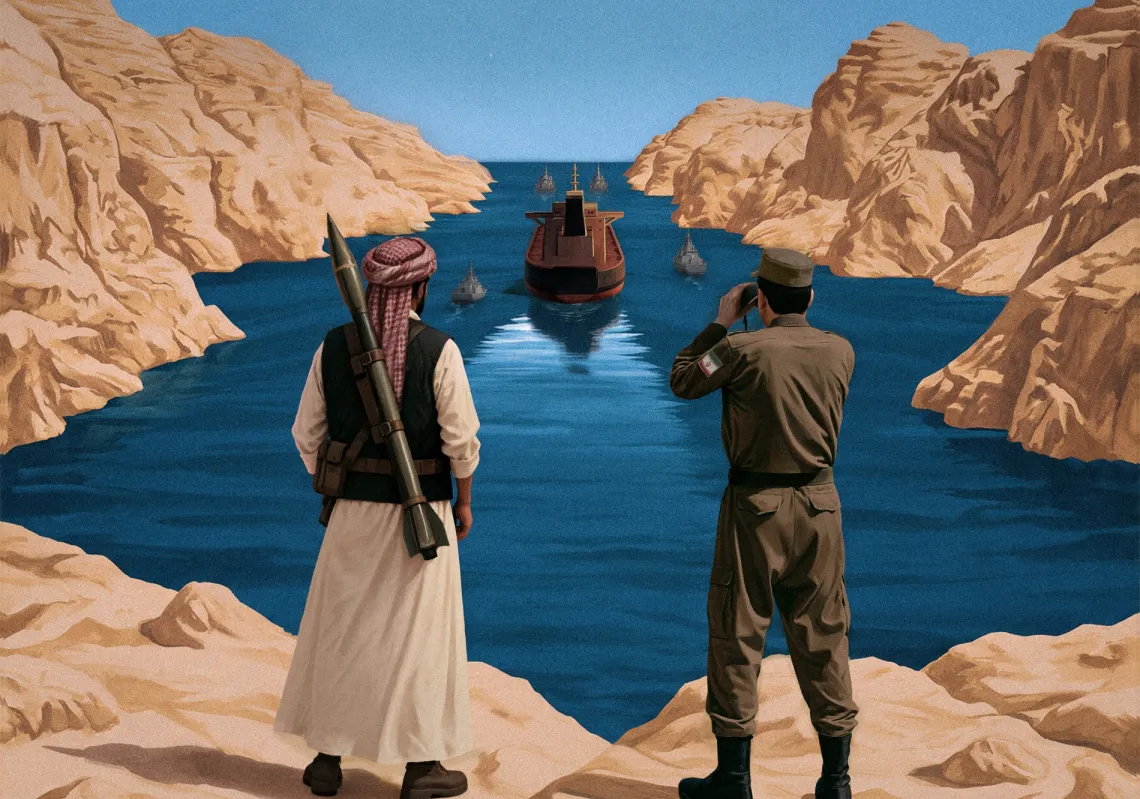
Even if diplomatic progress continues, the Strait could be closed again. As a result, the geopolitical risk premium attached to Gulf energy exports is unlikely to disappear entirely.