Damascus fell into a trap when it sent its troops racing south as fighting erupted between Druze and Bedouins. Why? Because in Israel's arc of fragmentation, Syria is the last piece of the puzzle.
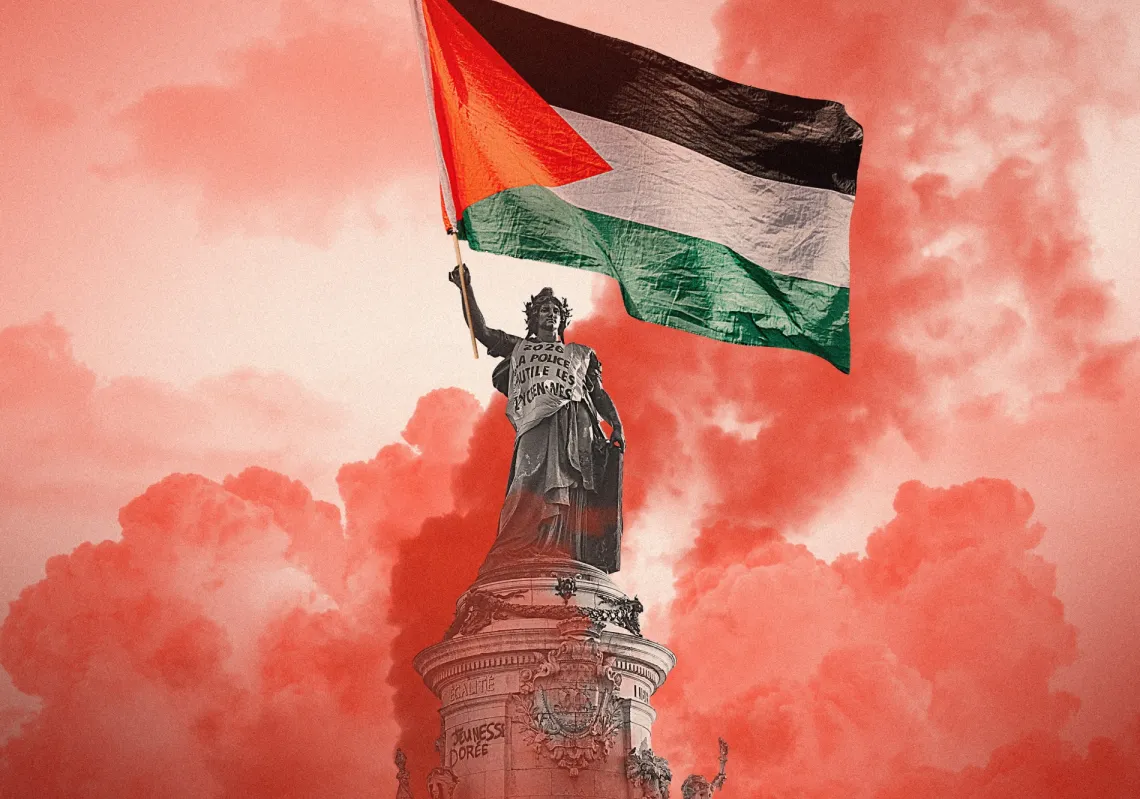
As Israel seeks to reshape the Middle East—militarily, politically, and economically—the Arab world must put forward an alternative vision anchored in the principles of the UN Charter
For more than a century, Jews have been accused of plotting dominion over the Middle East. Recent Israeli military success has simply restored and restoked an age-old canard.
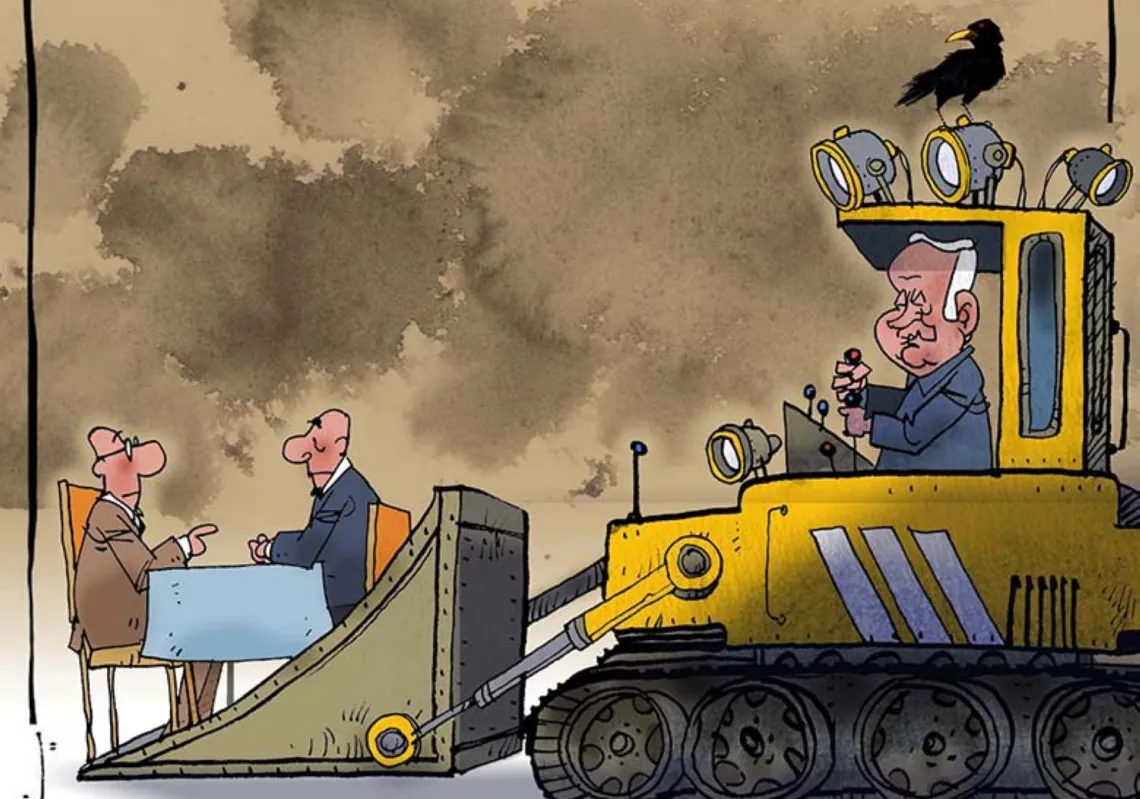
For Benjamin Netanyahu, it would be a 'humanitarian zone'. For most countries, it would be a war crime. For Egypt, it could be the straw that breaks the camel's back.
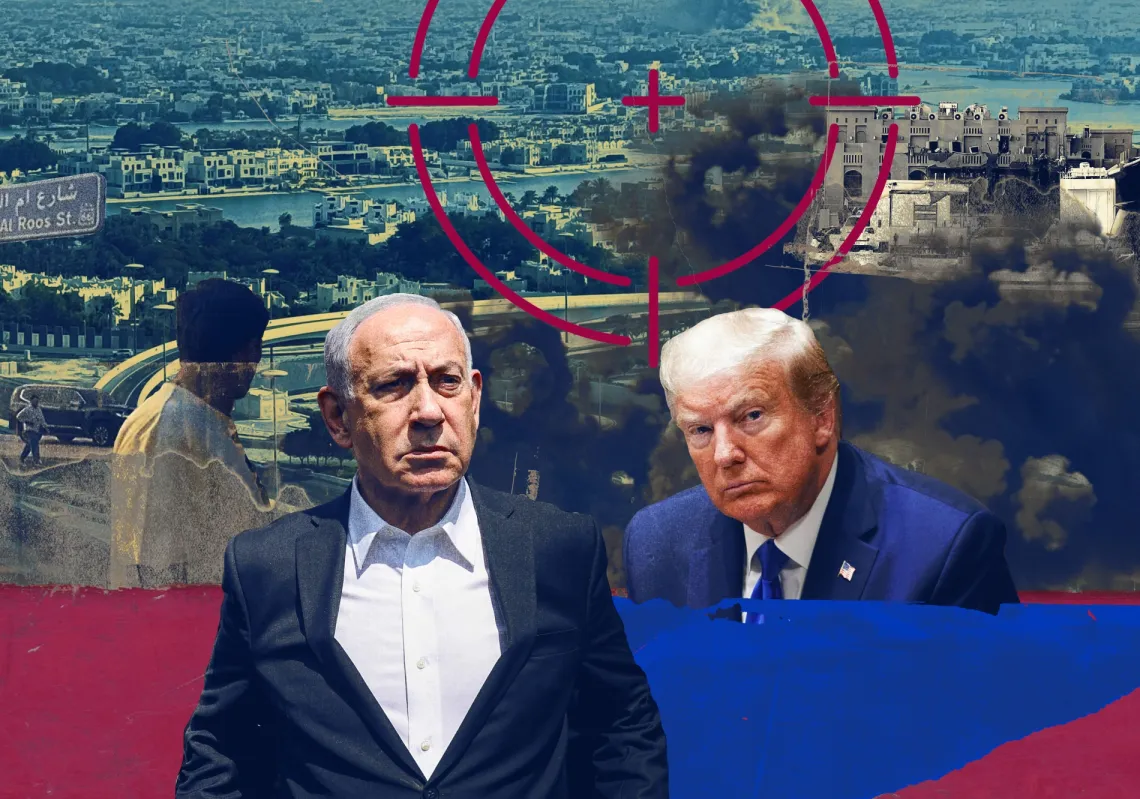
Arming proxies and launching pre-emptive strikes was Iran's 'forward strategy' model since the devastating Iran-Iraq War of 1980-88. Then, from October 2023, Israel copied it. A recipe for disaster?
Tel Aviv does not want a military power led by former Islamists on its doorstep, so is throwing a protective missile system around Syria's minorities, whether they want it or not. Will it backfire?
The gloves are off in cyberspace, with Israeli and Iranian actors increasingly targeting their adversaries' vulnerabilities since the 12-Day War last month. It is forcing a rethink of digital defence.
This is a once-in-a-blue-moon opportunity to agree a détente between two hostile neighbours, but getting there is tricky. Several issues must (but can) be overcome.
Does the declaration recently signed in Riyadh indicate a gradual transition towards a regional security architecture that will assume responsibilities long borne by external naval powers?
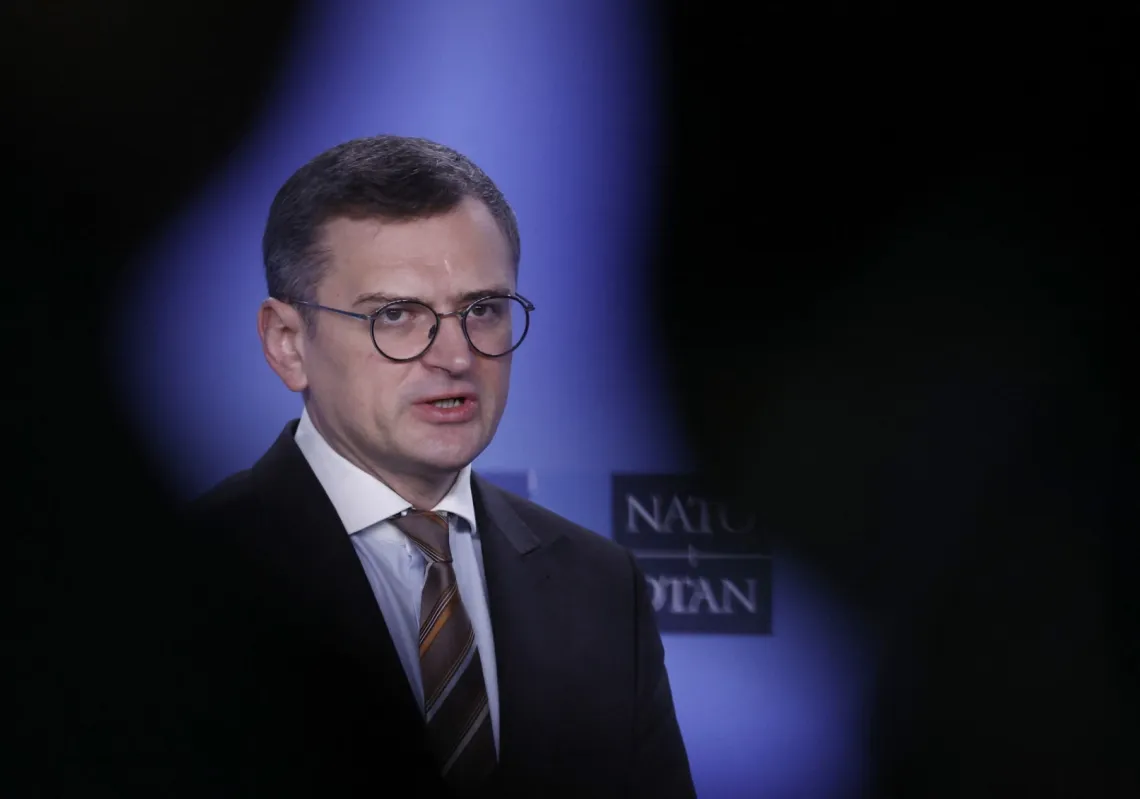
Come November, the Egyptian-American epidemiologist could become the first Muslim senator in US history, despite $70mn spent to defeat him in the Democratic primary