

Apart from its ongoing genocide in Gaza, Israel has, this week, attacked Syria, Lebanon, Tunisia and, most shockingly, Qatar—a staunch US ally. But in Yemen, it's been especially brutal.
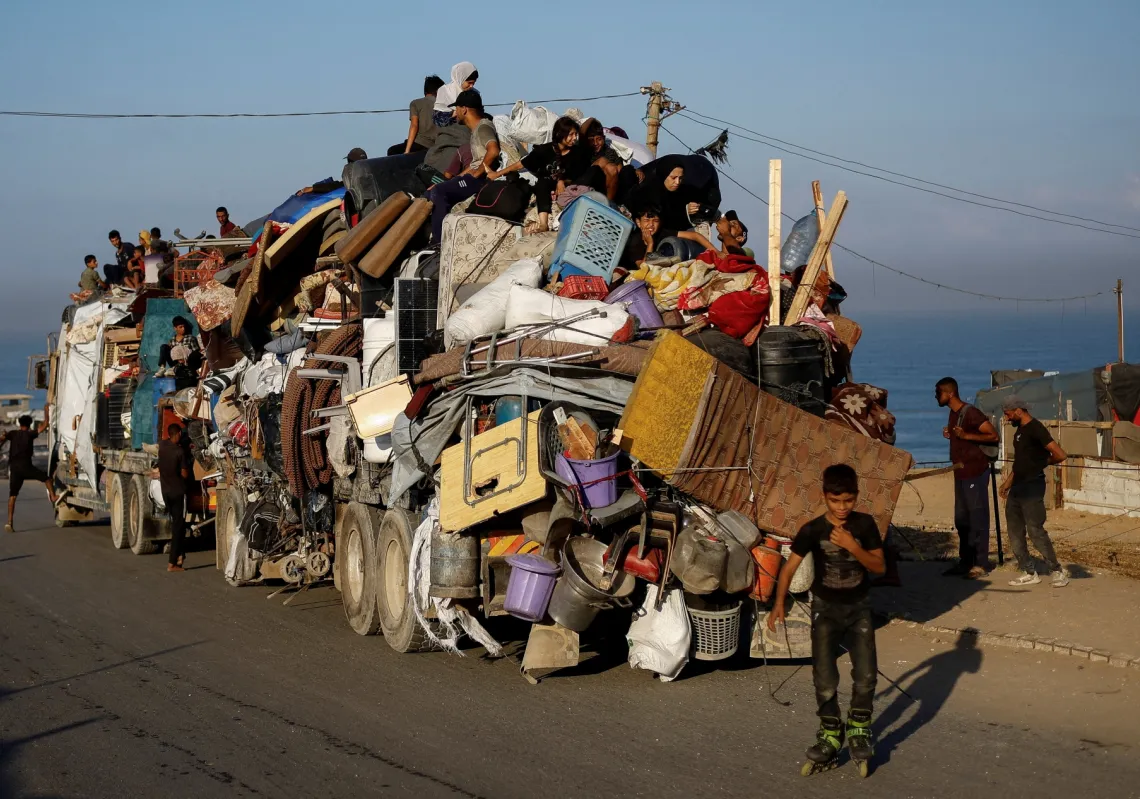
Vast areas of the Strip are being flattened. Even trees are being destroyed, lest a Palestinian hide behind them. Increasingly, explosive-laden vehicles are being sent to do the damage.
His emerging strategy shows a willingness to gamble on high-profile assassinations, even at the expense of diplomatic blowback, regional stability, and fragile negotiations
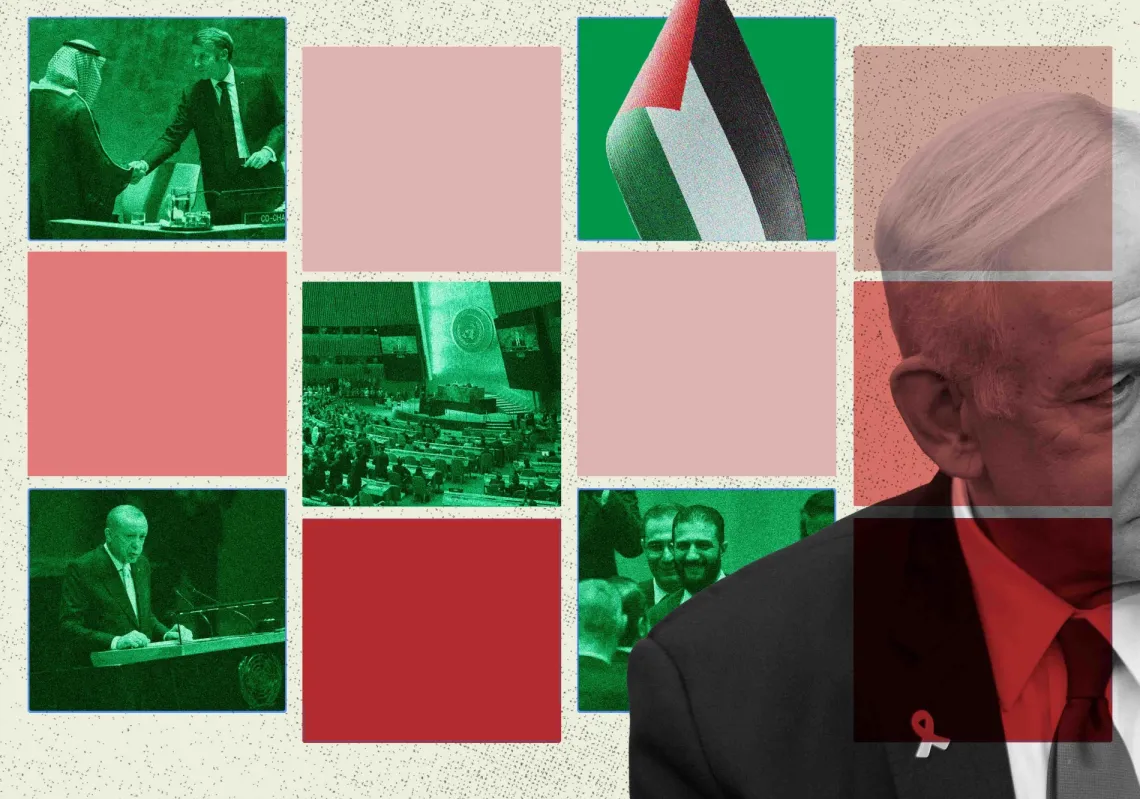
Doha says it will keep up its efforts to secure a ceasefire in Gaza, despite Israel's targeting of Hamas leaders on its soil, but some are doubtful. But is peace even possible at this point?
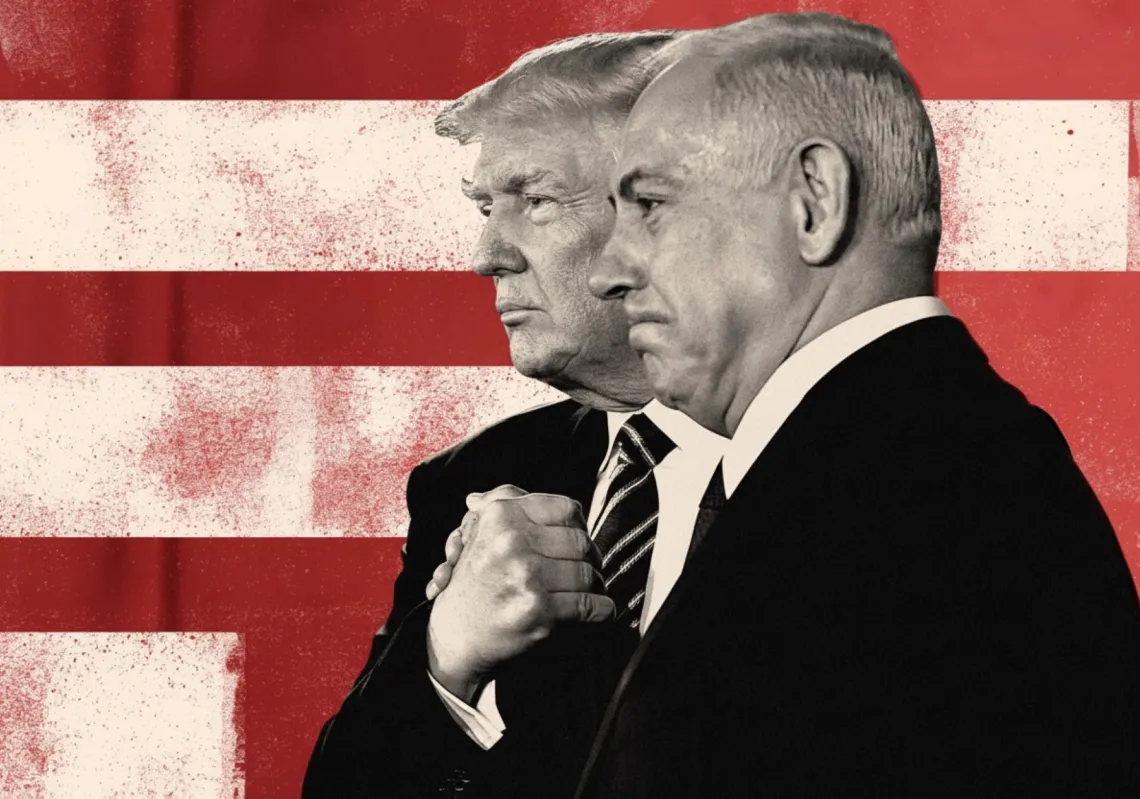
The White House moved quickly to distance itself from the attack on a key ally in the region, but it's unclear whether the trust can ever be repaired, which bodes badly for hopes of a Gaza ceasefire
While the US public has long been supportive of Israel, its genocide in Gaza appears to have had a big effect, with most young Americans now outright hostile towards it
The joint and combined military exercise is a benchmark of Egypt-US relations, yet it also raises questions about the two countries' long-term strategic alignment
Shaibani held several calls with the Mossad chief days before the strike, explaining why the airport's runway was being rehabilitated and that it had no hostile intentions, but Israel bombed it anyway
Ambassador Asim Iftikhar Ahmad speaks to Al Majalla about Islamabad's diplomatic role in the talks between the US and Iran, its balancing act between Tehran and Riyadh and the Mecca Pact
From Apple's chips to Nvidia's data centres, Israeli tech has embedded itself in the global tech ecosystem. This comes with grave national security implications.
Balancing the competing interests of regional and global stakeholders is no easy task. Can the president keep Syria from becoming an arena for regional conflict?