Iran-backed militias carefully weigh their next moves after Israel's stunning success against Hezbollah. Will they ramp up their attacks or opt for self-preservation?
A new reality emerges after Israel's assassination of Hezbollah leader Hassan Nasrallah. What happens next could have serious ramifications for Lebanon, Israel and the entire region.
Just after Israel invaded Lebanon, Hezbollah fired missiles at the Mossad headquarters in Tel Aviv. Hours later, Iran followed with over 200 missiles. Now, the region waits for Israel's next move.
On Monday, three rockets were fired at the Victoria military base in Baghdad hosting US troops. A day earlier, the Islamic Resistance in Iraq claimed a drone attack on the Israeli port city of Eilat.
After Israel avoided prevention measures and sent tens of thousands of messages to Lebanese citizens, fears have grown over the security of a key part of the country's infrastructure
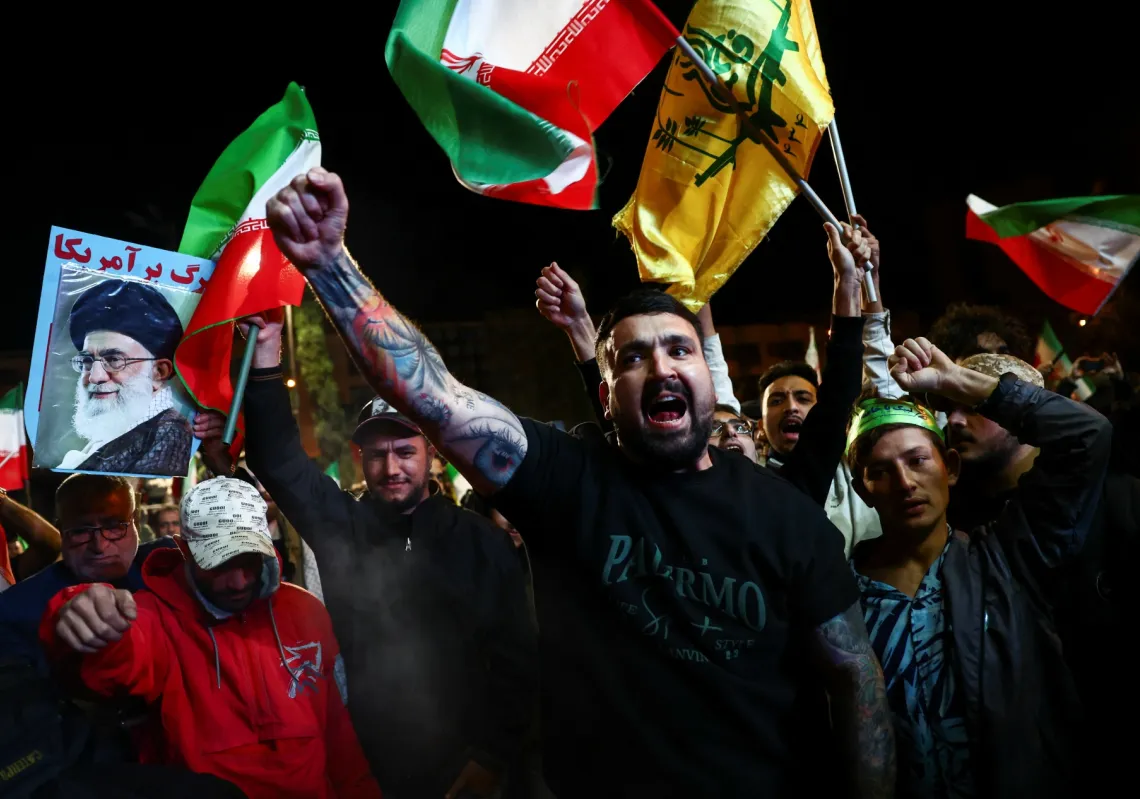
Iran-backed militias carefully weigh their next moves after Israel's stunning success against Hezbollah. For now, they may opt for self-preservation as they go through their most vulnerable time.
Legislation to fund the American military and intelligence services will include requirements that Israeli defence firms be involved in sensitive projects and that classified information be shared
Even if diplomatic progress continues, the Strait could be closed again. As a result, the geopolitical risk premium attached to Gulf energy exports is unlikely to disappear entirely.