As part of the repercussions of the Russian-Ukrainian war, Europe is suffering from a severe energy crisis and has come to take strict measures to ration energy consumption.
This is what some…
India posted annual economic growth of 6.3% in its July-September quarter, far slower than the 13.5% growth reported in the previous three months as distortions caused by COVID-19 lockdowns faded in…
Saudi Arabia, Egypt, and Algeria have emerged as strong candidates to join the "BRICS" group, which currently houses 40% of the world's population and whose gross domestic product (GDP) exceeds the…
Lebanon's economy, hit by one of the world's most severe crises, continues to contract although the pace of that contraction has somewhat slowed, the World Bank said in a report published Wednesday.
…
Sterling slipped against a strengthening U.S. dollar on Monday as global risk sentiment was dented by rising COVID-19 cases in China, which led to new restrictions in the world's second largest…
Growing up in a Chinese village, Julian Zhu only saw his father a few times a year when he returned for holidays from his exhausting job in a textile mill in southern Guangdong province.
For his…
IMF chief Kristalina Georgieva said on Wednesday she expects new Prime Minister Rishi Sunak to steer Britain towards fiscal sustainability and said he was right to warn the public of difficult…
Japanese Economy Minister Daishiro Yamagiwa plans to step down on growing calls from the opposition to resign due to his insufficient explanations about his ties to the controversial Unification…
China delayed the release of economic indicators scheduled for publication this week, including its third-quarter gross domestic product data due on Tuesday, according to an updated calendar on the…
U.S. President Joe Biden on Saturday criticized British Prime Minister Liz Truss's original economic plan as a mistake and said he was not concerned about the strength of the soaring U.S. dollar.
…
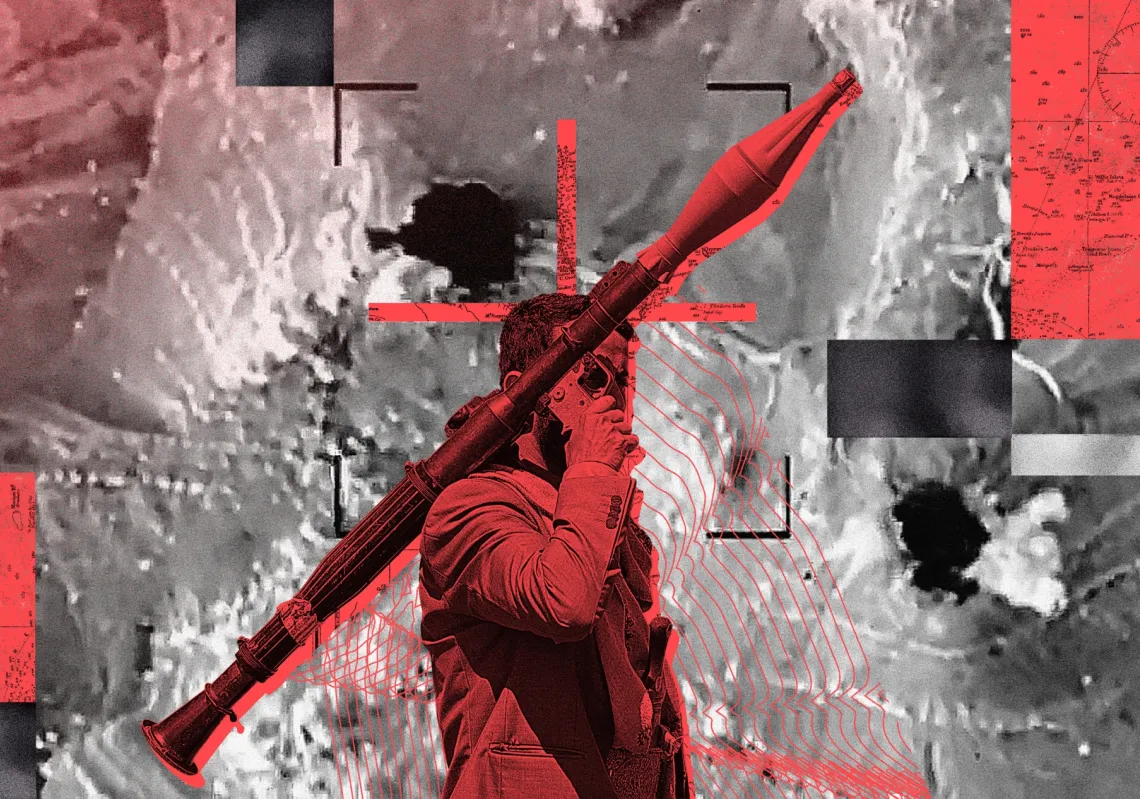
From military spending to energy markets, the US-Israeli war on Iran is driving rising costs, with the Strait of Hormuz emerging as a central pressure point
Until fairly recently, most Americans sided with Israel. These days, most side with the Palestinians. That will eventually influence US foreign policy.
Any disruption in the Hormuz has cascading knock-on effects that extend far beyond energy markets, impacting international trade. Al Majalla explores all this and more.
Al Majalla - London
Sign up for the Weekly Newsletter
Get the best of Al Majalla, straight to your inbox.