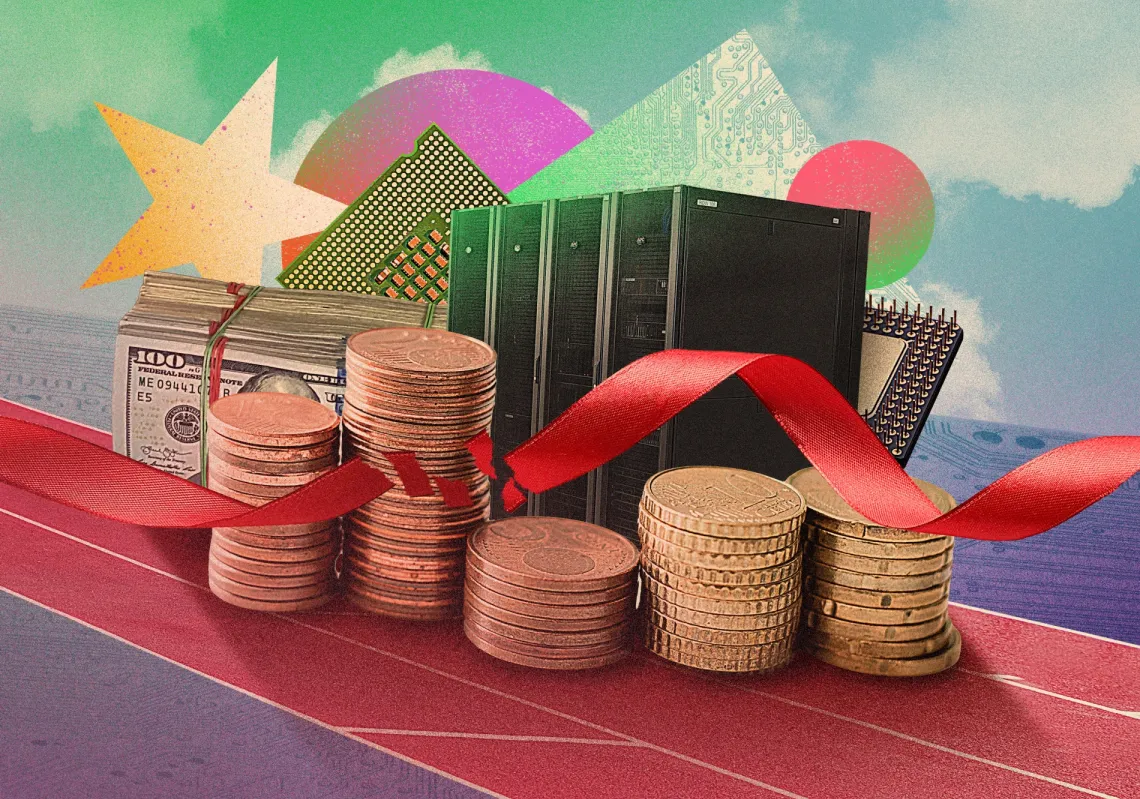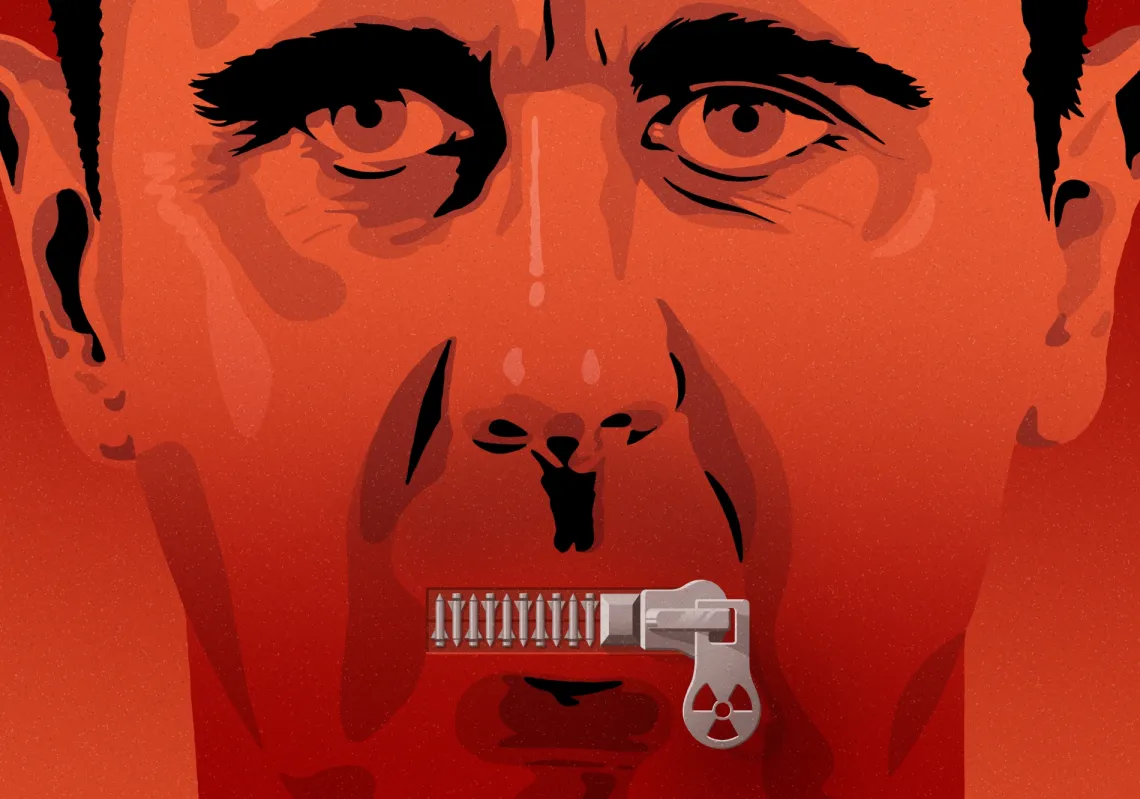

Economic blockades have long served as instruments of coercion, deliberately positioned in the grey zone between diplomacy and war. They have been used throughout history as a pressure tactic to force the enemy to make concessions at the negotiating table. This could be what Trump hopes to achieve by imposing a naval blockade on Iran, which continues to exercise control over what ships can enter and exit the Strait of Hormuz.

Blockading the blockade: Trump tightens his chokehold on Iran is this week’s cover story. In it, we examine the political and economic repercussions of the US naval blockade on Iran and whether such a strategy is sustainable amid Iran’s proven ability to withstand US pressure tactics.

Three Cheers for Trump's Foreign Policy

[caption id="attachment_55257319" align="aligncenter" width="900"] Republican presidential candidate Donald Trump speaks to guest gathered during a campaign event at the International Air Response…

Majalla

The Security Risks of a Trade War With China

[caption id="attachment_55257280" align="aligncenter" width="900"] The Arleigh Burke-class destroyer USS Stethem (DDG 63) arrives at the Wusong military port on November 16, 2015 in Shanghai, China…

Majalla

Putin's Plan to Russify the Caucasus

[caption id="attachment_55257268" align="aligncenter" width="950"] Russian President Vladimir Putin (C), Defence Minister Sergei Shoigu (R) and Commander in Chief of the Russian Navy Vladimir Korolev…

Majalla

Is Japan Becoming a Country of Immigration?

[caption id="attachment_55257265" align="aligncenter" width="1000"] A tourist in front of Tokyo's Imperial Palace, November 2016. (Reuters)[/caption] By Yunchen Tian, Erin Aeran Chung As the only…

Majalla

The People's Authoritarian

by Michael Kimmage Lost Kingdom: The Quest for Empire and the Making of the Russian Nation. Serhii Plokhy. Basic Books, 2017. 432pp. The Long Hangover: Putin’s New Russia and the Ghosts of the…

Majalla