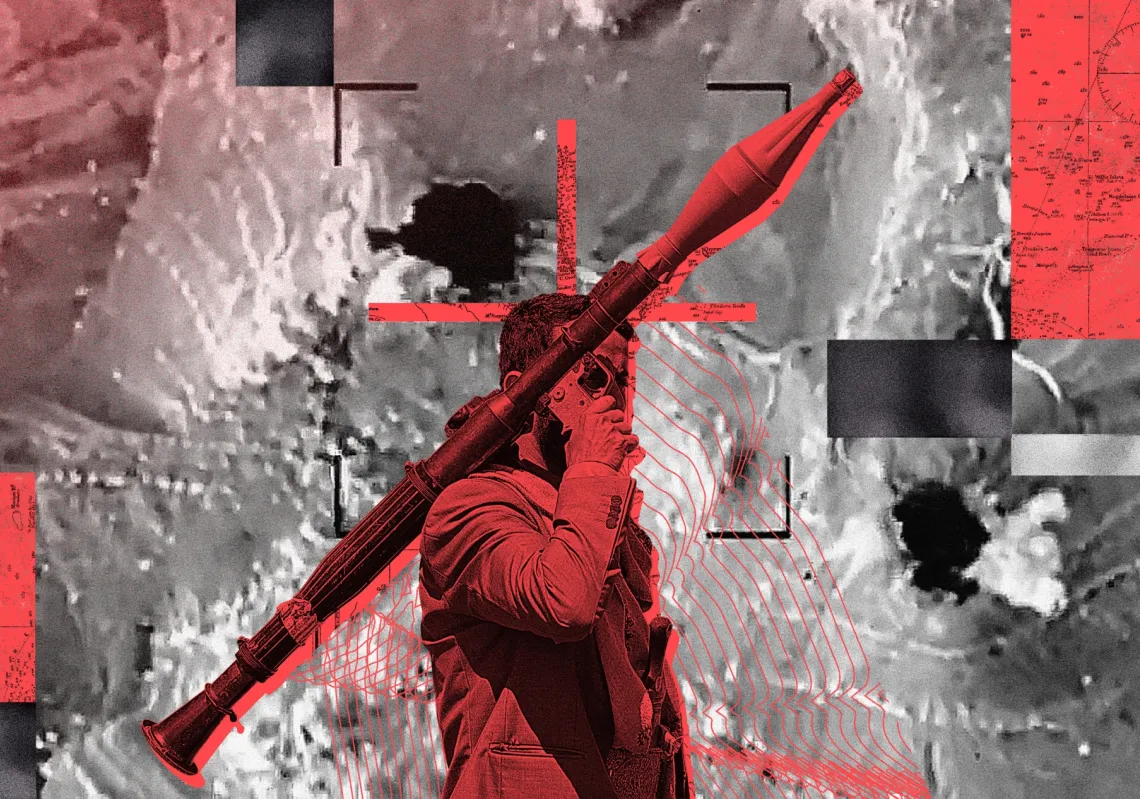
The initiative runs alongside an agreed budget and political discussions on power-sharing facilitated by an American envoy, but Washington is concerned about the presence of foreign fighters
For most policy-makers and pundits, the Middle East has long been a tinderbox. American presidents in the past feared a US-Soviet confrontation in the event of Arab-Israeli wars. Richard Nixon, at…
Illustration by Ali al-Mandalawi
Trabelsi was born in the Tunisian Djerba Island, which is situated in the Mediterranean Sea near Libya. This island is home to El…
As the head of the country’s biggest political party for eighteen years, and its chancellor for twelve,Angela Merkelhas done more to shape contemporaryGermanythan any post-war leader other than…
Earlier this month,Geir Pedersen, Norway’s ambassador toChinaand a former permanent representative to theUnited Nations, was appointed special envoy on theSyriaconflict. He replaces the veteran…
Former Deputy Assistant to the President and Deputy National Security Advisor: Democratic-led Congress Unlikely to Make Drastic Changes in Policy Toward Iran or Saudi Arabia
Diplomat,…
The Republican Party might have lost the US House of Representatives in midterm elections to Democrats, but the US Senate – the legislative arm that usually influence foreign policy – remains under…
Talk to anybody in Washington and you will hear an ominous mantra: the Russians are back. A resurgent Moscow is sowing discord among Western states and trying to re-establish its sphere of influence…
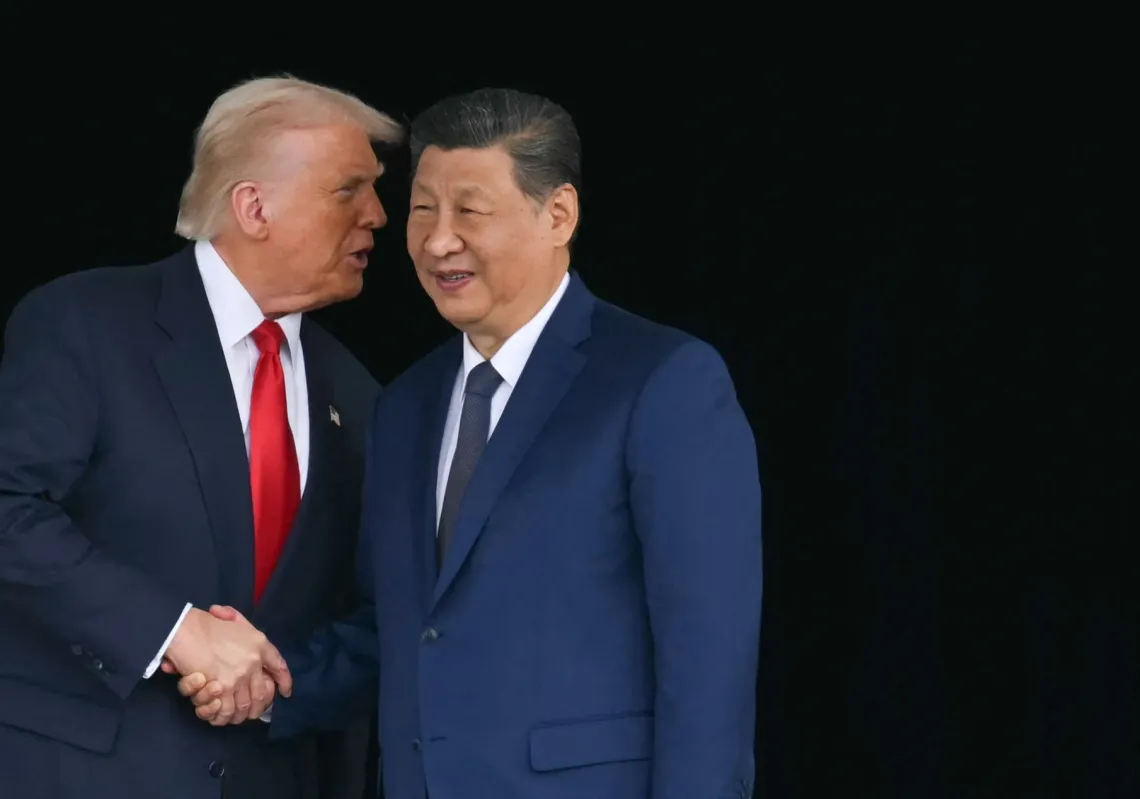
While all the effects of this conflict may take time to fully realise, short and medium-term signs expose the limits of US power and see America's rivals benefiting
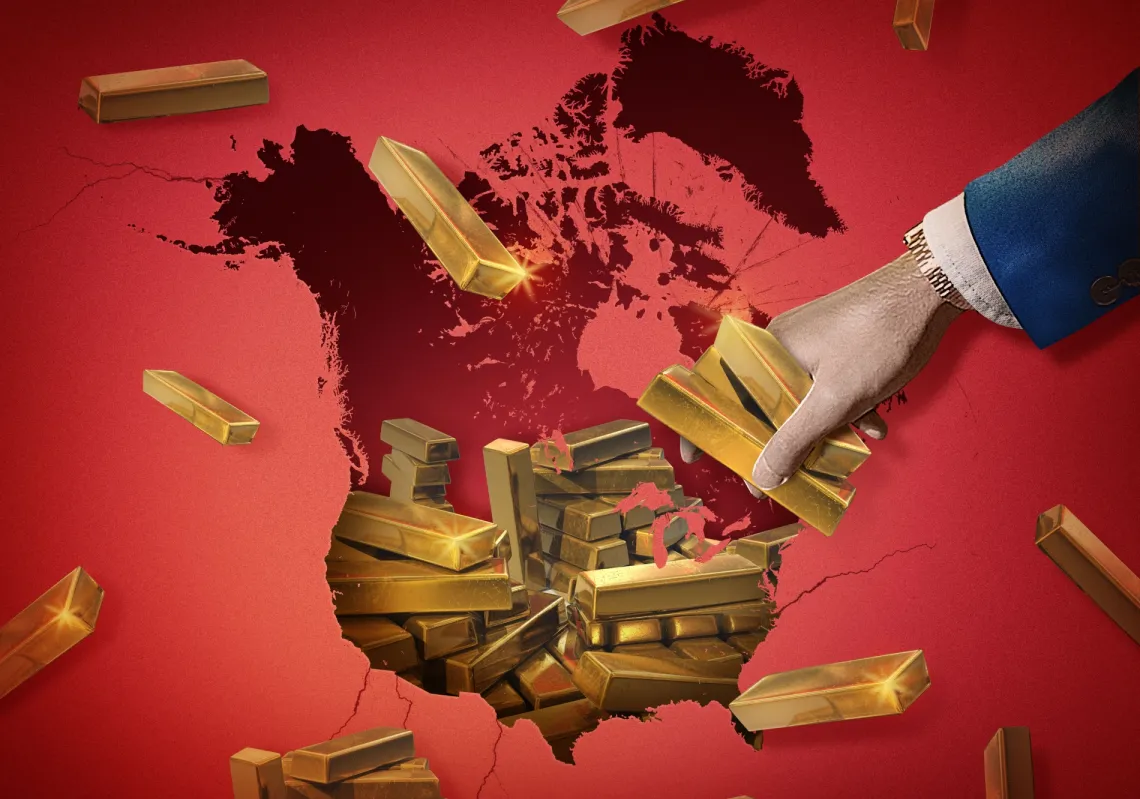
Closing the Strait of Hormuz has shown how the Gulf should shift from an oil-export model to a digital and distribution hub. Will this trigger the long-delayed free trade agreement with China?
Building on the ten-day ceasefire announced by US President Donald Trump, time will tell if these talks are a one-off or the beginning of a different path for Lebanon.
Egyptian heritage researcher Haytham Abu Zayd sheds light on how the art form grew, excelled, and then declined over the years and ends by offering a path to revival