The current conflict is unlikely to go global for now, but the speed at which it has spread regionally is alarming. A look at history shows the geopolitical factors that led to world wars.
After the October War came shuttle diplomacy. Al Majalla reveals what went on in the room when two statesmen met and managed to draw up a historic peace agreement.
In 1961, a coup in Syria effectively ended the UAR; in 1970, Abdel Nasser died, and in 2000, Ariel Sharon entered the Al Aqsa mosque, compound sparking the second intifada.
Decades after his death, contradicting testimonies over events that transpired when Abdel Hakim Amer supposedly took his own life have surfaced. Al Majalla explores these different accounts.
A trove of exclusive top-level documents obtained by Al Majalla reveals how US policy priorities for Syria shifted from normalisation with Israel to severing its ties to Iran between 2000-2011
The Oslo Accords cemented the fragmentation of the Palestinian national discourse and weakened its political entities. Al Majalla explains how the pact gave Israel a clear advantage.
What once looked like a landmark opportunity, has now fizzled out. But there is a way toward a homeland Palestinians deserve via better leaders. Al Majalla explains.
Although a ruthless authoritarian, Mao is still revered by many in China and inspired millions worldwide. On the 47th anniversary of his death, Al Majalla gives a nuanced take on his lasting legacy.
Now known as the Sweida Governorate, it has a unique history, steeped in resistance to empires and colonialists. This is its story of the mountain, dating back to a flight from the Levant.
Secret documents obtained by Al Majalla reveal how al-Assad was able to get American support to eliminate his rivals. Aoun was sent into exile to Paris and Geagea was imprisoned.
Fidel's brother built Cuba's armed forces and took over the presidency when his more charismatic sibling fell ill two decades ago. A recent US indictment from a 1996 incident now asks new questions.
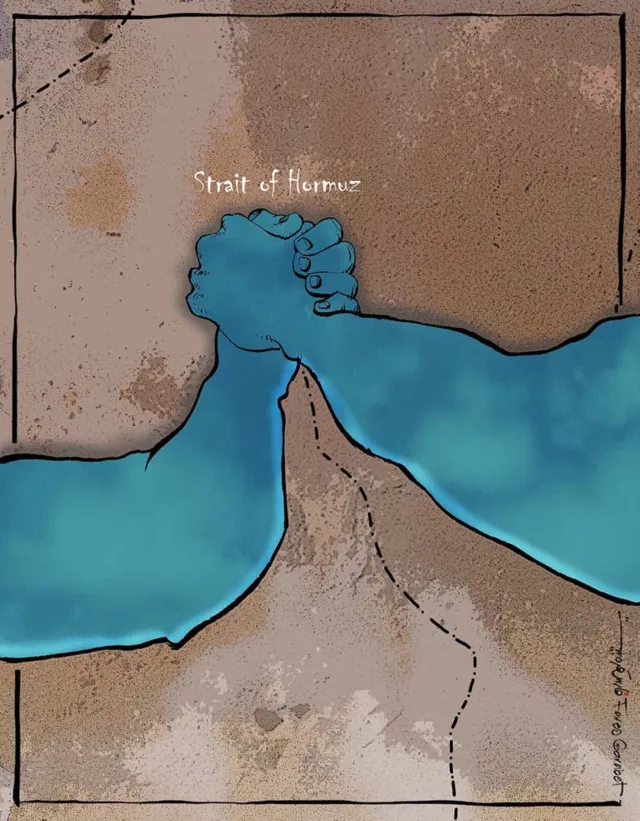
With war closing the Strait of Hormuz, Islamabad has become both broker and bridge, mediating between rivals while keeping Beijing's overland trade routes alive
Some predict 'the end of jobs,' others a 'jobs apocalypse,' but optimists think people will adapt and get paid to do different things. Amidst war and mountains of debt, is AI a help or a harbinger?