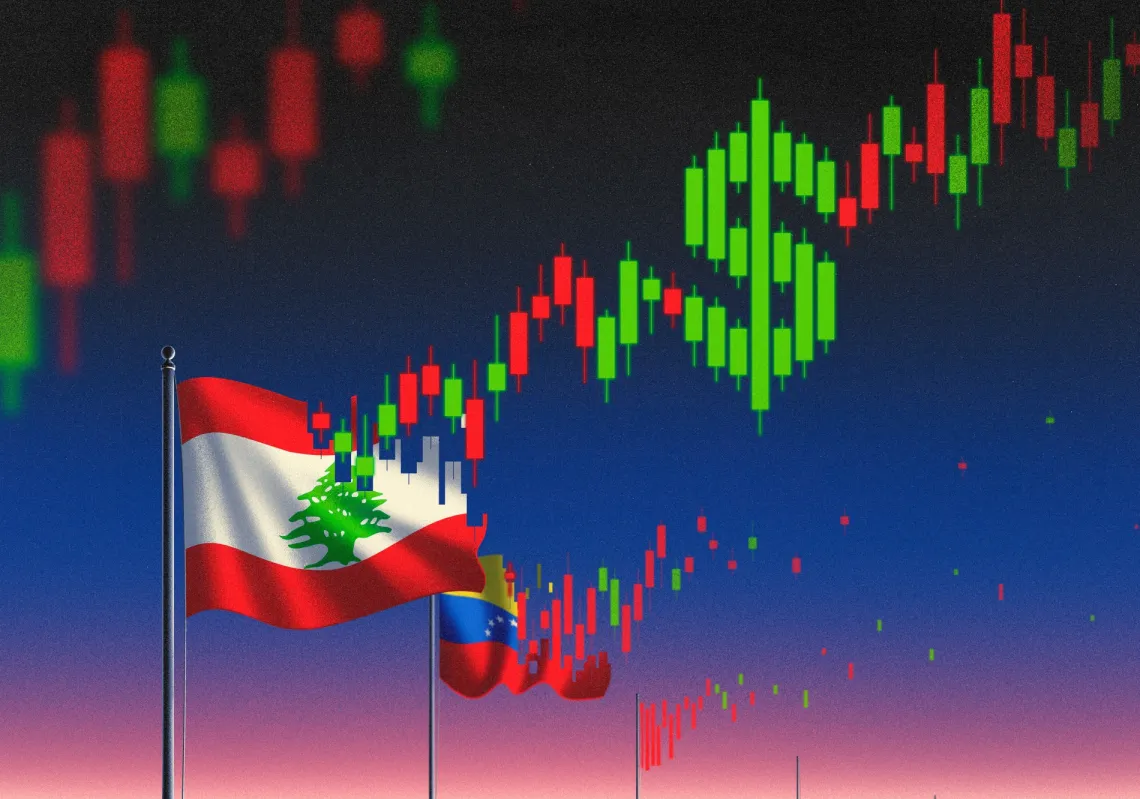
An estimated 60% of all US banknotes in circulation are held outside the United States. In many parts of the world, the dollar is effectively the unofficial local currency. Al Majalla explains why.
Japan, the third-strongest global economic power for over a decade, has been surpassed by Germany. It grapples with inflation, sluggish consumerism and demographic decline.
The production and export of food are economically important for both Morocco and its customers, both in Europe and Africa. Yet not everyone is pleased, as France's president found out this week.
A new form of green fuel could quickly provide some of Europe's big energy solutions. From across the Mediterranean, producer states like Morocco are getting ready.
Both China and the Gulf have much to offer one another, especially with the Gulf's thirst for big infrastructure projects and China's thirst for carbon.
Cairo and Abu Dhabi shook hands on a huge development project on Egypt's north coast, giving it a much-needed cash injection. But is Egypt selling the family silver in desperation?
Twin fears of an inward-looking Donald Trump and a westward-looking Vladimir Putin have left officials in Europe's treasuries urgently revising their budgets to make room for more defence spending.
Despite sanctions, a brain drain, investor withdrawal, inflation, high interest rates, falling oil prices and reducing reserves, Vladimir Putin thinks Russia's economy is A-grade. Is it?
A deal in Brussels to update the bloc's 25-year-old Stability and Growth Pact on spending and borrowing rules could lead to new EU bonds and regulations. Yet it could also help the populist far-right.
The revival of a long-shelved plan highlights Egypt's ambition for a secure, low-carbon source of power also capable of driving development and growth.
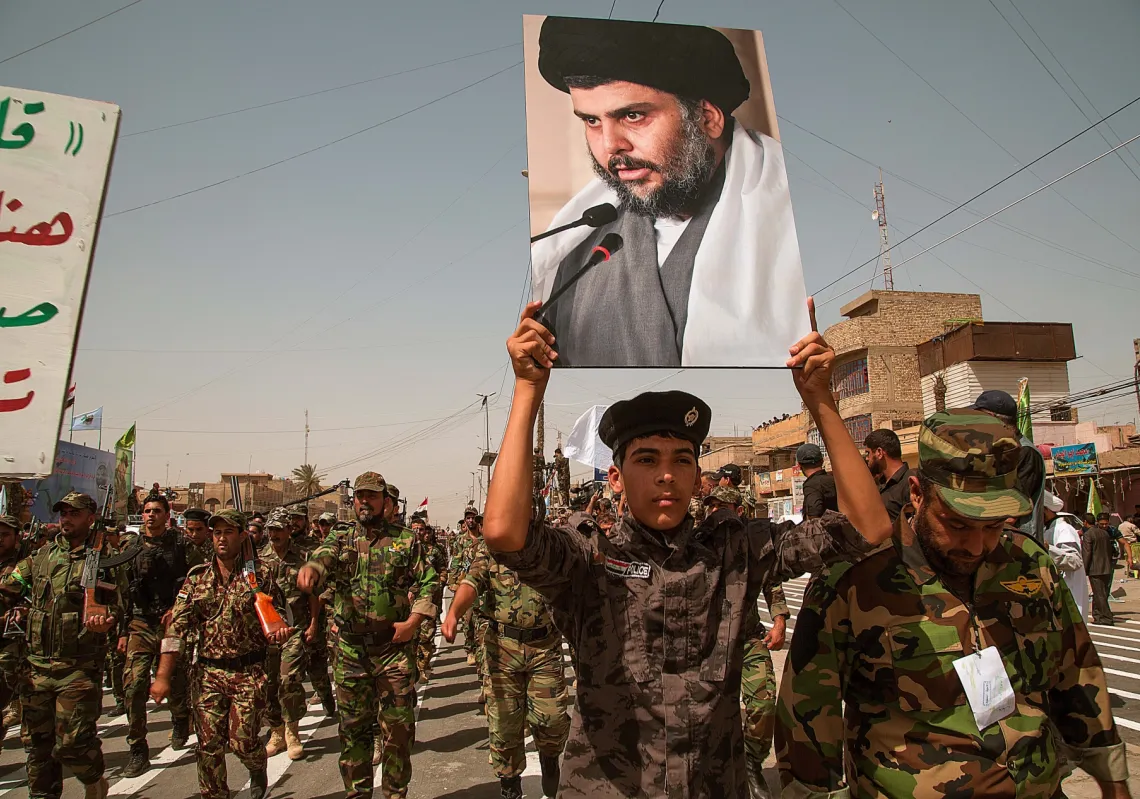
The decision to dismantle the Peace Brigades may herald a new stage in the Iraqi state's trajectory, or it could just be a shrewd recalibration to disorient friend and foe alike
An estimated 60% of all US banknotes in circulation are held outside the United States. In many parts of the world, the dollar is effectively the unofficial local currency. Al Majalla explains why.
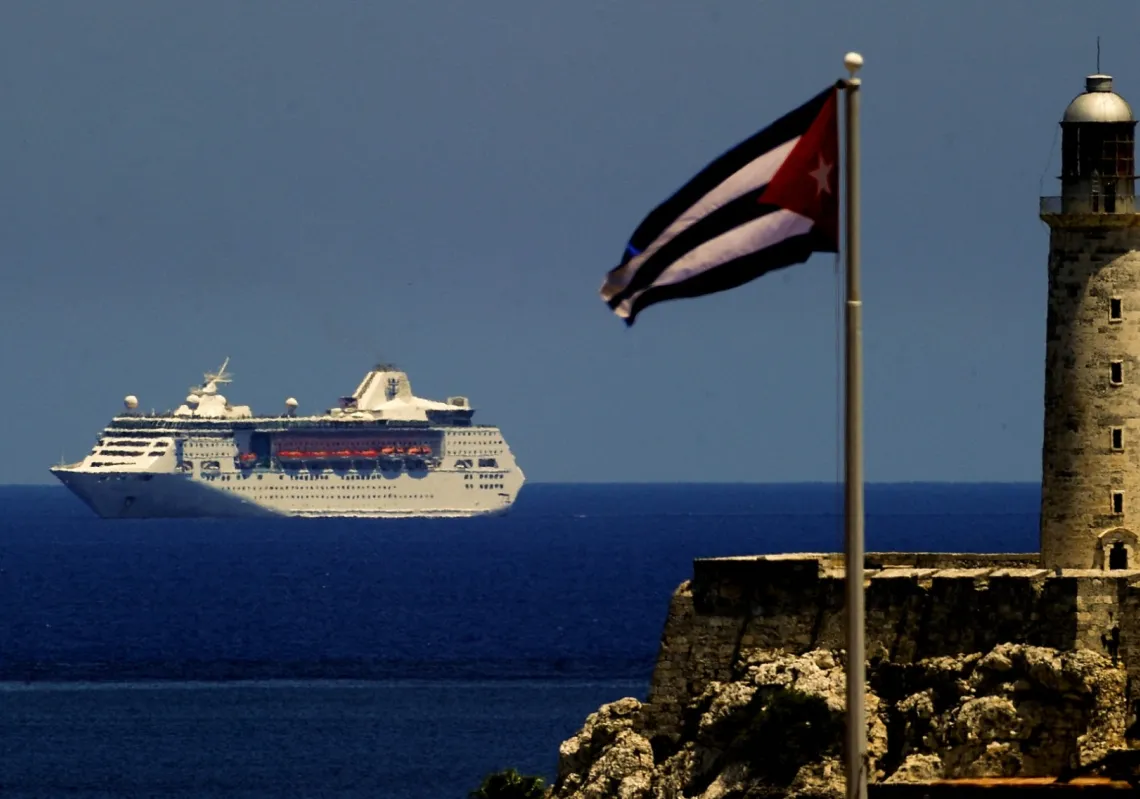
A new American legal ruling turns the screw on the Caribbean island nation by increasing the risks companies face by continuing to make money there. This is all part of the plan.