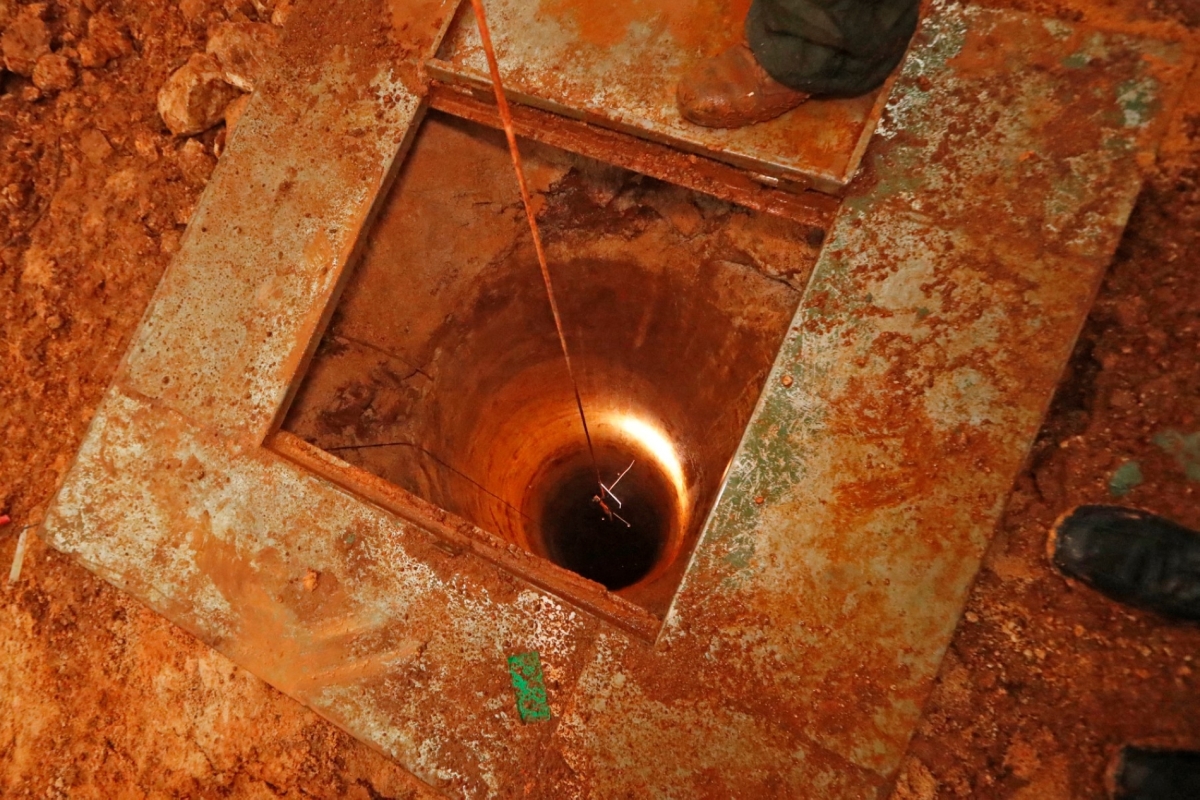

On October 7 2023, Hamas breached Israel’s billion-dollar underground defence with an ingenious, simple manoeuvre: it went over it. Drones blinded sensors and remote weapons, explosives opened the fence, and bulldozers widened the gaps.
Thousands of attackers poured through nearly 30 breaches, making Israel’s underground defences irrelevant. The subterranean barrier itself was neither penetrated nor seriously tested, yet the defensive system built around it collapsed.
That distinction captures the dilemma with Israel’s tunnel defences. Israel has narrowly won the race against cross-border tunnels; its sensors, concrete, intelligence, and specialised troops have made it far harder for Hamas or Hezbollah to emerge unseen inside Israel. Two operations, namely the Protective Edge in Gaza (2014) and Northern Shield in Lebanon (2018-19), limited both groups' ability to use offensive tunnels. However, underground warfare has expanded into something much larger: hundreds of miles of internal tunnels, bunkers, command posts, weapons factories, and hostage chambers.
This new multi-dimensional battlefield has become a significant challenge, forcing the Israeli army to move away from specialised units, such as the Yahalom engineers, which were previously the main point for anti-tunnel operations, and to broaden anti-tunnel warfare across more of its military units. In the process, new tactics and tools have been developed to locate and neutralise tunnels, yet three years into the war in Gaza, Hamas’ weapon of choice has yet to be fully neutralised.
Israel’s underground war now comes with a revealing measure of progress: months of operations for kilometres of tunnels. On 14 October, the military reported that its 99th Division had neutralised about eight kilometres of underground routes during four months in northern Gaza. Another division would continue the mission. Three years after Hamas’s attack, the work still passes from one formation to the next.
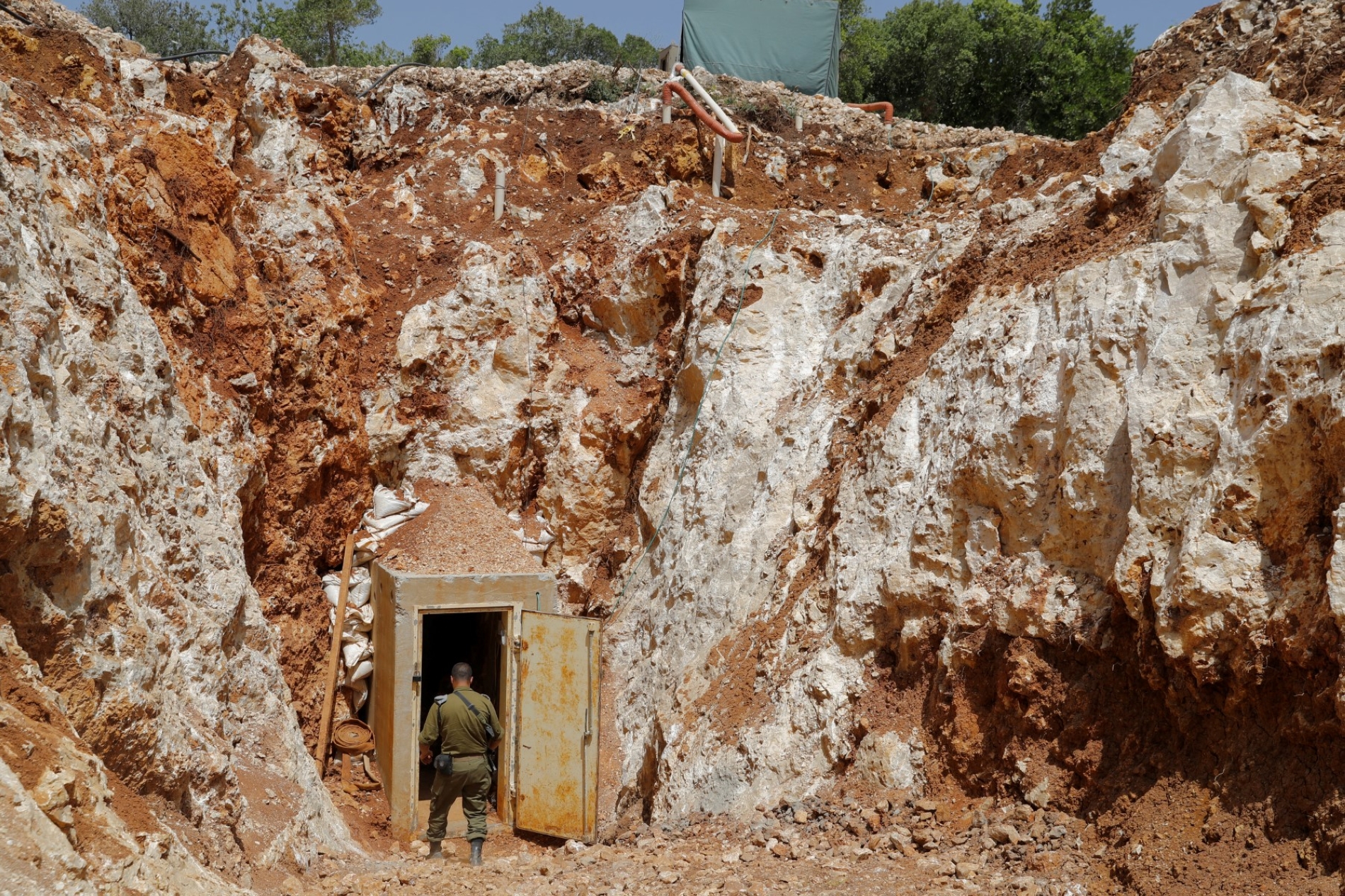
Lebanon offers an even more explosive illustration. In September, Israel said it had demolished approximately 5.4 kilometres of Hezbollah’s underground infrastructure on the Ali Taher ridge using more than 1,100 tonnes of explosives, following months of operations above and below ground.
The decisive question is whether each demolition removes enough enemy capability to justify the soldiers, explosives, time, and destruction required. Measured that way, Israel’s record points toward selective success and diminishing returns.
2014 shock
The shock came in 2014. During Operation Protective Edge, Israel found 32 attack tunnels, including 14 that crossed into Israel. Hamas squads used tunnels in several attacks and killed 11 or 12 Israeli soldiers, depending on the accounting; Lt. Hadar Goldin was killed and his body taken underground. Israel’s state comptroller later concluded that political and military leaders understood the strategic danger but had failed to prepare an adequate operational response. The military fully neutralised only about half the tunnels it had marked for treatment.
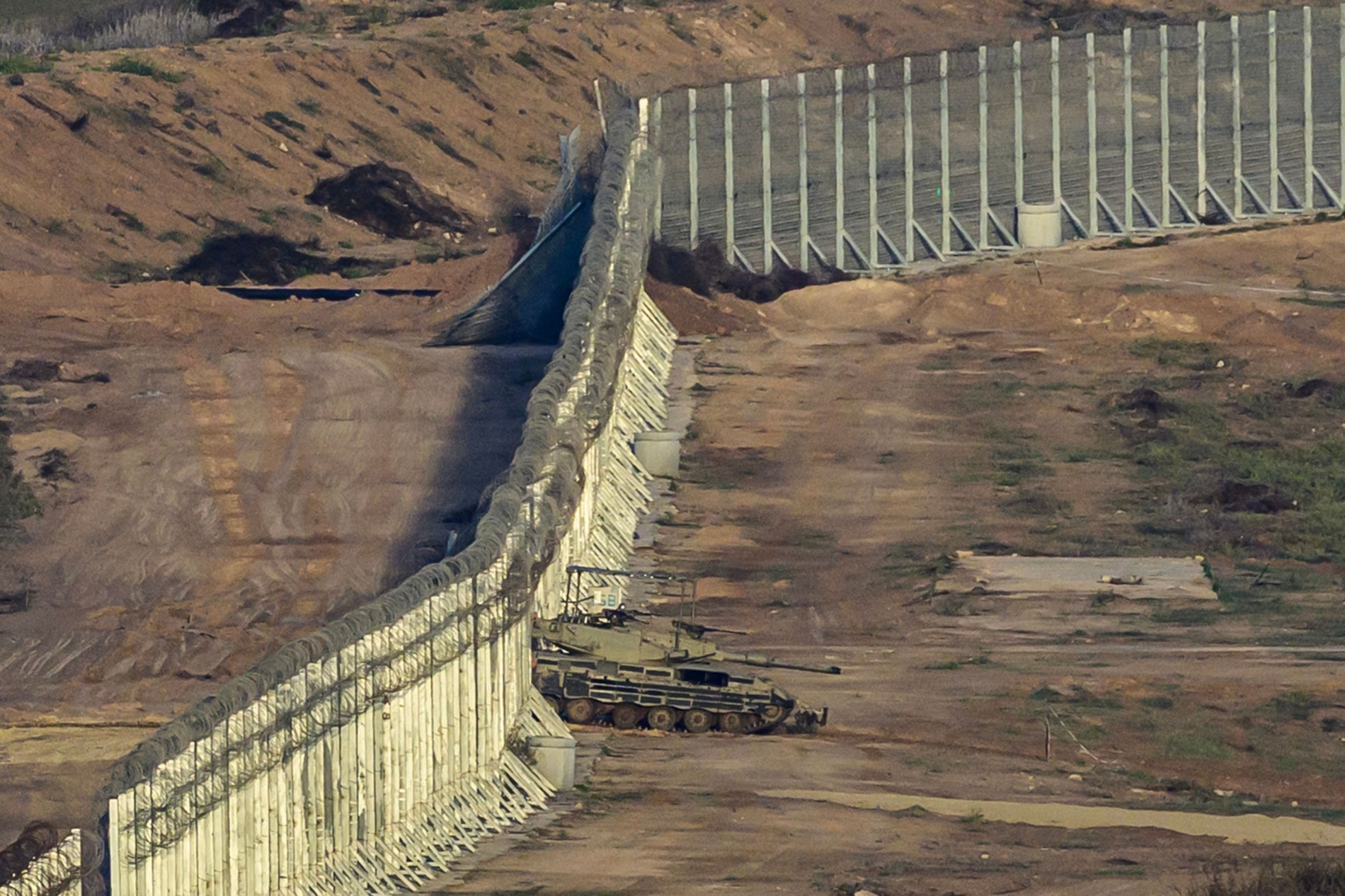
Israel responded with groundbreaking tech and a massive underground barrier: sensors, concrete, money, and elite manpower. Between 2017 and 2021, the Defence Ministry built a 65-kilometre barrier around Gaza. It combined a reinforced underground slurry wall and detection sensors with a six-meter fence, cameras, radars, a maritime obstacle, and command centres. The project cost roughly 3.5bn shekels, involved more than 1,200 workers, and consumed about 140,000 tonnes of iron and steel.
Israel also invested in the Yahalom Combat Engineering Corps, a specialised unit. After 2014, the unit roughly doubled from 400 to 900 fighters and added underground-warfare formations. Israel also created tunnel-detection laboratories and developed a layered toolkit: seismic and acoustic arrays, ground-penetrating radar, thermal imaging, drilling, dogs, robots, drones, armoured excavators, and liquid explosives.
This is less a silver bullet than an ecosystem: Sandy soil muffles sound, completed tunnels produce no digging signature, ground-penetrating radar struggles in mixed soil and has limited depth. Every entrance may be booby-trapped, and every route may conceal a fighter, hostage, blast door, or secondary shaft that may not have been spotted through an initial intelligence sweep. Underground warfare has always been terrifying, and this is no exception.
Combined anti-tunnel warfare
Israel’s most consequential adaptation has involved how its forces use underground space and coordinate across multiple arms. Whereas the Israeli army's initial instinct, after 2014, was to expand specialised anti-tunnel units, the war in Gaza has shifted the concept towards a form of “combined armed anti-tunnel warfare”, wherein multiple units and layers function together to both neutralise tunnels as a threat to troops and as an obstacle to military offensives.
The analytical significance is considerable. An army that treats every tunnel as an obstacle grants the defender considerable influence over its timetable. Units near a tunnel are prime, easy targets. Each suspected entrance becomes a reason to halt, secure the area, summon specialists, and investigate. The enemy gains time even when no fighter is present.
An army capable of operating underground gains additional choices. It can threaten positions from unexpected directions, exploit intelligence found below, and make concealment less dependable. The relevant achievement is the erosion of the defender’s sanctuary.
This also changes Yahalom’s role. Specialist expertise remains essential, but concentrating all responsibility in one elite formation creates a bottleneck. A US Army study on the topic concluded that combined teams and the coordination of conventional and specialist forces were central to winning underground warfare. The implication is that anti-tunnel warfare must become an army-wide competence, with specialists reserved for the hardest tasks.
The asymmetry underground
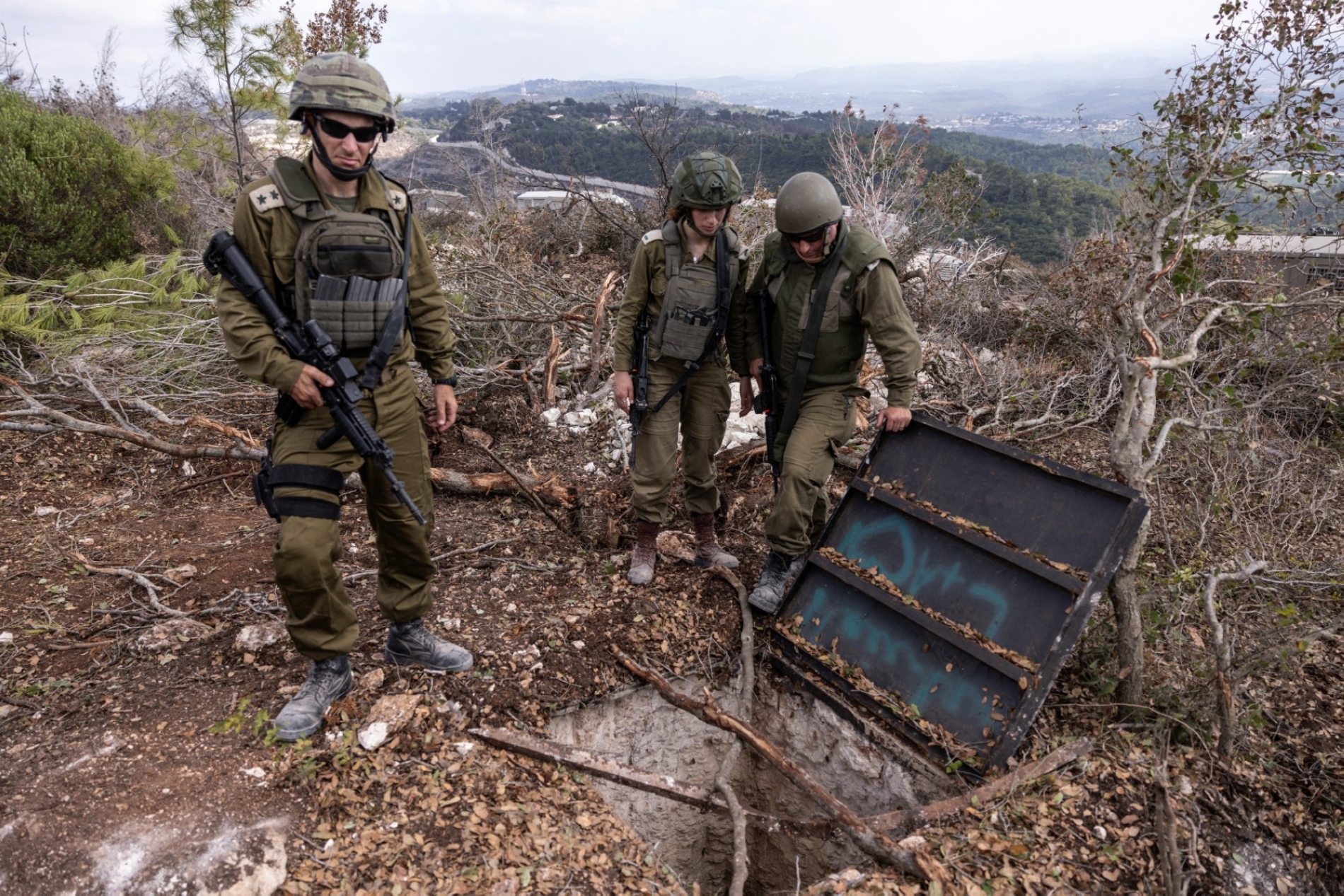
Still, the asymmetry is clear. Destroying a tunnel can require clearing the surface, securing shafts, sending robots or dogs, checking for hostages, mapping branches, placing large quantities of explosives, and verifying collapse. One 2025 account described 400 tonnes of explosives and five tonnes of mines used in a major demolition effort. Flooding selected routes with seawater promised scale, but Israel acknowledged only limited deployment, suggesting this technique was not realistic at scale.
The financial imbalance favours the digger. Hamas was once estimated to spend about $40mn annually on tunnels and employ around 1,500 diggers. Israel spent around $1bn on the Gaza barrier alone, hundreds of millions more on detection, and received $415mn in US anti-tunnel appropriations through fiscal 2025. This does not make the barrier wasteful. A system that prevents even one mass-casualty infiltration can justify an enormous price.
Tunnel warfare has also added another layer to the destructive nature of urban wars. Tunnels beneath civilian areas turn their destruction into surface destruction: Airstrikes against underground routes have collapsed residential buildings, while demolition and flooding raise humanitarian, legal, and environmental concerns. Hostages impose another brake: any method powerful enough to destroy a tunnel remotely may also kill the Israelis held inside it.