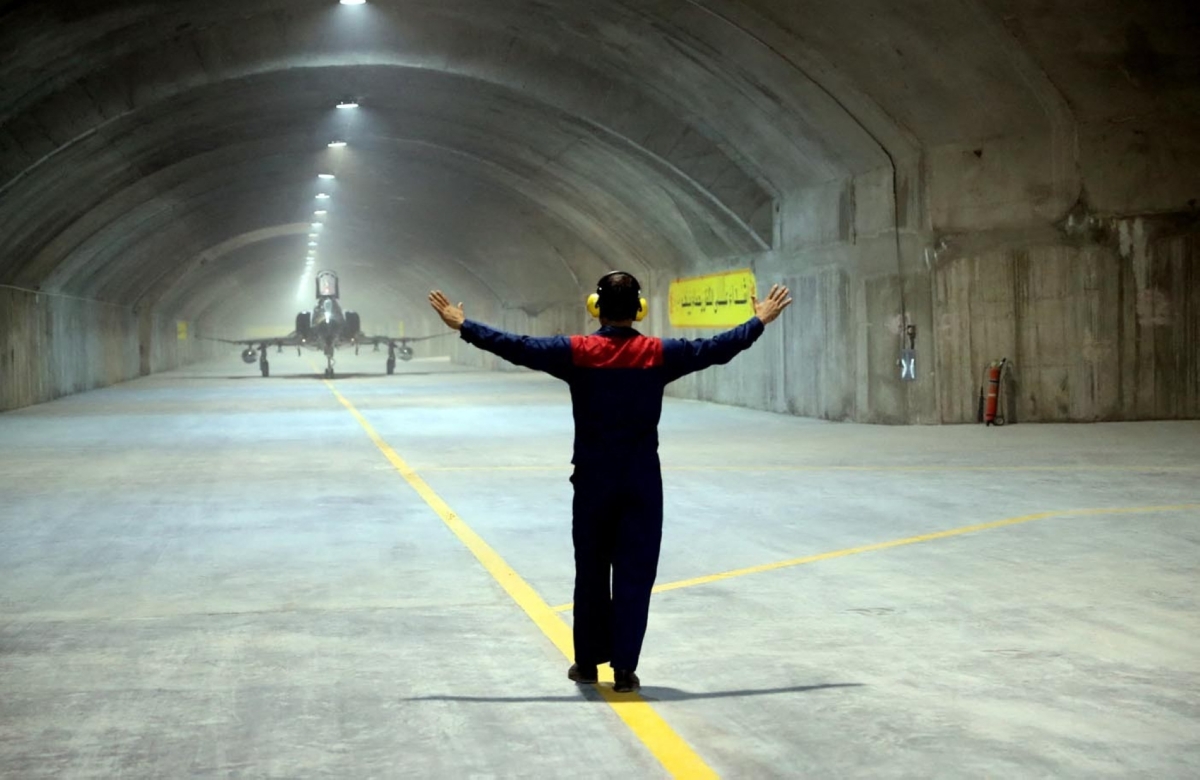

When it comes to Iran and its Arab non-state allies, the conventional wisdom is that Tehran is the all-giving mothership, supplying the money, weapons, training and know-how and ideological direction that guide their every move. There is considerable truth to Iran's central role, but the notion that Hezbollah in Lebanon, Hamas in Gaza and the Houthis in Yemen are merely extensions of Iranian power overlooks an important part of their history.
Take the extensive underground military infrastructure these groups have built. The resemblance to Iran's own underground missile cities is striking. All four have invested in tunnels, concealed weapons facilities, and protected military positions to survive attacks by enemies with overwhelming air superiority. But does this mean Iran exported its underground warfare doctrine to its Arab allies?
The answer is more complicated. Tehran has helped these movements acquire weapons, technical expertise and military capabilities. Yet the history of underground warfare in Gaza, Lebanon and Yemen shows that each had compelling reasons of its own to go underground. In fact, the Iranian model itself was partly inspired by foreign experiences.
Iran's missile programme was born out of desperation during the 1980–1988 war with Iraq. Saddam Hussein's forces were attacking Iranian cities with missiles, while Tehran lacked the means to respond in kind. For the Islamic Republic's military commanders, the lesson was straightforward: without a credible retaliatory capability, Iran would remain vulnerable to its enemies.
The programme began modestly. According to Ali Bilali, a veteran of the Islamic Revolutionary Guard Corps (IRGC) missile programme, Iranian commanders travelled to Syria and Libya and eventually secured two launchers and approximately 30 missiles. North Korea subsequently became another important supplier.
Bilali recalls that Iran's first missile operations in 1984 involved just seven or eight men who travelled from Tehran to Kermanshah close to the Iraqi border in a Toyota station wagon. They would launch a missile and return to Tehran. The equipment needed for the operation could fit into the vehicle.
Four decades later, Iran's missile force had become the centrepiece of its deterrence strategy. But accumulating missiles was only half the challenge. The other was ensuring they would survive an American or Israeli attack.
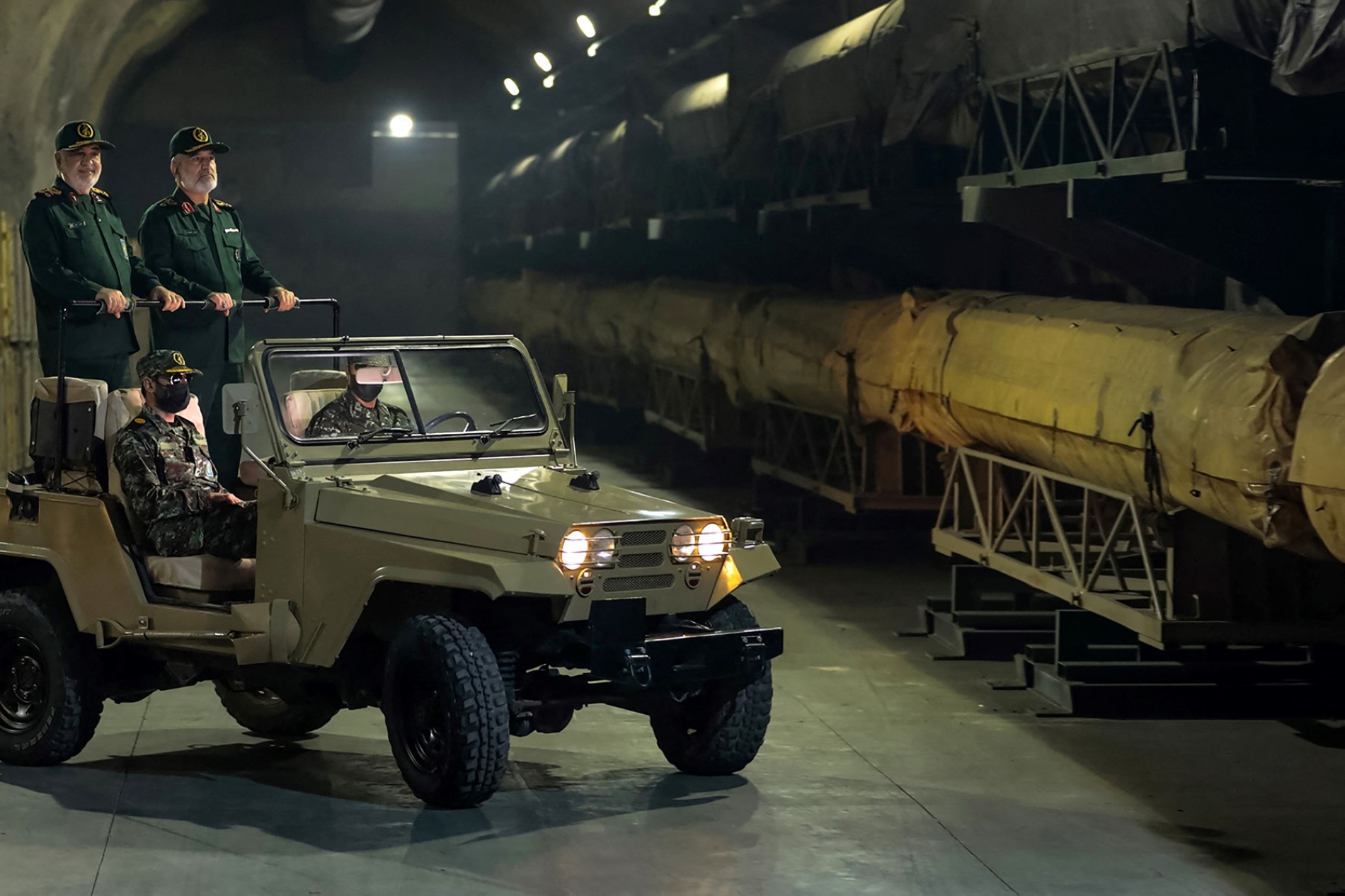
Hassan Tehrani Moghaddam, often described as the father of Iran's missile programme, was central to its early development. Another figure, Amir Ali Hajizadeh, who later commanded the IRGC Aerospace Force, became closely associated with its underground infrastructure.
According to Nasser Kaveh, a former colleague of Hajizadeh, it was Hajizadeh who pioneered the construction of what became known as Iran's missile cities. The project began with a few young engineers building rudimentary tunnels and storage facilities.
One detail in Kaveh's account is particularly revealing. During a visit to North Korea, Hajizadeh reportedly encountered underground missile-launching silos and returned determined to develop something similar in Iran. Without detailed engineering plans, he assembled a team to design an Iranian version.
The larger transformation came from the late 1990s onward. According to Bilali, Iran began dispersing missile units from their concentration around Tehran to locations across the country. The assumption was that a future confrontation with the United States or Israel was likely, and that Iran needed to preserve its fighting capacity after an initial attack.
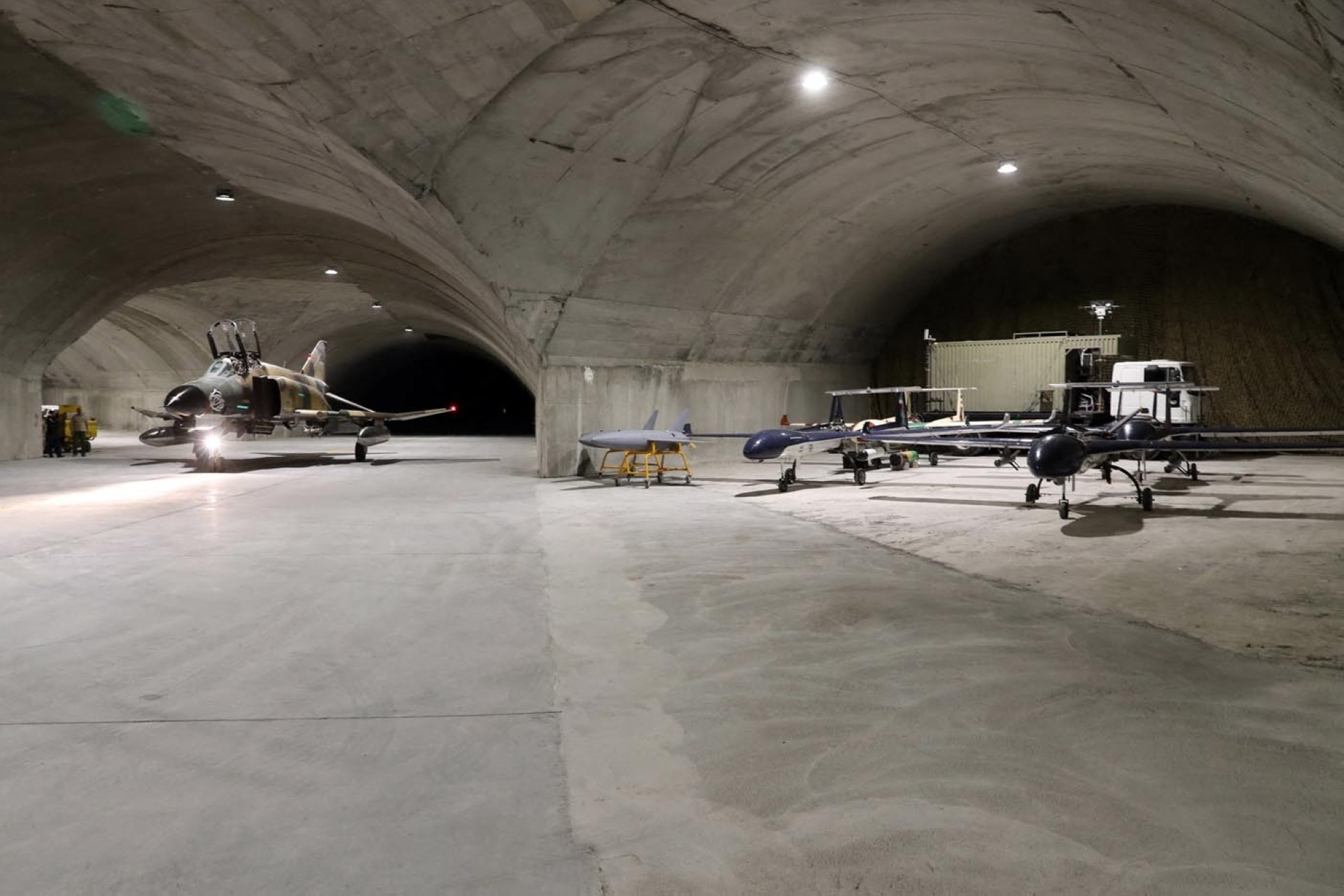
The result was an expanding network of protected facilities, some reportedly hundreds of meters underground. In October 2015, the IRGC publicly revealed one of its missile cities, turning what had been a secret military project into an instrument of political messaging.
The purpose was not simply to hide missiles. It was to convince potential adversaries that Iran could absorb devastating attacks and still retaliate. This logic complemented the IRGC's broader emphasis on decentralized, or mosaic, defense, ensuring that military operations could continue even if major commands or installations were destroyed.
Yet Iran's underground facilities were never invulnerable. Israeli and American strikes have exposed weaknesses in the country's missile infrastructure and raised questions about the enormous resources invested in facilities that could still be identified and attacked.
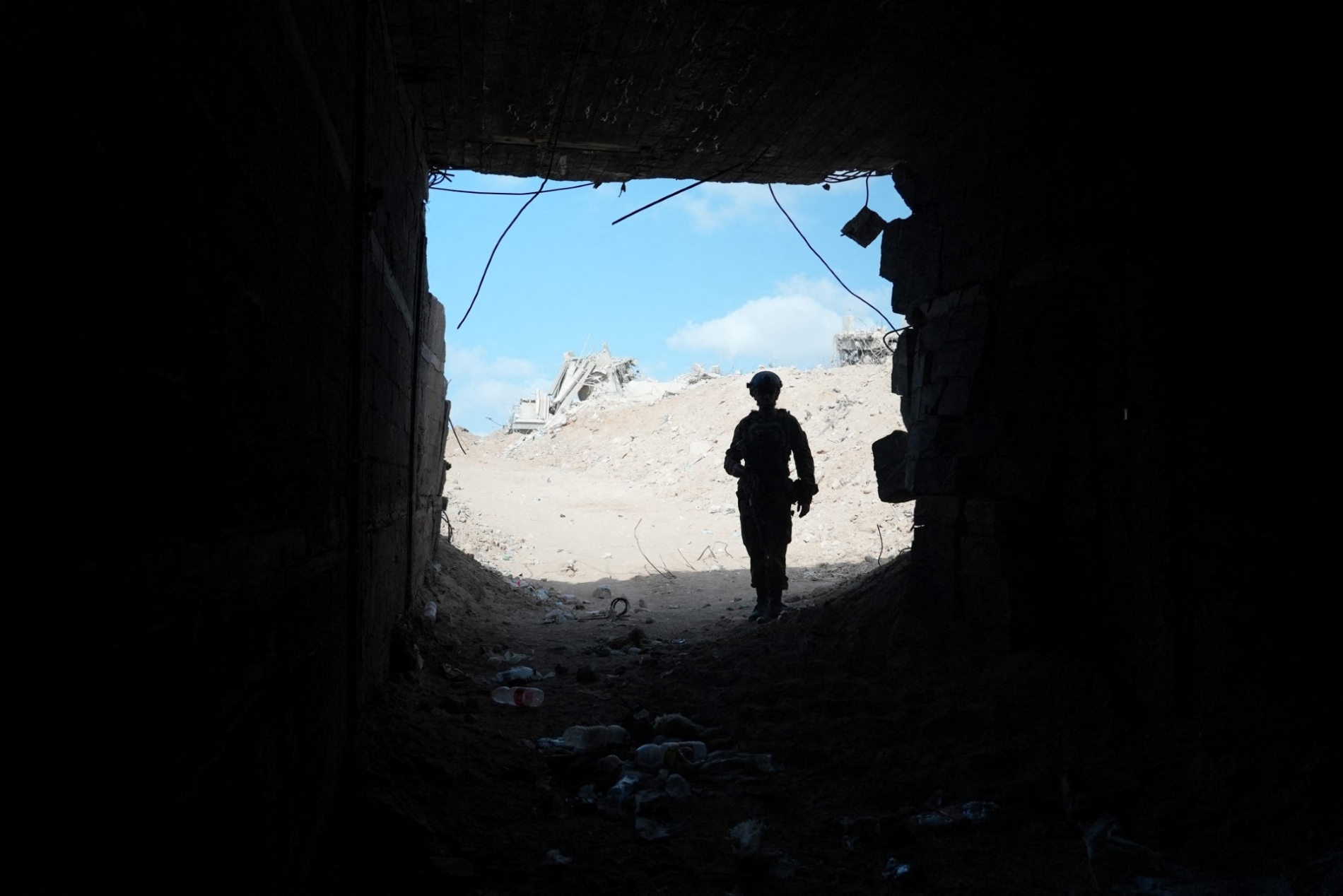
Gaza tunnels
The Palestinian experience is perhaps the clearest challenge to the argument that Tehran invented and exported a common underground warfare doctrine.
The origins of Gaza's tunnel networks can be traced to Rafah in the early 1980s, when the border between Egypt and the Israeli-occupied Gaza Strip divided Palestinian families and communities. Some of the first tunnels were reportedly dug to reconnect people and facilitate the movement of goods.
Smuggling subsequently became a major activity, particularly as restrictions tightened. By the time Hamas and other Palestinian armed groups began turning tunnels into instruments of warfare around the turn of the century, the practice was already established.
The Second Intifada accelerated the military transformation. Tunnels offered Palestinian militants ways to move weapons and personnel, evade Israeli surveillance and attack fortified positions. Following Israel's withdrawal from Gaza in 2005, and especially after the blockade imposed following Hamas's takeover in 2007, underground infrastructure became increasingly important to the movement's survival.
Iran certainly helped Hamas develop its military capabilities. Tehran supplied weapons, training and technical assistance, including knowledge related to missile and rocket production. Iranian officials have themselves acknowledged the importance of transferring manufacturing expertise to allies rather than simply supplying finished weapons.
There are also claims that Iranian assistance extended to the rebuilding and improvement of Hamas's tunnels. But the available evidence is considerably stronger concerning weapons development than the origins or design of Gaza's underground network.
Palestinian militants did not need Iranian instruction to recognise the military advantages of tunnels. Their circumstances made the logic almost unavoidable. Against an Israeli military enjoying overwhelming technological superiority, concealment underground offered one of the few means of maintaining an organised fighting force.
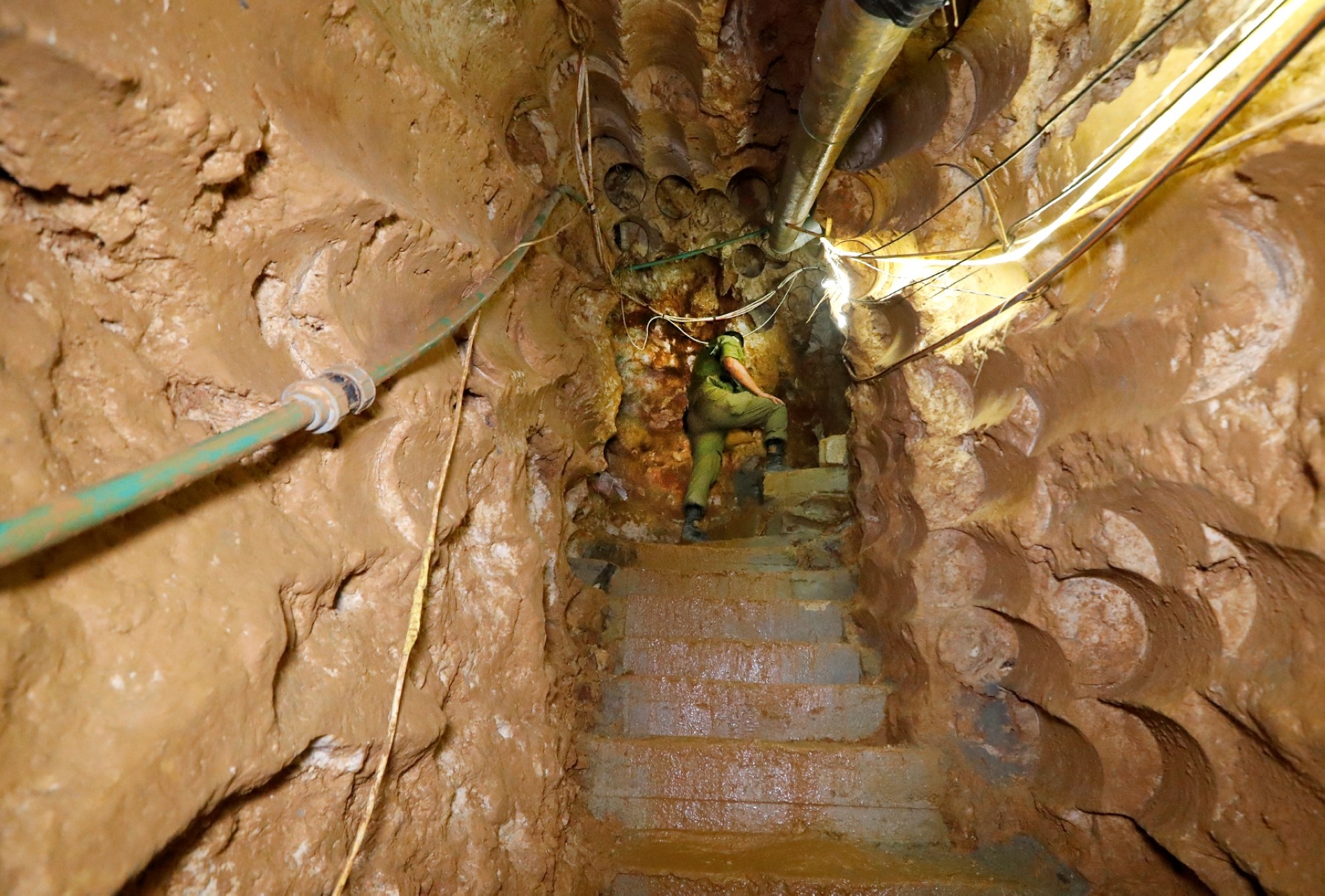
Hezbollah tunnels
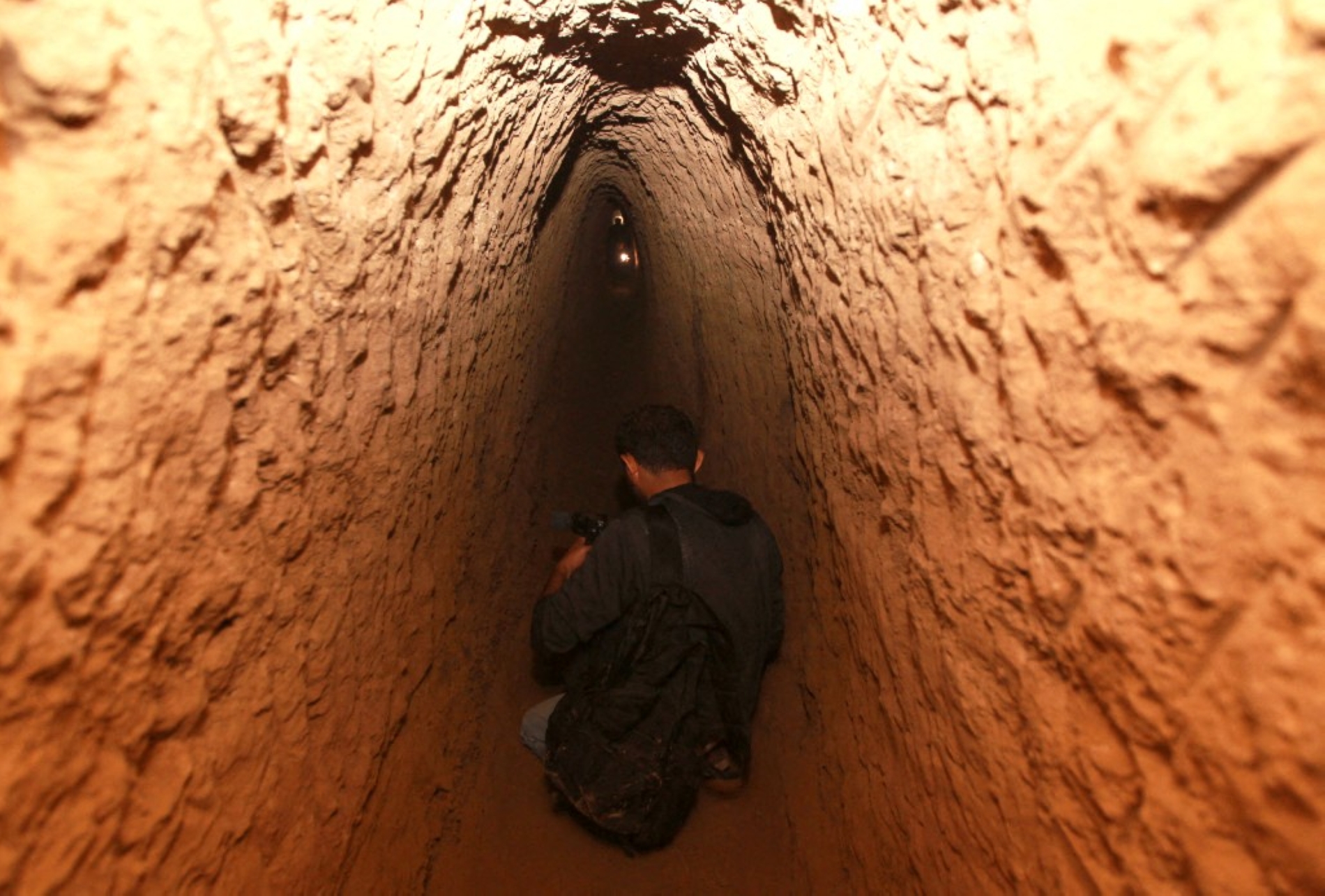
Lebanon presents a different picture. Hezbollah's underground infrastructure grew out of its long confrontation with Israel, particularly during the Israeli occupation of southern Lebanon from 1982 to 2000. The rugged terrain offered opportunities for concealed positions, while Israel's airpower encouraged Hezbollah to protect its fighters, weapons and communications.
After Israel withdrew in 2000, Hezbollah expanded its network of fortified positions and underground bunkers across the south. By the 2006 war, Israeli forces encountered an adversary that had spent years preparing defensive positions and weapons-storage facilities.
Here, the evidence of Iranian involvement is stronger. Hezbollah has enjoyed a much deeper and longer military relationship with the IRGC than either Hamas or the Houthis. Iranian funding, training and technical support helped transform it from a guerrilla movement into an organisation capable of sustained military confrontation with Israel.
One Iranian figure illustrates how civilian reconstruction and military cooperation could overlap. Hassan Shateri, an IRGC engineer who operated under the name Hessam Khoshnevis, had spent years working on military engineering projects during and after the Iran-Iraq War.
According to former Iranian police chief Esmail Ahmadi Moghaddam, he tried to recruit Shateri as his engineering deputy in 2005. But Qasem Soleimani intervened, explaining that Shateri had already been assigned to engineering work for the IRGC's Quds Force, the IRGC’s arm for external operations.
Following the 2006 war, Shateri headed Iran's reconstruction operations in Lebanon, overseeing projects ranging from roads and bridges to public buildings. But his activities had a security dimension. In 2010, the US Treasury sanctioned him and the Iranian Committee for the Reconstruction of Lebanon, alleging that they provided engineering expertise and other support to Hezbollah, including assistance with its private communications network.
Israeli researchers have gone further, identifying Shateri as a possible figure behind Hezbollah's expanding underground infrastructure, potentially with North Korean technical assistance. This specific claim remains unproven, but Shateri's career demonstrates that Iran possessed both the expertise and organizational networks to assist Hezbollah with major engineering projects.
In August 2024, Hezbollah released footage of its underground Imad-4 facility, showing what appeared to be a sophisticated complex accommodating vehicles transporting missile launchers. The similarities with Iranian missile cities were difficult to miss.
But even here, influence did not necessarily travel in one direction. Iranian military planners studied Hezbollah's performance during the 2006 war, particularly its capacity to withstand Israeli airstrikes and maintain military operations. Hezbollah was not simply a recipient of Iranian military ideas; its battlefield experience also offered lessons to Tehran.
Houthi tunnels
The Houthis provide a third and different example. Their movement emerged in Yemen's mountainous north, where rugged geography has shaped warfare for generations. Long before Iranian military assistance became significant, armed groups in Yemen relied on caves, mountain positions and concealed storage facilities.
When the Houthis expanded their control over Yemen, they also acquired military infrastructure inherited from the Yemeni state, including protected weapons-storage sites and missile-related installations. This infrastructure had roots in the Cold War, when the Soviet Union supplied North and South Yemen with missiles, including Scud ballistic missiles.
During Ali Abdullah Saleh's presidency, Yemen also developed underground missile-storage facilities, including at Jabal Attan overlooking Sanaa. Yemeni media reports suggest that Chinese contractors were initially involved in building these tunnels before Russian engineers reportedly took over in the 1990s, although these claims remain difficult to verify independently. The Houthis thus inherited a military infrastructure with a history of foreign assistance that predated their relationship with Tehran.
After Saudi Arabia launched its military intervention in 2015 on the side of the internationally recognised Yemeni government, the incentive to expand underground protection became even stronger. The Houthis faced a coalition with vastly superior airpower and needed to preserve their growing missile and drone capabilities.
Military analyst Michael Knights has documented the Houthis' use of existing underground facilities, including around Jebel Attan in Sanaa, and suggested that some installations were subsequently improved along Iranian and Hezbollah lines.
Iranian assistance contributed significantly to the development of Houthi missiles and drones. But the evidence that Tehran designed the Houthis' underground military infrastructure is much thinner.
Yemen's terrain, inherited military assets, and years of exposure to airstrikes already provided powerful incentives for the Houthis to develop such capabilities. In this case, underground facilities were less about an elaborate network for moving fighters, as in Gaza, and more about protecting military assets from destruction.
Shared logic, different histories
The most revealing feature of these four cases is not that their underground systems look alike, but that their origins differ.
Iran's missile cities emerged from the trauma of the war with Iraq and subsequent fears of American and Israeli attack. Gaza's tunnels evolved from local smuggling networks and the realities of Israeli military dominance. Hezbollah built fortified positions to confront Israel across southern Lebanon. The Houthis adapted Yemen's mountainous landscape and inherited military infrastructure to survive sustained air campaigns.
Iranian assistance helped these movements improve their capabilities, but it would be a mistake to confuse that assistance with the origins of their military thinking.