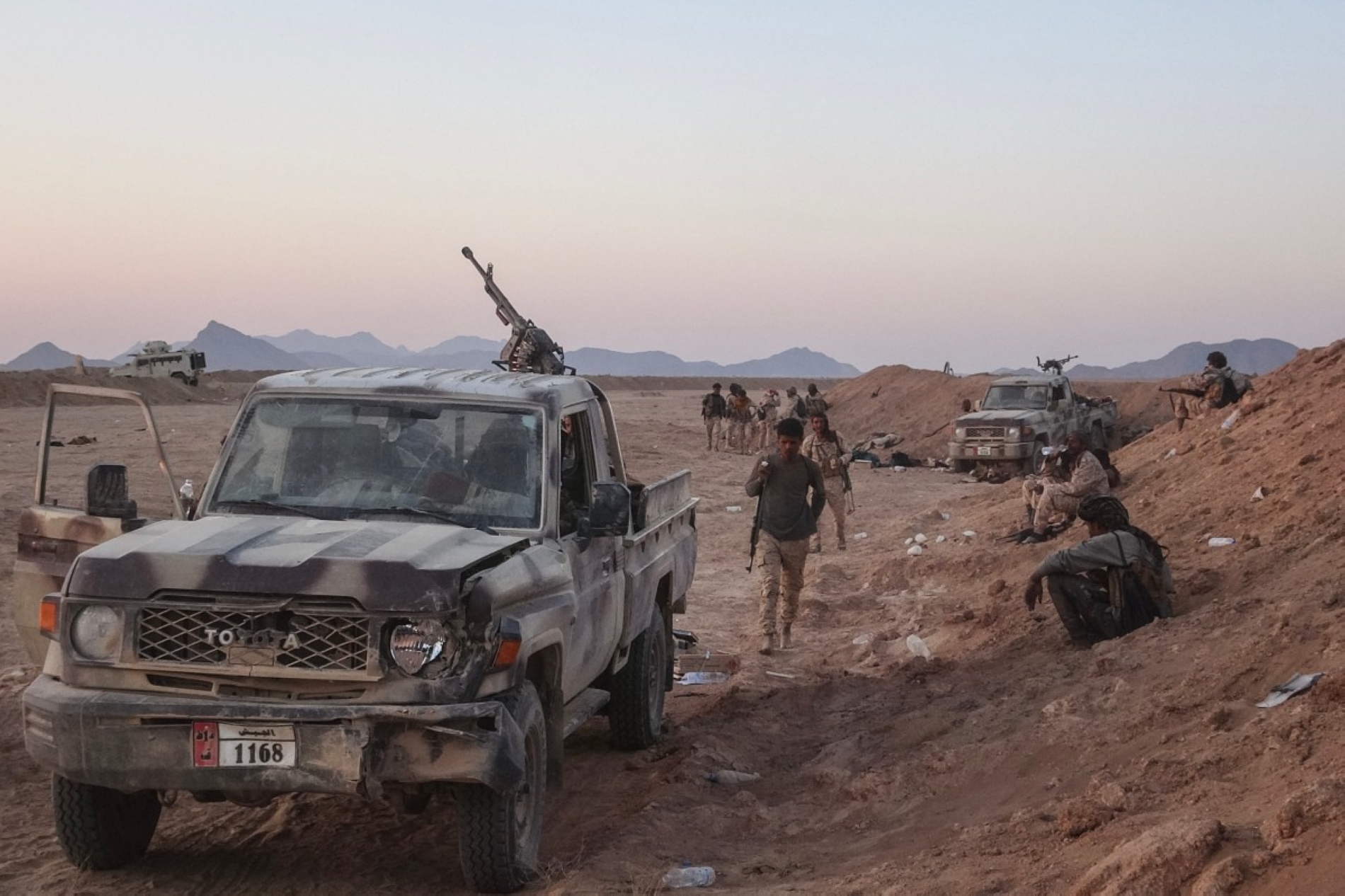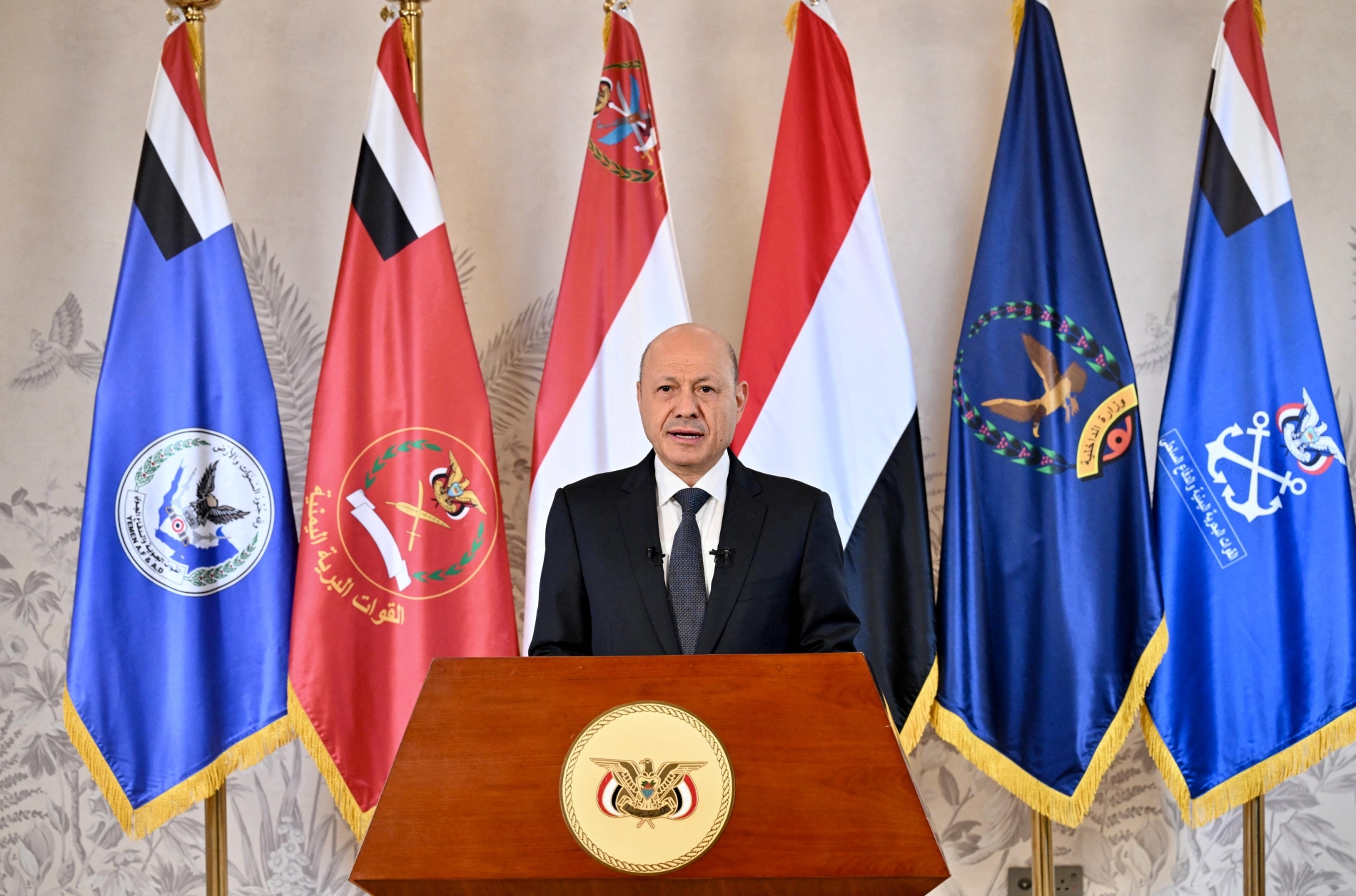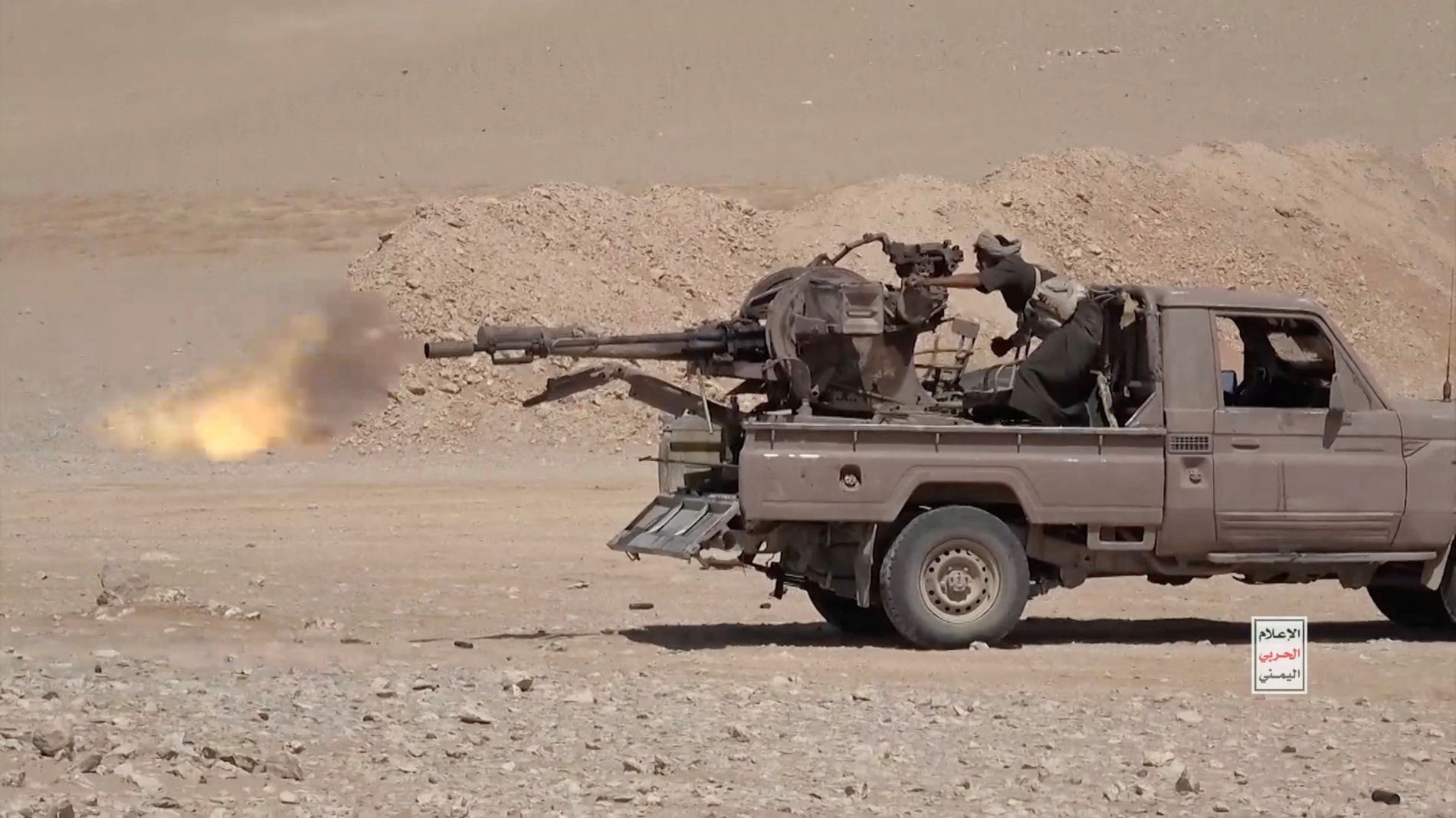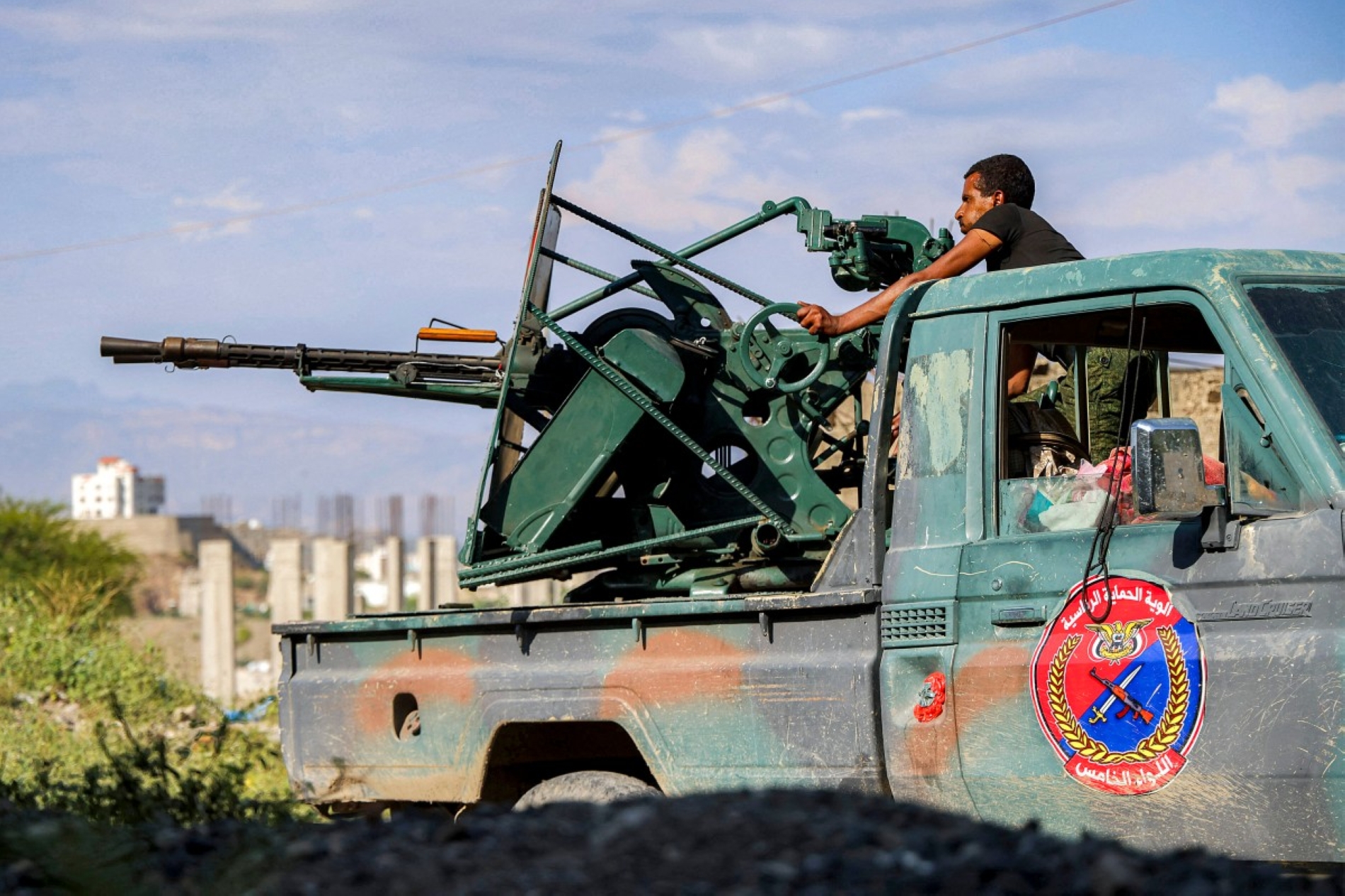


The decision to appoint Chief of the General Staff General Fayyad al-Ruwaili to command the coalition’s Joint Forces is of critical strategic importance. It comes on the heels of a Giants Brigades redeployment from the Dhubab to the Bab al-Mandab area and a renewed Houthi advance of another 80 kilometres towards Aden.
The appointment mirrors the dual leadership arrangement used during the coalition’s initial offensive campaigns between 2015 and 2017, reflecting a possible shift toward more integrated military operations. The hope is that this setup will enable more strategic planning, robust resource allocation, operational effectiveness, and faster decision-making, in the face of an expansionist and dynamic Houthi militia.
In parallel, Yemen's government is also restructuring. In addition to a cabinet reshuffle, Yemeni President Dr Rashad al-Alimi appointed Amin al-Ukaymi as governor and military commander in Al-Jawf, and Hussein al-Aji al-Awadhi as governor of Al-Bayda. He also appointed Rashad al-Yousufi to oversee the Taiz military front, succeeding Youssef al-Sharaji, and Majdi Munadil to command the Tur al-Bahah military front.
Taken together, these changes show that Yemeni and coalition leadership recognise the war's evolving dynamics require political mobilisation, professional personnel, and stronger institutions.
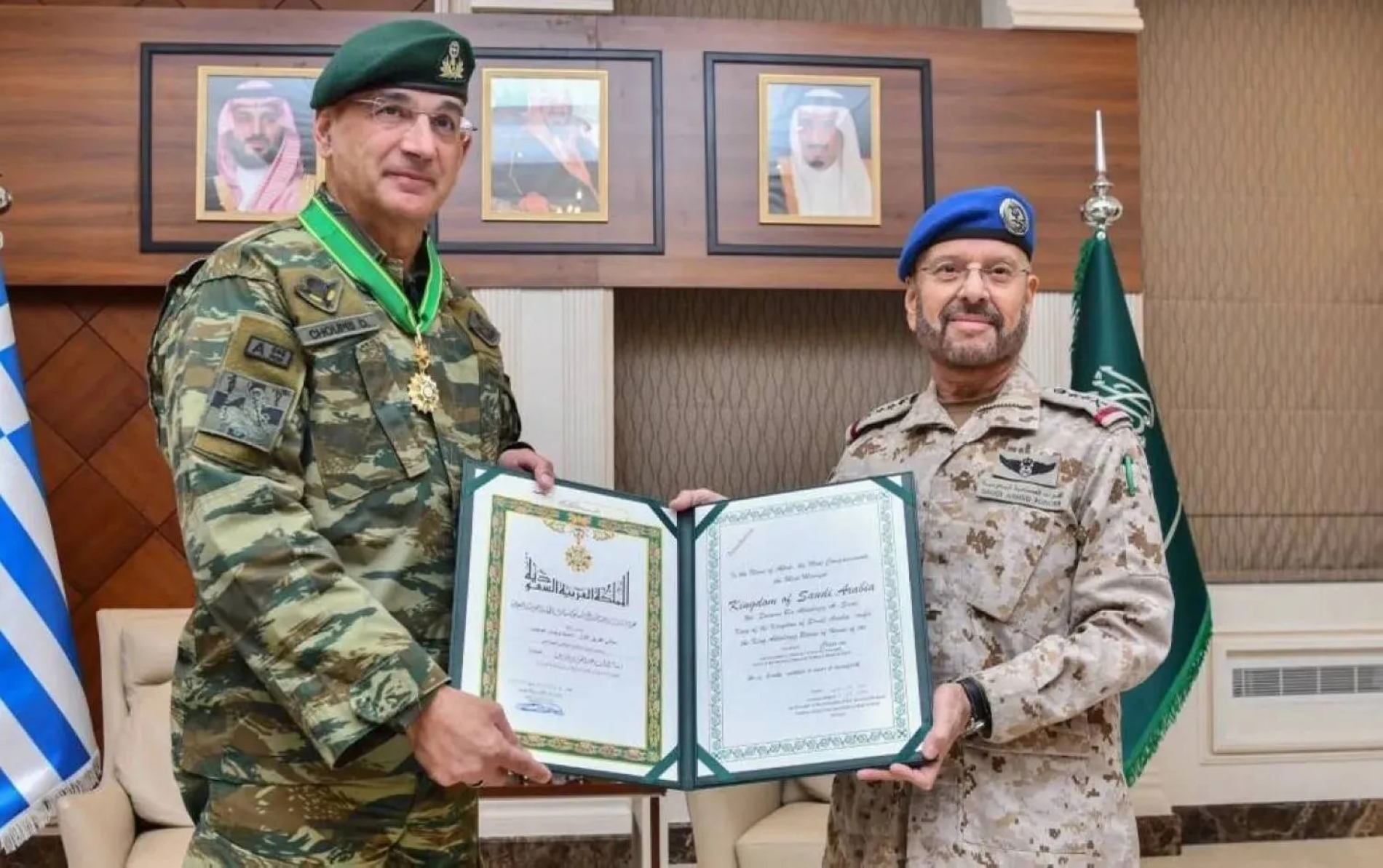
The Houthis escalated their operations as the Yemeni Armed Forces, the Supreme Military Committee, and the Joint Forces Command (JFC) had already been undergoing extensive restructuring since January, working to unify fragmented command-and-control structures, personnel systems, resource allocation, and operational readiness. But on 6 August, Houthi missile and drone attacks on government positions in Marib and Hadramout reportedly killed dozens and caused temporary shock. Subsequent strikes hit Mocha, its port and military facilities along the Tihama coast.
Collectively, these attacks disrupted coastal logistics, inflicted heavy losses and spread the Yemeni army's defensive commitments thin across multiple fronts, while the Houthis, with the help of advisers from Iran's Islamic Revolutionary Guard Corps (IRGC), were massing forces and offensive capabilities around Hodeidah, Taiz and the Red Sea coast.
This concentrated assault targeting civilian and military centres of gravity came before the Yemeni army was able to achieve full military readiness. It effectively brought the looming war forward, at a time and place of the Houthis' choosing. It wasn't long before the Yemeni government realised the Houthis were massing forces with the aim of seizing the strategic Bab al-Mandab maritime chokepoint at the mouth of the Red Sea. The sequence and timing of the escalation restricted the Yemeni army's ability to manoeuvre and placed strain on a military structure still recovering and integrating.