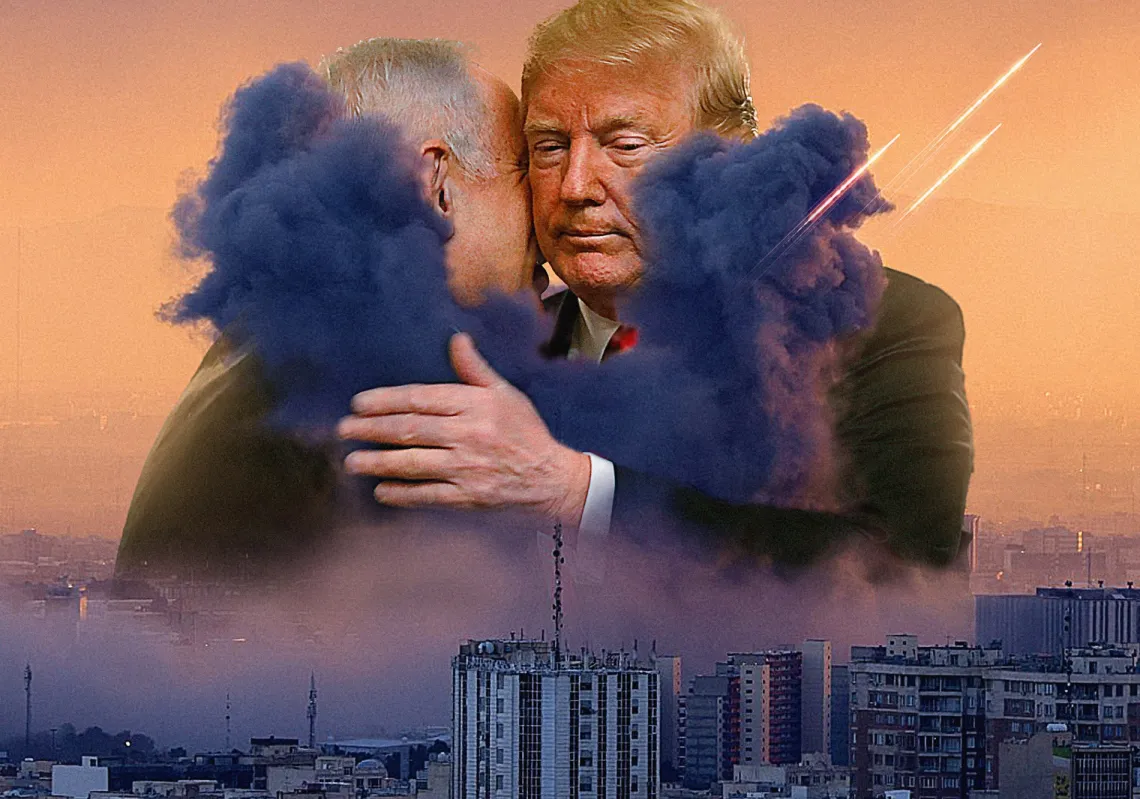

Hours before American voters went to the polls for the US midterm elections, President Donald Trump said he had recently agreed with Israeli Prime Minister Benjamin Netanyahu for the United States to end its increasingly unpopular annual multi-billion-dollar defence assistance to Tel Aviv. Judging by the stilted silence, it was not just Tel Aviv that seemed shocked by the comments; Cairo was taken aback, too.
The prospect that Trump may also pull the plug on Washington’s annual military and economic aid to Egypt has caused concern among politicians and army chiefs. Foreign Minister Badr Abdelatty said on 9 November that he hoped the aid would continue. Speaking to France 24, he described it as an “integral part” of Egypt-US relations. Abdelatty plans to travel to Washington shortly to speak to lawmakers.
There are clear reasons why Cairo is anxious. US aid is anchored in the 1978 Camp David Accords and the 1979 Egypt-Israel peace treaty. When the administration of then-President Jimmy Carter established the assistance, its goal was to incentivise and safeguard peace between two nations that had, by then, fought four wars. Carter felt that the Egypt-Israel treaty was a good basis for wider regional peace agreements between Israel and its neighbours. If US aid to Israel is stopped, many in Cairo fear that the logical next step would be to stop the aid to Egypt, too.
The midterms altered the US political landscape, bringing the Democrats to power in Congress. The new cohort of lawmakers seems eager to reevaluate American military assistance to foreign states, including to Egypt. Michigan’s Democratic Senator-elect Abdul El-Sayed, whose parents were born in Egypt, recently called for aid to Cairo to be cut, and he is not alone in doing so. Egypt’s friendship with Russia and China, along with the current campaign against some local independent media outlets, has not gone down well across the Atlantic, fuelling criticism of the Egyptian government and calls to reconsider the billions of dollars it receives annually.
Pragmatic signals
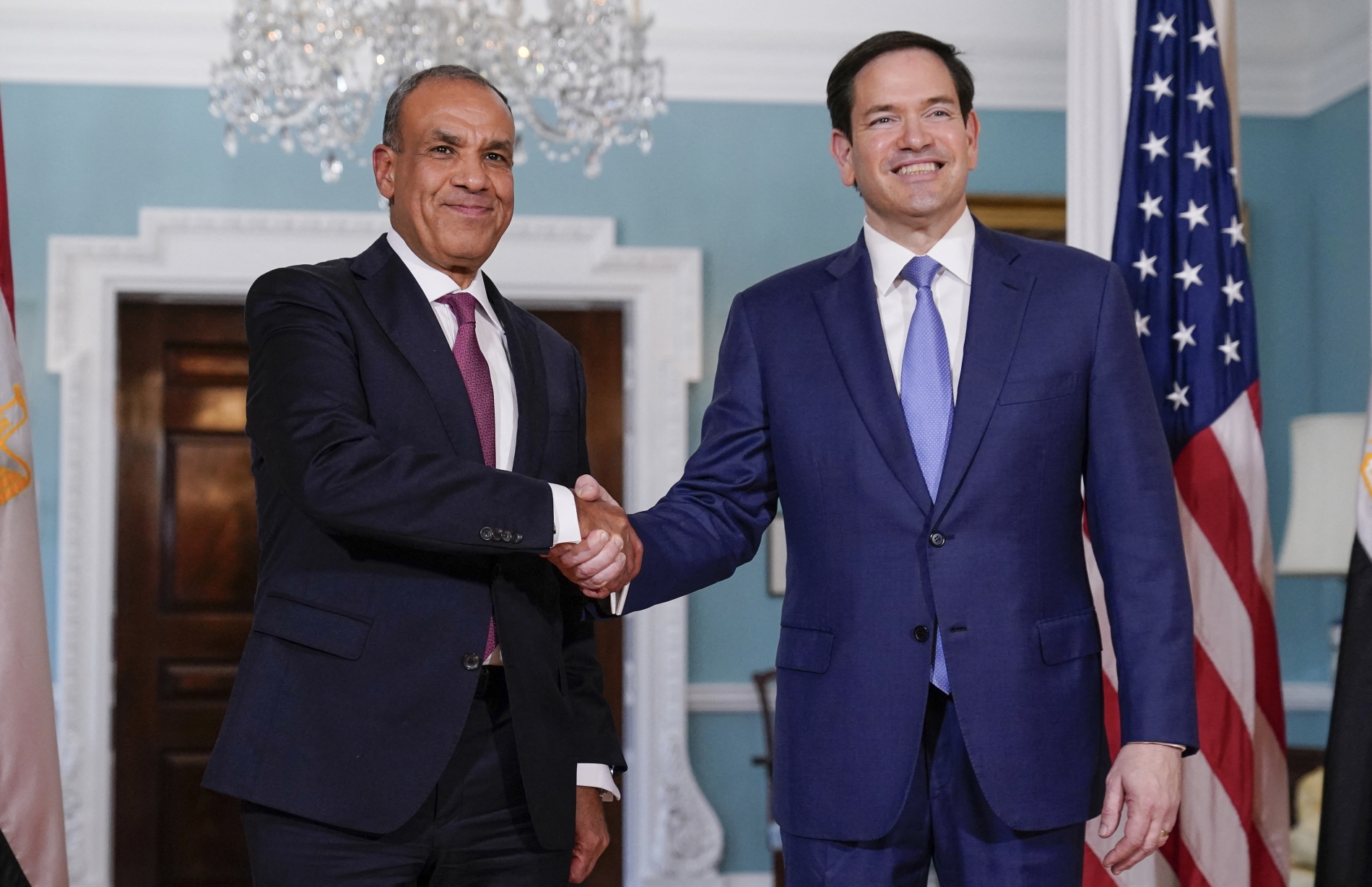
On 10 November, US Secretary of State Marco Rubio described Egypt as a “good” and “reliable” partner, noting that he did not raise the issue of human rights in talks with his Egyptian counterpart in Paris at the G7 foreign ministers’ meeting. Nick Oberheiden, President Trump’s choice for US ambassador to Egypt, likewise said he would approach the issue of human rights “with care and judgement,” noting his obligations under Article 41 of the Vienna Convention, which commits diplomats to respecting the laws of the host country and to refraining from interference in their affairs.
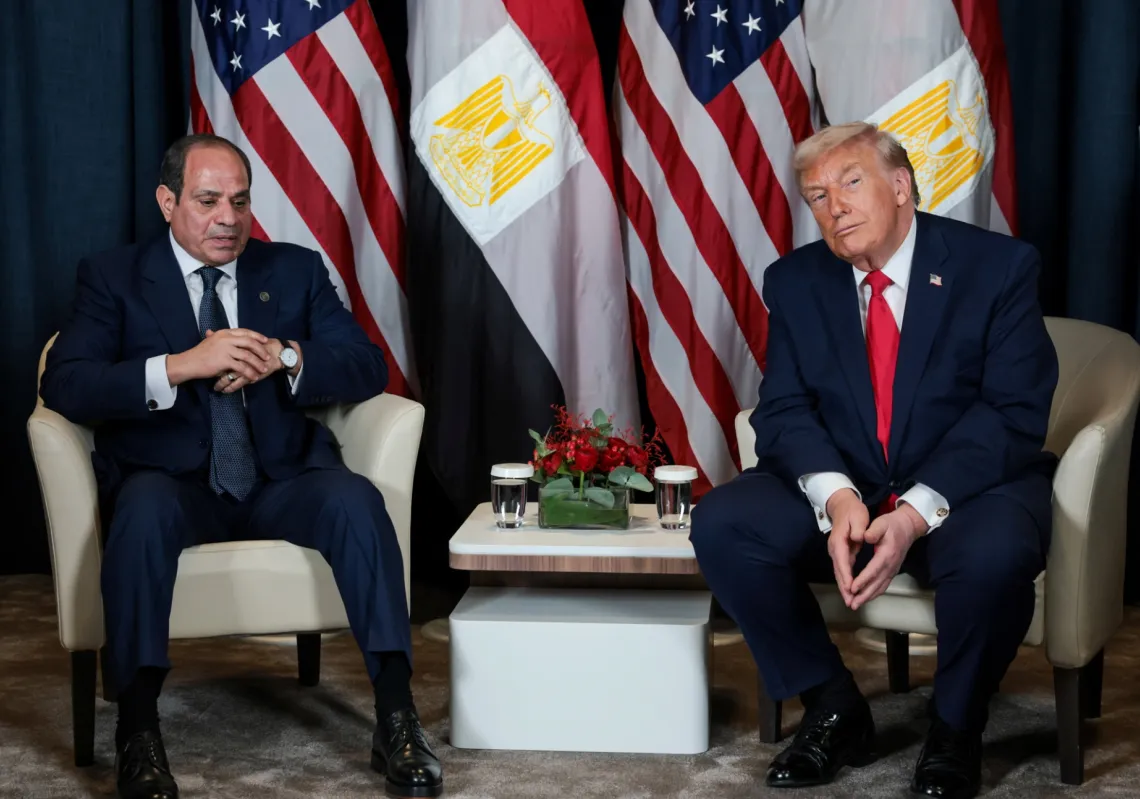
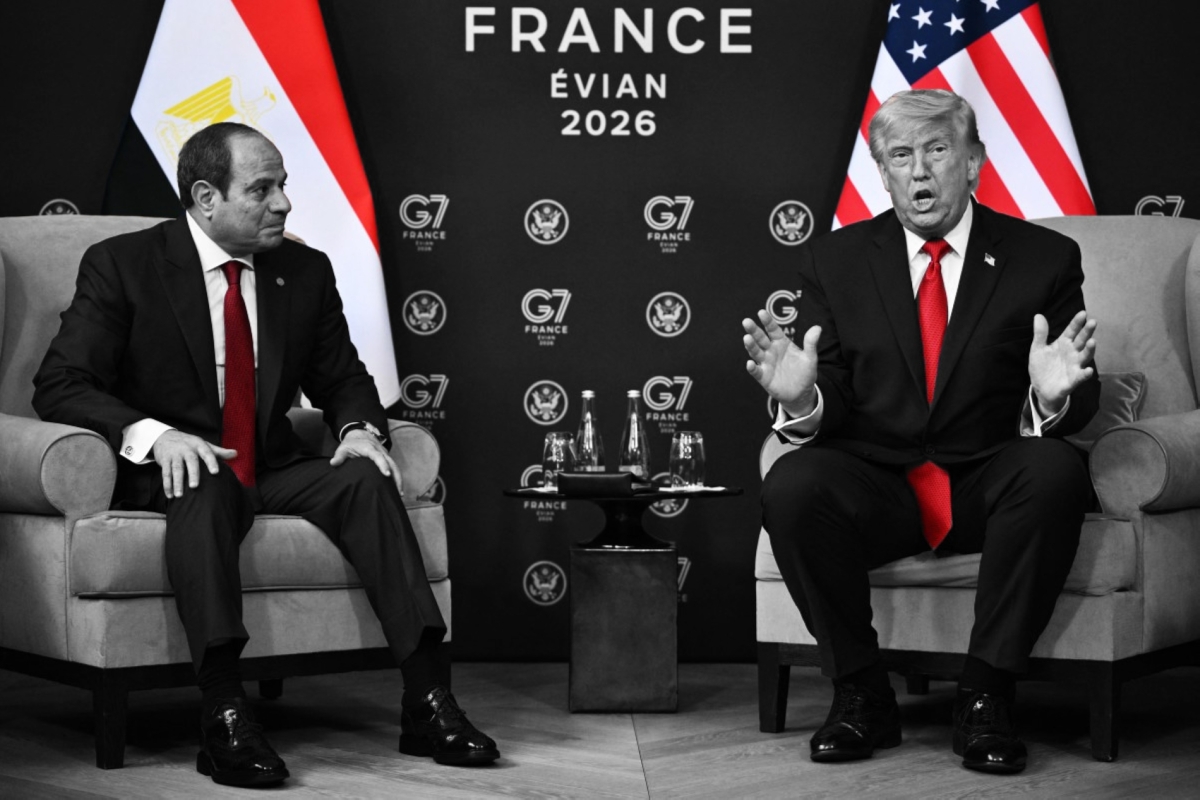
Trump praises Egypt’s role in the region and admires his Egyptian counterpart, Abdel Fattah al-Sisi, having previously talked about their chemistry, so a gap may be opening between Congress and the White House over US aid to Cairo. Proponents of aid continuation argue that Egypt demonstrates its value by preserving the peace with Israel, safeguarding maritime traffic through the Suez Canal, contributing to Red Sea security, and helping to stabilise the Eastern Mediterranean.
It also brokered (with others) a ceasefire between Israel and Hamas last year, with Egypt now the main gateway for humanitarian aid into Gaza. Egypt’s diplomats are pushing for the implementation of the next phases of the ceasefire plan backed by Trump and stand ready to help rebuild the war-torn territory. Washington reciprocates with economic and military assistance.