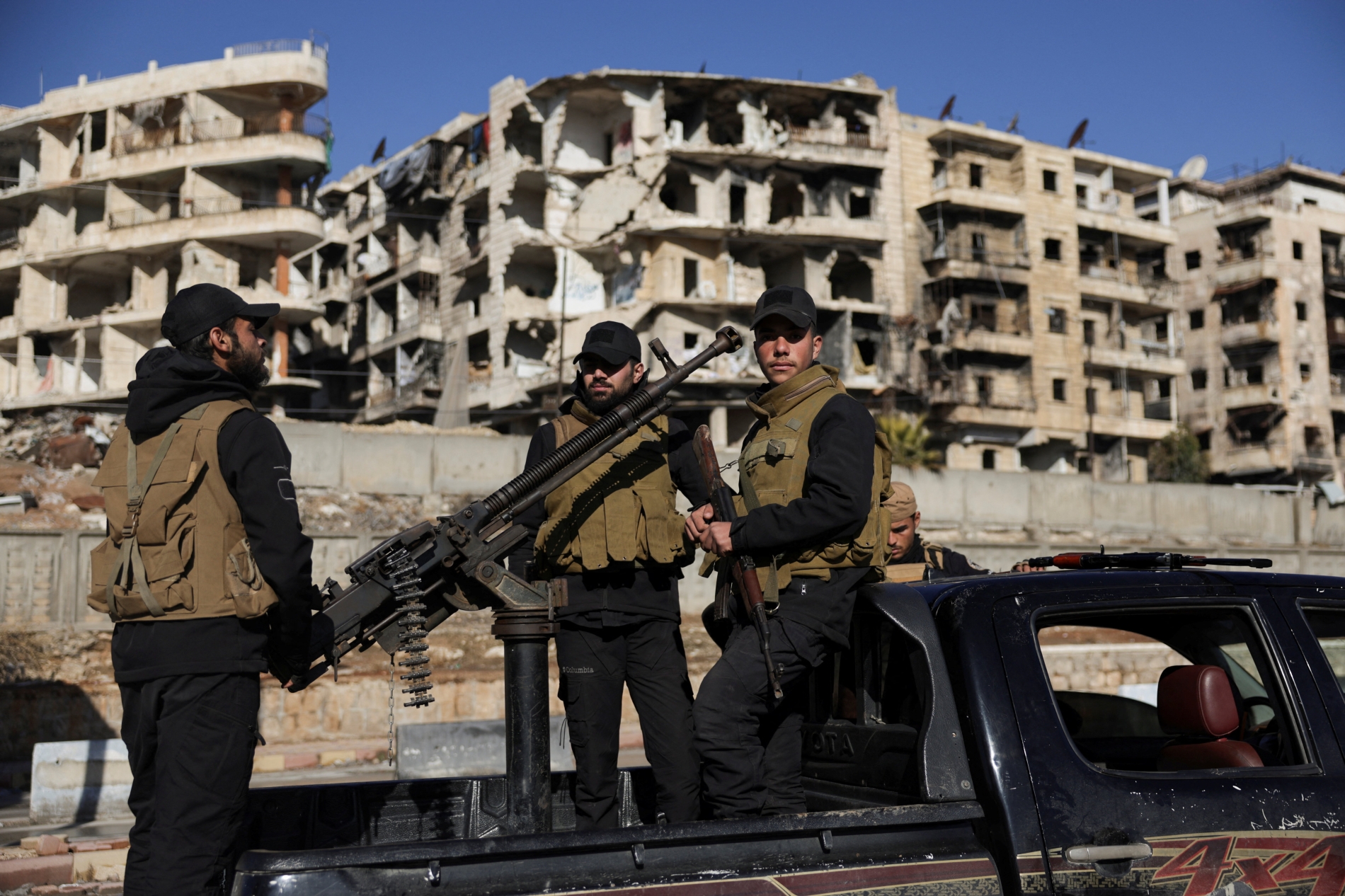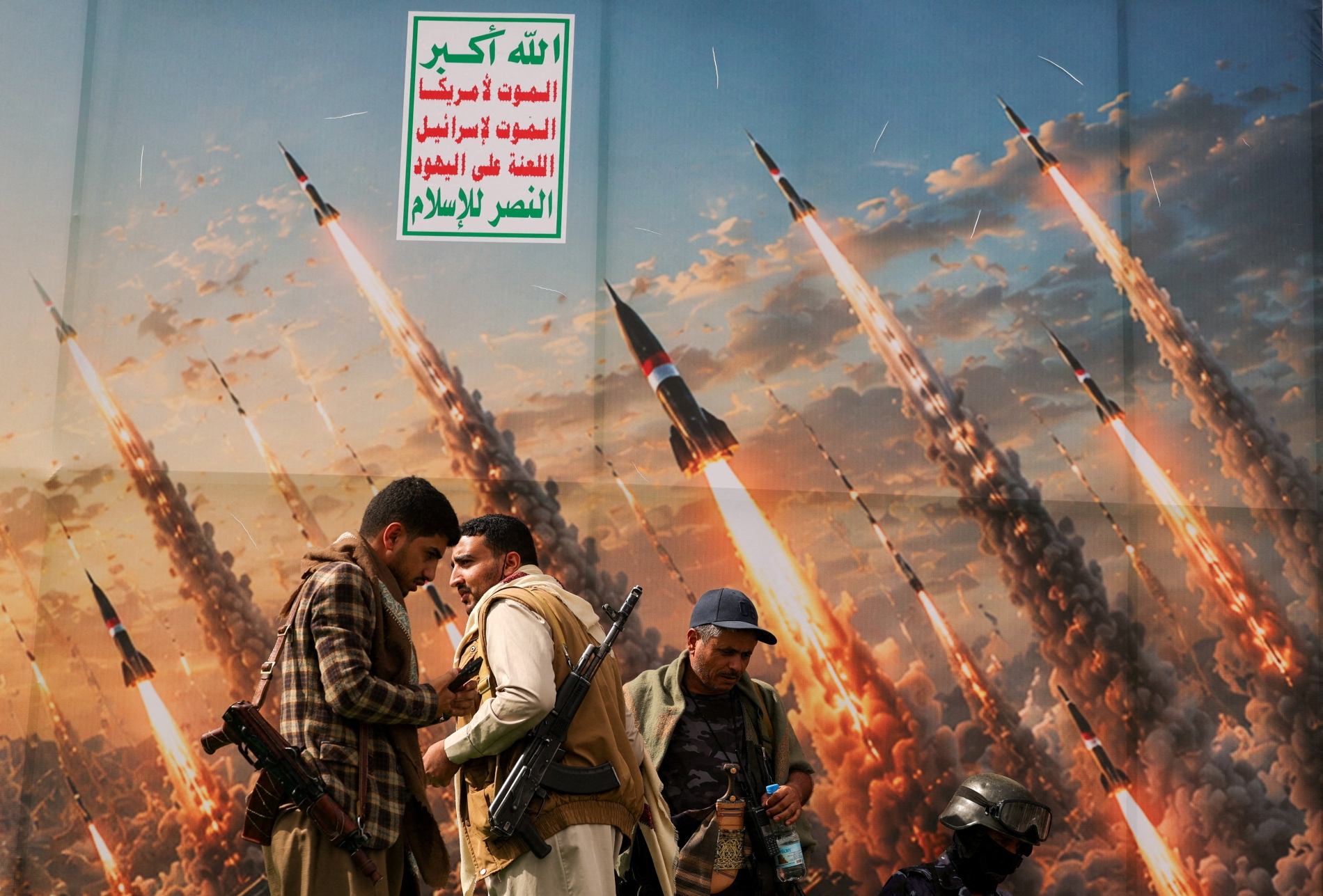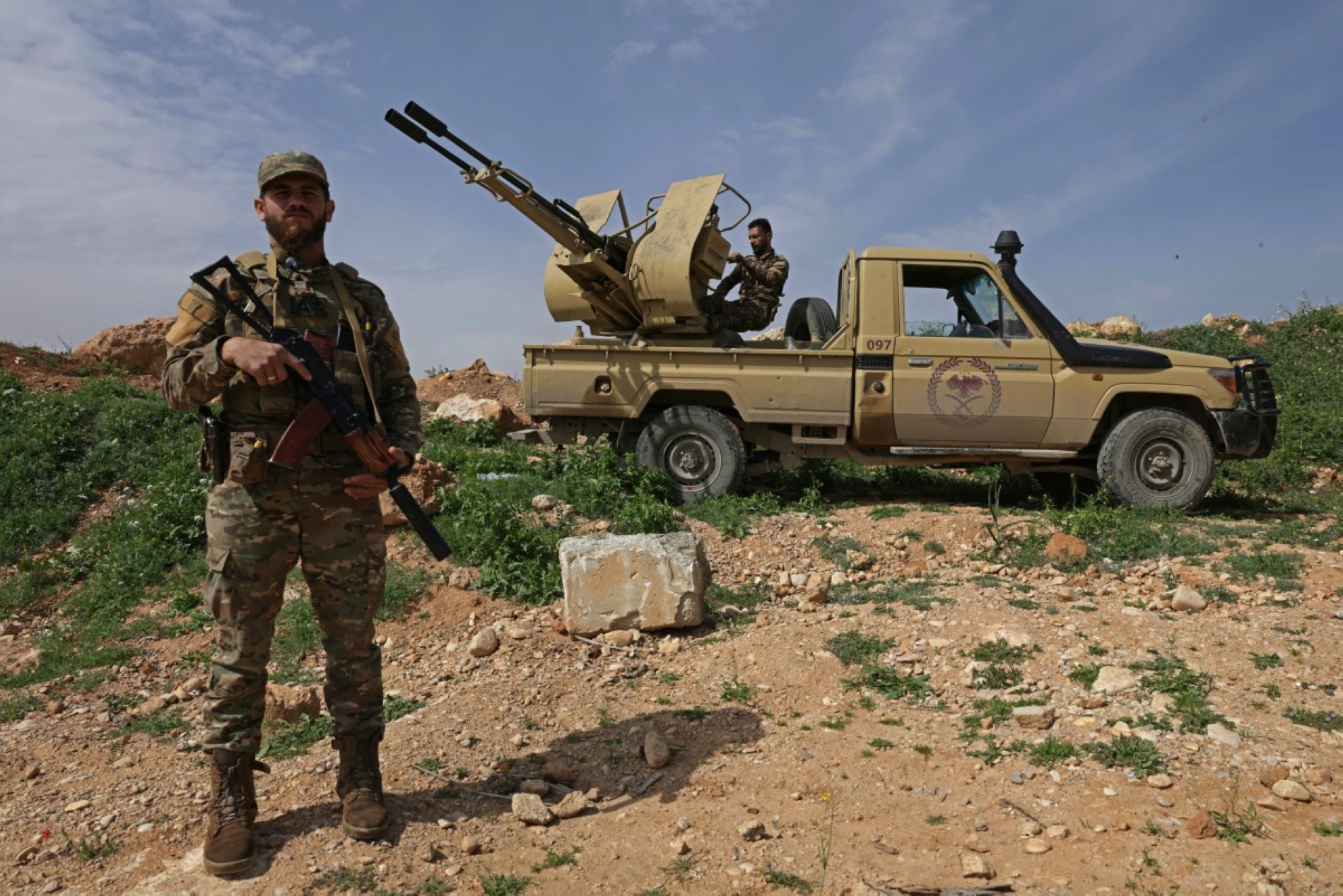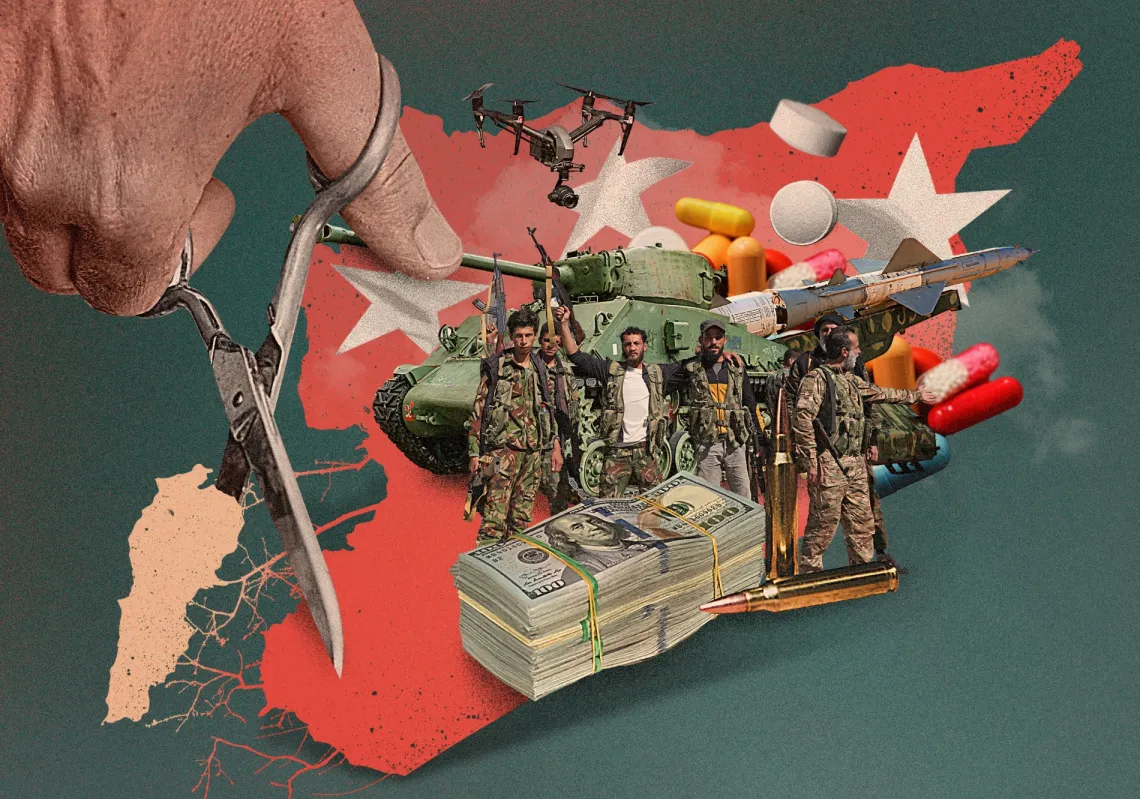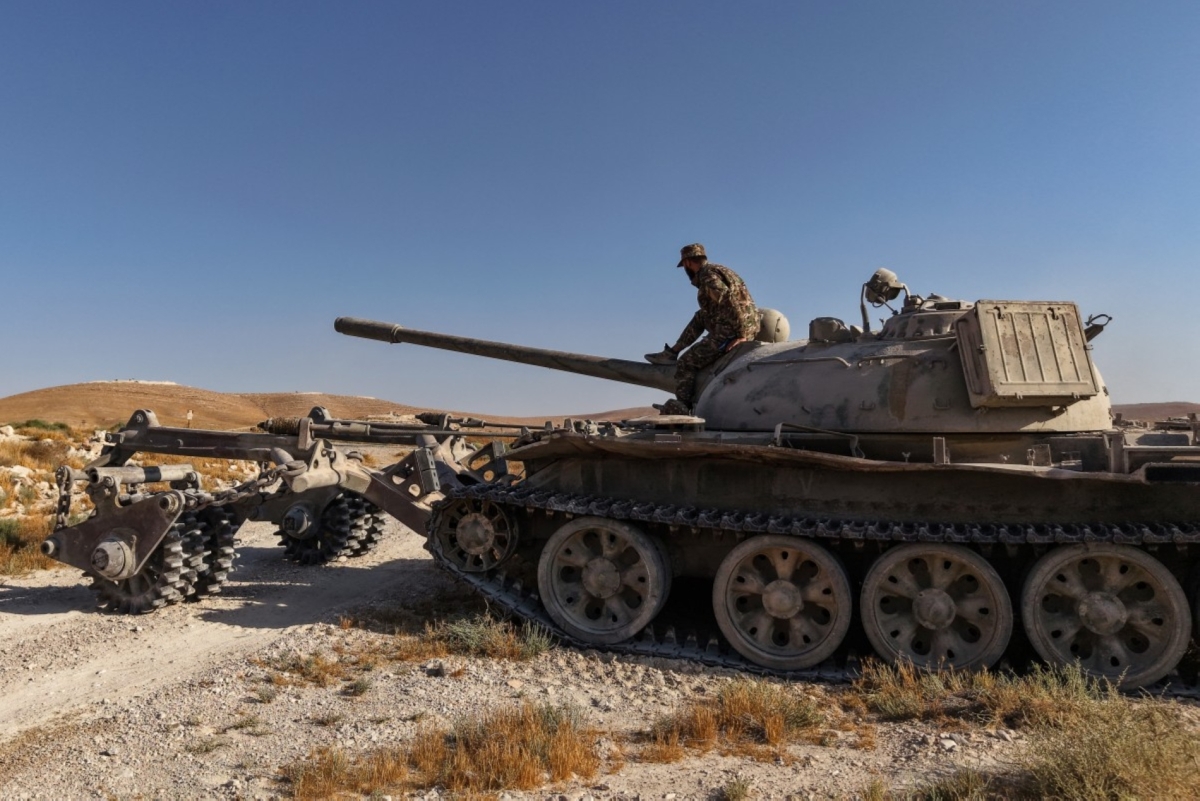

Two years after they defeated the army of President Bashar al-Assad in a lightning advance led from the northwest region of Idlib, Syria’s armed forces may be preparing for another fight roughly 2,400km to the south. If media reports are to be believed, the country’s battle-hardened soldiers have their sights set on the Houthi militia in Yemen to support one of Syria’s top allies, Saudi Arabia.
The details and scale of any Syrian deployment to Saudi Arabia and/or Yemen remain unclear, but it is clear that Damascus and Riyadh are deepening their security and defence cooperation, going well beyond bilateral training. This feels like a natural match, given their shared regional security objectives. On Iran, they are largely on the same page.
On 7 October, Axios was the first to report that Saudi Arabia and Syria were discussing the deployment of Syrian troops to Yemen. On 6 November, Reuters reported that dozens of Syrian military personnel had travelled to Saudi Arabia to advise and train fighters for deployment to Yemen. Two days later, citing officials, Associated Press outlined preparations for an initial deployment of 600 Syrian special forces personnel along the Saudi-Yemen border. Yemeni sources put that figure in the thousands.
Officially, Damascus has denied the claims. On 9 November, Foreign Minister Asaad al-Shaibani dismissed reports of Syrian forces operating in Yemen, saying the defence agreement with Riyadh concerned rebuilding Syria’s army. While Syrian soldiers are reported to be inside Saudi Arabia, a Syrian force fighting in Yemen is thought to be unlikely. Still, it highlights the value that Syria can bring.
Lessons learned
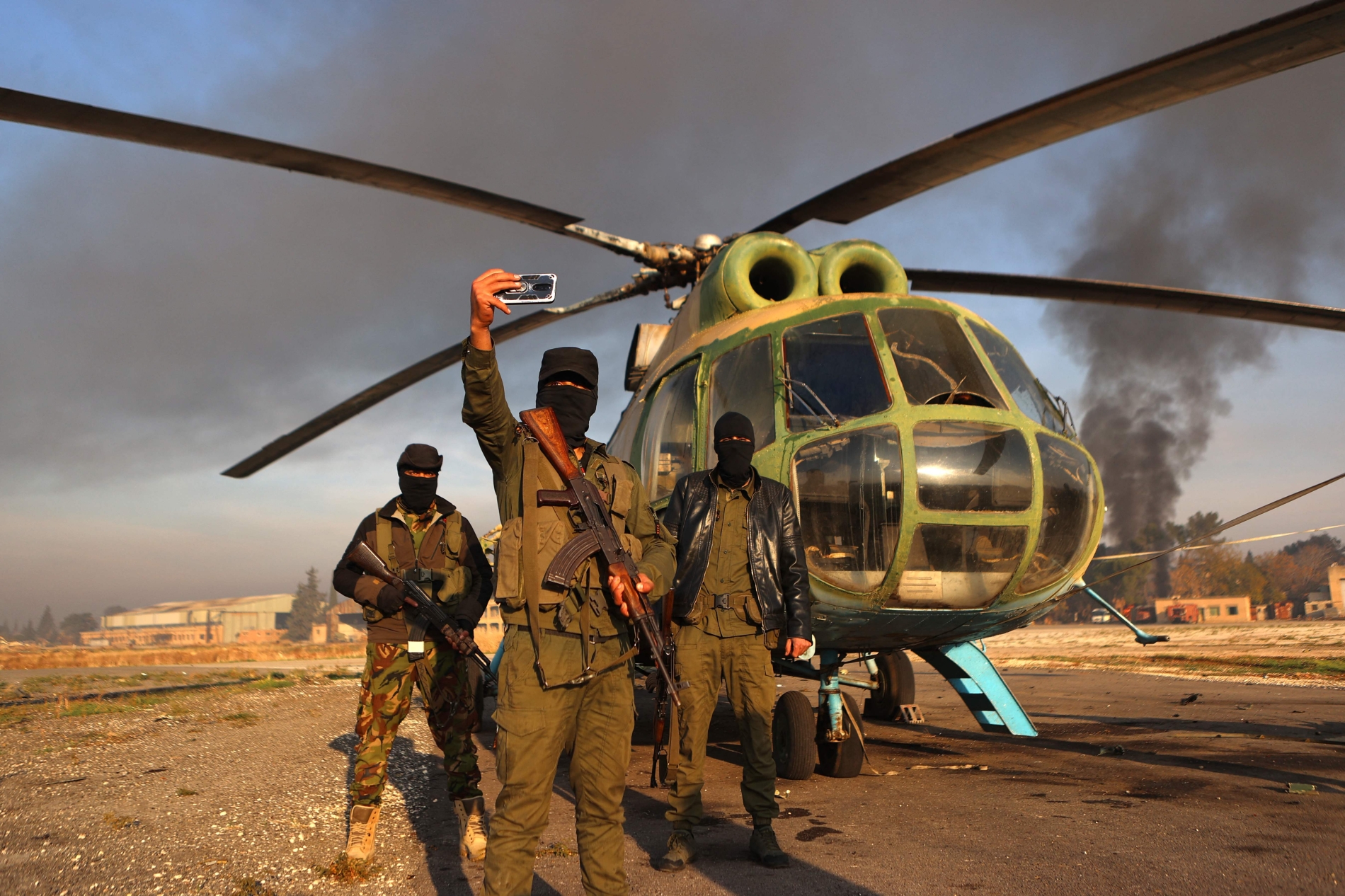
The country’s experience of fighting both Assad’s army and subsequently several armed semi-autonomous groups within Syria means that Damascus is now highly versed in wartime organisational adaptation, including the use of unmanned systems and the coordination of fragmented forces, so it could offer valuable lessons to the Saudis.
Beyond advice, a small Syrian border security mission could free Yemeni government formations to move to the frontline. On 4 November, Syrian President Ahmed al-Sharaa met Saudi Crown Prince Mohammed bin Salman to discuss all this. It resulted in a defence-cooperation agreement, with their joint communiqué addressing threats to freedom of navigation in the Red Sea, Bab al-Mandab Strait, and the Strait of Hormuz.
Syria is keen to help, but its leaders are also pragmatic. Parallel to improving military and security relations, Riyadh is co-sponsoring Syria’s much-needed reconstruction. On the day the two met, the Saudi Fund for Development signed six concessional loan agreements with Syria worth more than $400mn to strengthen Syria’s civilian defence and emergency infrastructure.
The pair are strategically aligned, with mutual interests. The fall of Assad dented Iran’s options and influence in the Middle East, something Damascus and Riyadh would both like to curtail. The Saudis, who have previously relied almost exclusively on the US, also want to diversify their security partners in the region, build greater burden-sharing frameworks, and enhance protection from Houthi attacks. Likewise, Damascus seeks investment, legitimacy, and regional reintegration. In short, they can help each other.
Out from the cold
This realignment reverses the past dynamic of Syria-Yemen relations. Under Assad, Iran was a major Syrian ally, and Iran is the Houthis’ main sponsor, so all three were largely on the same page. Assad let the Houthis occupy Yemen’s embassy in 2016, depriving the internationally recognised government (which has Saudi support) of effective representation, but Syria’s new rulers returned the embassy to Yemeni government control in April 2025, ending a decade of estrangement. Senior meetings between the two countries then resumed in New York, Munich, Cairo, Antalya, and elsewhere. When it comes to Syria, Iran and the Houthis are out in the cold.
Before he became the country’s interim president, al-Sharaa led the Idlib-based force that toppled Assad. From 27 November 2024, his Hayat Tahrir al-Sham (HTS) group and allied opposition formations quickly captured the big Syrian cities of Aleppo, Homs, and Hama, before Assad fled Damascus days later, on 8 December. Their victory was well earned; HTS had spent years professionalising and coordinating fragmented factions in preparation.
In December 2024, HTS commander Abu Hassan al-Hamwi told The Guardian that they had done so because they identified an “absence of unified leadership and control over battle”. That vulnerability will sound familiar in Yemen, where the country’s Armed Forces (YAF) are composed of formations with different institutional histories, military doctrines, and territorial constituencies.