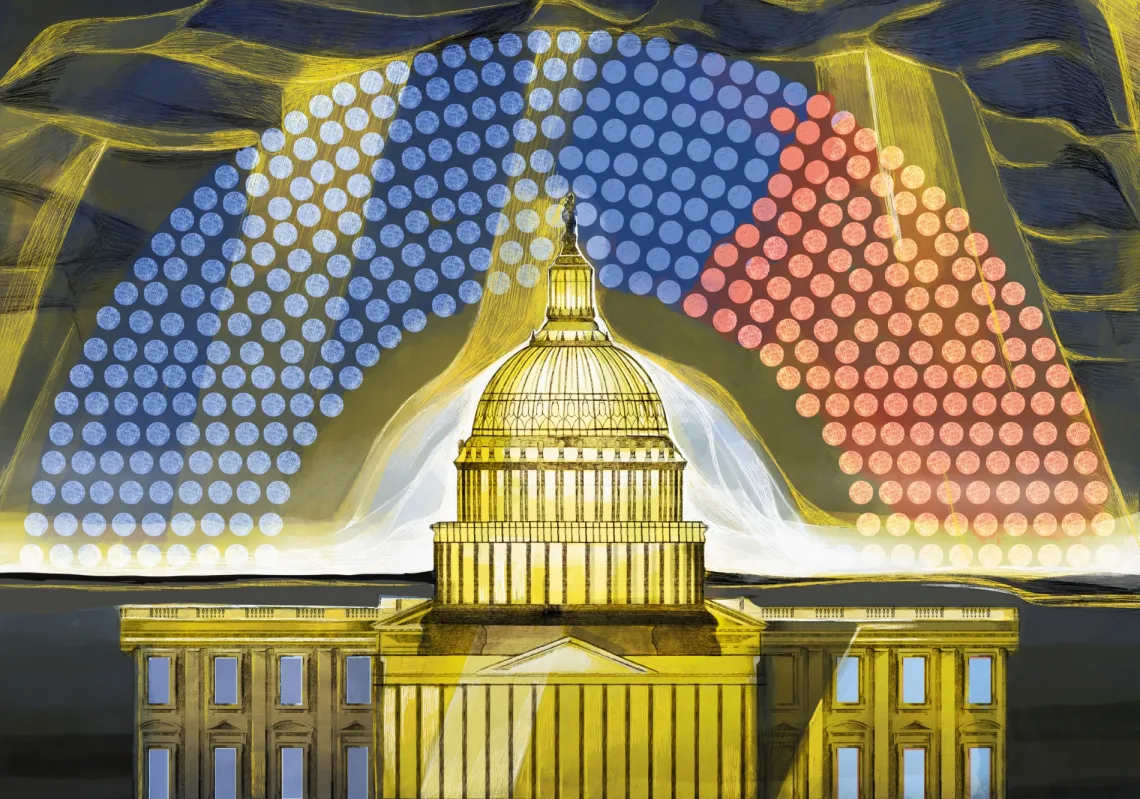


There is a trope of US political journalism so time-tested as to nearly rise to the level of a verity: In making their choices, voters in the United States place little emphasis on foreign affairs. But yesterday’s overwhelming victory by opposition Democrats has proved that this falls well short of a rule.
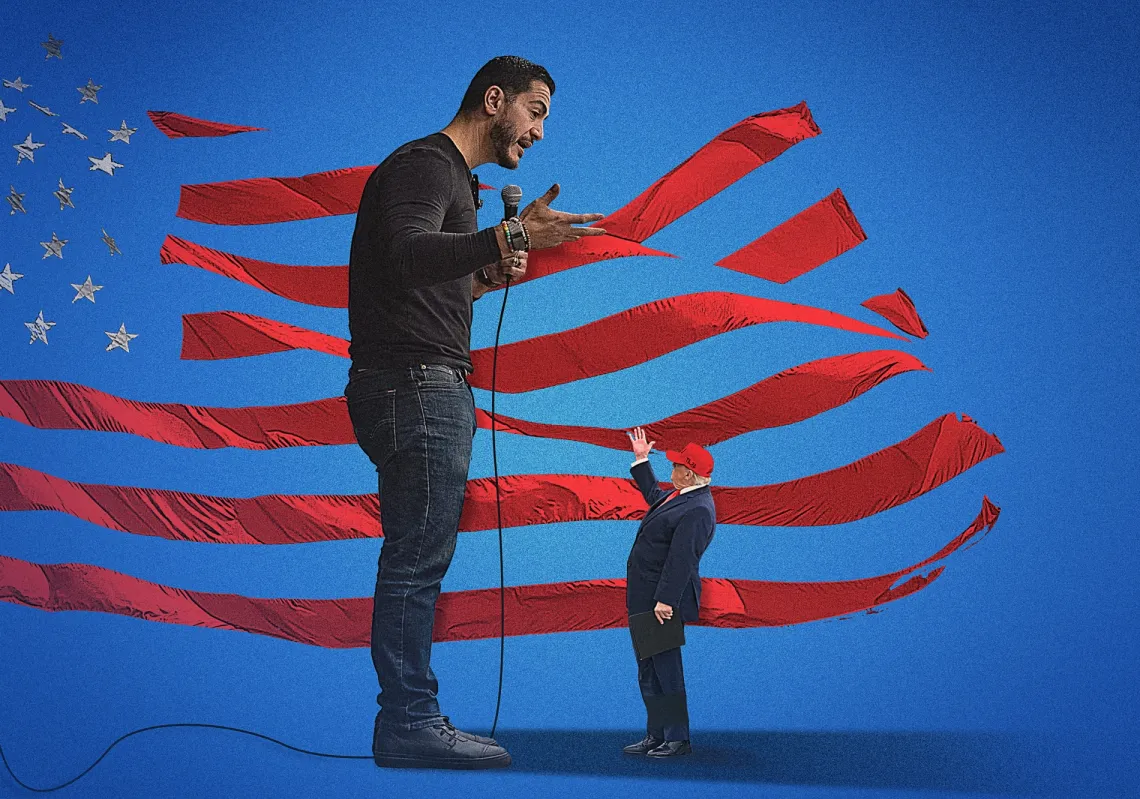
One needn’t take this on my authority. On Wednesday morning, after picking through the disastrous results for his Republican Party, US Vice President JD Vance posted on social media: “The reason we lost is the war. The president himself said so last night. ... Everyone knows why we lost. And any honest conversation about where we go from here must start there.”
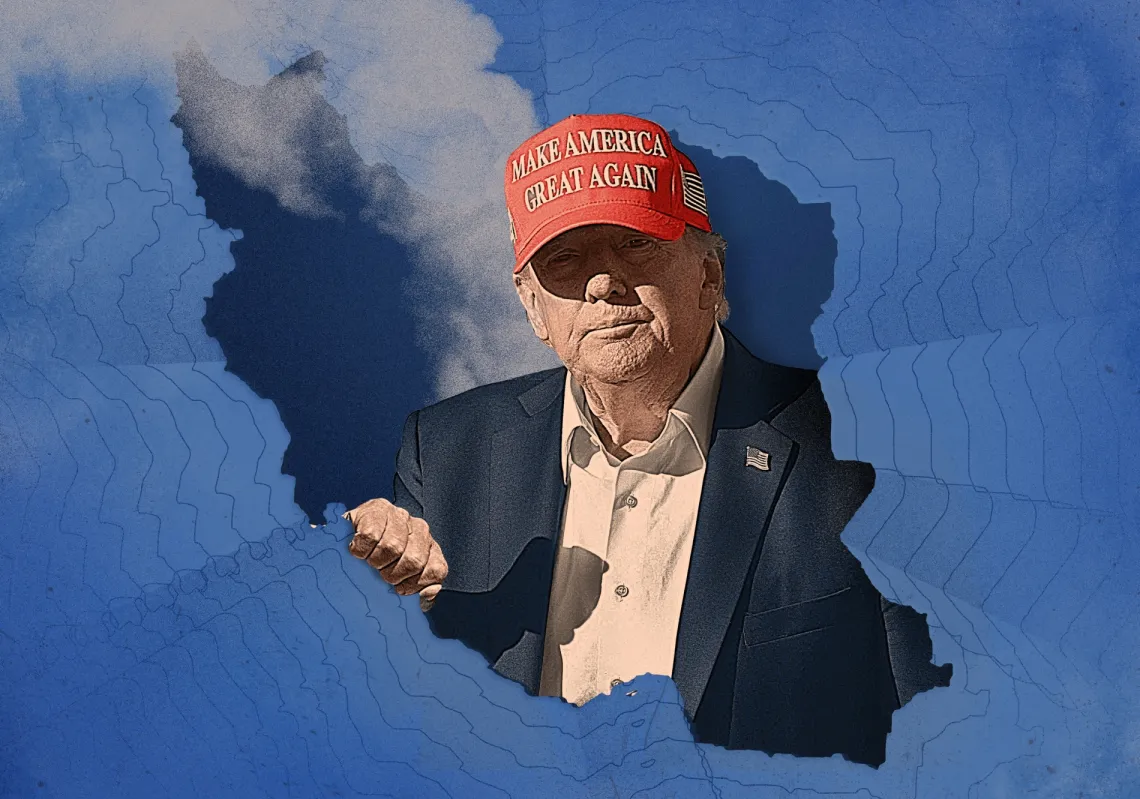
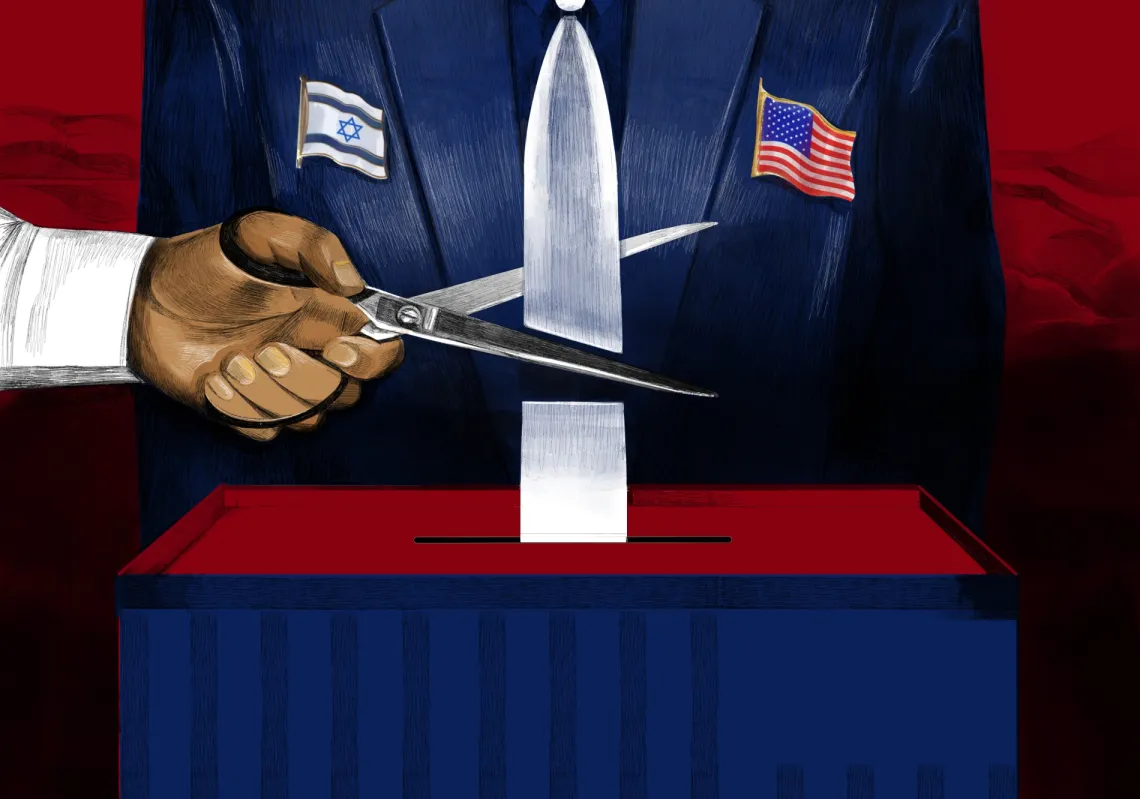
Vance was attributing a clarity to his boss that US President Donald Trump has shied from exhibiting on the United States and Israel’s ill-conceived and poorly executed war against Iran, which many observers believe was largely inspired by Israeli Prime Minister Benjamin Netanyahu. The Israeli leader has long sought to persuade US presidents to attack Iran, and in Trump, he finally found a willing—or gullible—partner.
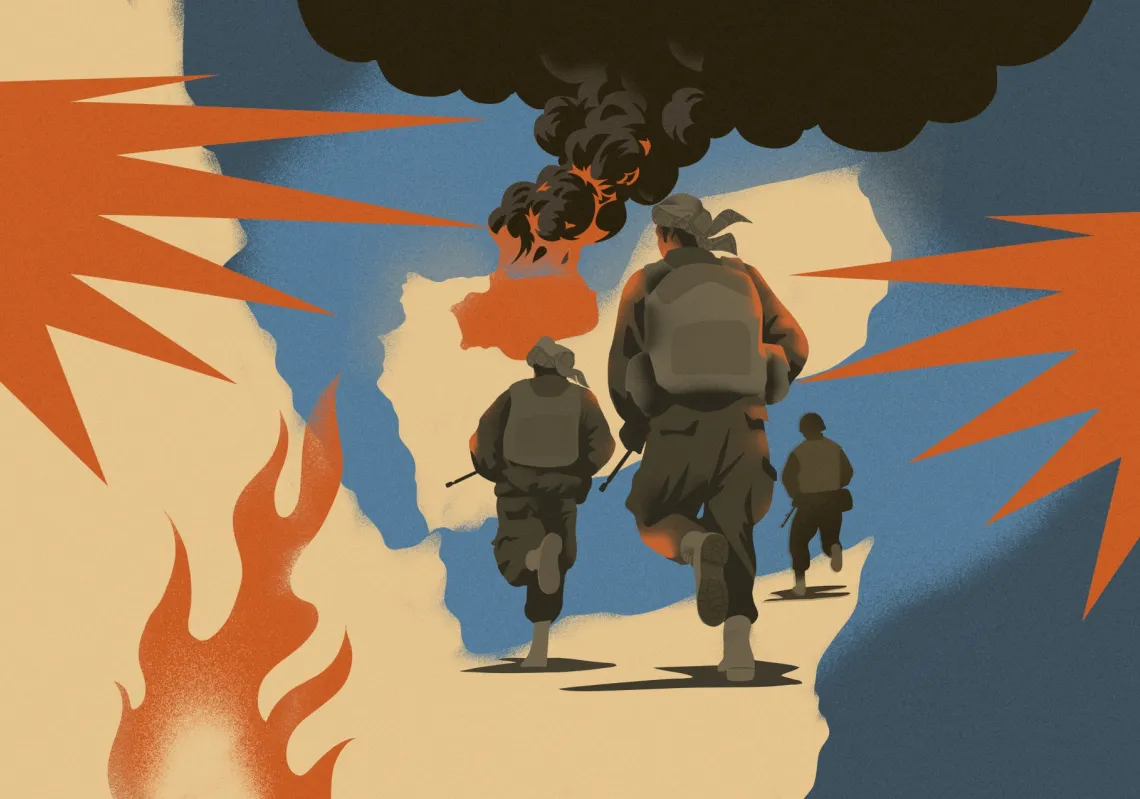
As is well understood by now, Trump and Netanyahu’s war against Iran failed according to nearly all of its many shifting rationales. It did not destroy Iran’s Islamic system of government. It did not permanently defeat Tehran’s regional ambitions and may not even have downsized them. Iran still maintains extensive control over the supply of oil to global markets through the Strait of Hormuz, and its Yemeni allies, the Houthis, have demonstrated not just persistence but surprising prowess in attacking key Arab allies and arms clients of the United States.
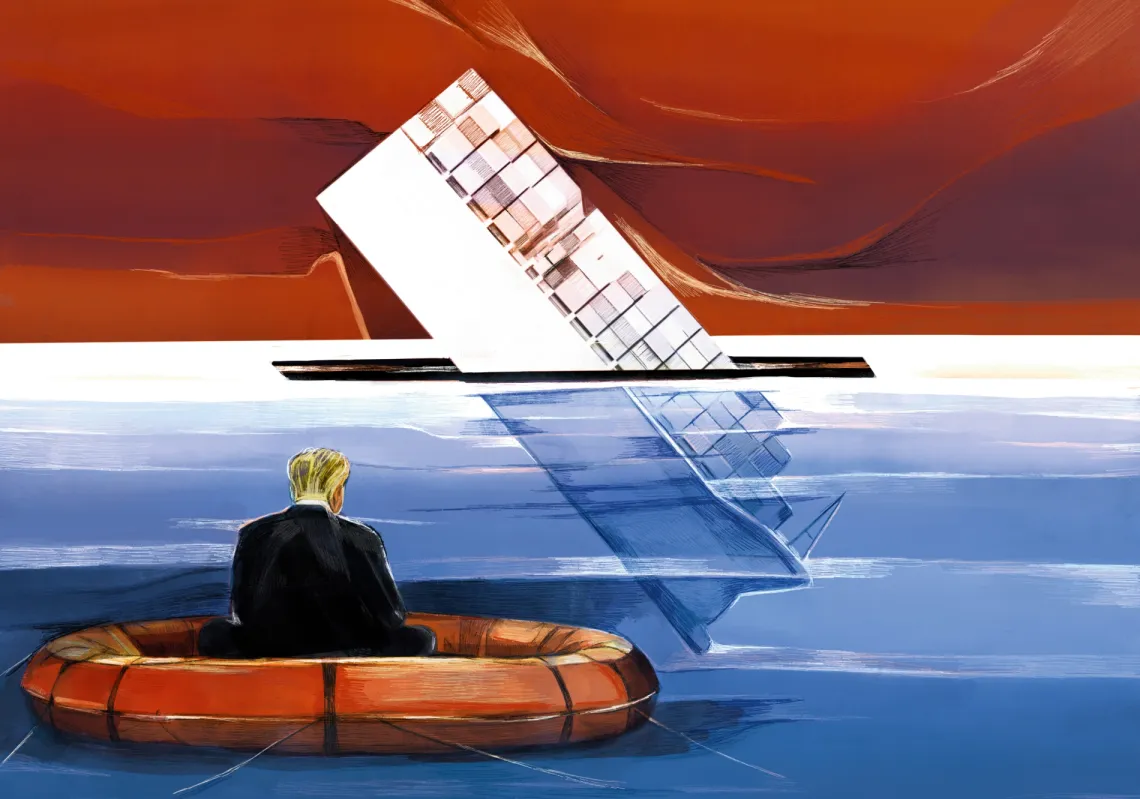
But this is only the beginning of the pain that this war has incurred for the United States. Perhaps the single biggest factor in the elections, it has driven up US gasoline and diesel prices far above their prewar levels, and in doing so, it has stoked inflation and driven up interest rates, creating hardship for tens of millions of Americans.
Sceptics may say this simply confirms the old wisdom that Americans only care about foreign affairs when it costs them money. But that is a distinction without much difference. Voters were not confused about the cause of their hardship. As Vance himself acknowledged, they knew it was the war.
One of the things the data analysts on our side obsessed over was "composition"—whether the electorate looked close enough to 2024 for Republicans to win. And despite polls that showed a Democrat blowout, the data kept on telling us the same story: in some states turnout was...
— JD Vance (@JDVance) November 4, 2026
This conflict, which was unquestionably a war of choice that many Americans see as having been unnecessary, has also badly depleted many of Washington’s most capable and expensive munitions, weakening its military posture in the world’s most sensitive theaters: the East China Sea and both Ukraine and NATO’s borderlands with Russia.
Combined with the extended deployment of aircraft carrier battle groups in the Middle East, this depletion has left both Taiwan and islands disputed between Beijing and Tokyo more vulnerable than at any time in recent memory to Chinese attack. Meanwhile, even if Trump were able to wake up from the trance that Russian President Vladimir Putin seems to have put him in, Washington now has far fewer of the advanced weapons systems that Kyiv desperately needs to defend itself from Moscow’s indiscriminate missile and drone attacks.
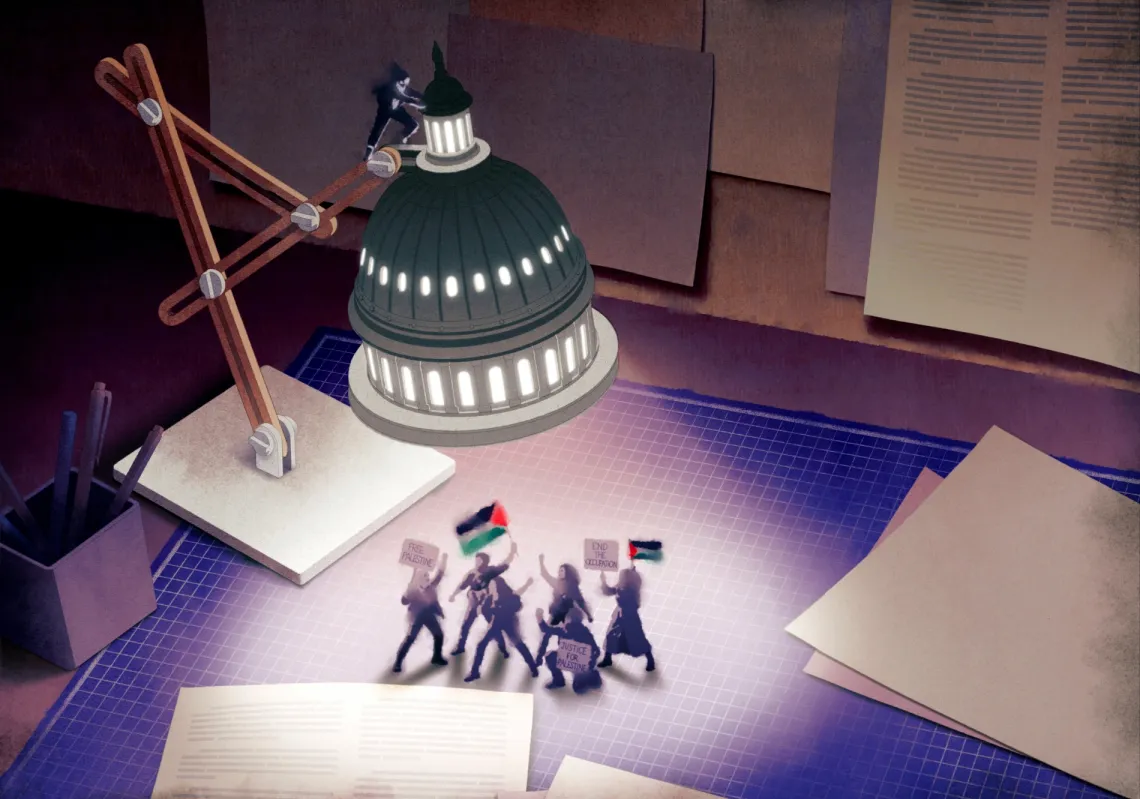
Beyond the midterms, foreign policy is likely to remain on centre stage in the struggle between Trump and Congress over the next two years. Presidents who lose one or both chambers of Congress during midterm elections almost always face a sharp limitation in their powers. It is the rare administration that is able to pass any major domestic legislation under these circumstances. And so lame ducks tend to focus their energies on foreign policy, an arena in which the Constitution grants presidents tremendous sway.