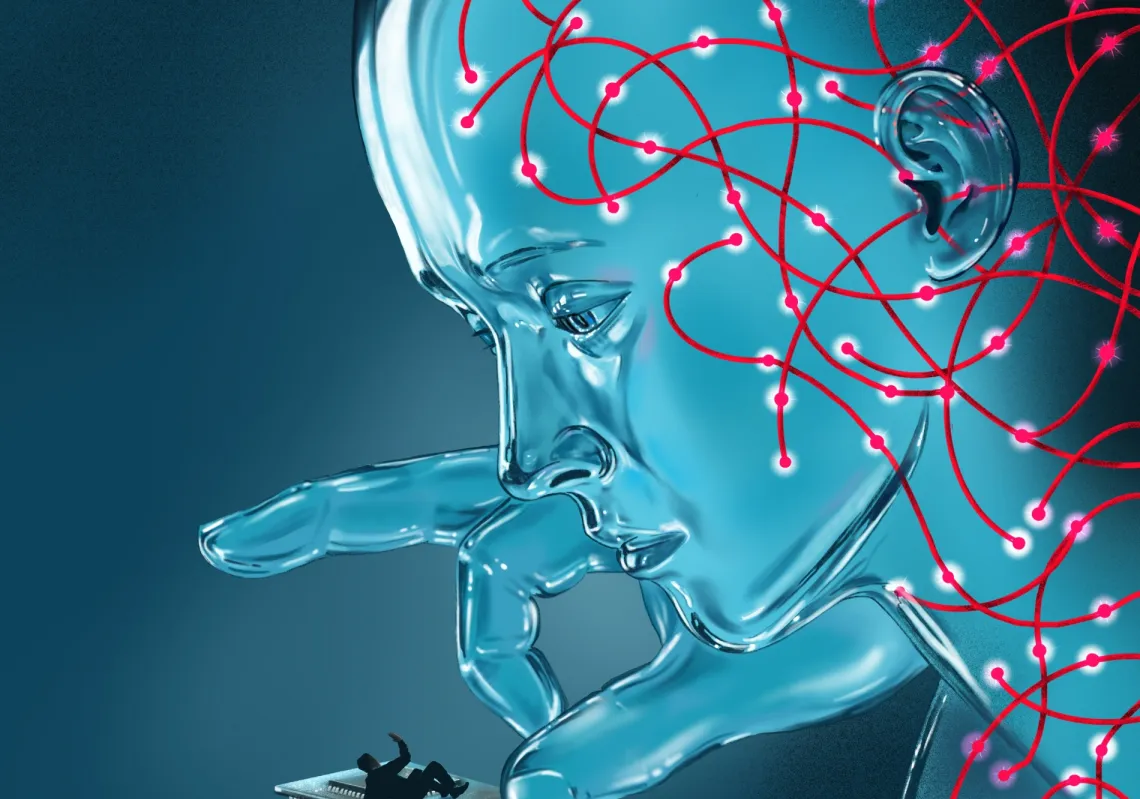

To many, artificial intelligence (AI) and robotics are the defining new technologies of the early 21st century, and now the former is helping to design the latter. It is a brave new world. Robots are already deployed at scale in factories around the world, but the introduction of humanoid robots in a residential setting has only just begun, with recent advances in movement and balance allowing greater dexterity and manoeuvrability, which in turn allows more household tasks to be fulfilled.
Having been a feature in factories and warehouses for several years, trials of robots are now extending to shops and homes, with companies developing capabilities that could eventually allow their products to assist the elderly and disabled in a caring capacity, or to work within hazardous environments. Yet there is a difference between performing a task under controlled conditions and coping with the complexities and unexpected demands of everyday life, which is where AI could help.
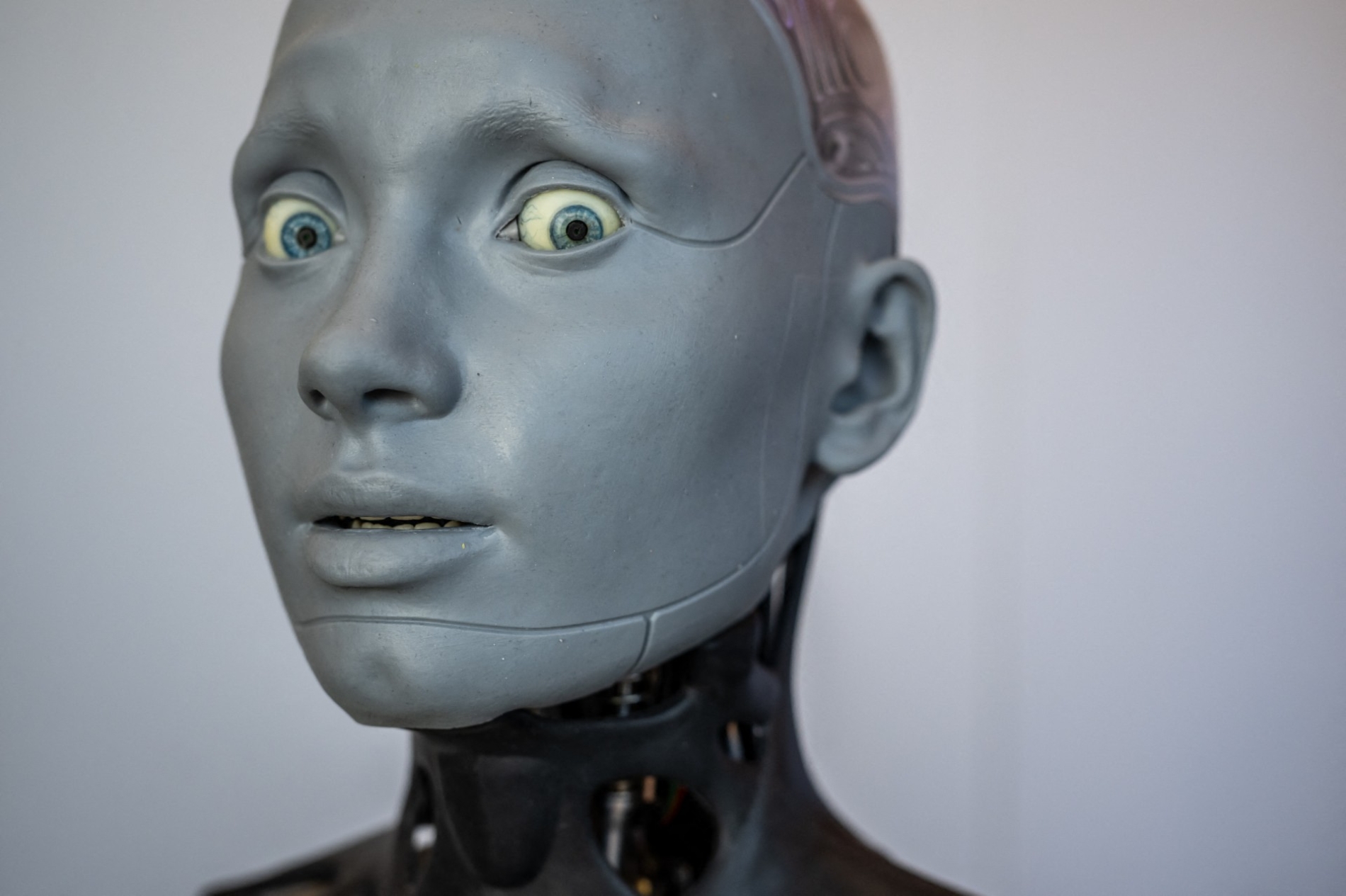
The two main technological superpowers in the AI-robotics race are the United States and China. Recent advances extend to speech recognition and touch sensitivity, as well as the development of artificial skin and humanlike facial features. One development pathway focuses on physical tasks, such as handling, moving, and arranging. The second pathway relates to interactions and understanding requests. Combining the two expands the range of work the robot can undertake.
Practical applications of moving humanoid robots have begun in structured environments such as factories and warehouses. At BMW’s plant in Spartanburg, South Carolina, the Figure 02 robot picks up metal components and positions them precisely for welding. Over ten months, it handled more than 90,000 components and helped produce more than 30,000 vehicles. The robot therefore offered repeated performance in a defined task on a production line, but did not manufacture the vehicles nor assume a worker’s full responsibilities.
A similar application is emerging in warehouses. In Flowery Branch, Georgia, logistics company GXO uses Digit, a humanoid robot developed by the American firm Agility Robotics. Digit moved more than 100,000 totes within the facility, again demonstrating its ability to perform repetitive work in a structured environment. In a warehouse, boxes are the same shape in the same set-up. In the home, a towel may lie on a chair, on a bed, on the floor, in a cupboard, or in the washing machine or tumble dryer, assuming a different shape, appearance, and even weight each time.
Wider trialling
A humanoid robot’s ability to handle objects or complete tasks in unpredictable or unstructured surroundings is therefore essential. To that end, in September 2026, Figure announced trials of its robots in 30 homes from which no prior training data had been collected. Tasks included tidying rooms, folding towels, and making beds. The training method increased the success rate from 9% to 56%, indicating improved performance in unfamiliar environments.
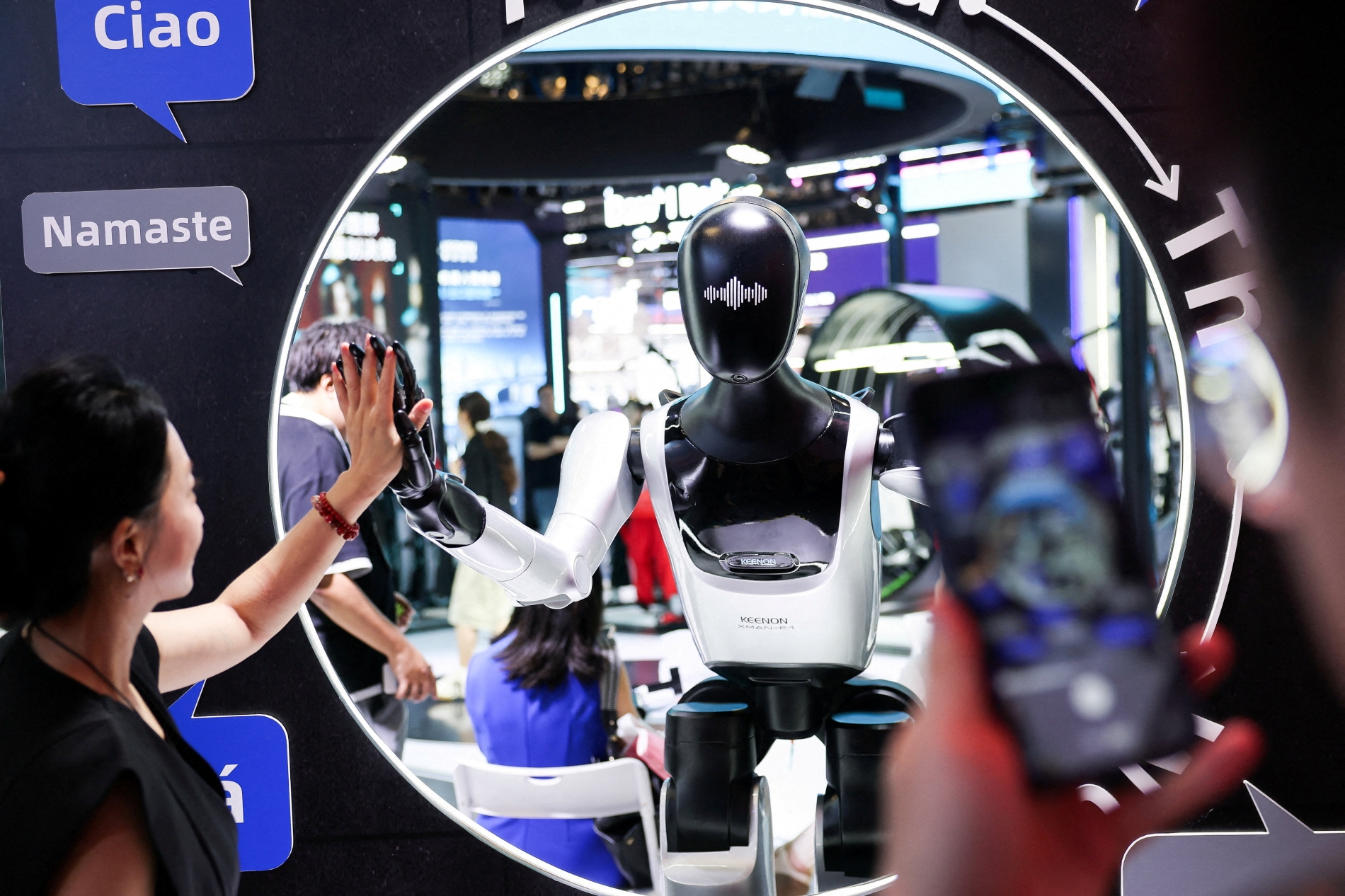
Individual actions and dependable, repetitive daily assistance differ, and some applications require less physical dexterity. In shops, for example, robots can greet customers, answer questions about produce and availability, offer directions and suggestions, even help with purchases. Chinese company AgiBot is deploying 100 humanoid robots across 100 ASD stores and will test performance with different people and circumstances. The evaluation process will incorporate sales data and service satisfaction feedback.
Hazardous tasks or environments are other areas for development. Stanford University has used OceanOneK, a robot with a human-like upper body and two arms, to explore shipwrecks and aircraft wreckage. In 2022, it descended 852 metres. An operator guides its arms and receives tactile feedback, allowing it to handle sometimes delicate underwater objects carefully. In this way, human skill is exercised remotely, without putting the human operator at risk.
As training data become more plentiful and AI models advance, companies are using Large Language Models and machine learning to develop robots’ capabilities. Google DeepMind’s Gemini Robotics model has been taught to interpret images and instructions and convert them into movement commands. It can operate with more than one robot design, reducing the need for separate control systems and facilitating the transfer of skills between machines. Yet data and AI are not the full answer.
Commercial models
As applications diversify, investment in humanoid robotics is increasing. According to technology market research firm IDC, global shipments approached 25,000 robots in the first half of 2026, up more than 432% on the corresponding period a year earlier. The market was worth $740mn over those six months, and rapid growth is set to continue, as high prices currently limit individual purchases but will fall over time, increasing affordability and uptake.
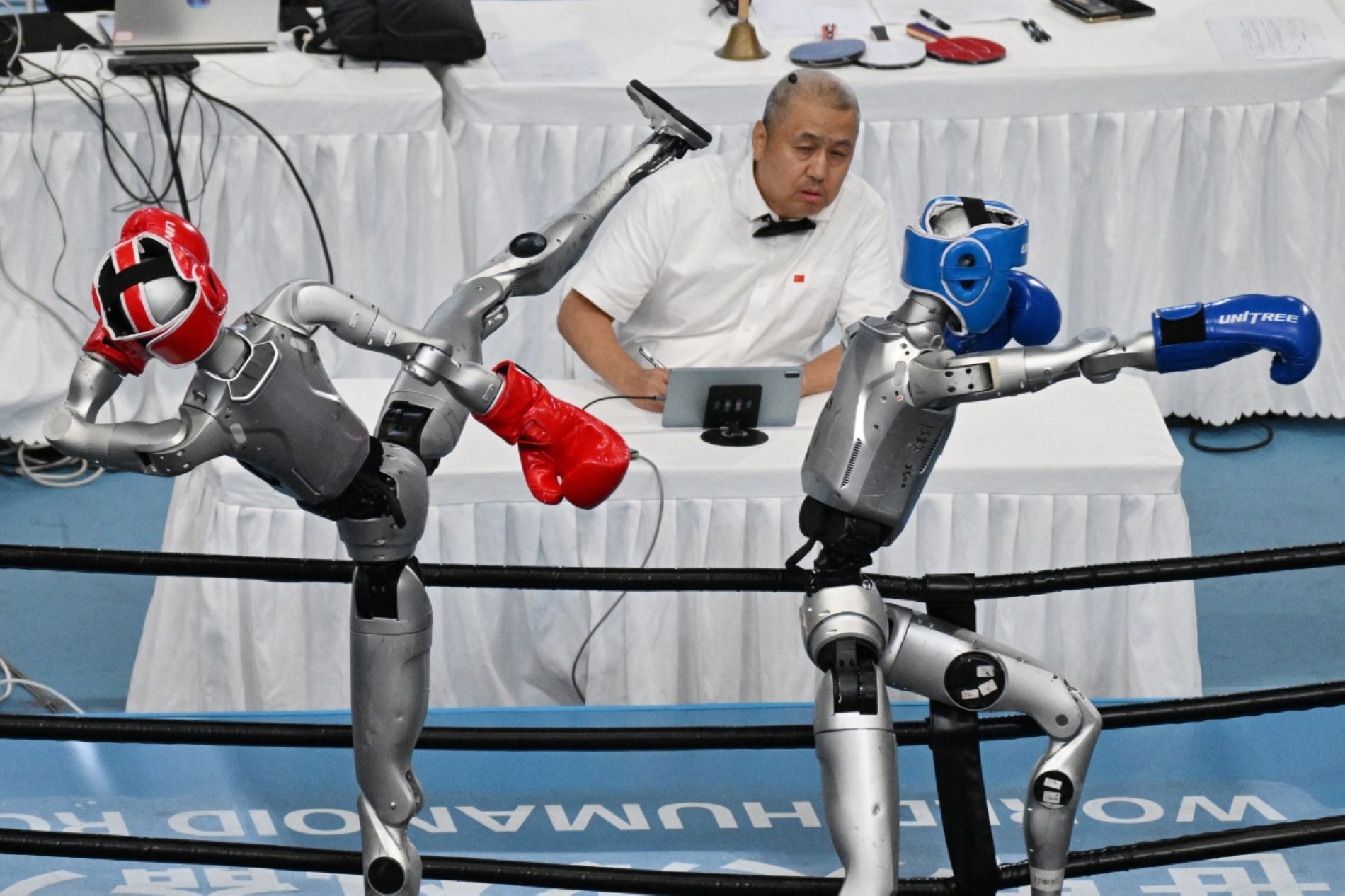
China is pushing ahead with this expansion. According to IDC, Chinese companies accounted for more than 95% of global shipments during the period. Manufacturers include AgiBot, Unitree, and UBTECH. They benefit from factories that produce components, motors, batteries, and sensors, as well as software and AI developers. The proximity of suppliers and manufacturers helps refine designs, accelerate production, and reduce costs, while government support includes innovation centres, testing facilities, and equipment procurement. The Chinese government said 140 domestic companies developed 330 models of humanoid robots last year.