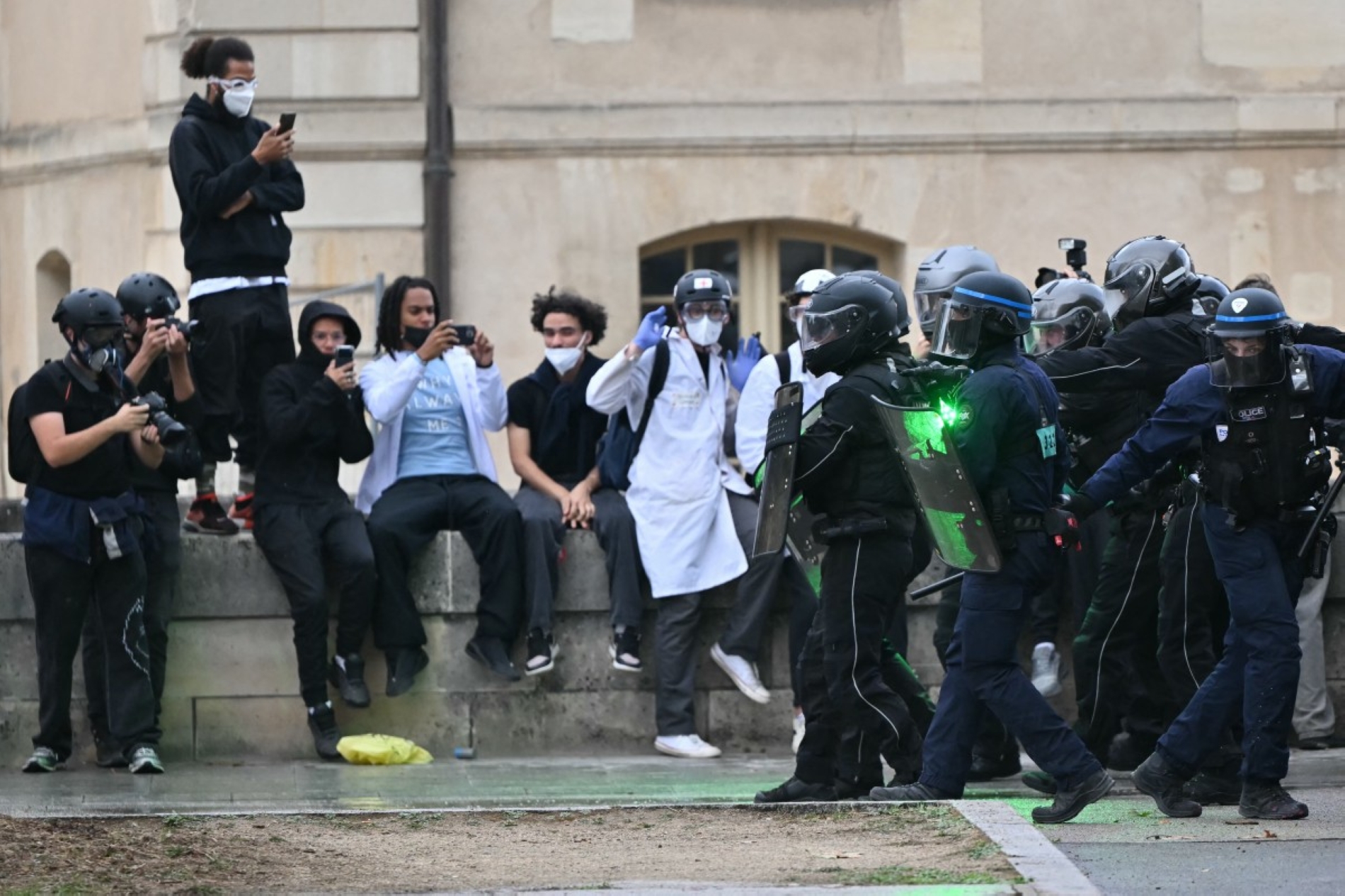

Mobile phones are now an essential tool for protests. They are used to spread the word, identify gathering places, exchange information, and document events. Through apps like BeechtChat, protesters can even communicate offline, as was used in the recent French demonstrations. This shows how technology lets people mobilise without clear central leadership.
The state’s response has also changed, from censoring content and suspending accounts to blocking platforms and disconnecting. Central to this are the companies that control services that protesters rely on, whether that be a communication platform or a satellite internet network like Elon Musk’s Starlink.
Before the 24 October 2026 demonstrations in France, people were urged to download the BitChat app to communicate if networks were suspended or access was restricted. The app was one of the most downloaded on the French Apple Store on 22 October. A disruption to the Orange network contributed to the momentum. Although the extent of its use at the demonstrations is unknown, the downloads reflect interest in a communication tool that remains available when normal services are down.
The app began in July 2025 as a pilot project for Jack Dorsey, one of the founders of Twitter. He wanted to explore ways to connect phones to Bluetooth, pass messages between them, and encrypt them. When a person sends a message via WhatsApp or another app, it passes through the internet and the service's servers before it reaches the recipient. BitChat uses Bluetooth to connect nearby phones that run the app.
Users can start communicating without registering their phone number. In this mode, messages are transmitted directly between the devices in the area without the need for a mobile network or a central server. If the recipient is away from the sender, other phones between them can pass the message from one device to another until it reaches them. If users are distributed within a cluster, their devices may help move messages farther than the direct connection between two phones. However, this requires converged devices running the app. If a gap appears between them, the message may be interrupted.
BitChat also allows online communication using a network called Nostr that passes messages through distributed servers. Therefore, the app combines both methods depending on the available connection. The first is local via Bluetooth without the internet; the second reaches users farther away but requires an internet connection, like other messaging services.
Bypassing the problem
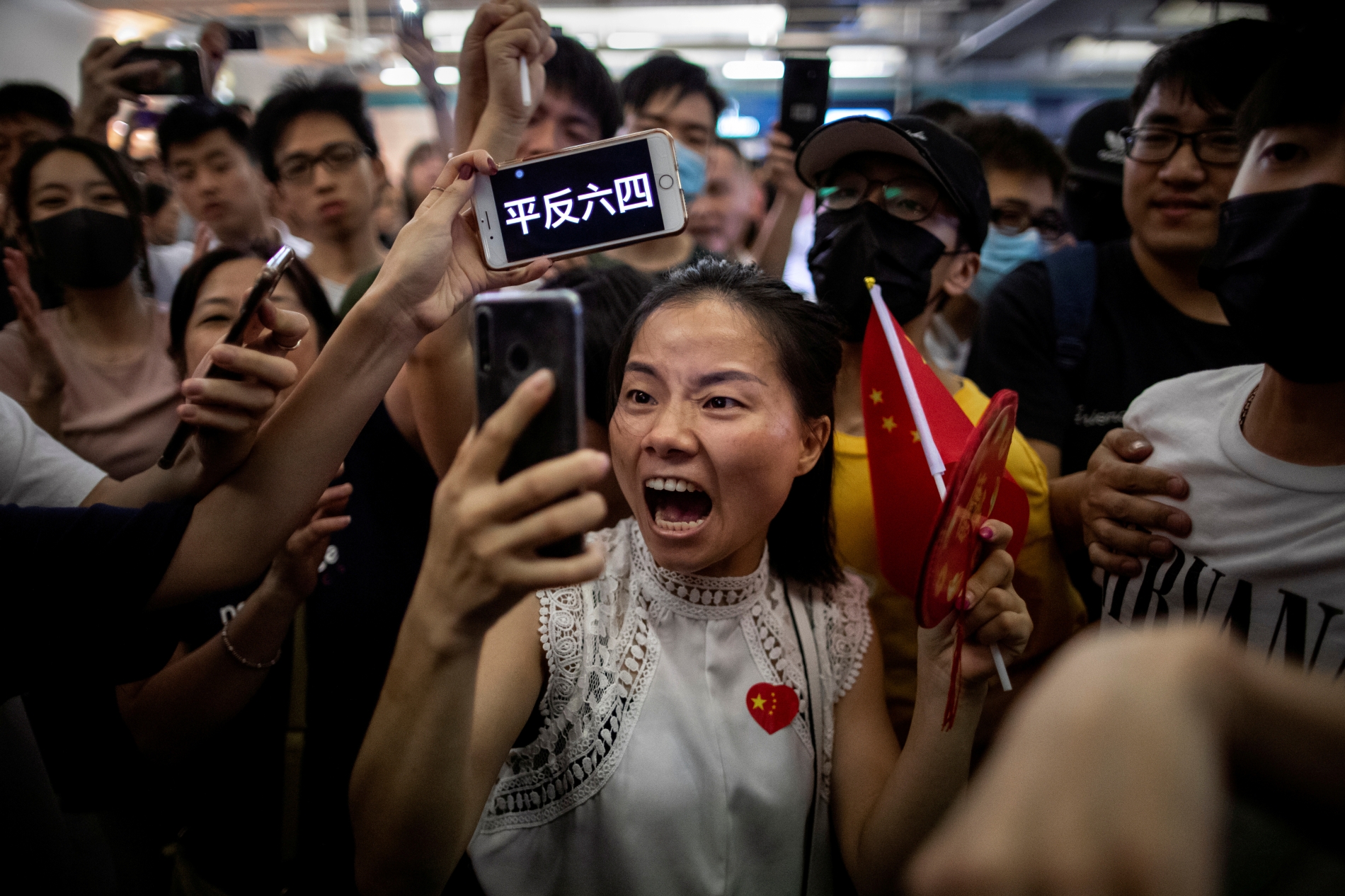
Fears of disconnection have prompted protesters to look for similar tools before. During the 2014 Hong Kong protests, participants turned to FireChat, which connected phones to Bluetooth and local Wi-Fi. Five years later, as other protests broke out in the city, interest in BridgeFi increased. This was repeated in Myanmar after the 2021 coup when internet restrictions made communication more difficult. The idea is to retain a means of exchanging messages if networks are unavailable.
Digital tools helped distribute demonstration tasks among different groups. Platforms such as TikTok and Instagram allowed invitations to people outside parties and unions. Messaging apps then provide a space to discuss details and assign roles, while interactive maps aggregate dates and locations, so that participants can follow multiple activities without having to go to a single party that manages them all.
This pattern was already present with the Yellow Vest movement that began in France in November 2018 to protest the increase in fuel taxes (its name comes from the yellow safety vests that drivers are obliged to keep in their cars and were used by participants as a symbol of protest). Facebook groups helped bring them together around common demands, identify gathering places, and exchange information between regions. This use extended to the preparation for the 24 October demonstrations.