
John D. Rockefeller, the American oil magnate and philanthropist, did more than just accumulate vast riches through his Standard Oil company; he helped redefine the concept of wealth, ushering in a new age: that of the billionaire.
Born into modest circumstances in 1839, he began his career as a bookkeeper before founding Standard Oil in 1870. Through strategic planning and a succession of acquisitions, it came to dominate the burgeoning American oil industry, eventually securing 90% control over the nation’s oil refining and transportation. By 1916, his personal fortune had officially exceeded $1bn.
Today, more than a century later, there are hundreds of billionaires. Some, like him, amassed their fortunes in hydrocarbons; others in construction, automobiles, real estate, investments, and banking. Over the past two decades, however, a profound shift has occurred in the way most fortunes are made. Most billionaires today made their money through technology, specifically digital technologies, including artificial intelligence (AI). This new class of wealth is built on data, algorithms, and digital creativity, and has all but reconfigured the global economy.
Top of the pyramid
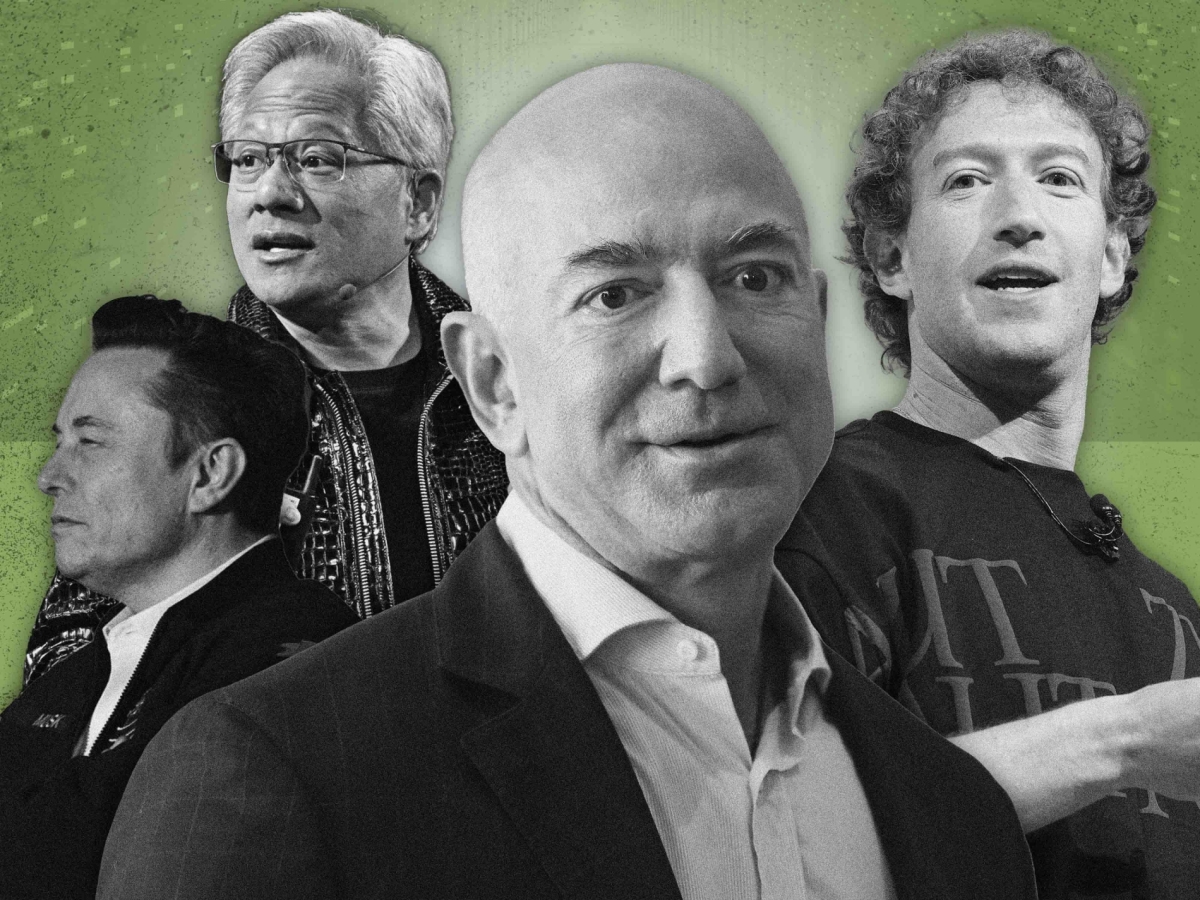
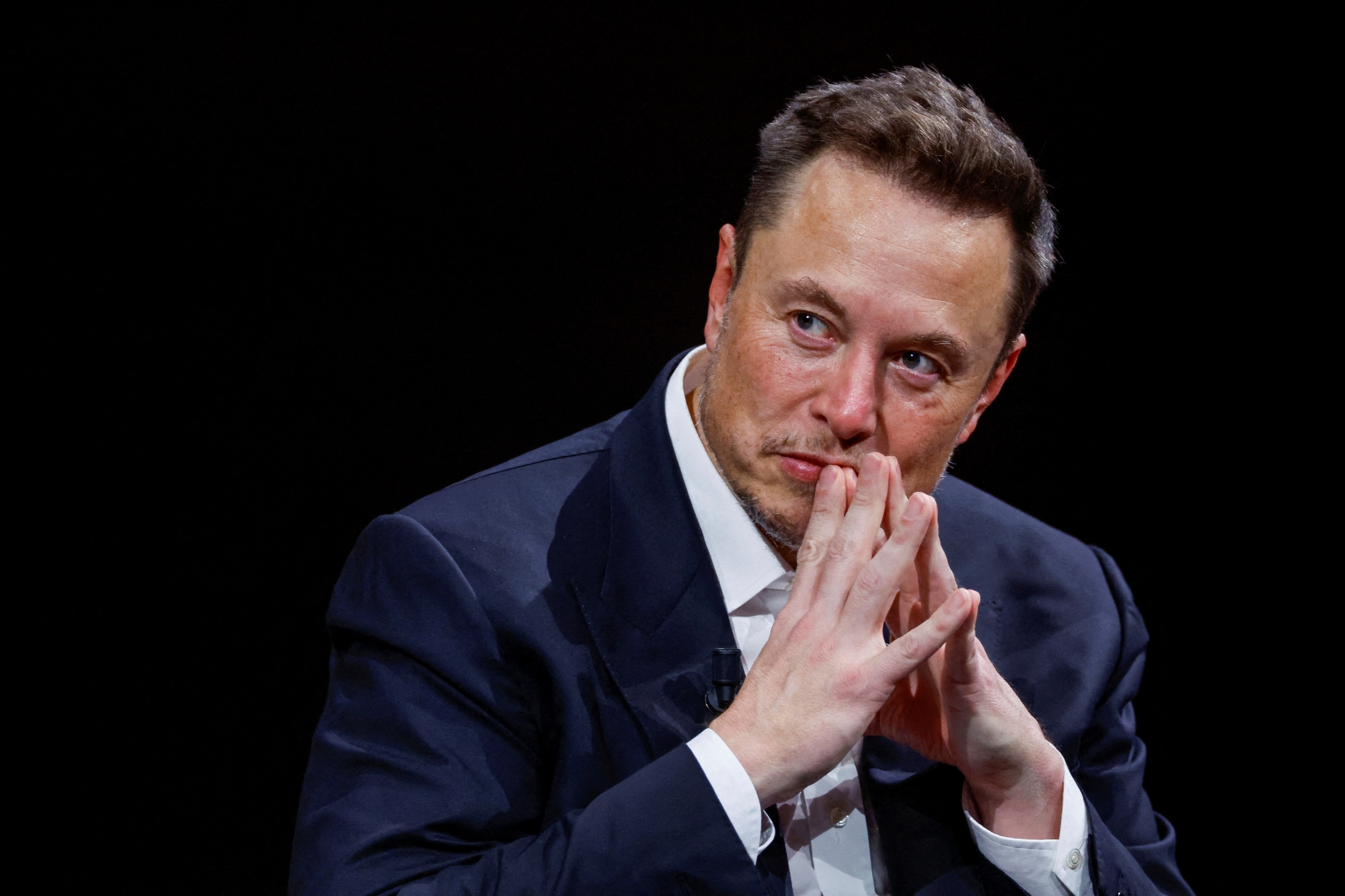
Today’s top tech billionaires have fortunes that rival (and in some cases surpass) the budgets of small nations. Their wealth has grown at an astonishing pace, driven by the rise of AI and cloud computing. Elon Musk, the world’s richest person, presides over an empire that includes X, a social media platform; Tesla, which makes electric vehicles and batteries; Starlink, which provides satellite-based communication; and SpaceX, a space exploration company, to name but a few.
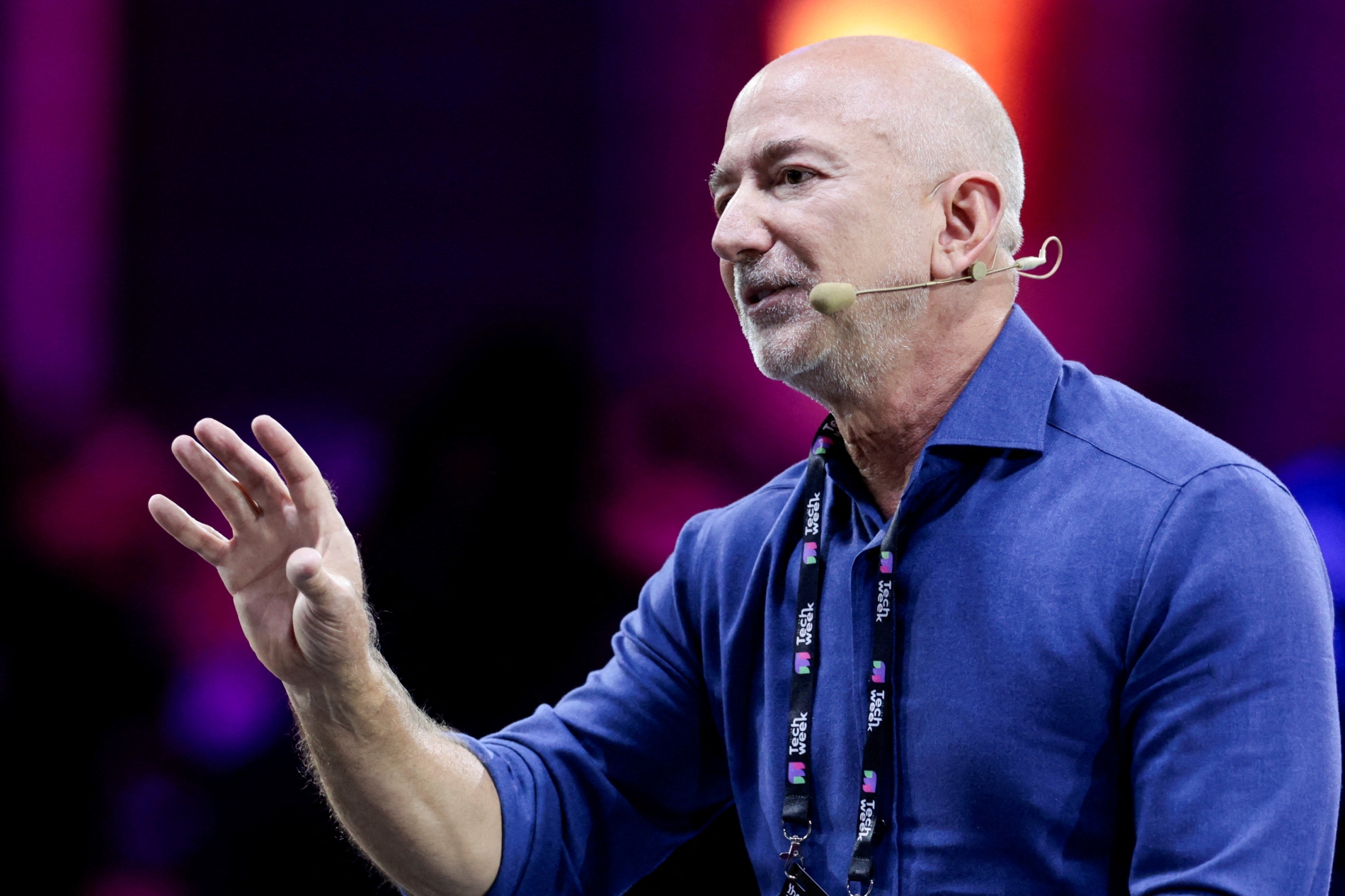
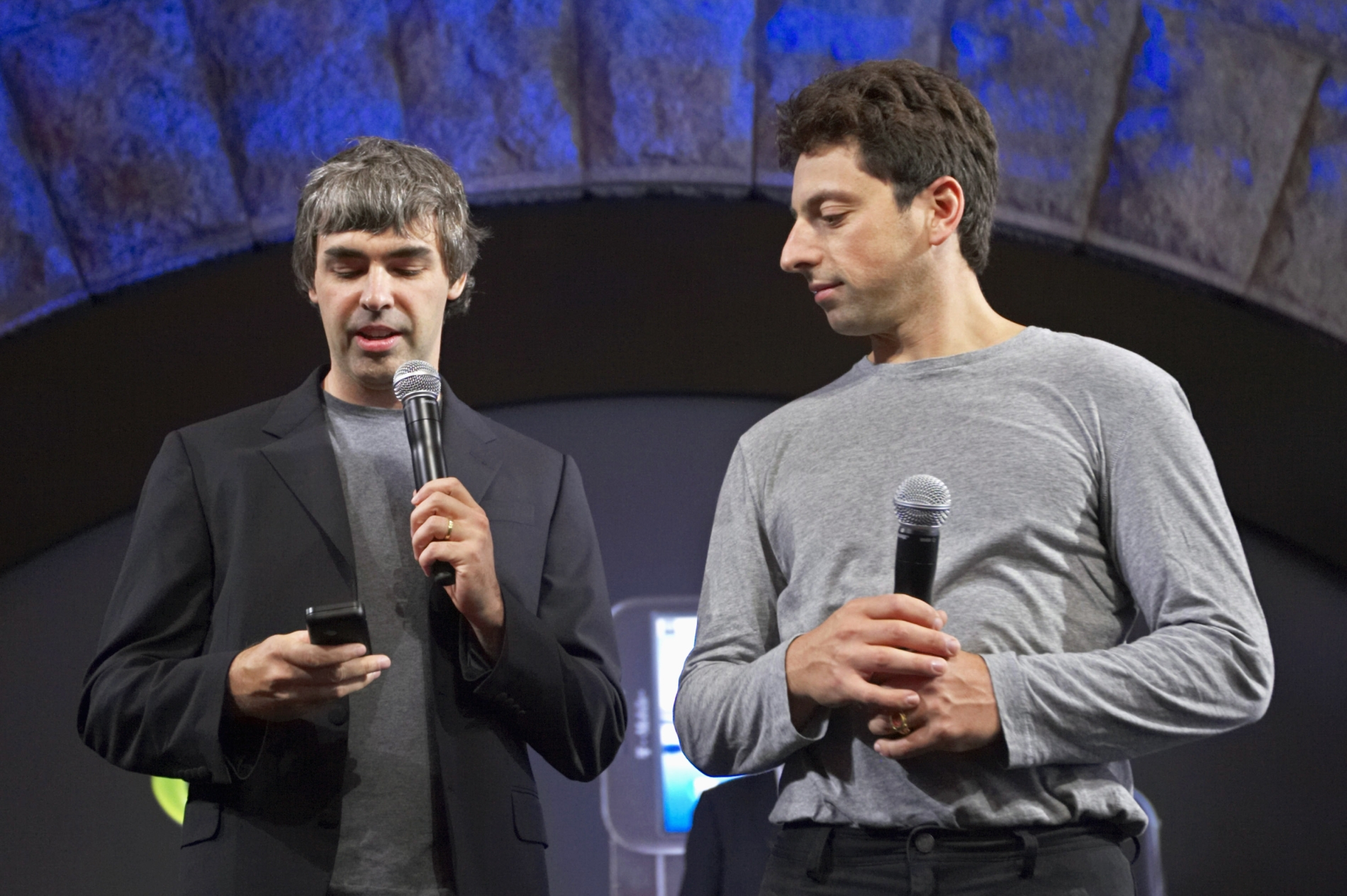
Jeff Bezos, the founder of Amazon, made his money by growing the e-commerce giant into one of the world’s biggest companies. Today it covers not only retail but cloud computing, TV, and other digital services. Larry Page and Sergey Brin, co-founders of Alphabet (parent company of Google and YouTube) have also amassed vast fortunes through their company’s dominance in search technology and cloud services.
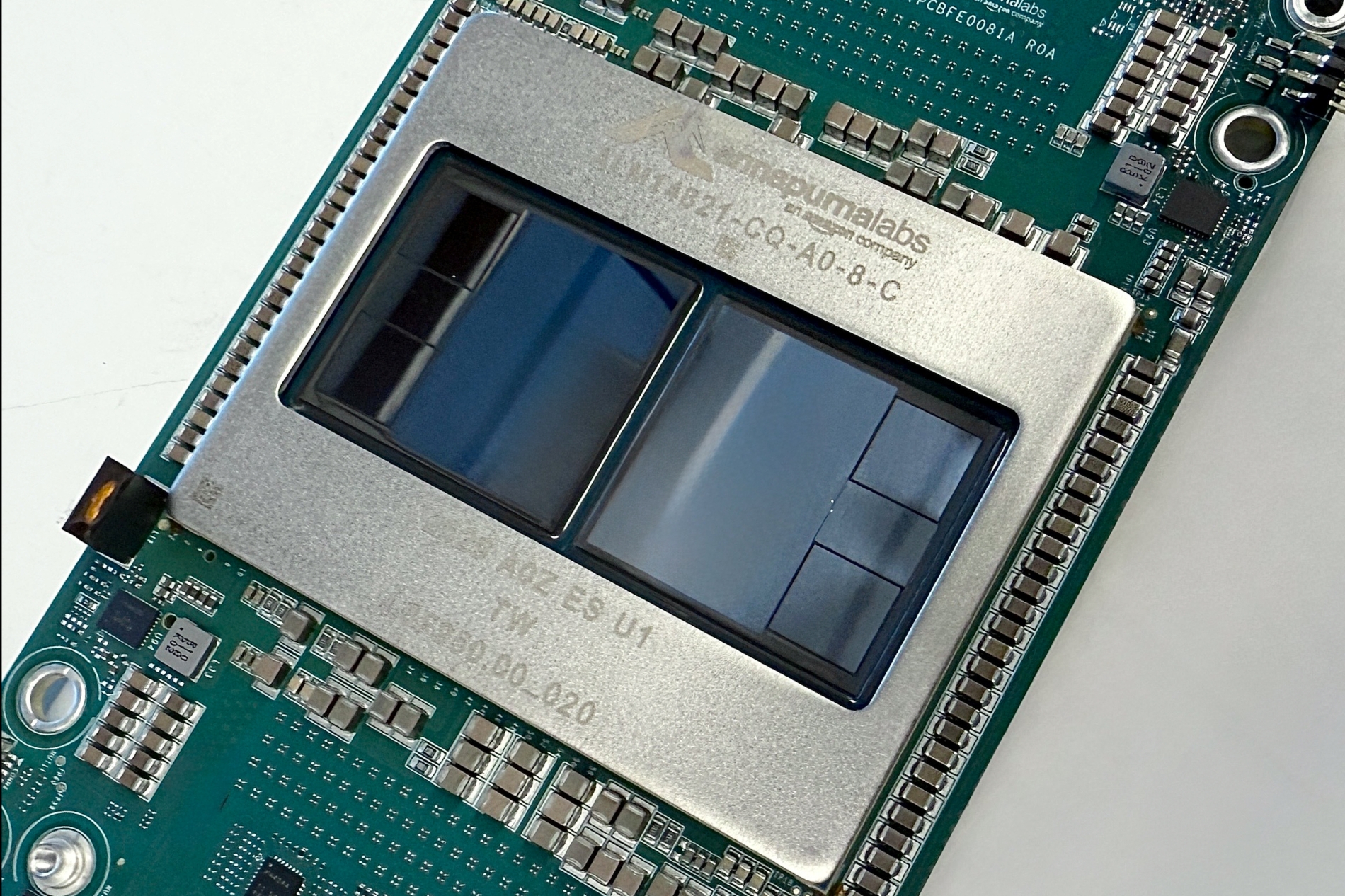
They are joined at the pinnacle of the rich league by Mark Zuckerberg, founder of Meta (which owns Facebook, WhatsApp, and Instagram) and Jensen Huang, chief executive of Nvidia (whose company make the processors powering the AI revolution). Others in the top tier include Tim Cook of Apple, Larry Ellison of Oracle, Michael Dell of Dell Computers, and Steve Ballmer and Bill Gates of Microsoft.
The combined wealth of the world’s richest individuals was $15.8tn in 2025, a staggering figure significantly bolstered by a new wave of more than 190 self-made billionaires, collectively adding $386.5bn to their net worth—the second-highest annual increase ever. There were 2,682 billionaires in 2024 but 2,919 in 2025, an 8.8% increase. Most are based in the US or Asia-Pacific.
Assessing wealth
While tech-focused billionaires enjoyed a 23.8% surge in their fortunes, those involved in consumer sectors experienced more modest gains, their net wealth rising by 5.3%. The retail market faced headwinds owing in part to a general slowdown in the luxury goods sector, though it remains the largest sector by value, at $3.1tn. Industrial wealth recorded the fastest growth, climbing 27.1% to reach a total of $1.7tn.
North America retained its status as the most attractive investment destination. Notably, the average wealth of female billionaires rose to $5.2bn, an 8.4% increase, while the wealth of male billionaires grew by 3.2%, to an average of $5.4bn. Although there are only 374 female billionaires compared to 2,545 male billionaires, women have outpaced their male counterparts in wealth accumulation for four consecutive years.