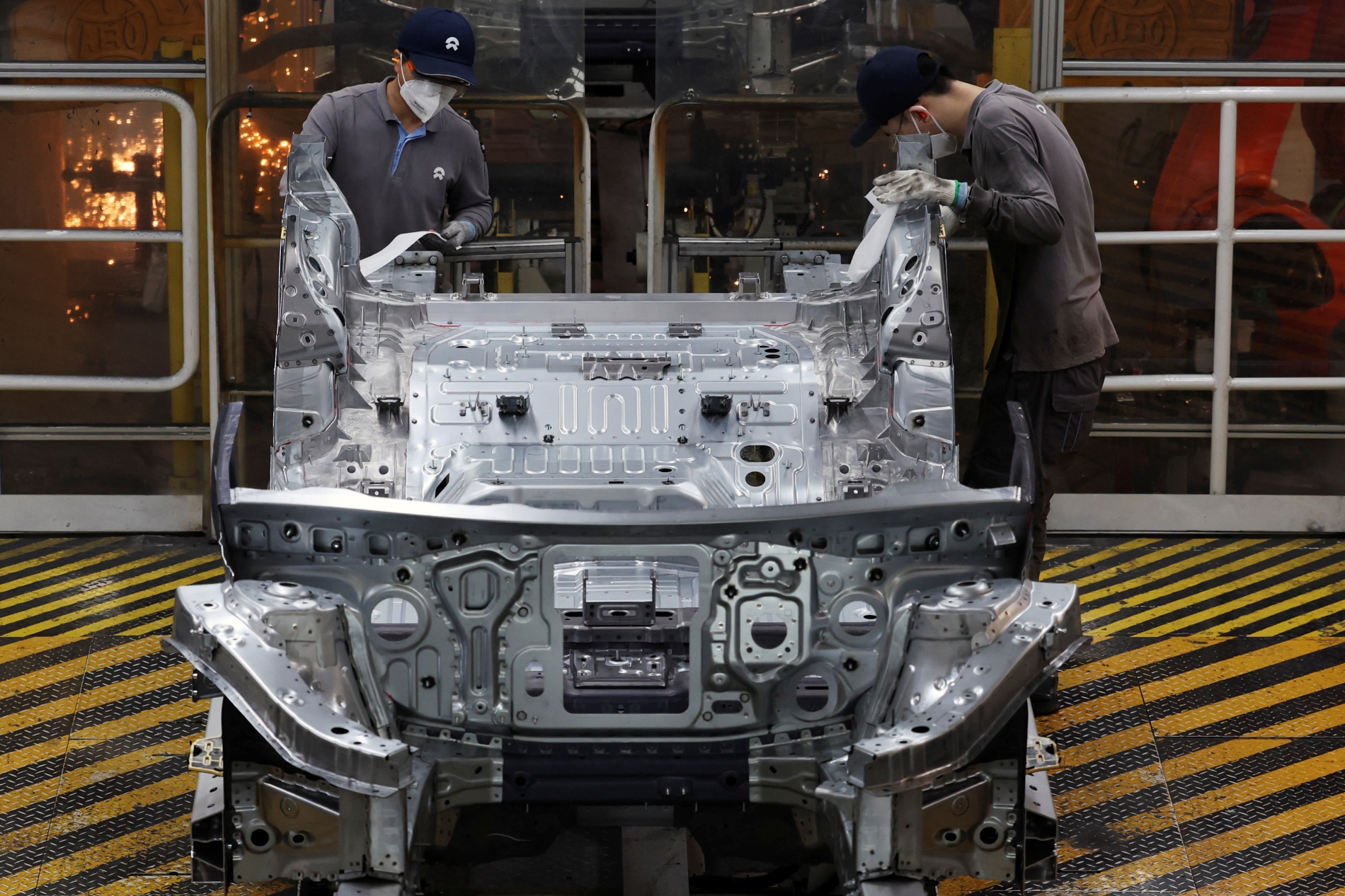

Germany’s car industry has long been central to the country’s industrial identity and a hallmark of its engineering excellence. Through auto manufacturers like Volkswagen, Mercedes-Benz, and BMW, Germany catered to the demand for premium vehicles, establishing extensive supplier networks. For decades, its companies were the world’s technological leaders and innovators in internal combustion engine (ICE) cars.
The model is now under pressure on several fronts. Chinese competition is intensifying, the transition to electric vehicles (EVs) is reshaping the market, and high domestic production costs are eroding competitiveness and profitability. Is it just a temporary dip in fortunes? Perhaps not. Figures through October 2026 suggest a crisis deeper than a typical cyclical downturn. According to the German Association of the Automotive Industry (VDA), passenger car production fell to 3.03 million vehicles in the first nine months of 2026, down 4% year-on-year, and down 15% from 2019. Foreign orders for German cars also fell by 16% in September alone.
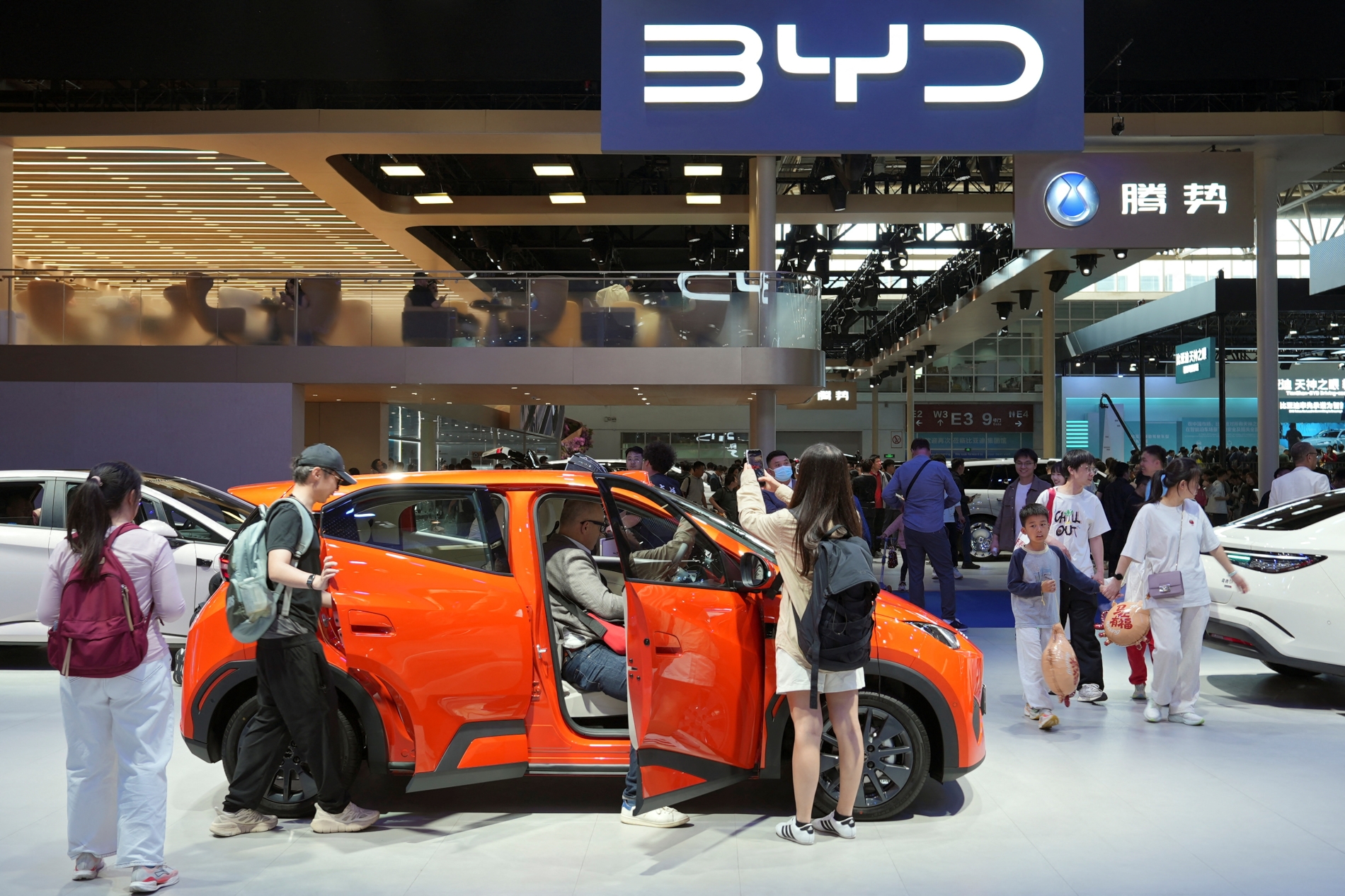
A study by Ernst & Young examining the performance of the world’s 19 largest automotive groups in the first half of 2026 found that German manufacturers’ sales in China had declined by 25%, while their revenues fell by 2.9%. German carmakers also face stronger EV competition and higher domestic production costs. Ernst & Young said German automotive groups’ operating profits fell by 19% to €13bn in the first half of 2026, while their operating margins narrowed from 5.5% to 4.6%.
On 13 October, Volkswagen chief executive Oliver Blume warned of the immense pressures facing European industry, calling for greater regulatory flexibility and improved manufacturing conditions. Three days later, France and Germany agreed on a common approach to the future of Europe’s automotive industry, linking the climate transition with protecting the industrial base and jobs and strengthening competitiveness.
Both called for emissions reductions to be accompanied by greater regulatory flexibility and support for research and development. They aim to be globally competitive without sacrificing climate goals, but it is a bumpy road. Exports have declined by 4% to 2.295 million vehicles, and on 23 October, Reuters reported an escalation in the dispute between Volkswagen and trade unions over wage agreements, with the company planning to cut 100,000 jobs.
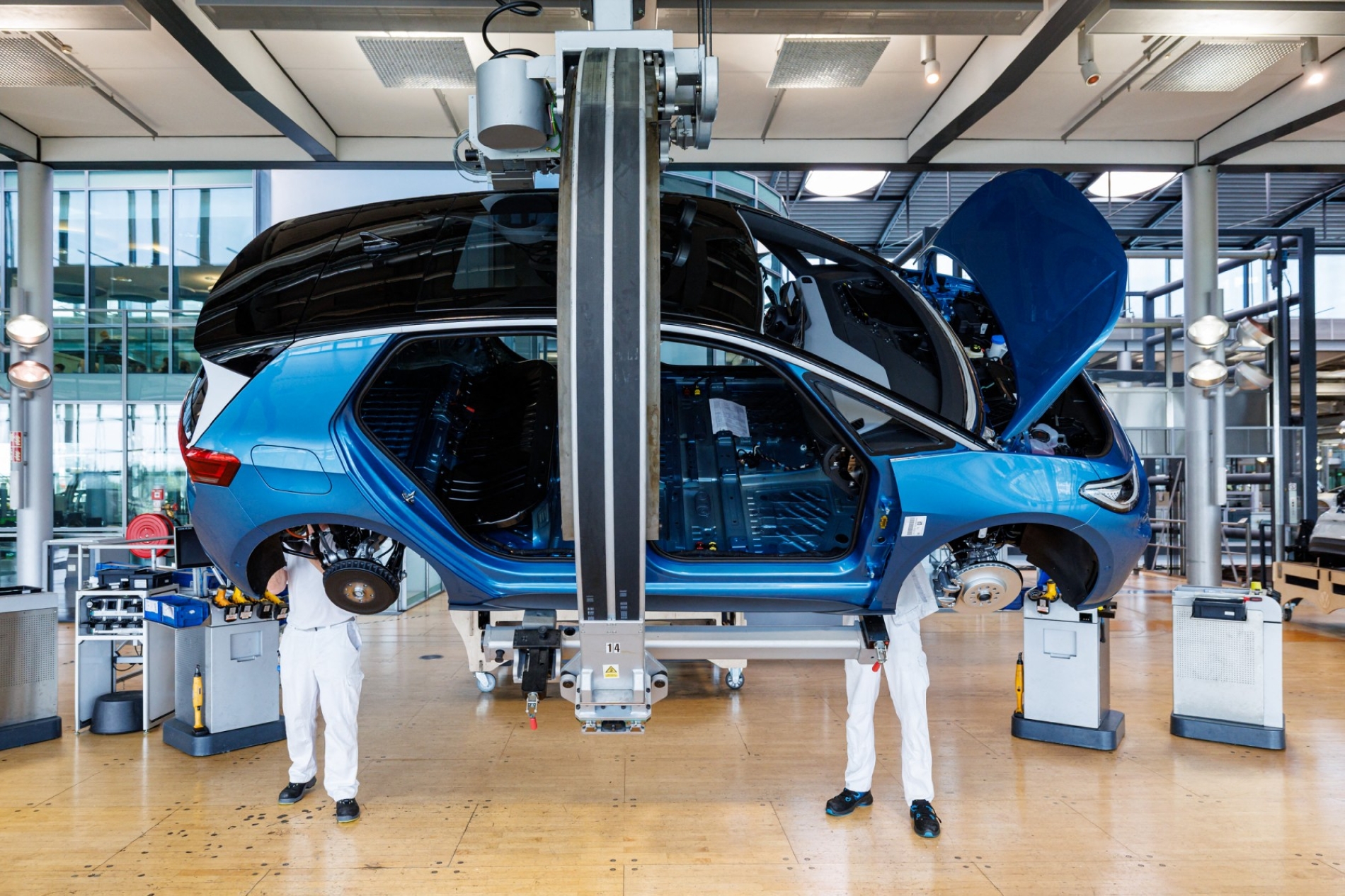
Capacity and costs
As pressure on German carmakers intensifies, some factories operated at around 60% capacity in 2025, with 75-80% typically required for profitable production. This underutilisation increased manufacturing costs per vehicle by up to €5,000, twice that seen at one of Europe’s most cost-efficient production sites. Roland Berger, the German consultancy firm, forecasts 15-20 fewer auto factories over the next nine years.
Savings need to be made. Ernst & Young analysis published in September 2026 found that the combined revenues of Germany’s three leading carmakers fell by 2.9% to €284bn in the first half of the year, while operating profits dropped 19% to €13bn. Operating margins varied (3.8% for Volkswagen, 5.4% for Mercedes-Benz, 5.8% for BMW), but the overall trend is one of falling profits reducing the funds available for future investment.