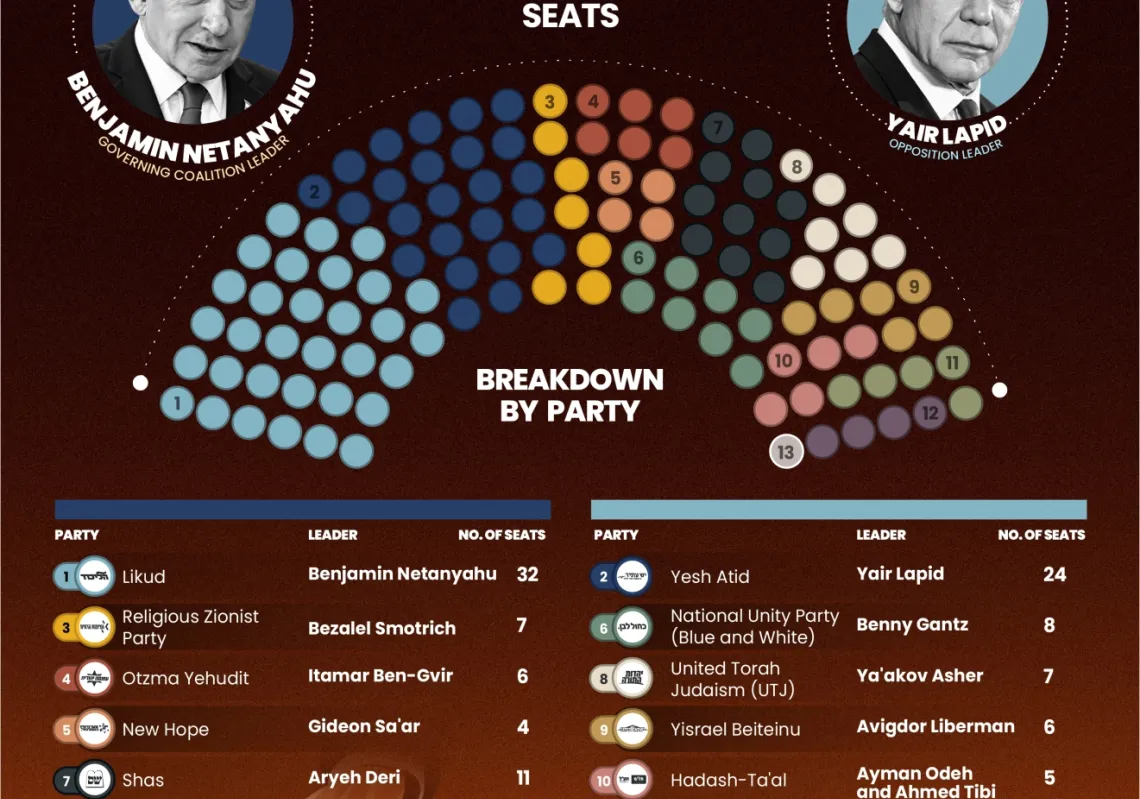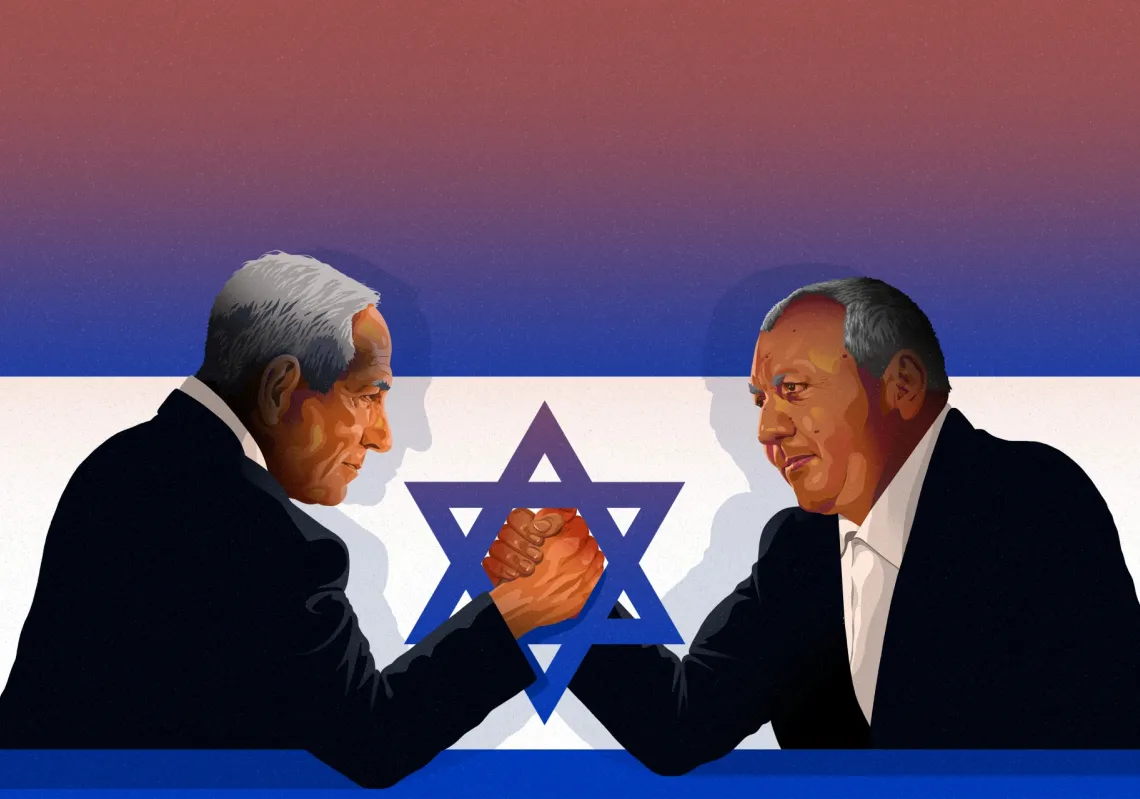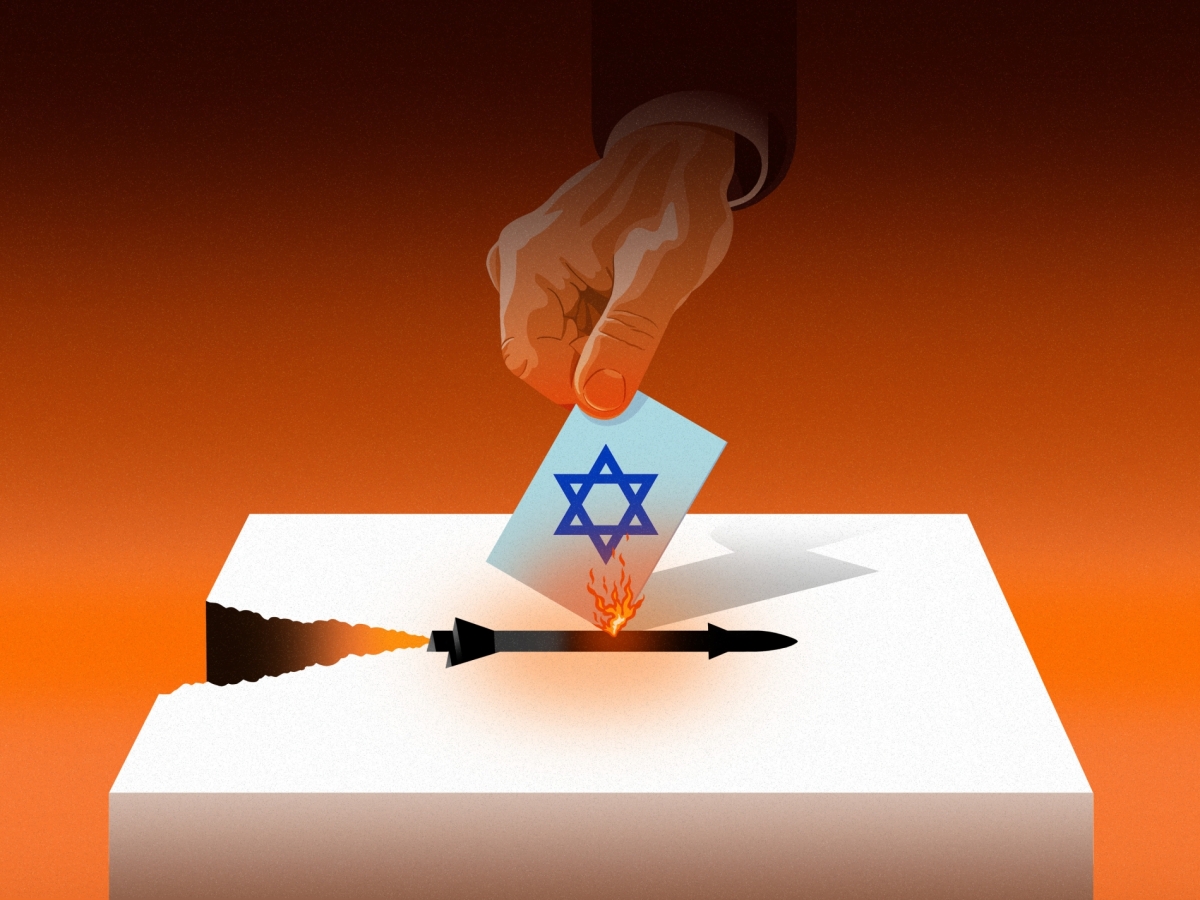

The election to Israel’s 26th Knesset has failed to produce a decisive result, leaving considerable uncertainty over the formation of the next government and the political course it could pursue. As Al Majalla went to press, not all the votes had been counted, and although his Likud-led bloc had marginally more votes than the opposition bloc, neither had the outright majority (61 seats) needed.
Until the election this week, Netanyahu had been leading Israel’s most right-wing coalition ever constructed, including ultra-nationalist settlers and strictly Orthodox religious parties who want to be exempted from national service. Netanyahu’s coalition gave prominent roles to settler leaders Bezalel Smotrich (finance minister) and Itamar Ben-Gvir (national security minister), prompting a period in which Palestinian rights have been further eroded.
The election marked a significant juncture in Israel’s history, and the high turnout was emblematic of its importance. At stake is the unresolved tension between Israel’s identity as a Jewish national and religious state, and its character as a liberal democracy. No less consequential are the external challenges to Israel’s security, its place in the Middle East, its relationship with Palestinians, its policies towards Syria and Lebanon, its war against Iran, and its relations with the West.
Election jostling
For decades, Netanyahu has exercised a commanding influence over Israel’s domestic and foreign affairs, seeking to reshape the character of the Israeli state and redefine its position in the region, and has led the country into the longest and most costly war in its history. Yet despite fierce opposition to his policies, and the relative popularity of his principal opponent (the former general, Gadi Eisenkot), the election results show his enduring importance in Israeli politics.
In his criticism of Netanyahu, Eisenkot was joined by three senior figures in the country’s political landscape: Naftali Bennett, Yair Lapid, and Avigdor Lieberman. All are broadly associated with Israel’s secular-nationalist right. This reflects a wider shift in Israeli society towards the right, accompanied by growing extremism and intolerance, whose adherents feel that Israel is in an existential ‘war’. Netanyahu has always proved more adept than his rivals at capitalising on this sentiment.
The election also produced a striking result: up to 19 seats (out of 120 in total) for the two Arab electoral lists, an unprecedented achievement, and one that may make them ‘kingmakers’ if neither Eisenkot nor Netanyahu can form a majority. Their success reflects the determination of Palestinians citizens of Israel to assert their political standing in the face of the increasingly heavy-handed exercise of power under Netanyahu, who ushered in a new Basic Law (i.e. with constitutional status) defining Israel exclusively as the nation-state of the Jewish people.
A period of negotiation will now ensue, with Netanyahu acting as caretaker prime minister until either a new coalition is formed, or else Israelis are asked to return to the polls. The latter outcome is possible if neither bloc agrees to work with the Palestinian parties to form a government.
An era endures
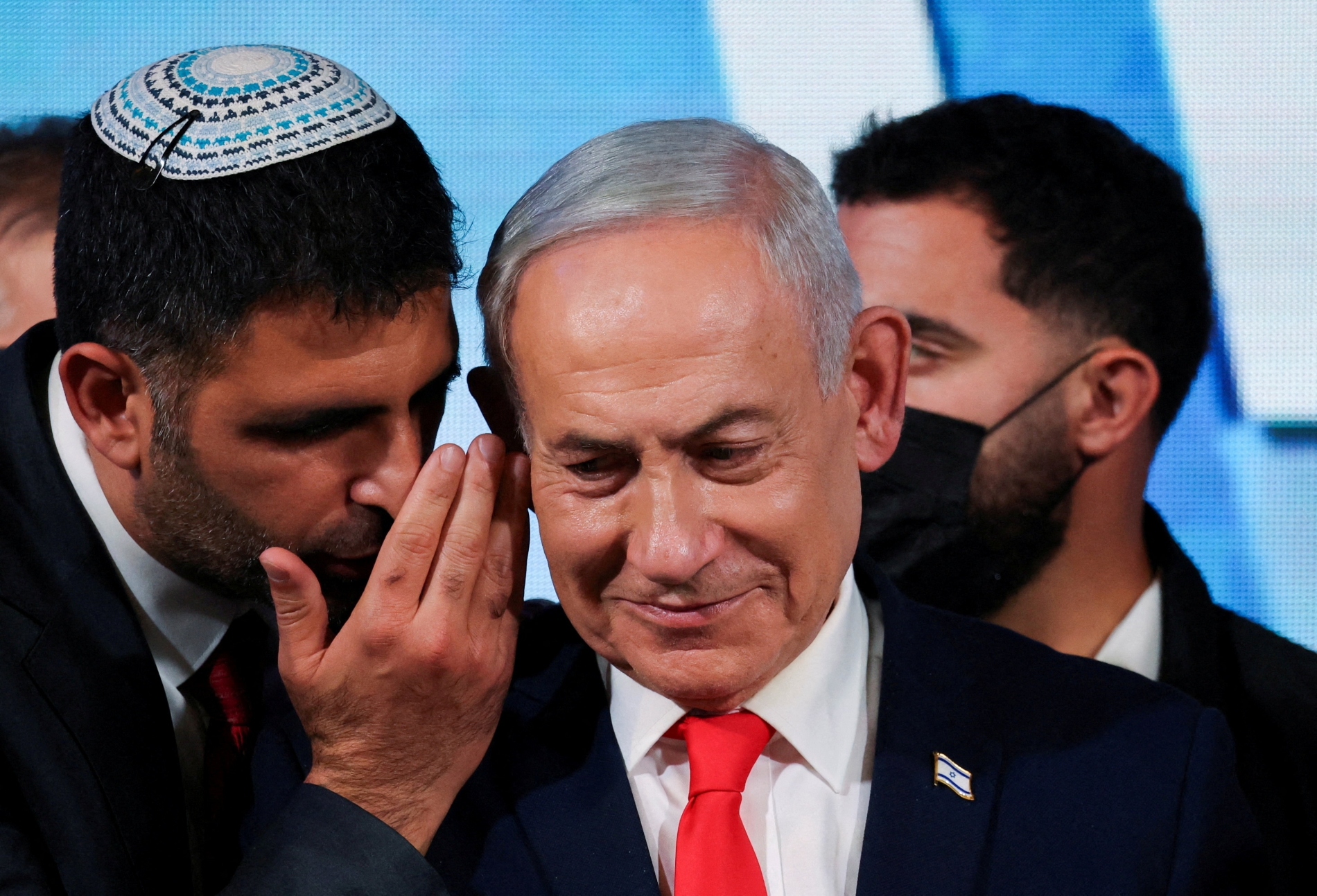
Netanyahu may succeed in attracting elements of the opposition into a new coalition under his leadership, or bet that his Likud-led bloc will get a bigger share of the vote in any second election. For now, he has options, and remains free to pursue his policies against Palestinians (in Gaza and the West Bank), Lebanon, Syria and, ultimately, Iran.
An Israeli government led by Eisenkot, if he succeeds in forming one, is unlikely to pursue substantially different policies. The differences between the two wings of the Israeli right are small on security and the Palestinians. Concerns instead seem to include the character of Israel’s political system and how to repair its damaged image in the West. Despite reported tensions between the two men, US President Donald Trump openly supported Netanyahu ahead of the vote, lavishing praise on the Israeli prime minister, especially over Iran, and creating the impression that he was Trump’s preferred candidate.
Any incoming Israeli government, whether led by Netanyahu, Eisenkot, or someone else, would struggle to disengage from the prevailing climate of regional war. Netanyahu has established a threshold below which his successors would find it difficult to retreat, particularly over Gaza and the West Bank, Lebanon, Syria and Iran. Equally, any Israeli government would need to conduct its foreign policy in line with the Middle East policies of the incumbent American administration.
Enter Eisenkot
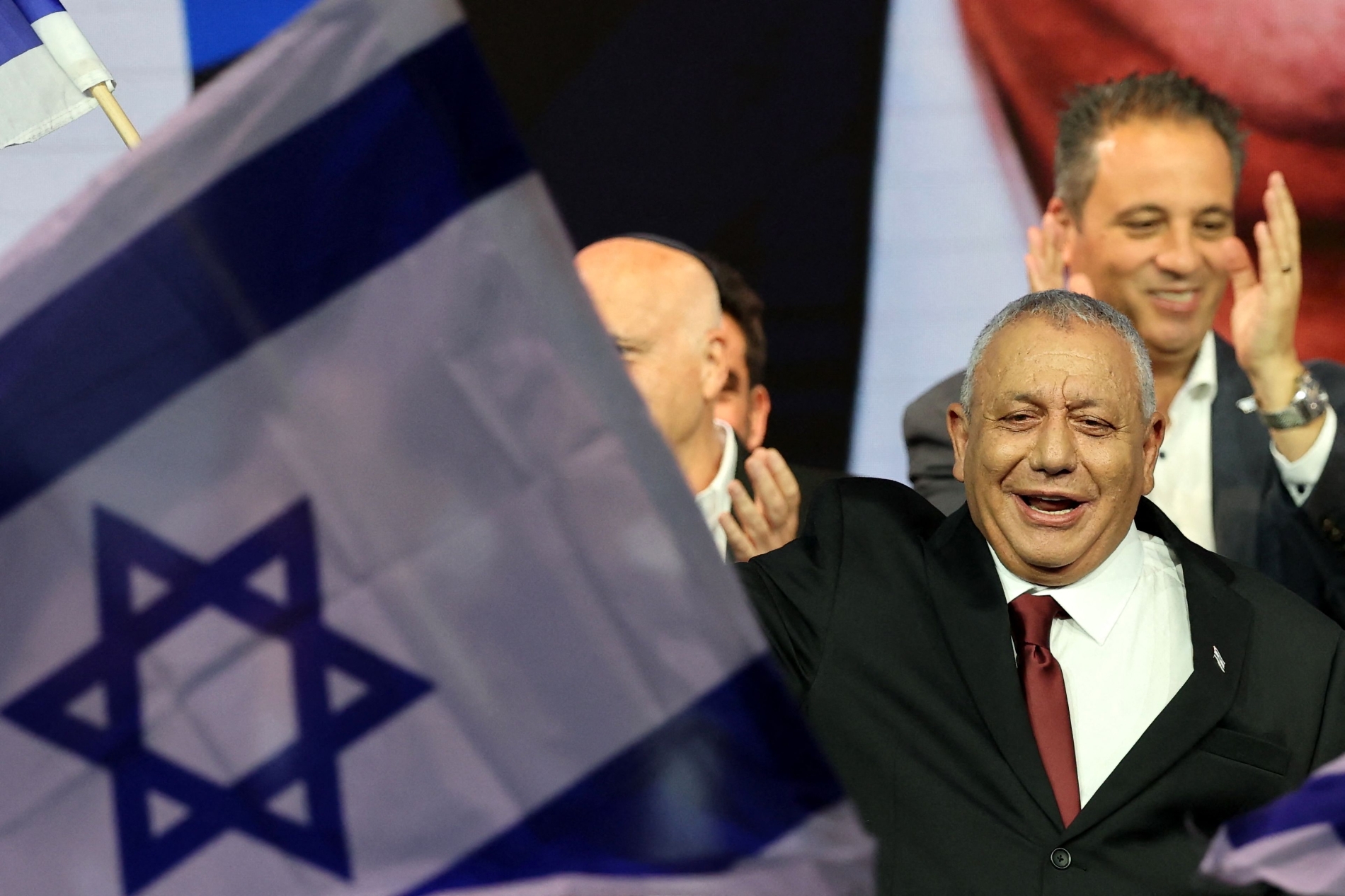
A former chief of staff of the Israeli military, Gadi Eisenkot is known as the architect of the 'Dahiya Doctrine', applied during the 2006 war in Lebanon, which saw the devastation of Beirut's southern suburbs and the destruction of numerous towns and villages across the country's south. Alongside another former general, Benny Gantz, he gave his swift support to Netanyahu in the aftermath of the attack on southern Israel from Gaza-based fighters on 7 October 2023. Both men joined the emergency government formed by Netanyahu to wage war on Gaza in response.
Although Eisenkot and Gantz withdrew from that government several months later, their departure stemmed from personal and political considerations, and from disagreements with Netanyahu over the conduct of the war and the future governance of Gaza. Eisenkot has emphasised the need for Israel to align its policies with those of the United States in the Middle East, but also advocates seizing what he considers a historic opportunity to continue the war against Iran and its armed proxies throughout the region.
Eisenkot differs from Netanyahu in his preference for political and diplomatic engagement with Syria and Lebanon, including an end to direct interference in their internal affairs and attempts to impose 'security zones' on their territory. His aim is to pave the way for future peace agreements with both countries and he believes that this approach, combined with military strikes against Iran, could encourage Arab states to establish closer relations with Israel and conclude their own peace agreements. This, in turn, could help ease Israel's international isolation and restore its standing.
Like others on the Israeli right, Eisenkot opposes the establishment of an independent Palestinian state, but argues for preserving the Palestinian Authority as a body exercising administrative self-government. He opposes settler attacks in the West Bank (on which Netanyahu has kept noticeably quiet), but does not reject settlement activity outright, provided it complies with Israeli law.