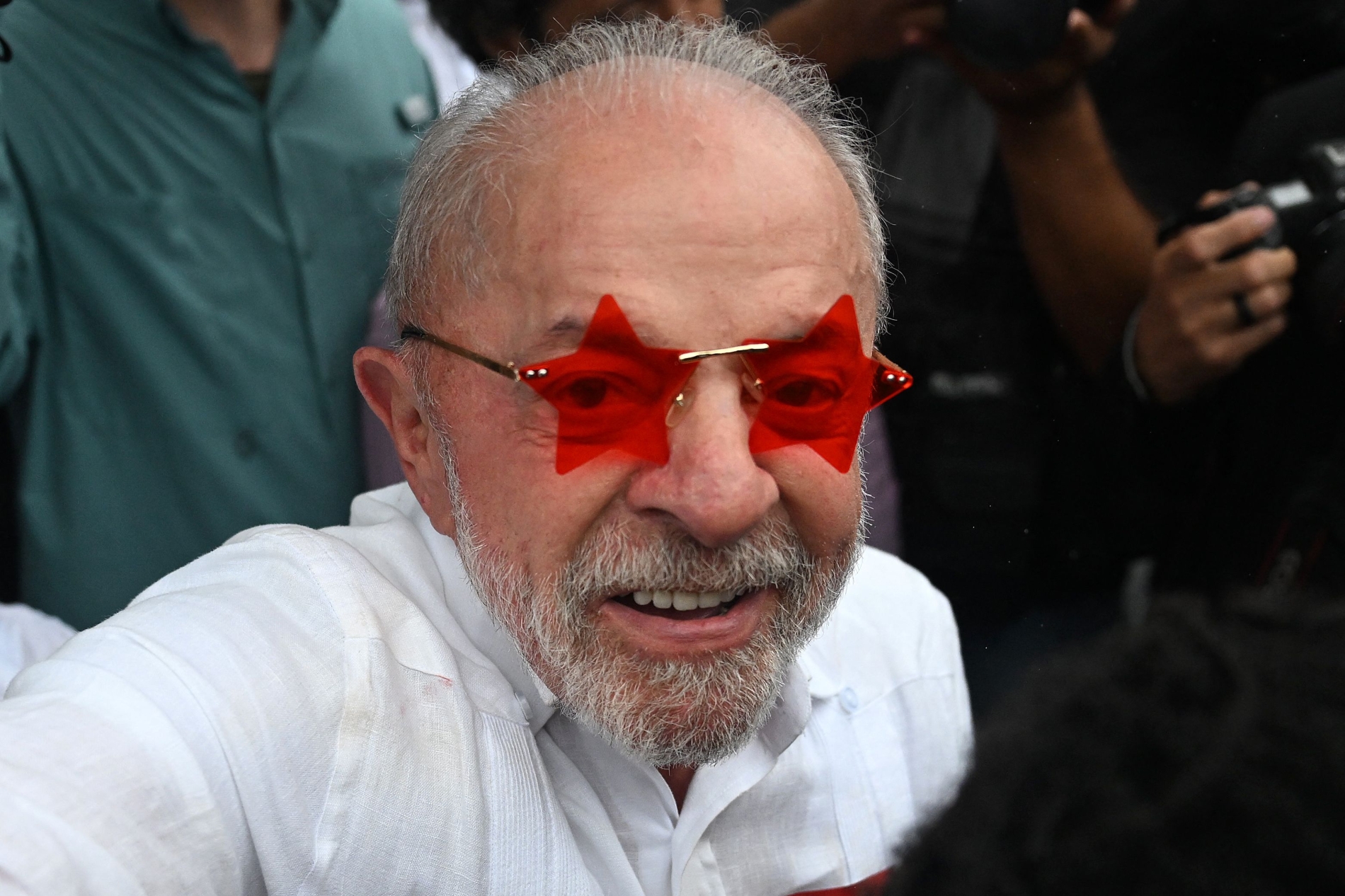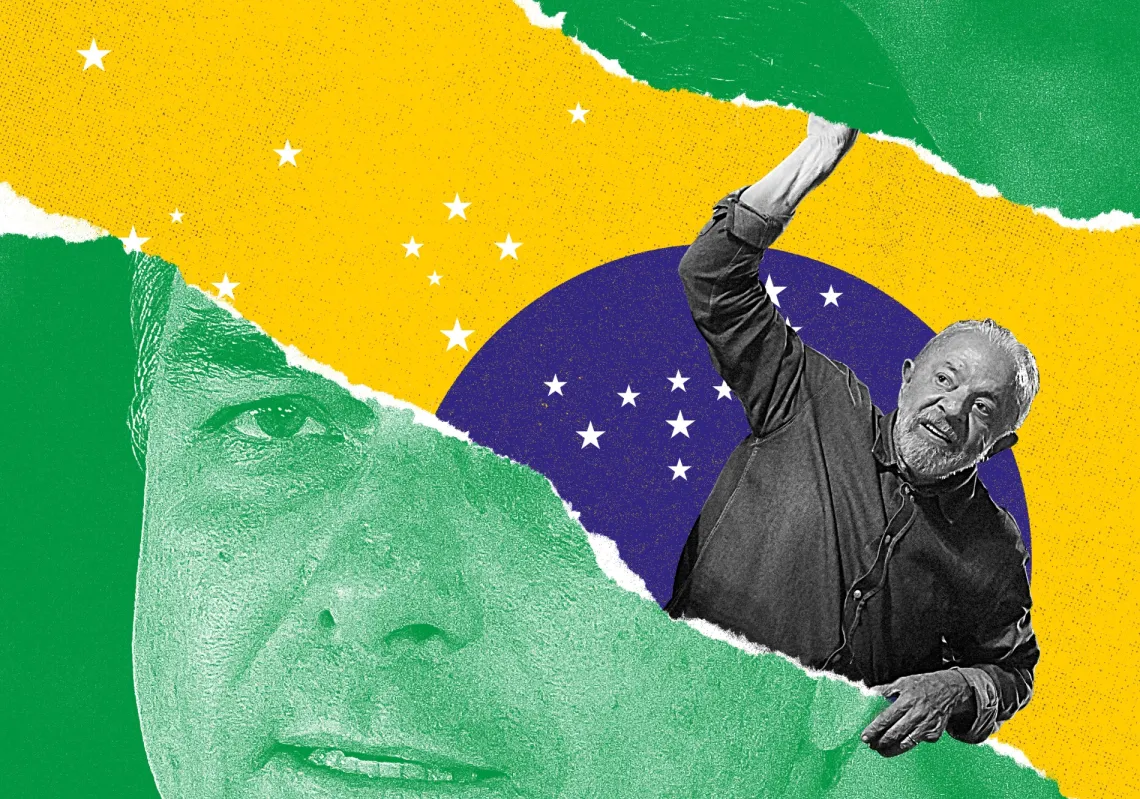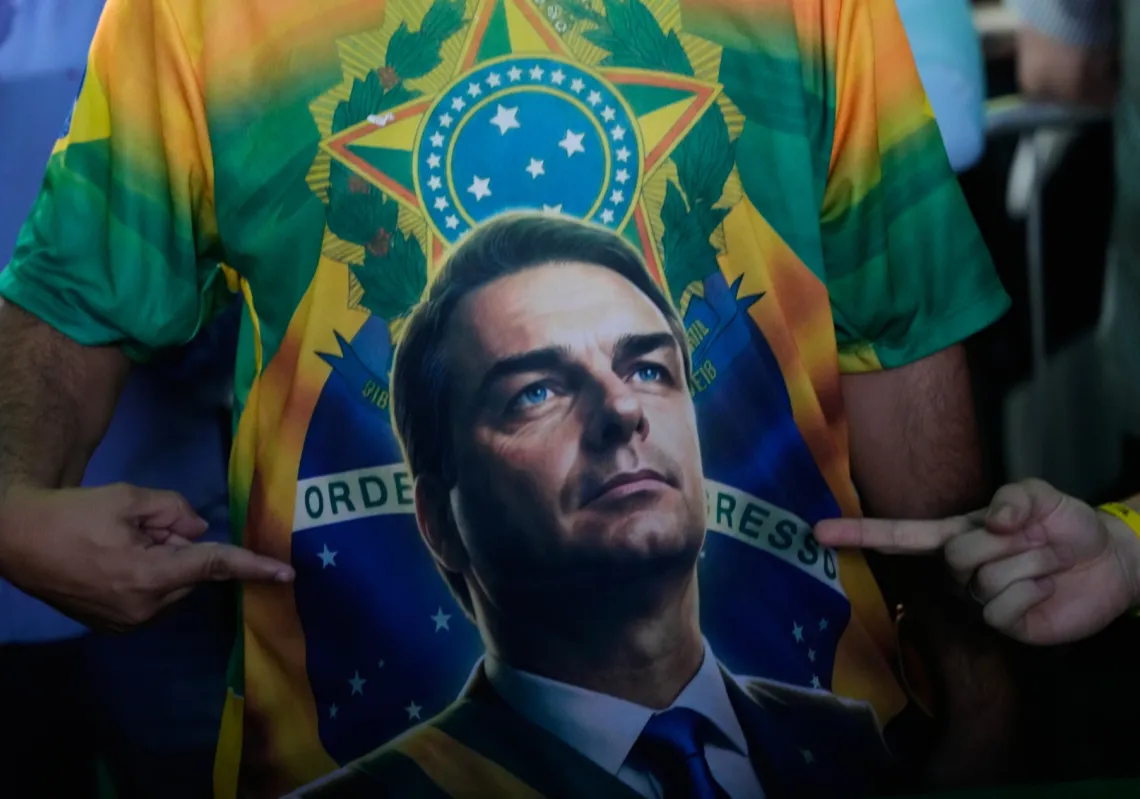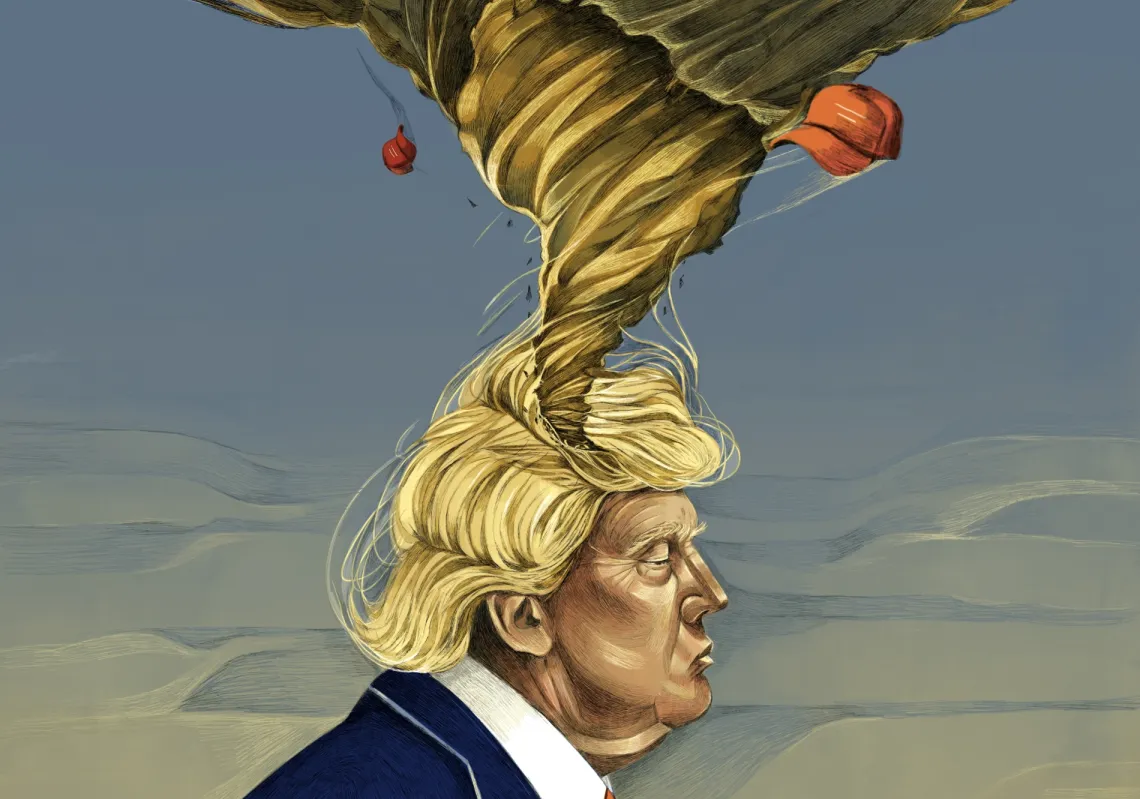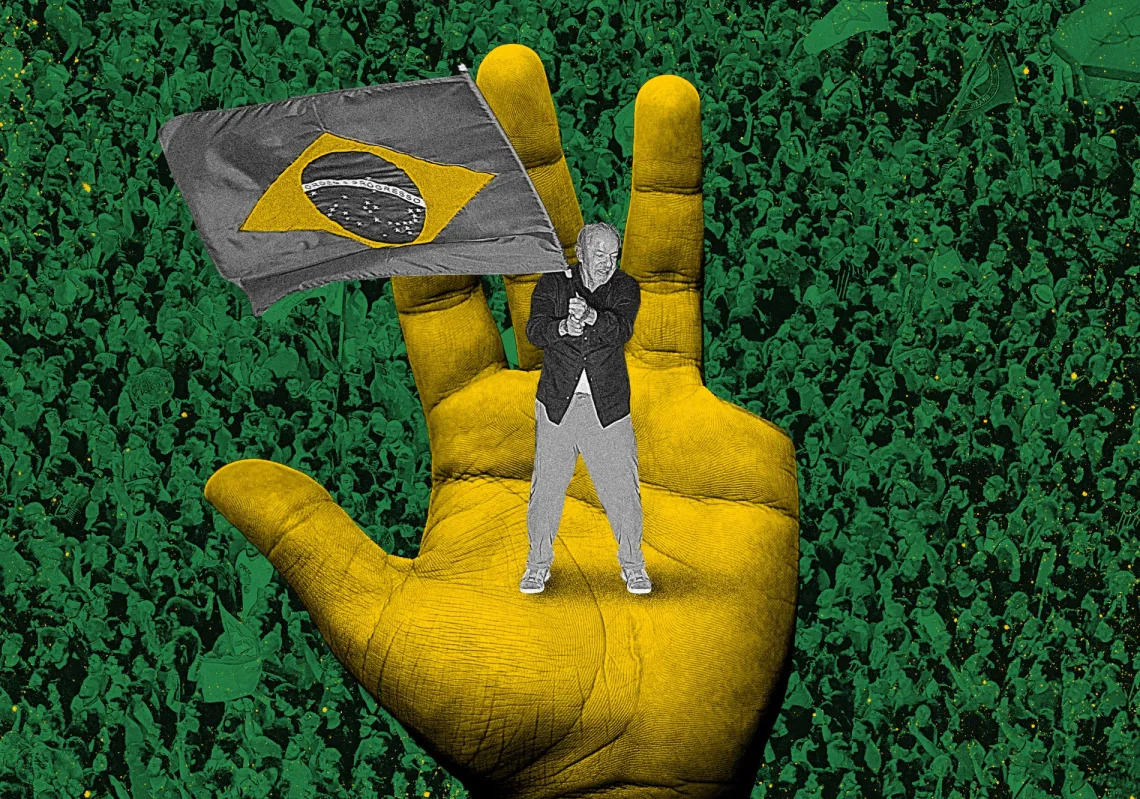
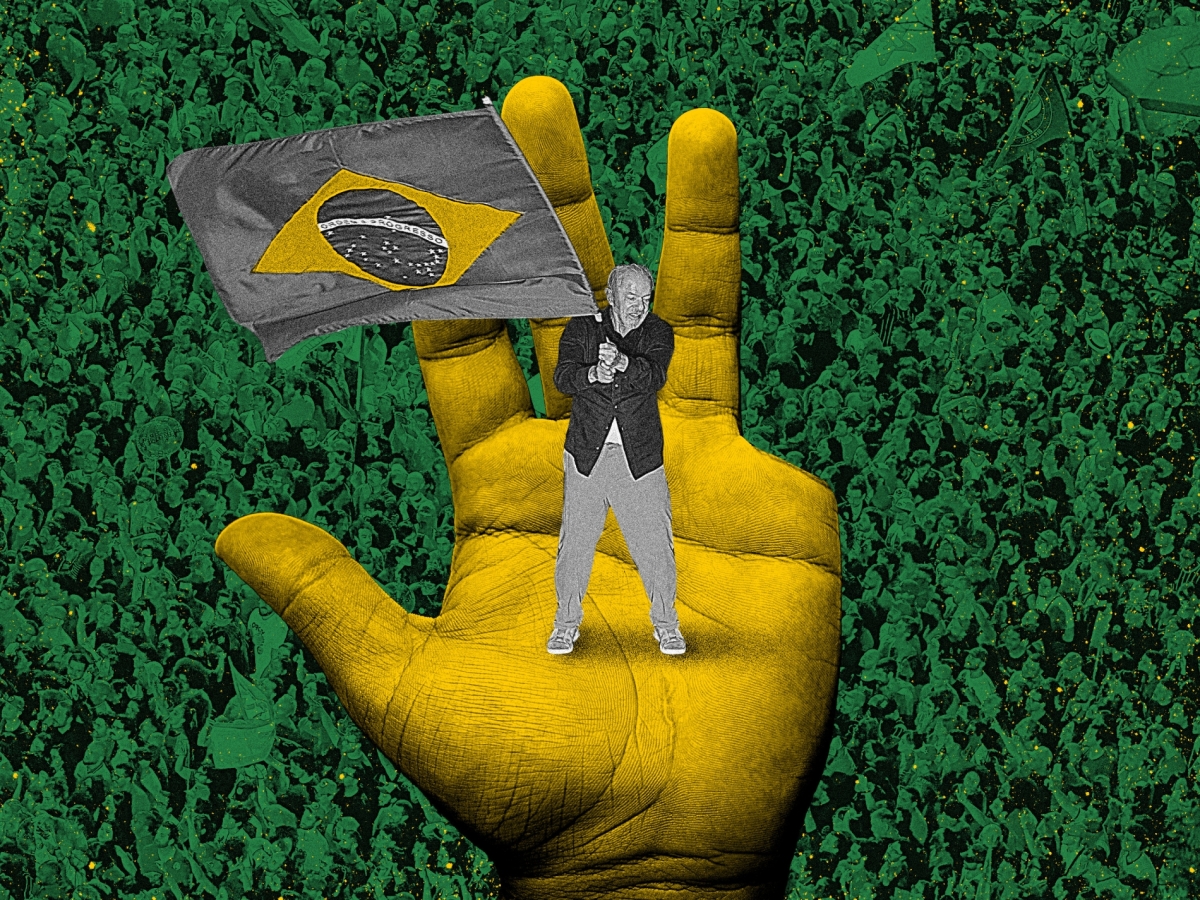

Rio de Janeiro: Brazilian President Luiz Inácio Lula da Silva won reelection by more than 3.5 percentage points in the country’s runoff election on 25 October, extending the career of one of the most significant leaders in the democratic world. Lula made history as the first Brazilian presidential candidate to come from behind to win a second-round vote. His victory also bucks a trend in a region where leaders have been bending to US President Donald Trump’s pressure.
“This country does not accept a role as anyone’s backyard,” Lula said in his victory speech. “We speak, as equals, to everyone in the world.”
Lula defeated right-wing Sen. Flávio Bolsonaro with 51.8% of the vote to Flávio’s 48.2%, according to official results. The head of Brazil’s election court congratulated Lula on his victory, as did many Latin American and world leaders. However, Flávio—the son of convicted former President Jair Bolsonaro—refused to concede, saying that he would seek to legally challenge the result because a Supreme Court justice extended voting for two hours.
Top Brazilian election judges believe that this challenge is unlikely to be successful since both Flávio’s and Lula’s campaigns requested prolonged voting hours in parts of the country, Brazilian media reported. Lula’s campaign argued that some cities abruptly took public buses off the streets, which could have suppressed turnout, while Flávio’s campaign asked for more time in locations with heavy rain.
On Monday afternoon, Trump finally weighed in on Brazil’s vote, saying that he “didn’t take sides” but that “it looked like another rigged election.” Trump has occasionally clashed with Lula since he returned to the White House last year. He has echoed the Bolsonaro family’s criticisms of Brazil’s government and held a photo op with Flávio ahead of the election, though he held back from making an explicit endorsement.
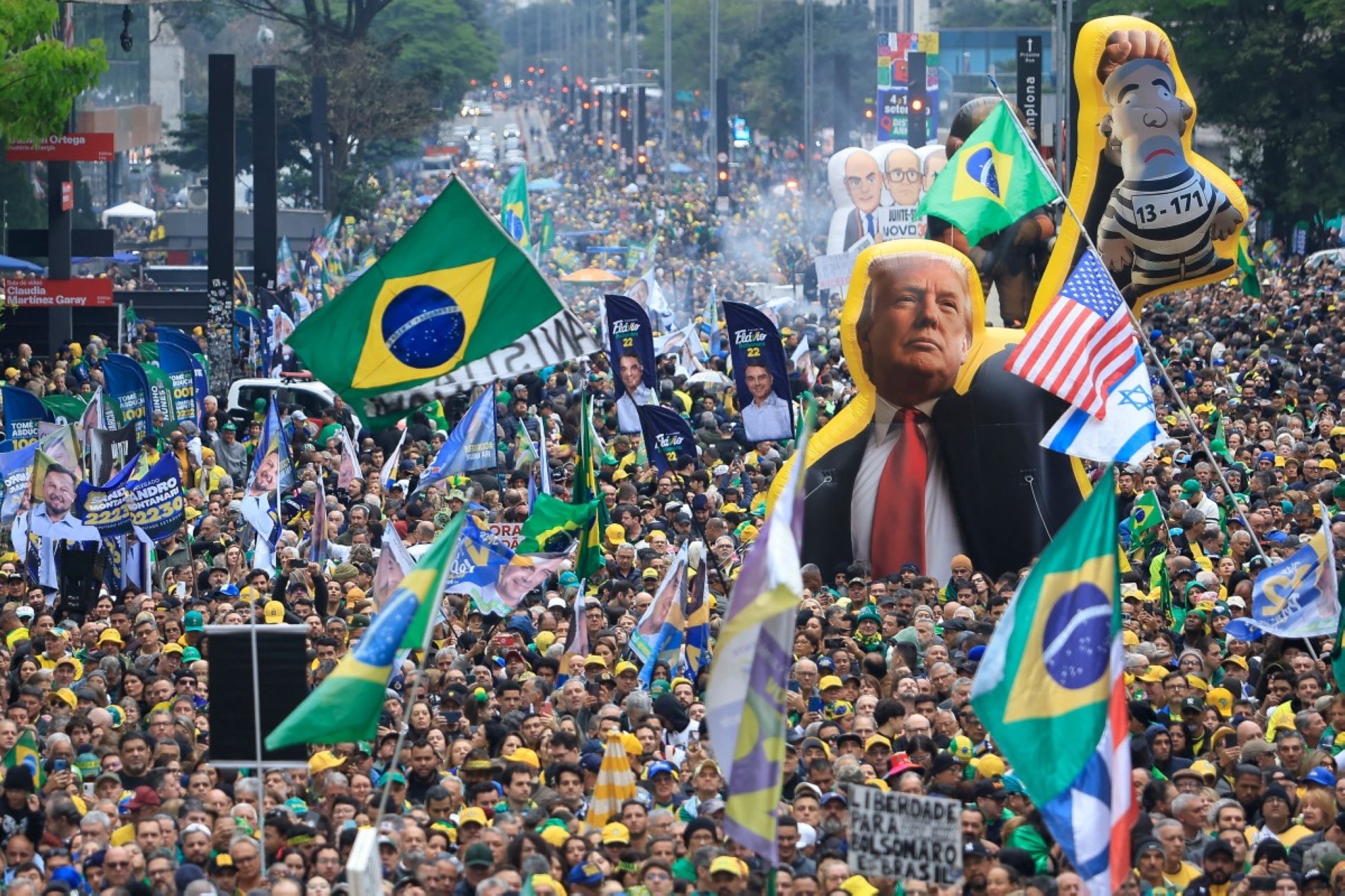
Reuters reported over the weekend that two US State Department officials repeatedly pushed for US policies that would weaken Lula and aid the Bolsonaros politically. A State Department spokesperson responded that “the Brazilian people have the right to choose their leaders through free and fair elections.”
Many of the regional leaders who recognised Lula’s victory are right-wing figures who have cooperated with Trump, including the hard-line presidents of Chile, Colombia, Ecuador, and Peru. Their choices to speak up before any signal from Trump represent a “large gesture ... of relative autonomy as a region in times of the Donroe Doctrine,” Argentine political scientist Esteban Actis wrote on social media.
Argentine President Javier Milei had not commented on the result by midday Monday.
Lula’s victory was the fruit of a surge of last-minute organising after Flávio won the first round of voting on 4 October. Flávio’s campaign then carried itself with an air of expected victory, seeming to believe that fatigue with Lula would assure their candidate the presidency. For much of the past two years, Lula’s disapproval rating has been higher than his approval rating. The top candidates eliminated in the first round were all right-wing, suggesting their votes would likely go to Flávio in the runoff.
Jair Bolsonaro held office from 2019 to 2022, when he lost the last presidential election to Lula. He is currently under house arrest for planning a coup to try to overturn that result. As part of that coup plot, some members of the military planned to assassinate Lula. Flávio promised to pardon his father if elected.
Faced with the vivid possibility of another Bolsonaro presidency, however, progressive Brazilians and some centrists mobilised with a level of grassroots organising uncharacteristic of recent years. “People were desperate,” said graphic designer Lena Benz, 50, who participated in a large Lula rally in Rio on 18 October. “We lived through the covid-19 pandemic with the Bolsonaro family in power. They are not only extreme, but also incompetent at governing.”
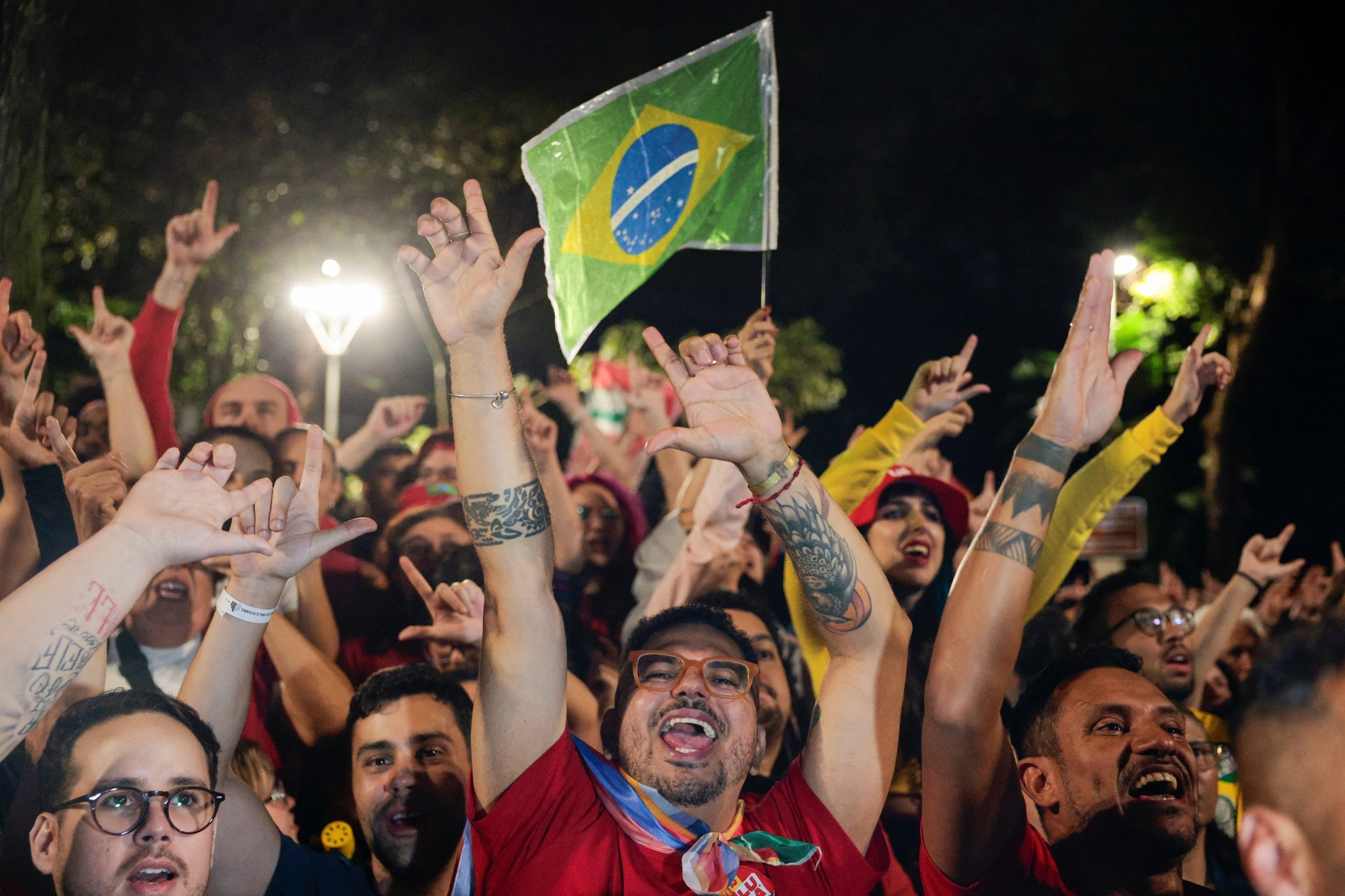
Sunday’s election results show that Lula’s campaign was effective both at increasing turnout and convincing undecided voters. Perceiving that the right was initially far more effective on social media, the campaign empowered digitally savvy surrogates. This was partly a reaction to perceptions on the left and among Brazilian civil society that big tech platforms unfairly favoured right-wing content during the election—accusations that triggered a formal complaint to Brazilian electoral authorities against Meta. (Meta denied wrongdoing.)
One leftist congressperson created a WhatsApp channel for online campaigning that amassed 10 million members, equal to around 6% of the Brazilian electorate. Groups ranging from K-pop fandoms to soccer club fan associations joined the effort. The channel amplified progressive concerns about Flávio that were relatively undercovered in mainstream media, such as his pledges to cut social spending.
The channel “was absolutely fundamental to Lula overcoming Flávio in the runoff,” said Paula Cardoso Pereira, a digital communications researcher at the Federal University of Rio de Janeiro’s MediaLab.
In the end, even some Brazilians who supported Flávio in the first round changed their minds. “I saw an interview where Flávio Bolsonaro said he wanted to change Brazil’s constitution, and it made me think,” said Antonia Rodrigues, a 51-year-old bakery worker who switched her vote to Lula on Sunday. “Lula is in favour of the poor.”