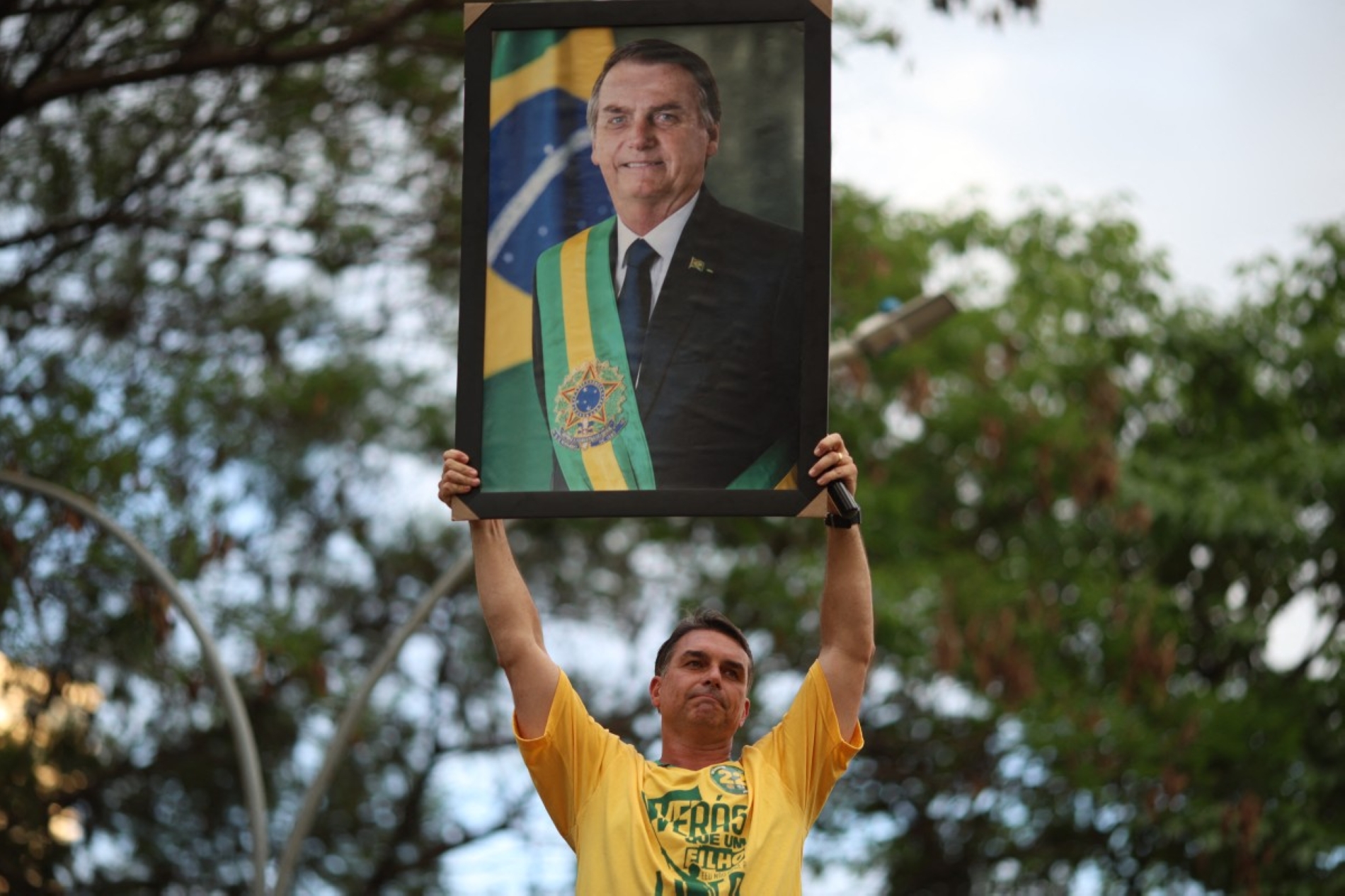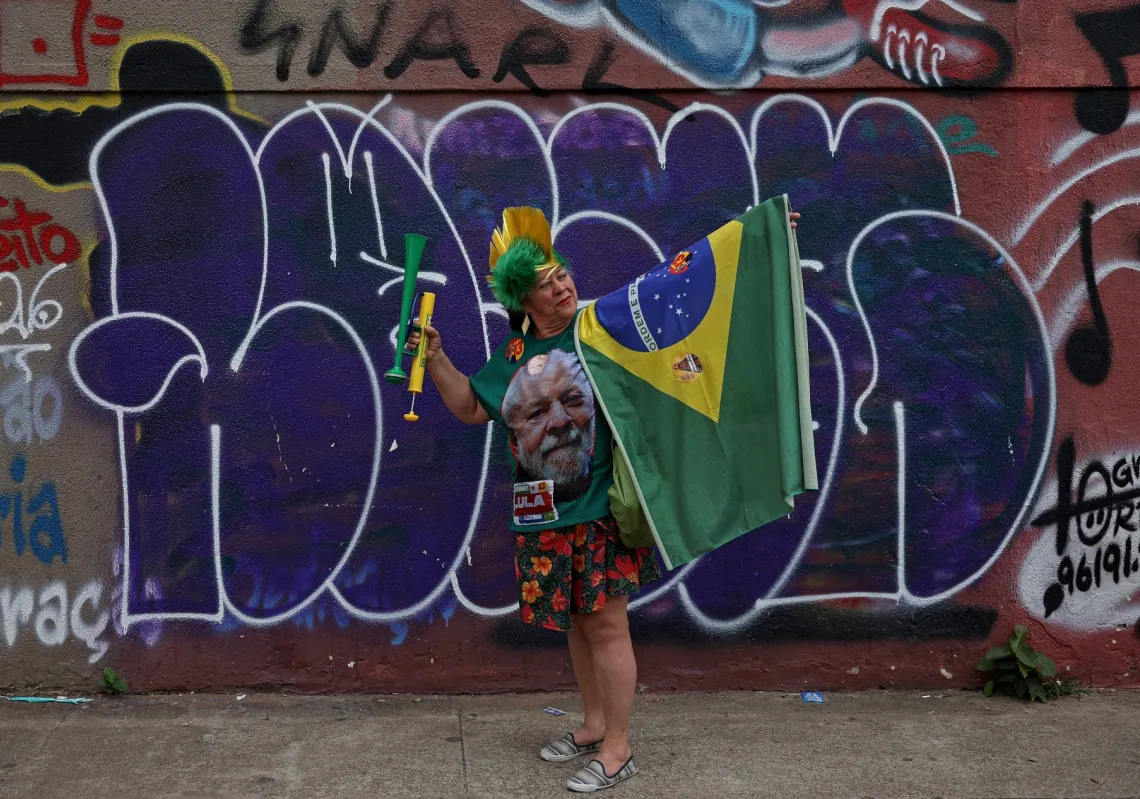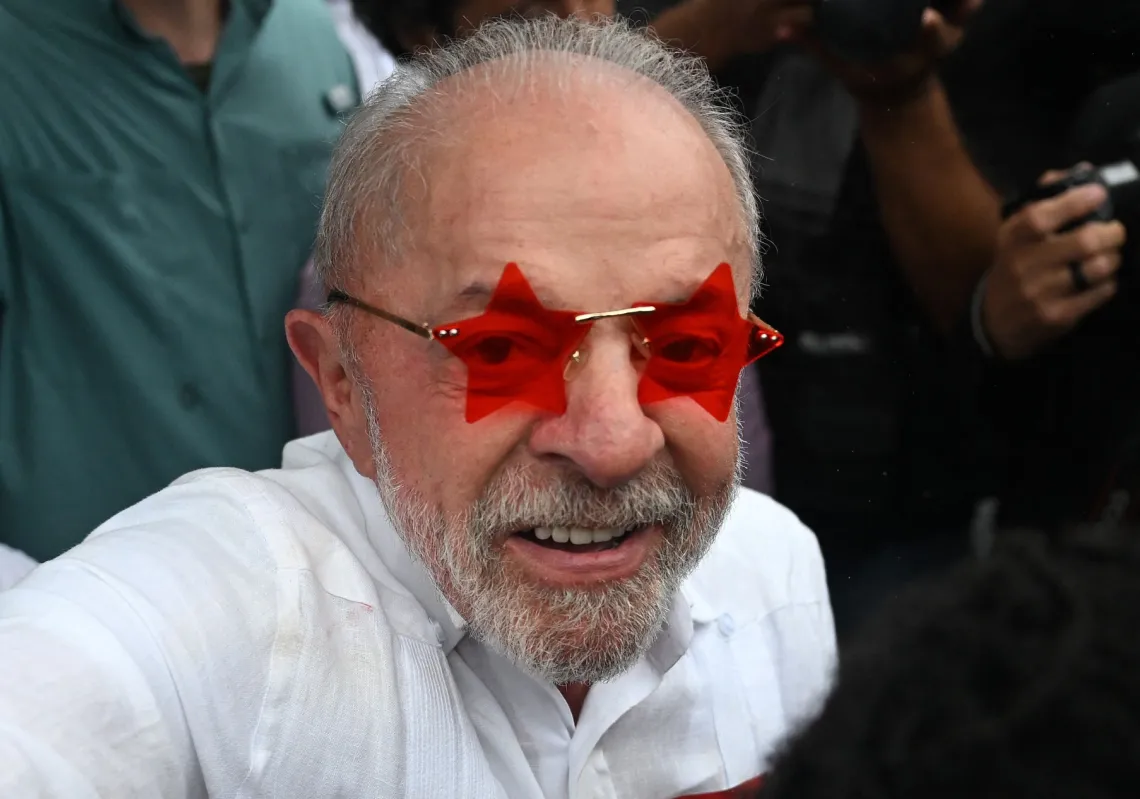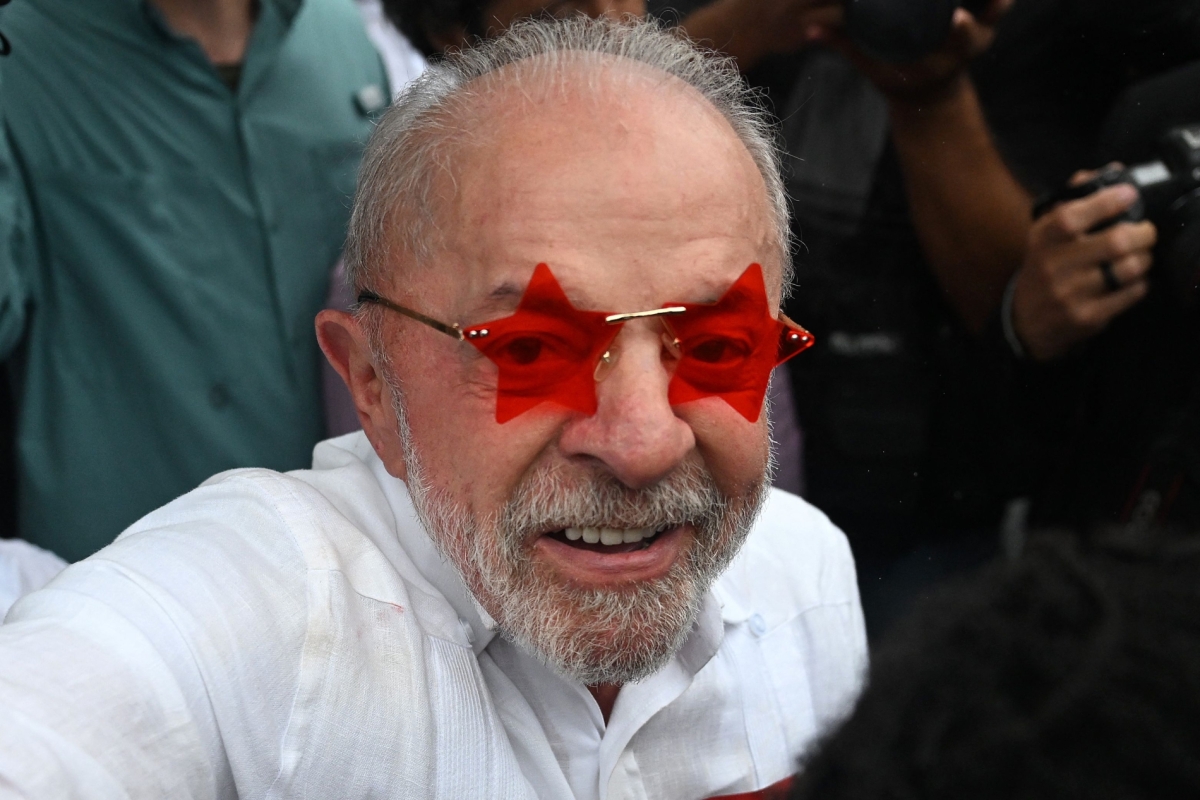

It is perhaps the most dramatic comeback in Brazil’s political history. Luiz Inácio Lula da Silva, whom most pundits thought was dead and buried after the first round of voting, won Brazil’s presidential election on 25 October. Lula, the 80-year-old left-winger, received 52% of the vote, compared with 48% for his opponent, Flávio Bolsonaro, the son of Jair, a hard-right former president under house arrest for attempting a coup (see chart). Lula joins an exclusive club of presidents who have won four terms democratically, alongside Franklin Roosevelt.
Lula trailed Mr Bolsonaro by 2 million votes after the first-round election on 4 October. Candidates who were knocked out, and who between them received 8% of votes, backed his opponent. No presidential hopeful since the return of democracy in 1985 had lost the first round and won the run-off. All polls put Mr Bolsonaro ahead. Compounding matters, voters appeared sick of Lula’s Workers’ Party, which has been in power for 18 of the past 24 years. Yet in less than three weeks Lula gained an extra 10m votes, many of them from people who had failed to vote or spoiled their ballots in the first round.
Three things explain his remarkable turnaround. The first is a tactical overhaul. Ahead of the first round, Lula ran a disorganised, analogue campaign focused on issues that felt distant to many voters, such as adding value to Brazil’s mineral exports. He wore a Panama hat to hide scars from a recent operation to remove cancerous cells from his head, which reminded voters of his age. While Mr Bolsonaro’s campaign spent at least $2 million boosting his content online before the first round, Lula’s spent barely $500,000, instead handing out stickers with his face on them.
Between the two rounds, Lula discovered both his mojo and the internet. He scrapped the hat. Once a technophobe who famously did not own a mobile phone, he began posting selfie videos on Instagram. If Lula has anyone to thank for his victory it is André Janones, a 42-year old evangelical congressman from Minas Gerais, Brazil’s bellwether state. After the president’s initial loss, he set up a WhatsApp channel called “Lula’s Army”, which attracted over 10 million members in two weeks. On it, Mr Janones gave members “missions”, such as reposting an image of Lula on social media, helping him to go viral in the final stretch of the campaign. In his victory speech, Lula promised to make digital communications central in his next term.
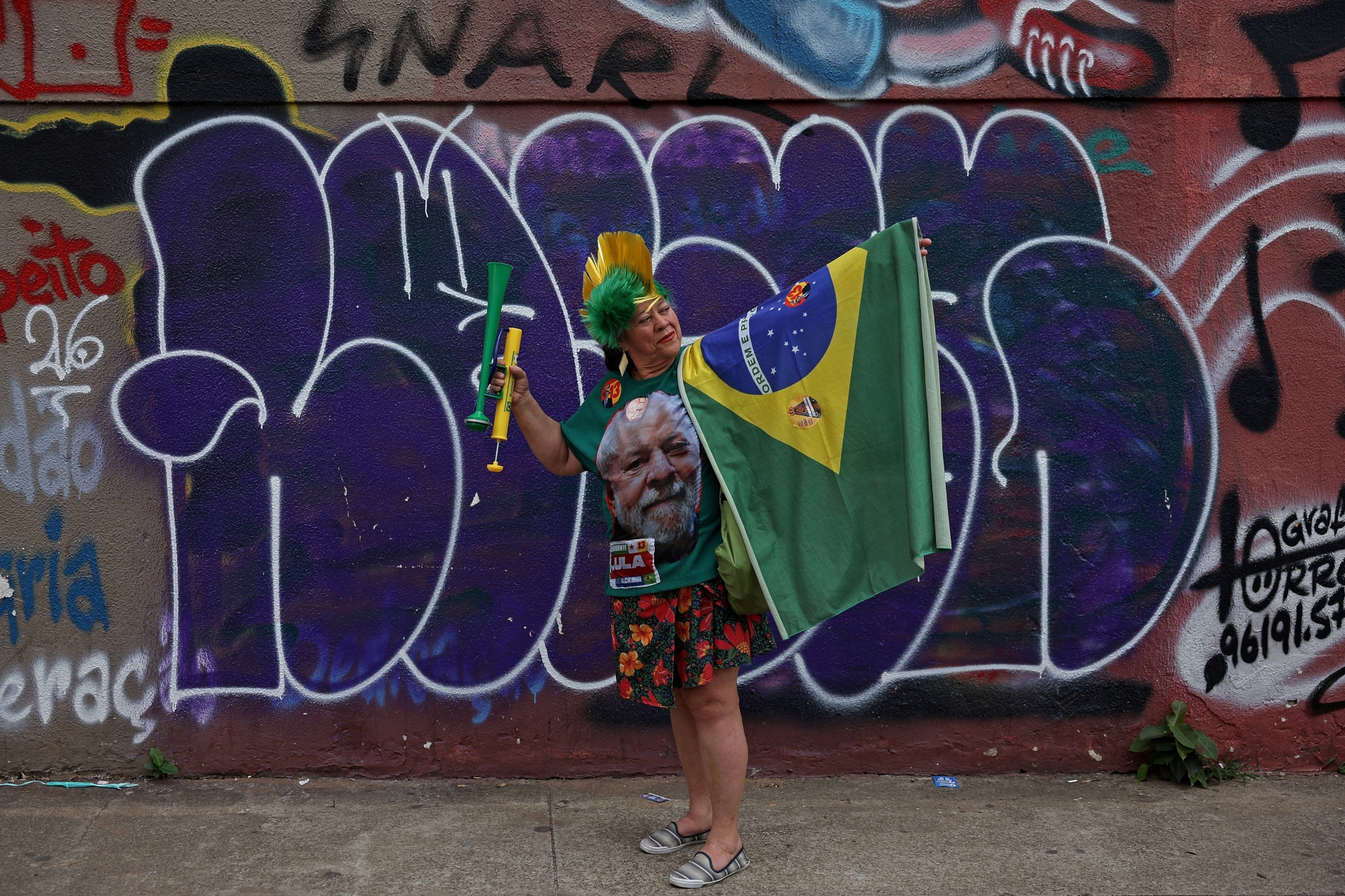
Second, the government opened the spigots. Lula raised handouts in Brazil’s flagship welfare programme by 15%. He pushed Congress to pass a law to reduce the working week by a day, without pay cuts. He pledged to make public transport free on weekends, forgive federal debts for sole traders, and hand out $1,000 to 1 million of them. Incumbents in Brazil often make lavish giveaways before elections, but even by Brazilian standards Lula has been generous.
Finally, most Brazilians decided that Mr Bolsonaro was beyond the pale. Two televised debates helped to rehash his dodgy past, especially his alleged links to Rio de Janeiro’s militias, groups of corrupt policemen who work as hitmen and extortionists. As a state deputy, he awarded a medal of honour to Adriano da Nóbrega, the leader of a notorious death squad who had been imprisoned for homicide. Mr Nóbrega’s wife and mother were later found to be on Mr Bolsonaro’s payroll (he says he was unaware of this). In 2023, Mr Bolsonaro, by then a senator, sent over $40,000 of taxpayer money to a member of a death squad who was later jailed for helping to assassinate a popular left-wing politician. In phone chats, the hitman called Mr Bolsonaro (who denies wrongdoing) “our senator”. Two weeks after the first-round vote, one of Mr Bolsonaro’s allies in Rio was arrested on charges of working with militiamen and drug-traffickers.