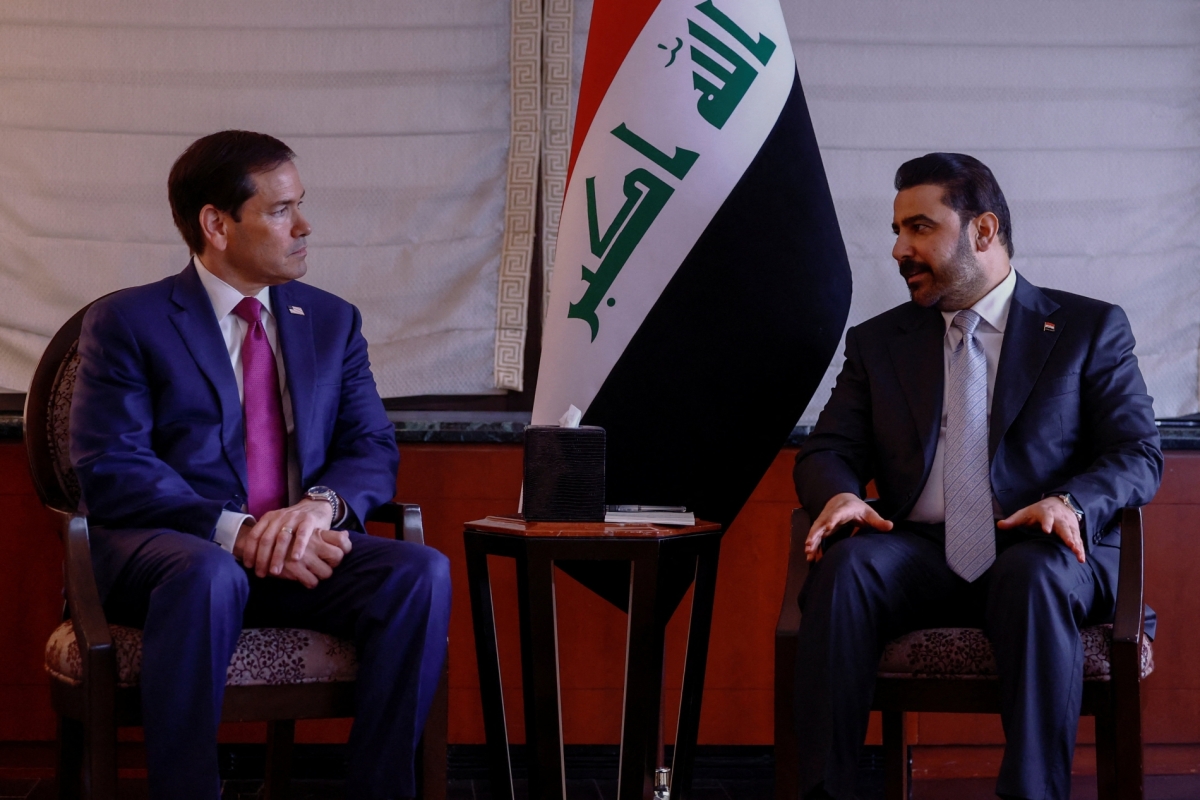

On 23 September 2026, after a meeting with Iraqi Prime Minister Ali al‑Zaidi on the sidelines of the United Nations General Assembly in New York, US Secretary of State Marco Rubio linked the proliferation of weapons beyond state control to dangers that threaten a country’s unity and political cohesion.
This claim is well supported by examples in world history. The most notorious example is the case of the Balkans from which the term 'Balkanisation' (the process of breaking up a larger region, country, or system into smaller, usually hostile or uncooperative independent parts) was coined. After the break-up of Soviet-era Yugoslavia, the country fractured into separate states amid a series of civil wars and internal conflicts, with competing global interests as a contributory factor. That period offers a cautionary lesson for ethnically, religiously, and nationally diverse countries (like Iraq) in which militias operate outside of state control.
But the threat of Balkanisation seems a long shot in Iraq for a variety of reasons, which Al Majalla lays out in this article. But first we will provide some important context and background on the issue.
Washington had previously set a 30 September deadline to bring all weapons in Iraq under state control, but that is now being extended to 30 June 2027. There was also talk of Rubio lifting the American veto on the participation of armed factions affiliated with the (pro-Iran) Coordination Framework in al-Zaidi’s government, following their declared willingness to relinquish their weapons.
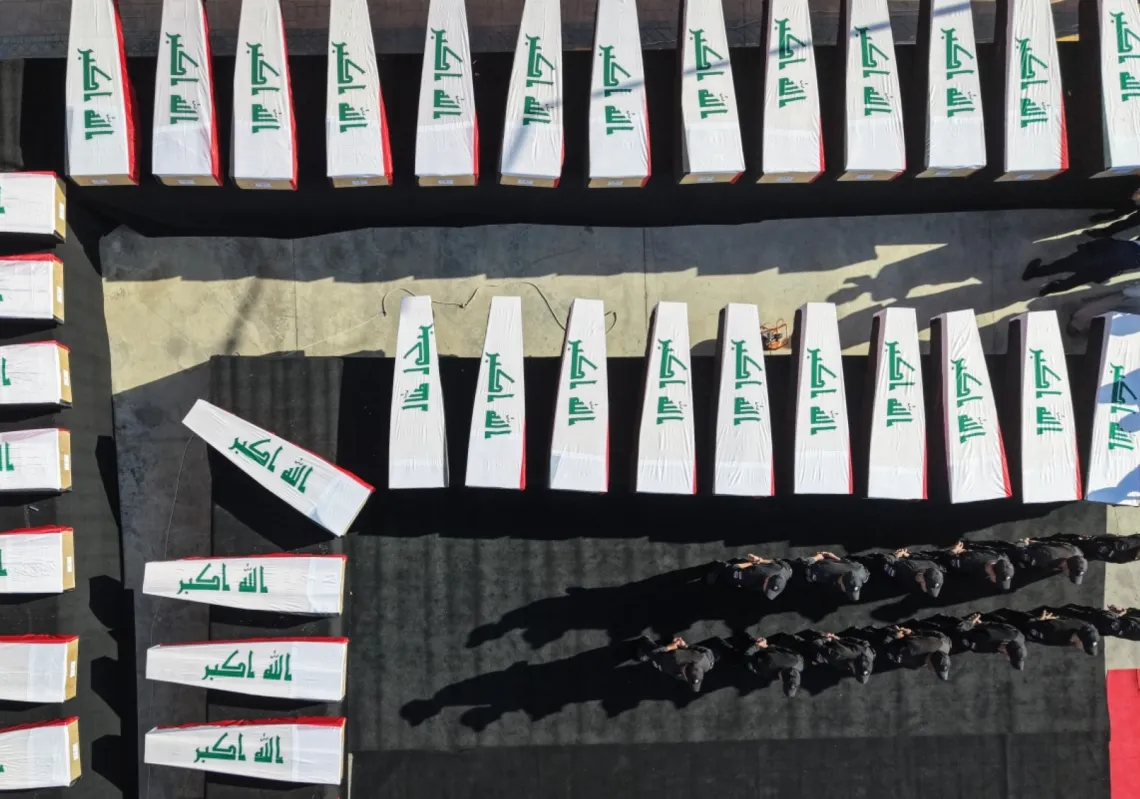
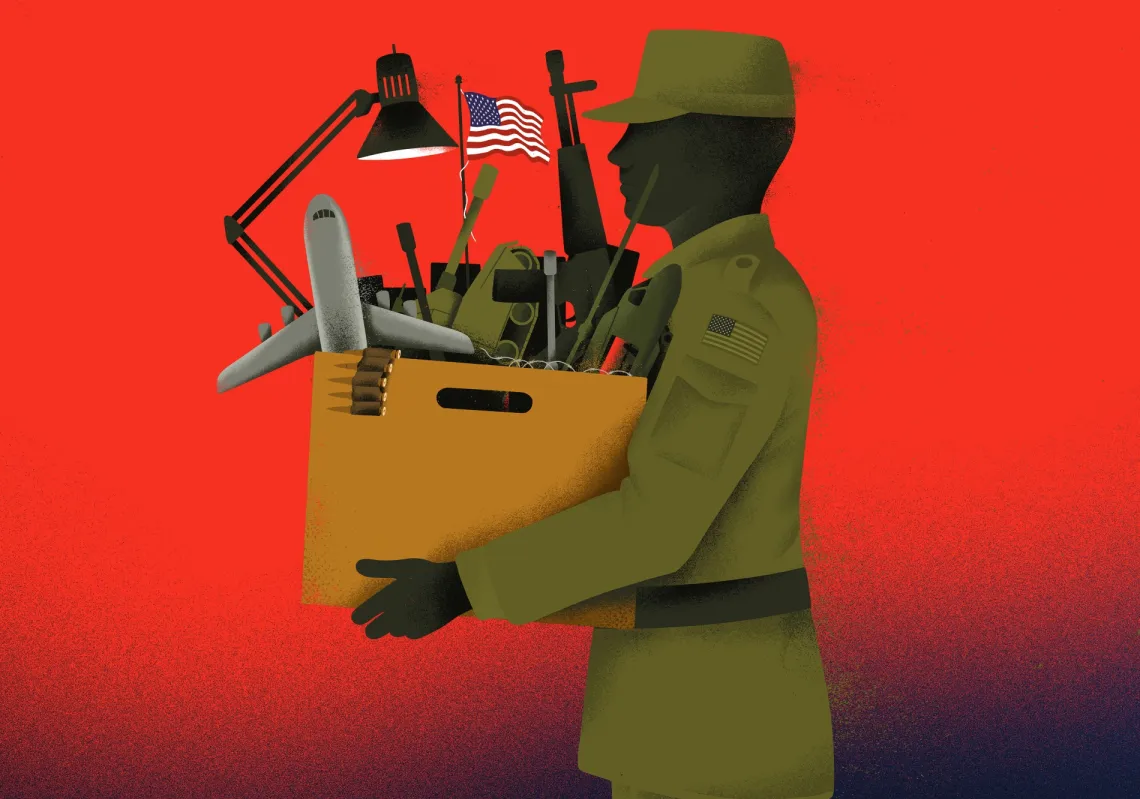
The armed factions that had announced their intention to surrender their weapons (alongside those who vowed to keep them) joined celebrations on 30 September to mark the withdrawal of the last coalition forces from Iraq, which the government designated ‘Sovereignty Day’. For their part, various militias issued triumphal statements hailing the disarmament deadline’s new nine-month extension and boasting that their weapons had succeeded in finally sending the Americans off.
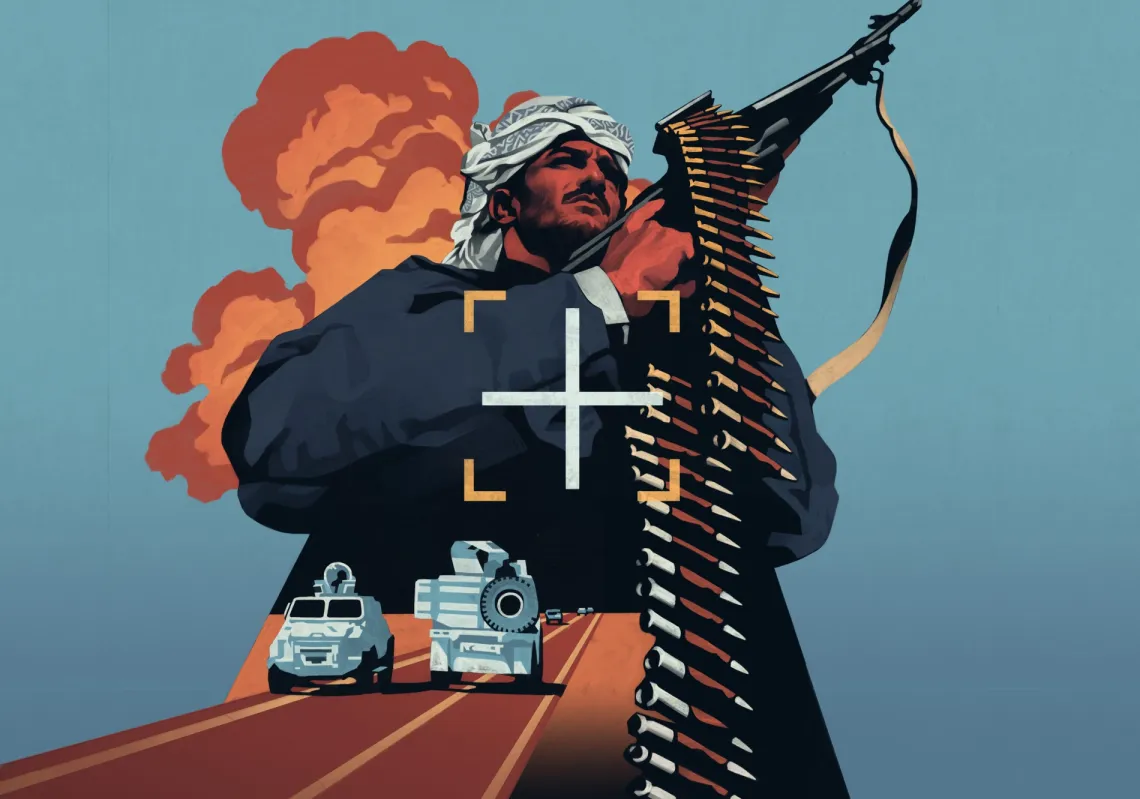
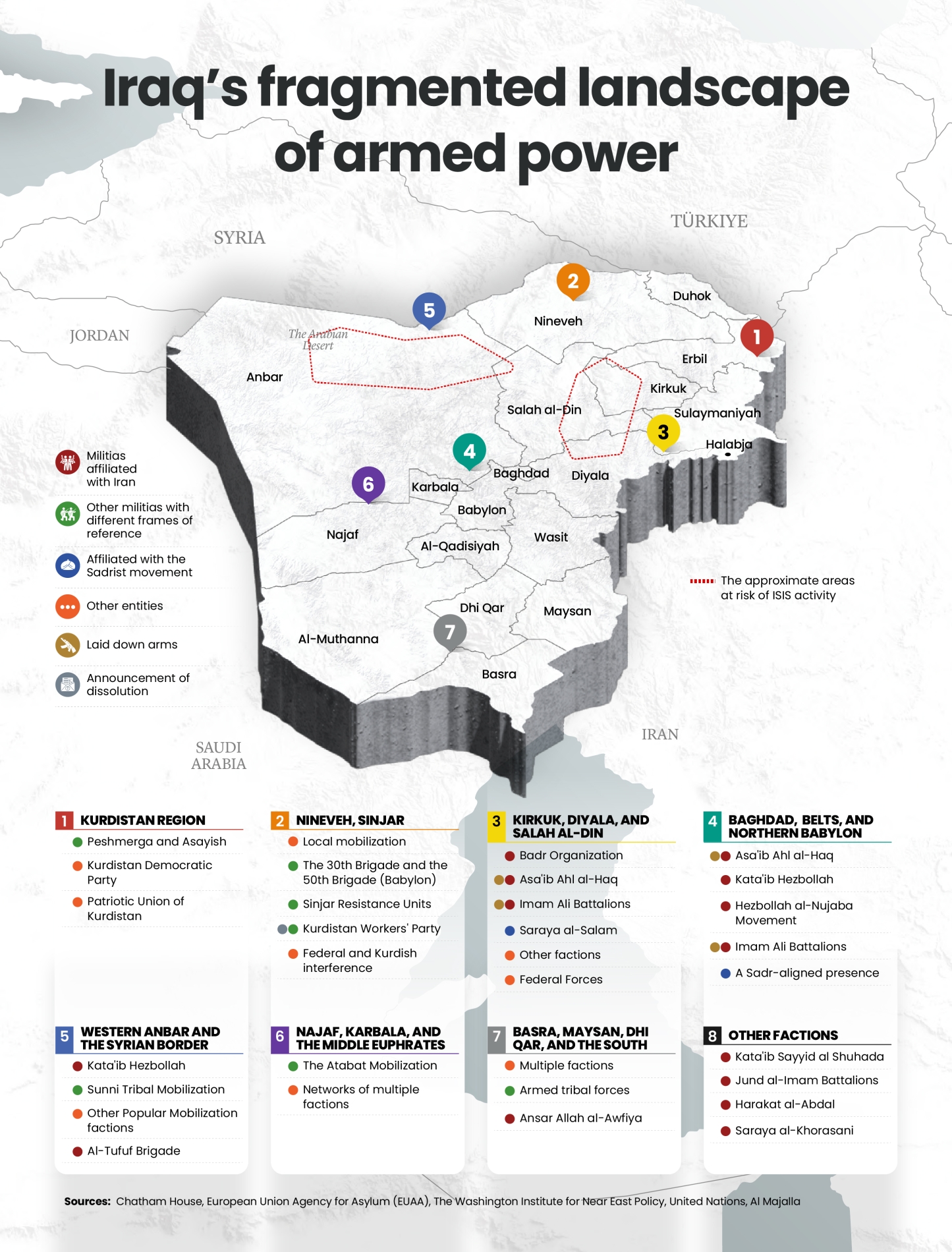
Al-Zaidi persuaded three armed factions (Asaib Ahl al‑Haq, Kataib Sayyid al‑Shuhada, and Kataib al‑Imam Ali) to surrender their weapons in exchange for ministerial positions starting 15 October. Another faction has agreed in principle to follow suit. However, Kataib Hezbollah—perhaps the country’s most powerful militia, which is backed by the IRGC (Iran’s Islamic Revolutionary Guard Corps)—refuses to disarm.
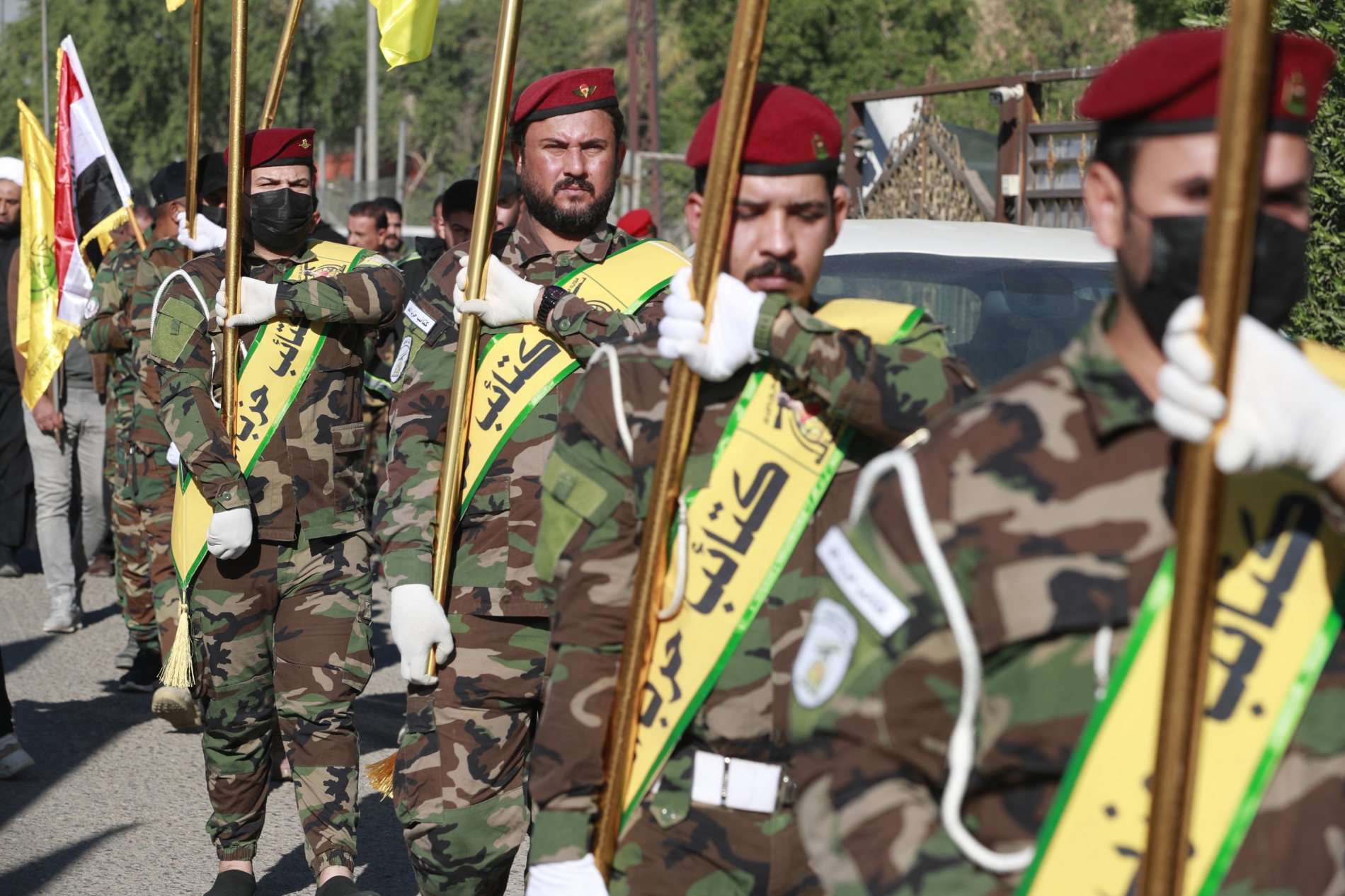
The problem of weapons beyond state control appears to be narrowing in scope, the ‘carrot’ of government office and political power seemingly proving more effective than the ‘stick’ of force and confrontation. This gives factions a seat at the table (both literally and metaphorically) and a stake in the deals and agreements through which Iraq's authority is bargained, agreed, and distributed.
As fewer factions retain weapons outside state authority, and as the remaining holdouts reassess their positions, the likelihood of Iraq’s ‘Balkanisation’ recedes. This is particularly significant because Washington wants al‑Zaidi’s government to bring Shiite military and political actors into the orbit of the state, thereby loosening their ties to Iran.
The US has suggested giving these factions a choice: lay down your weapons and share in the rewards of political participation, or keep them and face exclusion, sanctions, and military strikes as part of the US war on Iran. The factions say they armed themselves to confront armed terrorist groups that seized control of three Iraqi provinces and sought to partition the country.
The designation of Iraq as a 'fragile state' is not new; Fund for Peace has used it in reports since 2016 and applies it to countries whose governments cannot meet most citizens' basic needs. Such states are marked by the erosion of the rule of law, governments' failure to maintain a monopoly on the use of force, and the ascendancy of political and armed networks that extend their influence over both state institutions and society.
The more consequential issue is that a failed state's fate often remains hostage to external powers. If influential foreign governments suddenly withdraw political, military, or economic support, this could hasten the state's collapse. The danger is particularly acute where effective institutions are absent, and political and social cohesion has already been severely weakened.
The anatomy of collapse
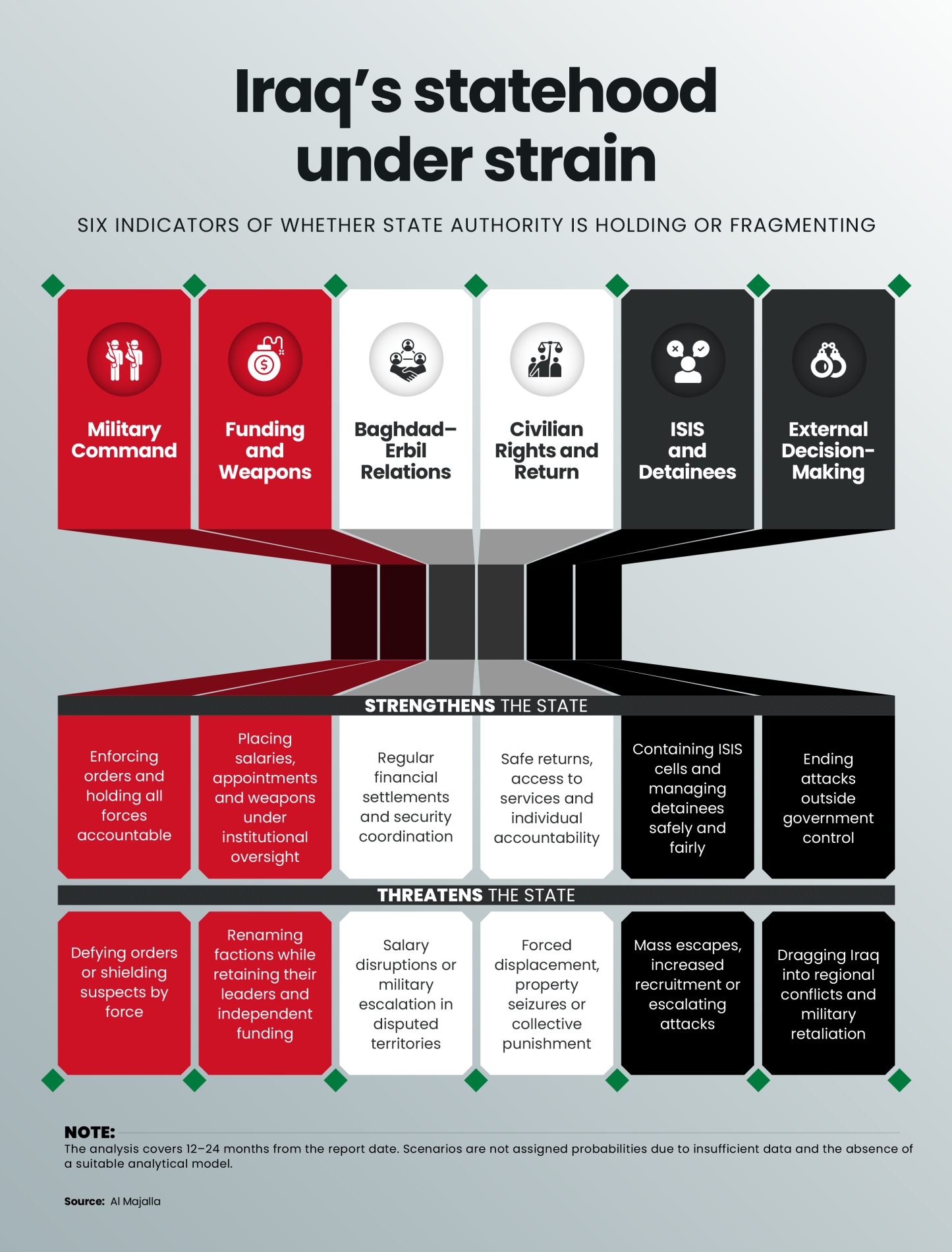
In a 2005 study presented to the American Political Science Association, Caty Clément, an academic at the Geneva Centre for Security Policy, dissected the anatomy of state collapse and identified four key variables. One was external; three were domestic. The latter category included economic conditions and political structure; the strength of groups organised around ethnic, religious, or sectarian identities; and the state's ability to manage internal conflict.
The fourth variable concerned shifts in international intervention and its effect on preserving a state's cohesion. During the Cold War, for example, many weak states survived through the support of one of the two superpowers (the US or USSR). When the Cold War ended and the Soviet Union splintered, that external backing often collapsed, with dire consequences for the health and stability of states across Eastern Europe and Africa.
Drawing on observations and studies, Clément argued that these three domestic variables can leave a state trapped in a cycle of fragility, but that outright collapse becomes likely when internal pressures converge with a shift in the external political environment. A fragile state can withstand economic, political, and security crises if external support helps it through, but if that support is withdrawn just as the domestic factors ignite, collapse becomes inevitable.
Iraq came perilously close to such a scenario following the northern Kurdistan Region's independence referendum on 25 September 2017. The vote encompassed the region's three governorates (Erbil, Sulaymaniyah, and Duhok) and the disputed province of Kirkuk, with 92% of voters supporting independence. Baghdad refused to recognise it and sought to invalidate the ballot, but the federal government's opposition was not the biggest obstacle to secession. The main reason was foreign opposition to Kurdish independence, which included the US, Türkiye, Iran, and several Arab states.
Chaos in government
A chasm continues to divide Iraq's citizens and its ruling class over the kind of political system the country needs. Politicians who have carved out fiefdoms (often through family networks and armed factions) want to consolidate and perpetuate the existing order, whereas the public wants a government and ministers who will serve ordinary Iraqis' interests, rather than their own.
The problems stem from 2003. Ever since, Iraq's political class has failed to rebuild trust between state and society. Instead, it has deepened the estrangement. With corruption rife, political leaders have systematically hollowed out the state, dispersing responsibility for its ruin among sectarian and ethnic constituencies, encouraging society to retreat behind narrow communal identities while they assumed the mantle of protectors and champions of sects and ethnicities.