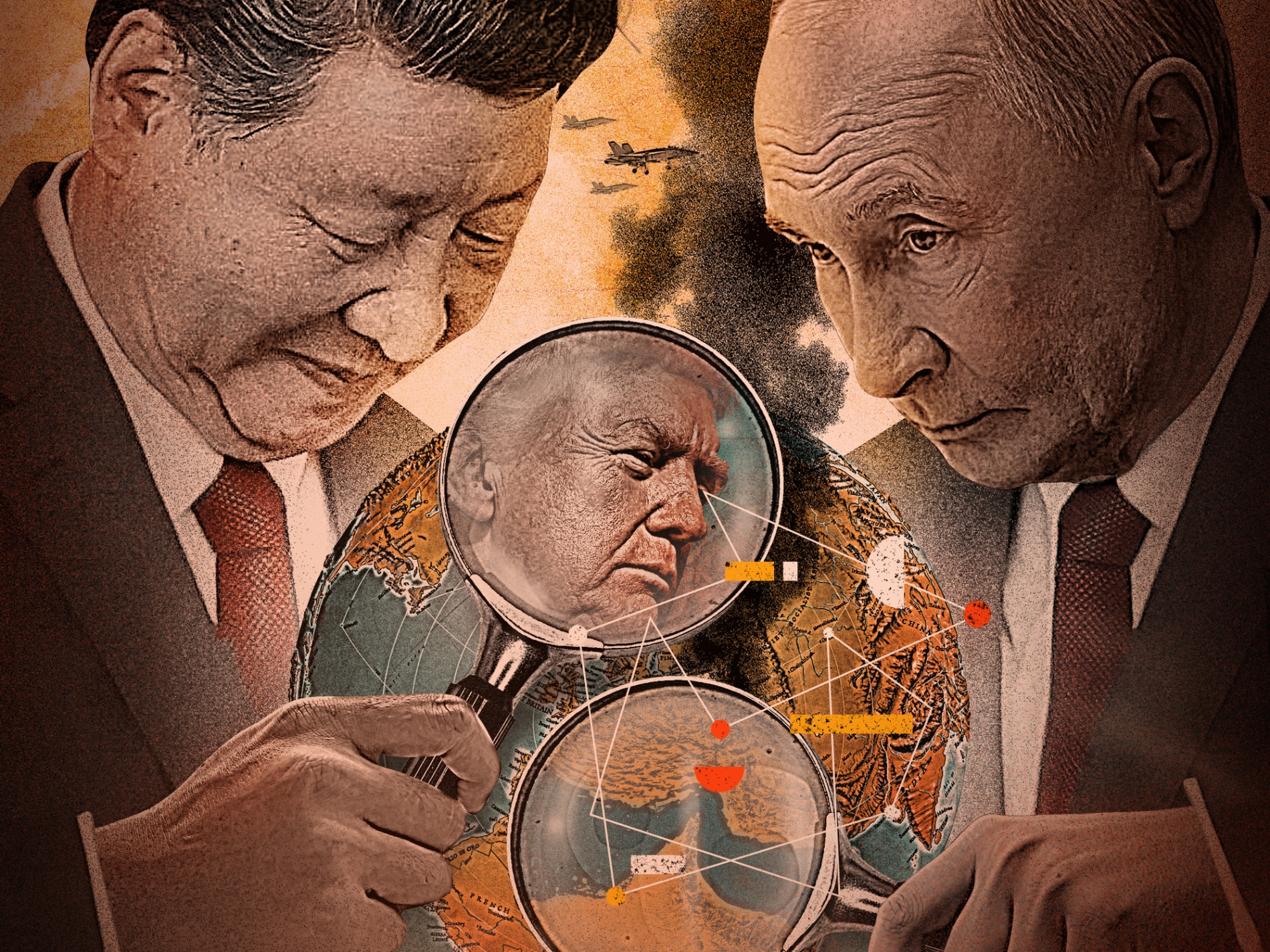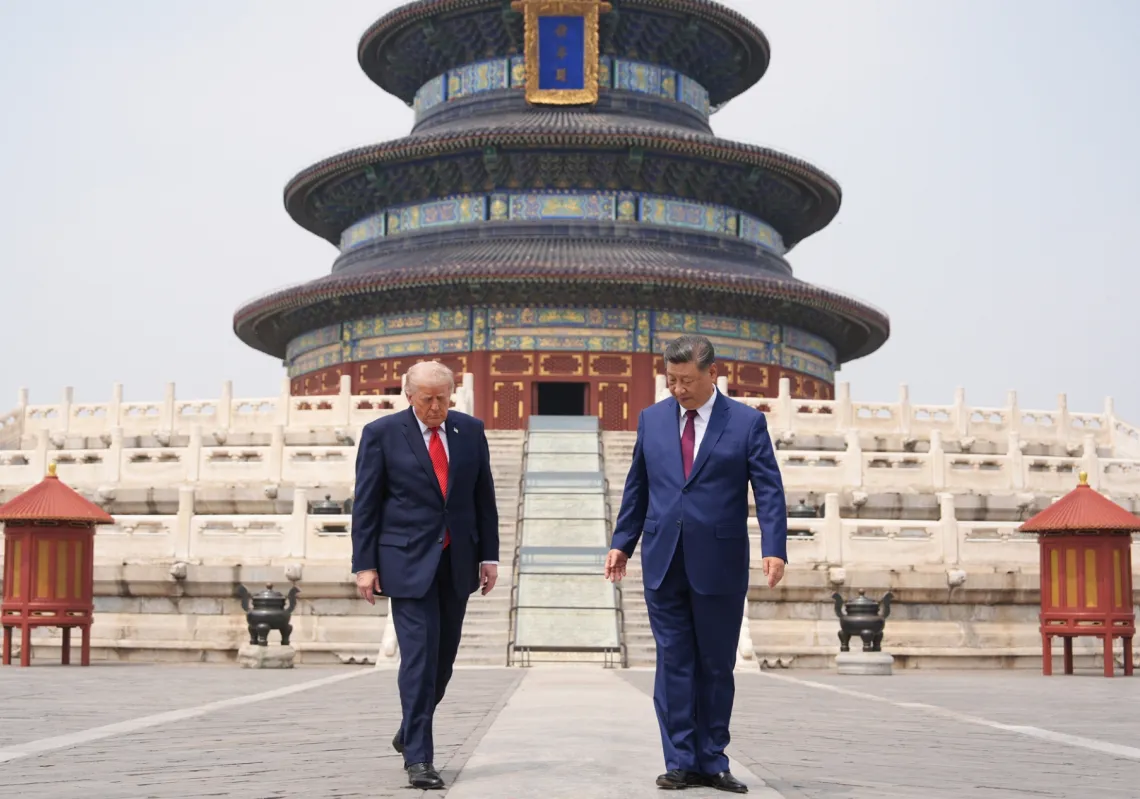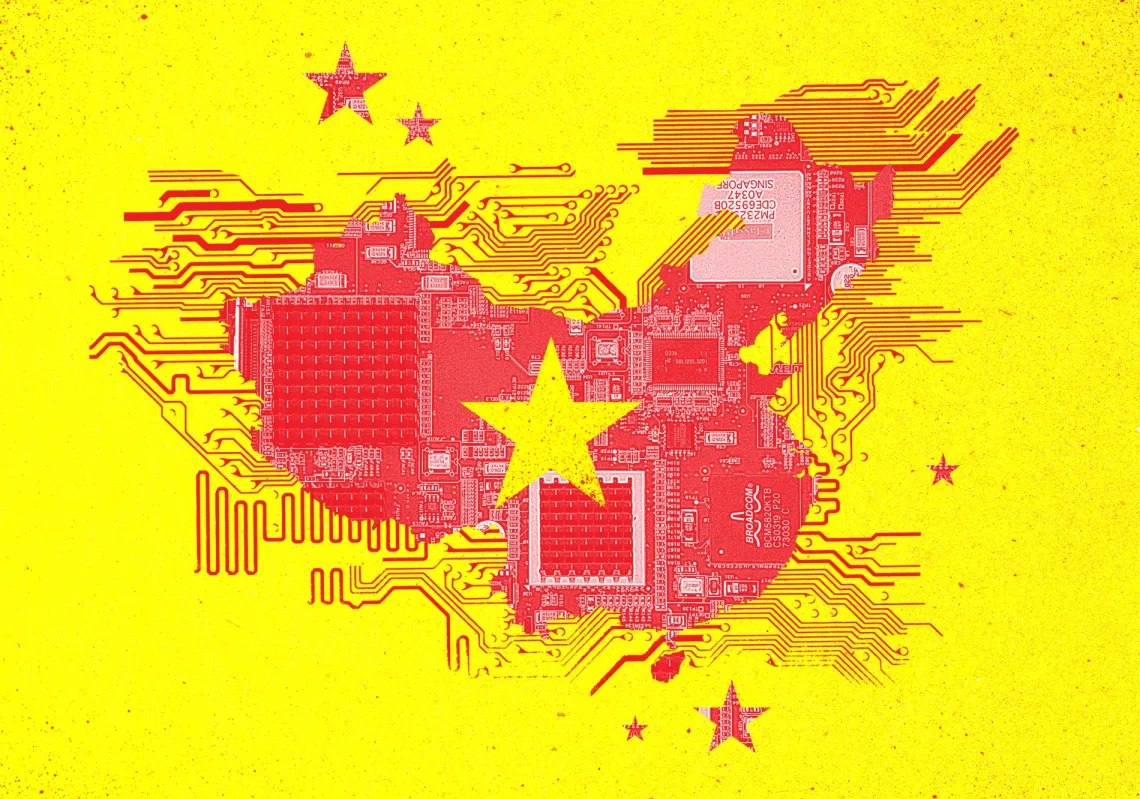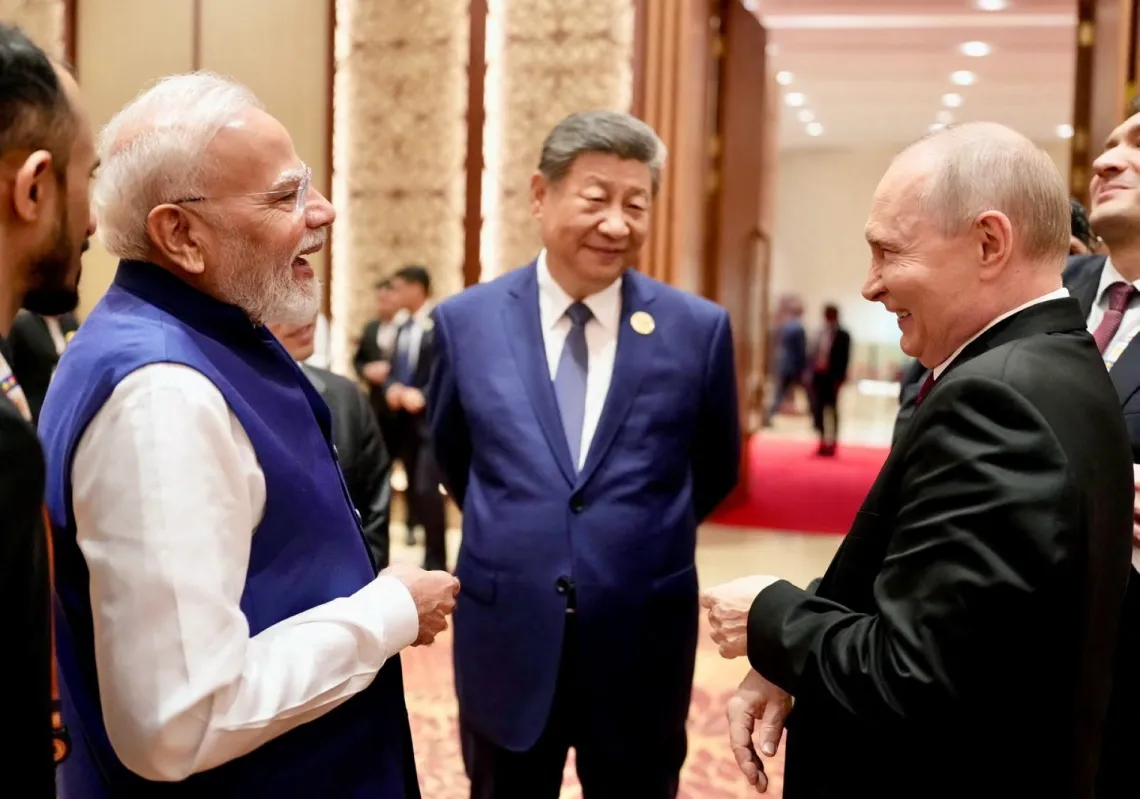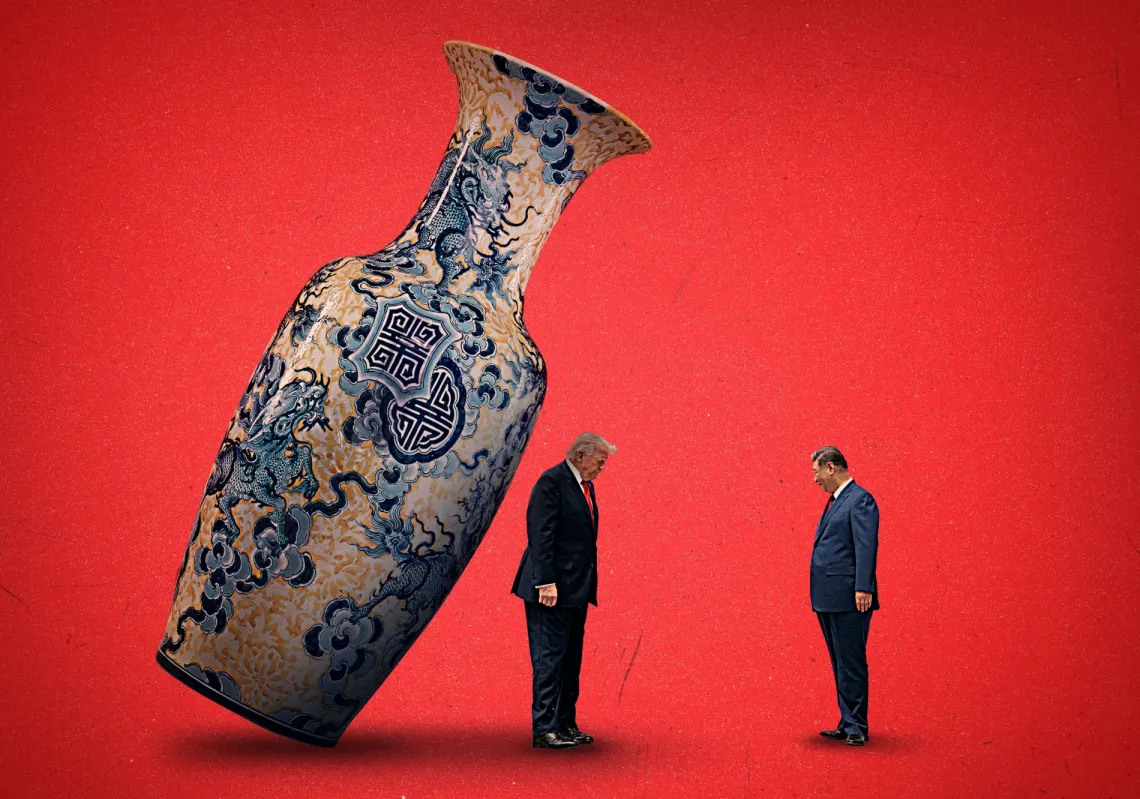

When it came, the visit of Chinese leader Xi Jinping to the United States last month was more pomp and pageantry than substance. That did not make it irrelevant. Across Asia, symbolism matters, whether to the Chinese audience at home or to political figures in India, Japan, Taiwan, and the Middle East. Based on symbolism, China came away from Washington having assured its status as an equal.
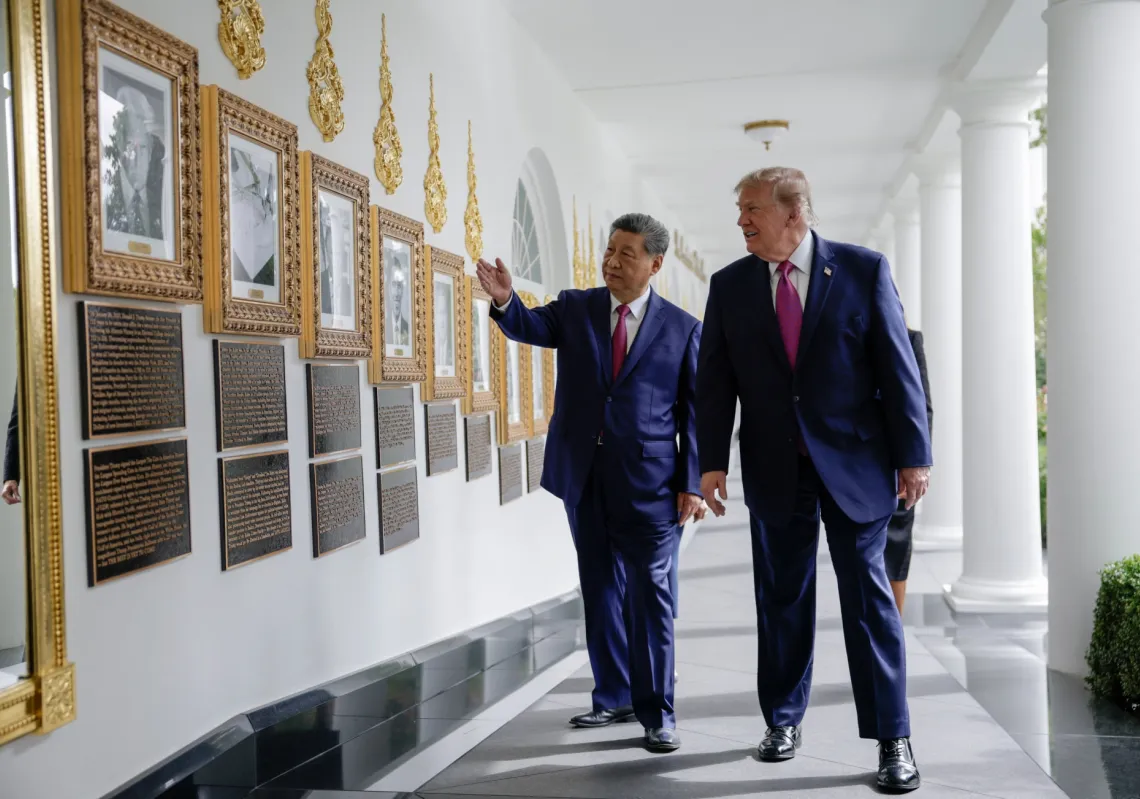
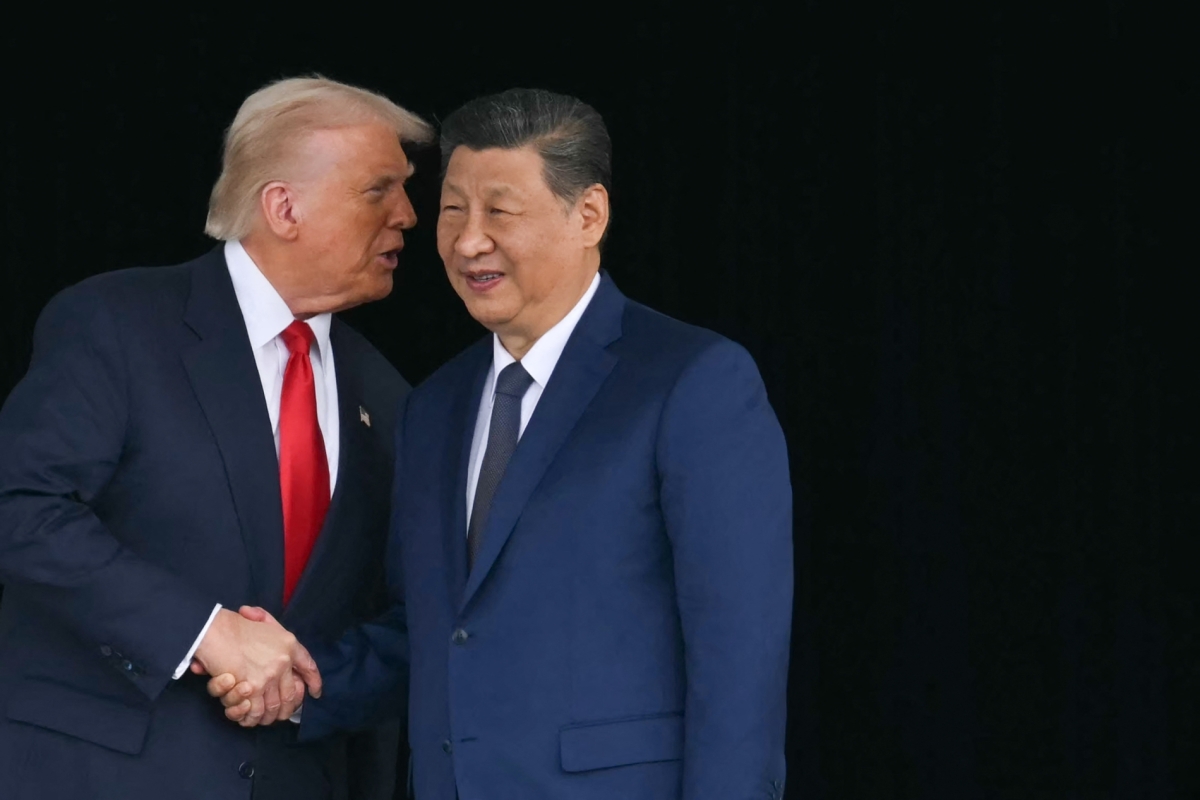
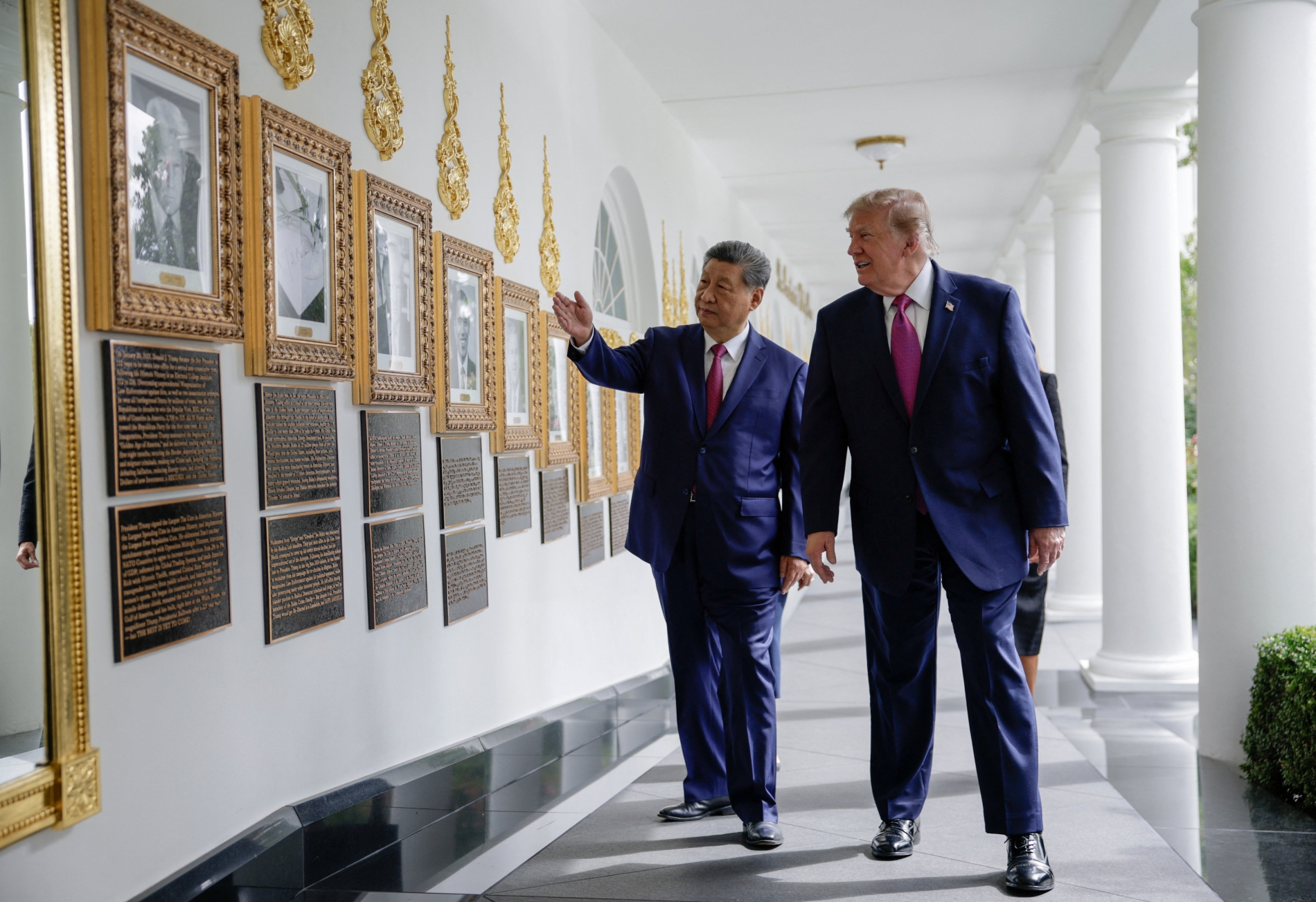
First, it began with protocol: President Trump greeting President Xi on the tarmac at Joint Base Andrews. In more than six decades, only the Pope has had such an honour. US First Lady Melania Trump, who shuns the limelight, co-hosted the three-day public spectacle, which also included a tour of the National Archives tailored for the First Couples. Trump had received a warm welcome to Beijing in May and was reciprocating.
The diplomatic language was also telling. Washington officially adopted Beijing’s articulation of a “constructive relationship of strategic stability”. Xi proposed building the relationship on mutual respect, fairness, and reciprocity, and the White House echoed it. The two leaders pledged to attend each other’s summits as hosts of APEC and the G20 later this year. This is the nearest thing to a G2 invitation.
Two reciprocal rounds of presidential visits between the US and China within a year are unprecedented in 21st-century major power relations. In Washington, both sides focused on projecting equal power. However, they made little progress in defining such a new balance of power in critical areas such as Taiwan, rare earths, nuclear arms, AI, advanced technology, Ukraine, and Iran. The issues that remain outstanding will shape the fate of the emerging US-China détente.
Different interpretations
The official readouts (post-summit briefing notes) from Beijing and Washington show how they diverge even on the very little they achieved. Both agreed on the Chinese articulation that commits them to building “a constructive relationship of strategic stability on the basis of respect, fairness, and reciprocity”. Xi reminded his host that the two had agreed to the “new vision” in May and further spelt out its substance: cooperation as the mainstay, competition within proper limits, and differences managed.
Other areas are less sure. The US factsheet says China will buy at least ten million metric tonnes of US coal in both 2027 and 2028 and that the two sides have established a new Board of Investment. The Chinese readout mentions neither. The White House also affirmed that the US military had preserved a free and open Indo-Pacific and advocated trilateral arms control talks with Russia. Neither appears on China’s list. Beijing’s list included an agreement to conclude a military crisis-communication memorandum as soon as possible, something the US did not mention.
On AI, Trump is now calling it ‘Super Intelligence’, and the White House said he and Xi had established a US-China Super Intelligence Dialogue, yet the Chinese readout still referred to the technology talks as an ‘AI Dialogue’. There was also confusion over whether the US asked China to buy American weaponry (Trump later denied it). The main question for the rest of 2026 is whether Washington is pursuing a ‘China strategy’ or a ‘China relationship’.
A US-China vision
Beijing articulated a new vision of a constructive relationship of strategic stability, based on mutual respect, fairness, and reciprocity. In 2013, Xi proposed to former US President Obama a “new model of major-country relations founded on mutual respect”. However, Washington stopped using the phrase after it became clear that Chinese officials treated the word ‘respect’ as a US commitment to honour China’s core interests, including over Taiwan, the East China Sea, and the South China Sea.
In Beijing in May, Trump and Xi adopted ‘strategic stability’ as an umbrella statement, and in Washington in September, they attached the three qualifiers (mutual respect, fairness, and reciprocity). The phrase ‘strategic stability’ is borrowed from the US-Soviet détente during the Cold War. It describes a dynamic between equals whose core interests are in conflict and whose objective is to avoid direct collision.