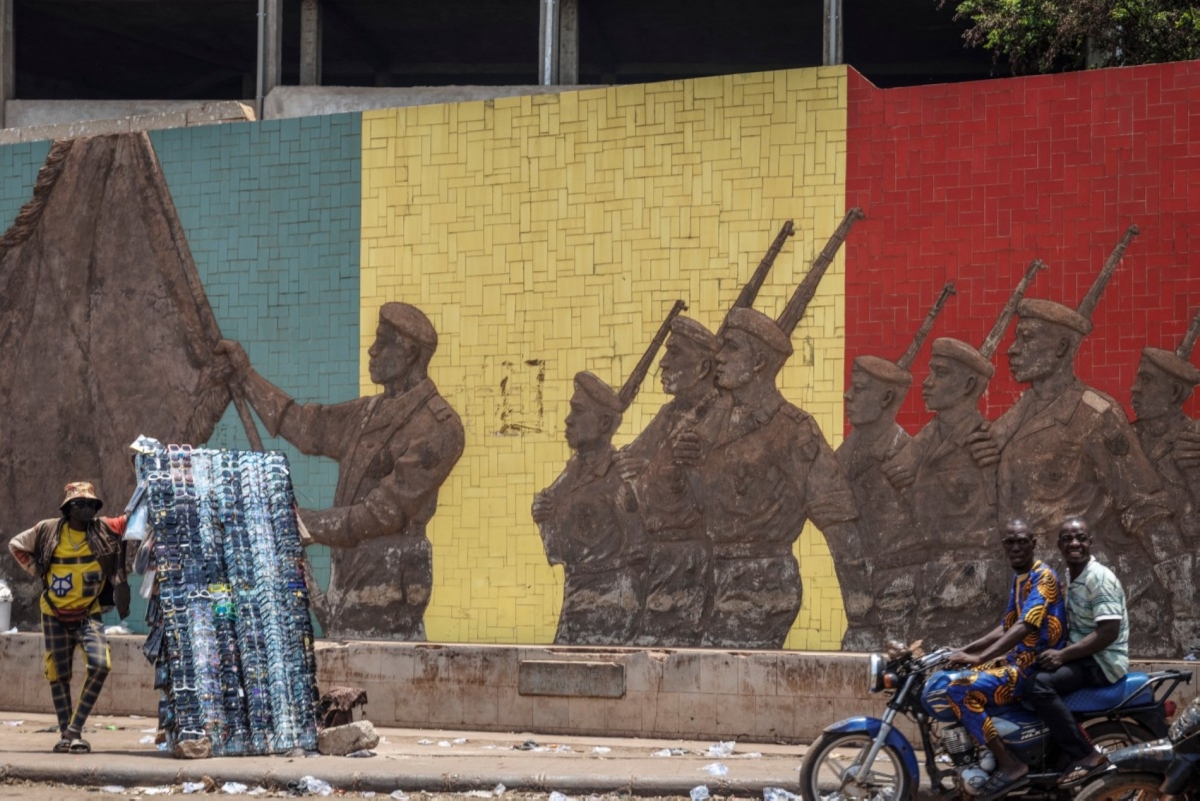

Two rival explanations circulate for what has been happening around Mali in recent months. The first, which is popular in Moscow, is that the Americans are working methodically to displace Russian influence in the Sahel by way of diplomacy, mineral deals, and a new Congressional bill. The second, its mirror image, is voiced by Mali’s military rulers: that the West is destabilising regional governments as a punishment for their alliance with Moscow.
Neither claim survives contact with the facts. Indeed, the truth is far more interesting than either. Mali is exploiting both Russia’s structural incapacity to sustain its investment and an ambivalent American policy towards the African country (itself the product of several agencies pursuing differing aims), even though Washington remains interested in Malian minerals and alarmed at its jihadist groups.
On 31 August, the US House of Representatives introduced the Mali Security Partnership and Counterterrorism Act, sponsored by Jimmy Panetta, a Democrat, and Joe Wilson, a Republican. It authorises no troops and no new military aid, but requires the US State Department to devise a diplomatic strategy against Jama’at Nasr al-Islam wal Muslimin (JNIM, an al-Qaeda affiliate), assess how the group is financed (through gold mining and smuggling), and review the effectiveness of existing sanctions. A separate clause requires an assessment of Russia’s expanding influence in the region.
Minerals and militaries
It would be easy to read the bill as the start of a new American campaign. It is, instead, the codification of a process already a year old. Security and diplomatic officials visited the Malian capital of Bamako last year, with the Washington Post revealing quiet counterterrorism talks in September. US Africa Command (AFRICOM) held its first joint exercise with the Malian army in five years in February 2026.
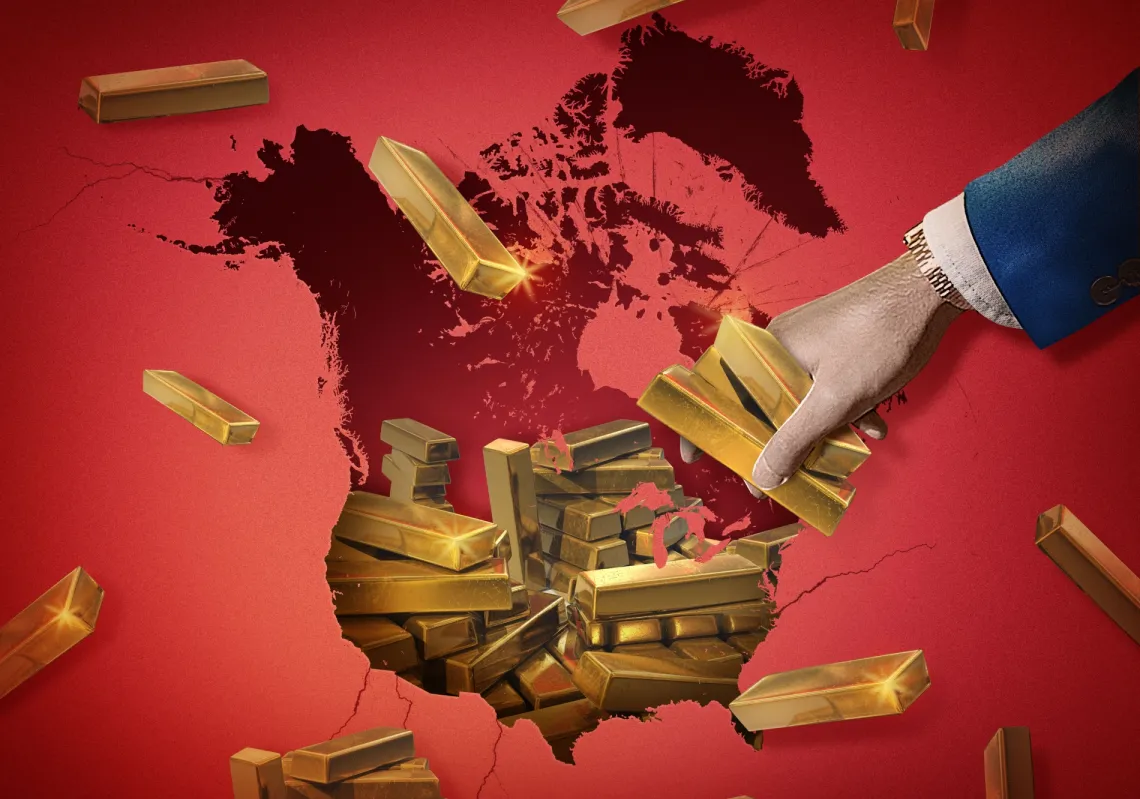
Separately, according to Africa Intelligence, Washington has offered the Alliance of Sahel States a deal modelled on the one struck with the Democratic Republic of Congo: US counterterrorism assistance in exchange for gold and lithium. That remains an offer, not a signed agreement. The Congo deal was concluded in December 2025; nothing comparable exists for Mali.
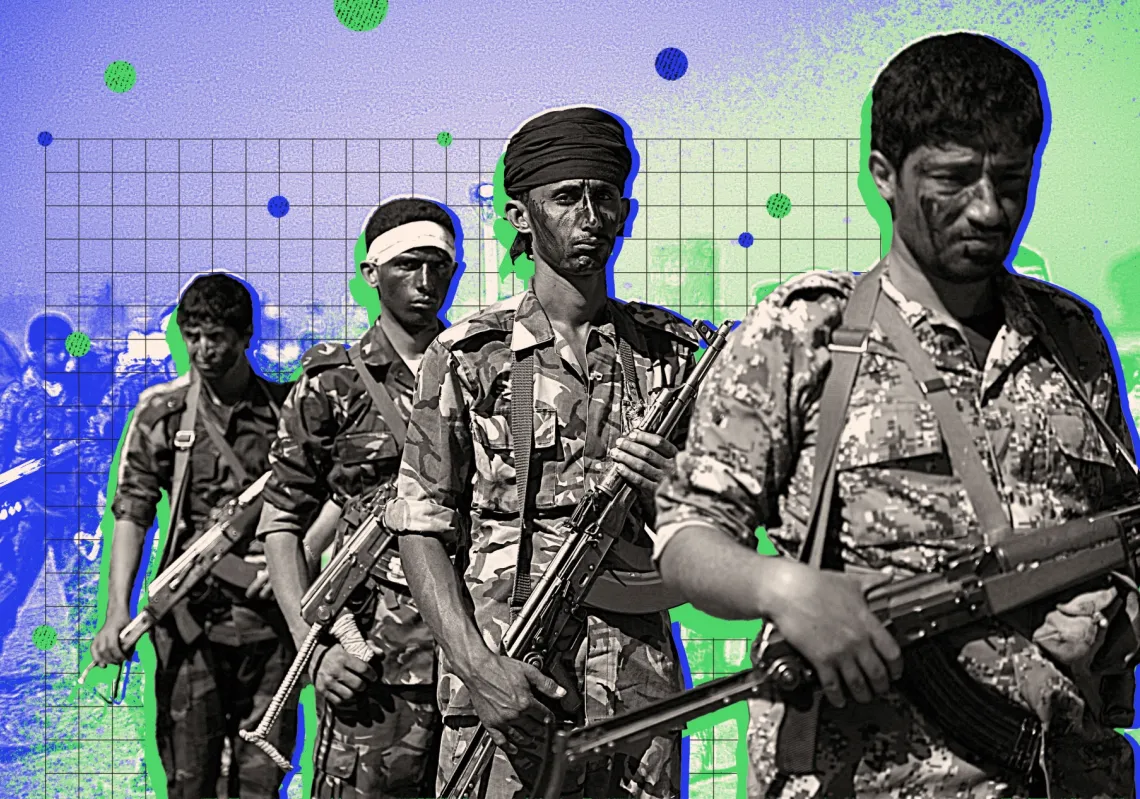
Russia’s military presence in Mali is real. Africa Corps (formerly known as the mercenary Wagner Group) remains the Malian army’s principal partner against the jihadists. However, in April 2026, Russian forces had to withdraw from the northern city of Kidal after sustained attacks by JNIM-aligned fighters and allies, most notably the Azawad Liberation Front (FLA), a Tuareg-dominated group.
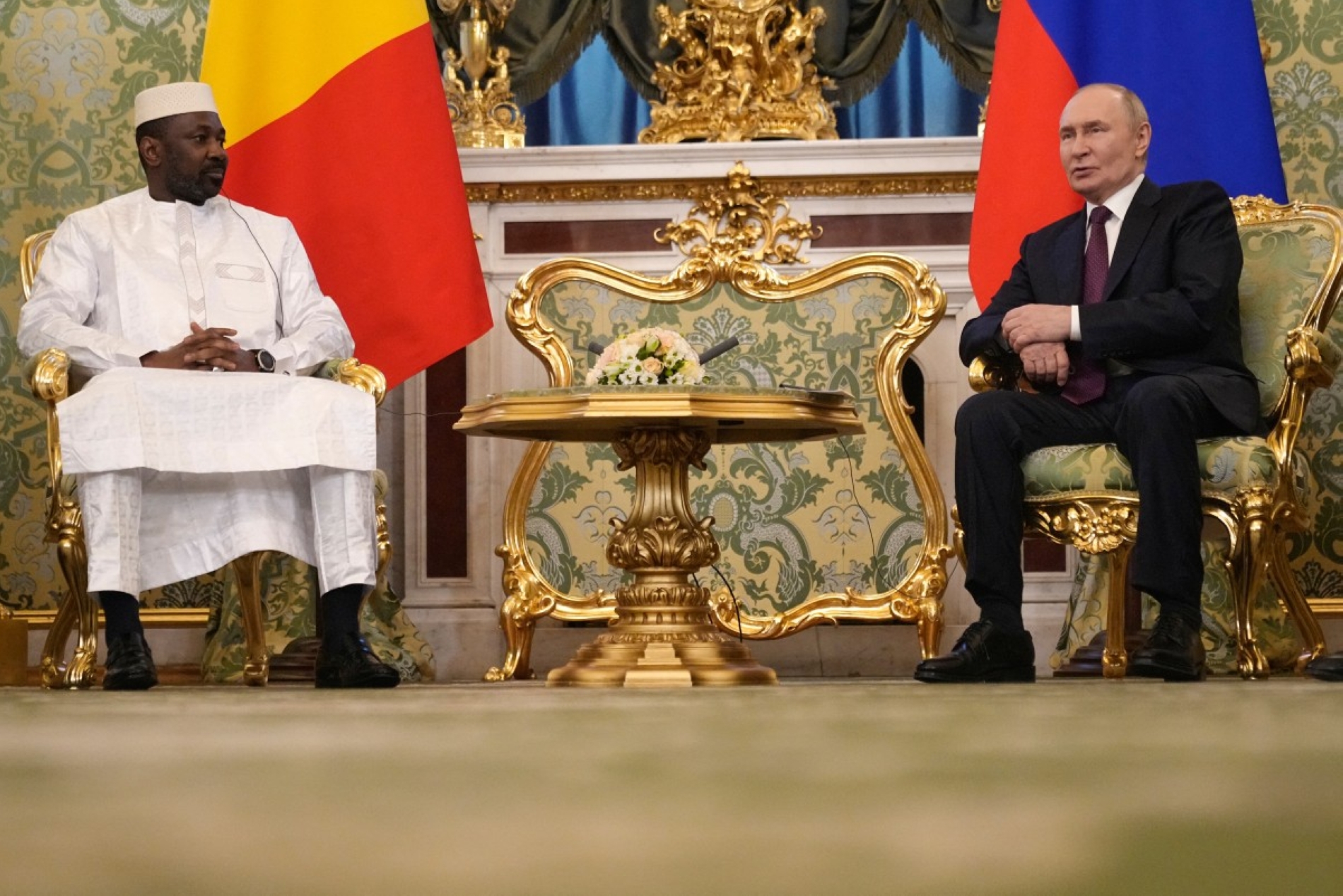
Russia’s presence in Mali has never been converted into capital. Neither Africa Corps nor any entity affiliated with it holds a documented gold or uranium concession in Mali, unlike in Sudan or the Central African Republic, where such arrangements are formalised. Personnel are paid directly by the Russian state through the defence ministry, a channel that generates no capital inflow into Mali's economy.
A proposed gold refinery outside Bamako is a joint venture between the Russian conglomerate Yadran Group, which holds 38%, and the Malian state, which holds the rest (Yadran, which mainly operates in the oil and gas sector, was placed under sanctions by the European Union last year). The foundation stone for the refinery was laid in June 2025 with great fanfare. The plans are lucrative. The plant's planned capacity of 200 tonnes per year is more than three times Mali's current output.
Yet according to Andrei Maslov, director of the Higher School of Economics' Centre for African Studies in Moscow, financing for the refinery had not been secured as of September 2025, and no confirmed progress has since been reported. Without progress on this front, he said, "the first stone could be the last". Some think Russia's weakness is that it is a military machine that knows how to defend, but not how to invest. In contrast, America's approach seems incoherent, when many had expected a more coordinated plan to squeeze out Russia.