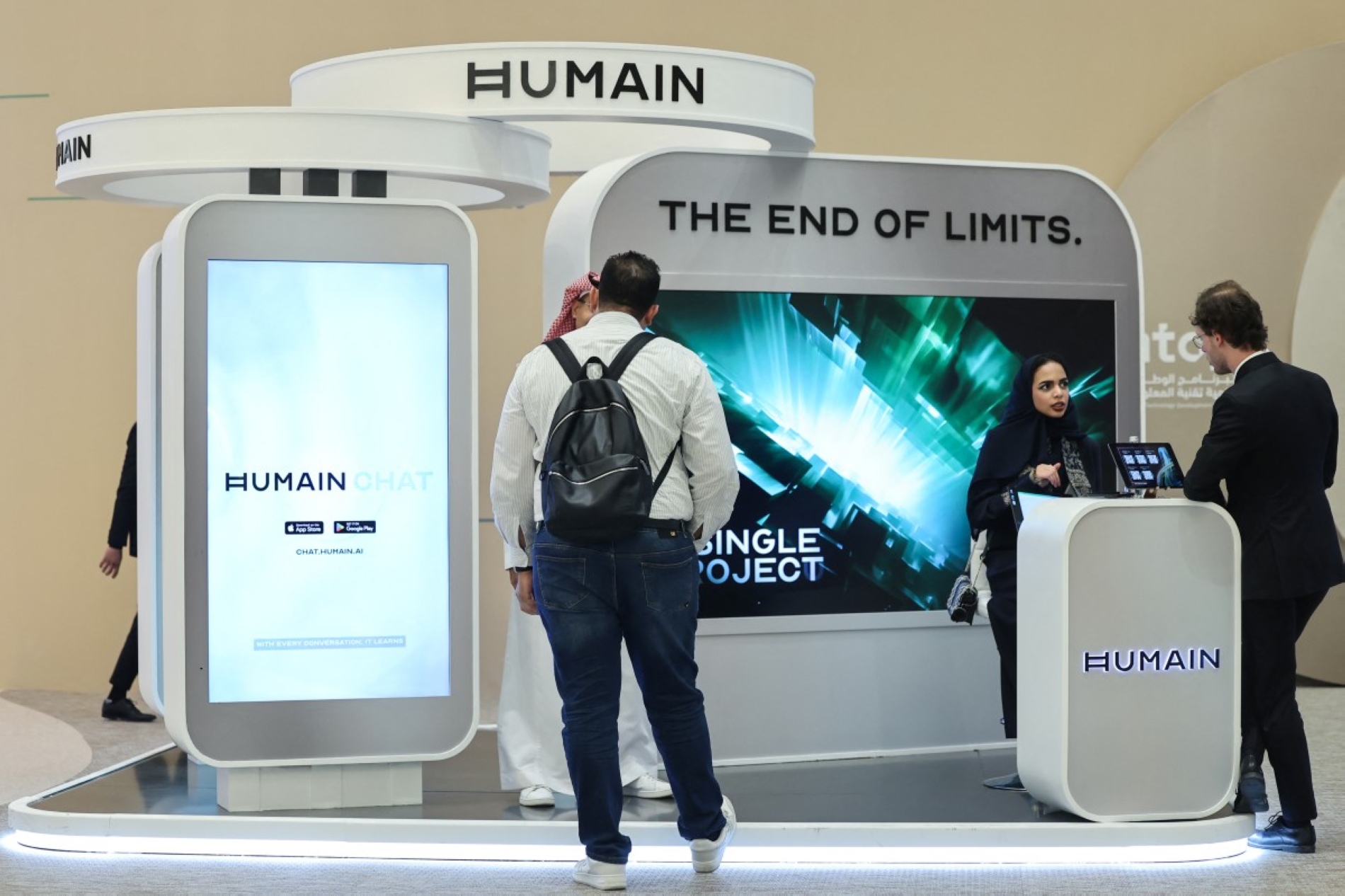
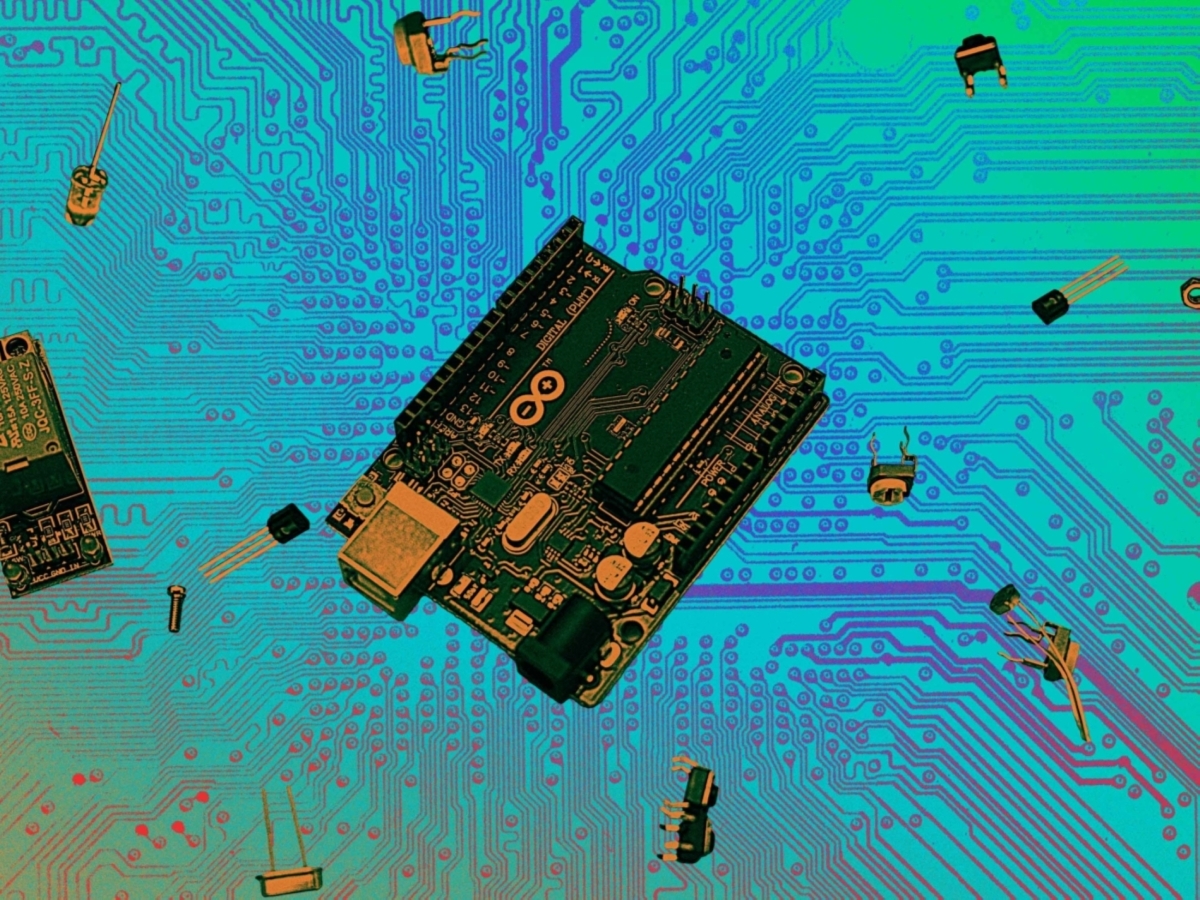

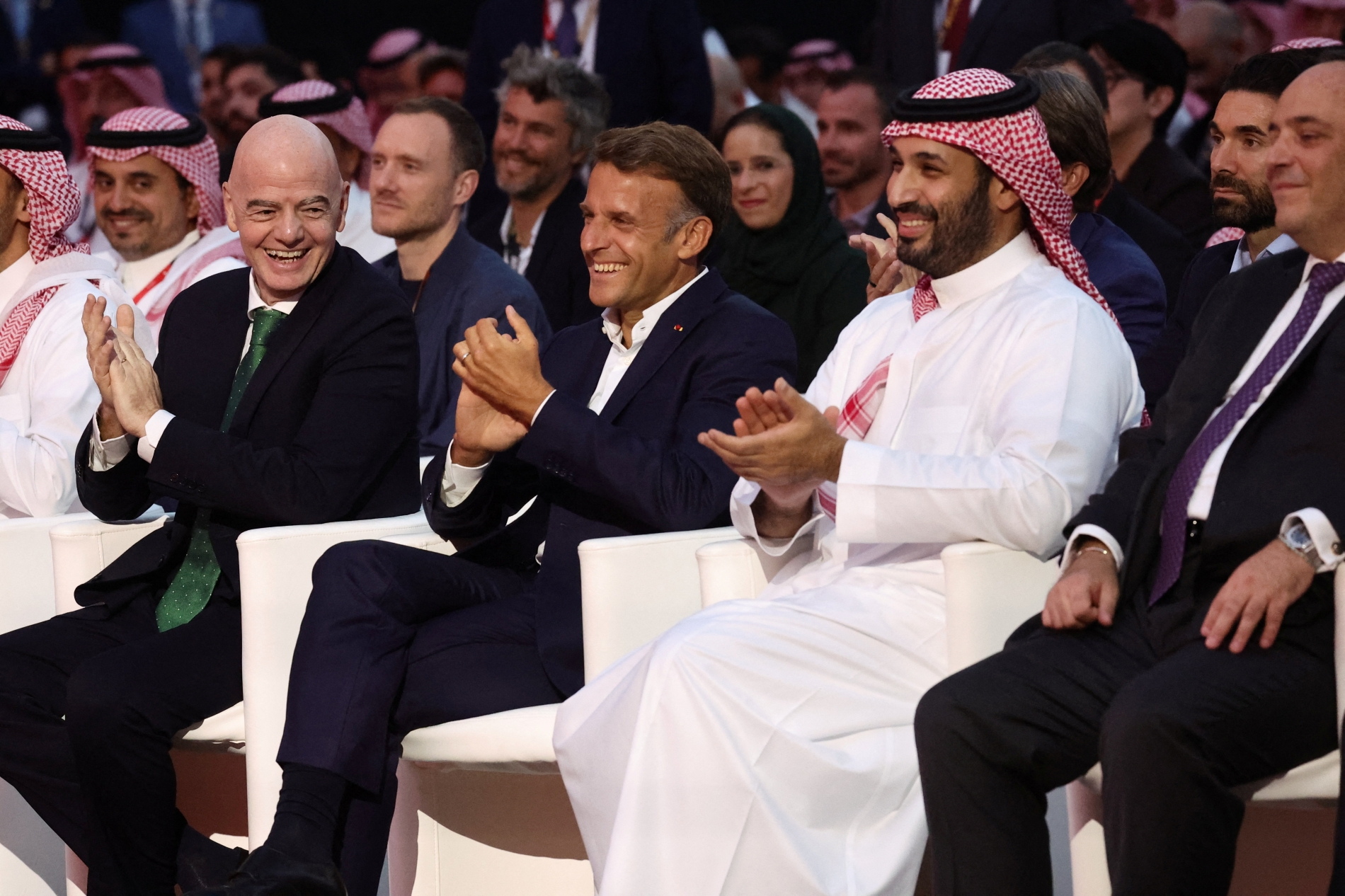
During Saudi Crown Prince Mohammed bin Salman’s visit to France in August, artificial intelligence (AI) emerged as one of the most revealing areas of bilateral cooperation, indicating how Riyadh intends to position itself within the new technology economy.
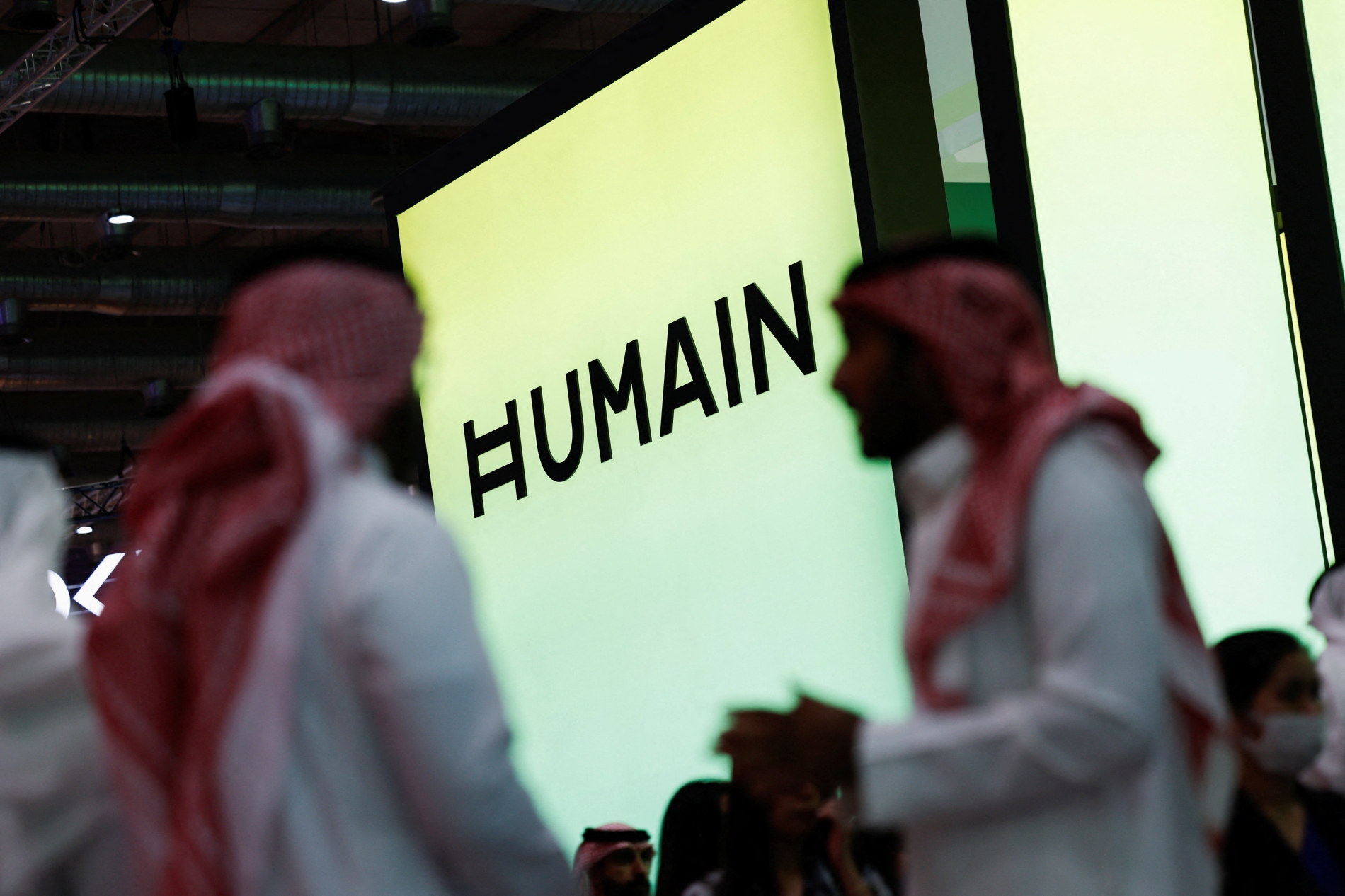
The most significant announcement was a strategic partnership between Saudi AI company HUMAIN and France’s Mistral AI. The agreement covers infrastructure development, the localisation of advanced models, the creation of powerful Arabic-language models, and applications in cybersecurity and voice technologies. Mistral said the deal could reach hundreds of millions of euros and that it will also explore the use of HUMAIN’s data centres to meet its growing computing needs in the Gulf.
The importance of the agreement extends beyond its financial value or any individual projects; it forms part of a broader Saudi strategy to distribute the different components of its AI ecosystem among several partners, rather than depend just on one country or company. It still depends on the US for the most sensitive parts of the chain, such as advanced chips, cloud computing, and infrastructure, but Riyadh can diversify its partners in model development, software, applications, and local deployment. Mistral therefore represents an additional layer within a multi-vector AI ecosystem that Saudi Arabia hopes will avoid any bottlenecks.
Access and ownership
Building a Saudi AI industry for the coming decades means that reliable access to technology matters almost as much as ownership of the technology itself. Advanced chips, large models, and giant datacentres are no longer just commodities governed solely by price and demand, but by national security considerations, export controls, and political alliances. A long-term project that depends on a single country becomes tied to regulatory and political decisions taken abroad. Investment plans take years, whereas sudden policy changes can be completed in days.
The United States provided a clear example of this risk last year, when the outgoing Biden administration announced a new framework governing the exports of advanced chips and AI technologies. It would have imposed ceilings and restrictions on countries’ access to advanced US computing capacity. Just days before they were due to take effect, the new Trump administration scrapped them. Still, it showed Riyadh how quickly the rules governing access to technology can change.
Saudi Arabia is not moving away from the United States. In May 2025, HUMAIN signed big deals with Nvidia, AMD, and Amazon Web Services to expand computing capacity and datacentres in the kingdom, while the Saudi-US tech partnership broadened in November to include semiconductors, infrastructure, applications, and investment. The Saudis need American technology; the Americans need the Saudi market, energy, land, capital, and geographic positioning, all of which make it possible to build data centres serving the region and beyond.
Operational data-centre capacity in Saudi Arabia rose from around 68 megawatts in 2021 to nearly 467 megawatts in the first quarter of 2026. That gives Riyadh a stronger hand in negotiations. Saudi Arabia is no longer simply a buyer of large language models or cloud services; it can offer computing infrastructure, energy, financing, and access to a large regional market. In return, it wants knowledge transfer, localisation, and better access terms for technology.
Customisable models
Mistral’s importance to HUMAIN lies in what it brings beyond investment in chips and data centres. Possessing thousands of graphics processing units (GPUs) does not automatically provide models capable of understanding the needs of the Gulf or working effectively with Saudi Arabia’s internal data. This is where Mistral’s tools are valuable: they help clients build and customise models using their own institutional knowledge.
One example is the Forge platform, which enables models to be trained or adapted using internal data, policies, procedures, and knowledge bases, rather than relying entirely on a general-purpose model trained primarily on large volumes of publicly available information. This capability matters especially in sectors such as energy, banking, telecoms, and government, where requirements differ markedly from those of general consumer AI.
Localisation goes far beyond improving a model’s performance in Arabic. It means building systems that understand local and institutional knowledge and operate within the rules that govern it, rather than sending everything to general external services.