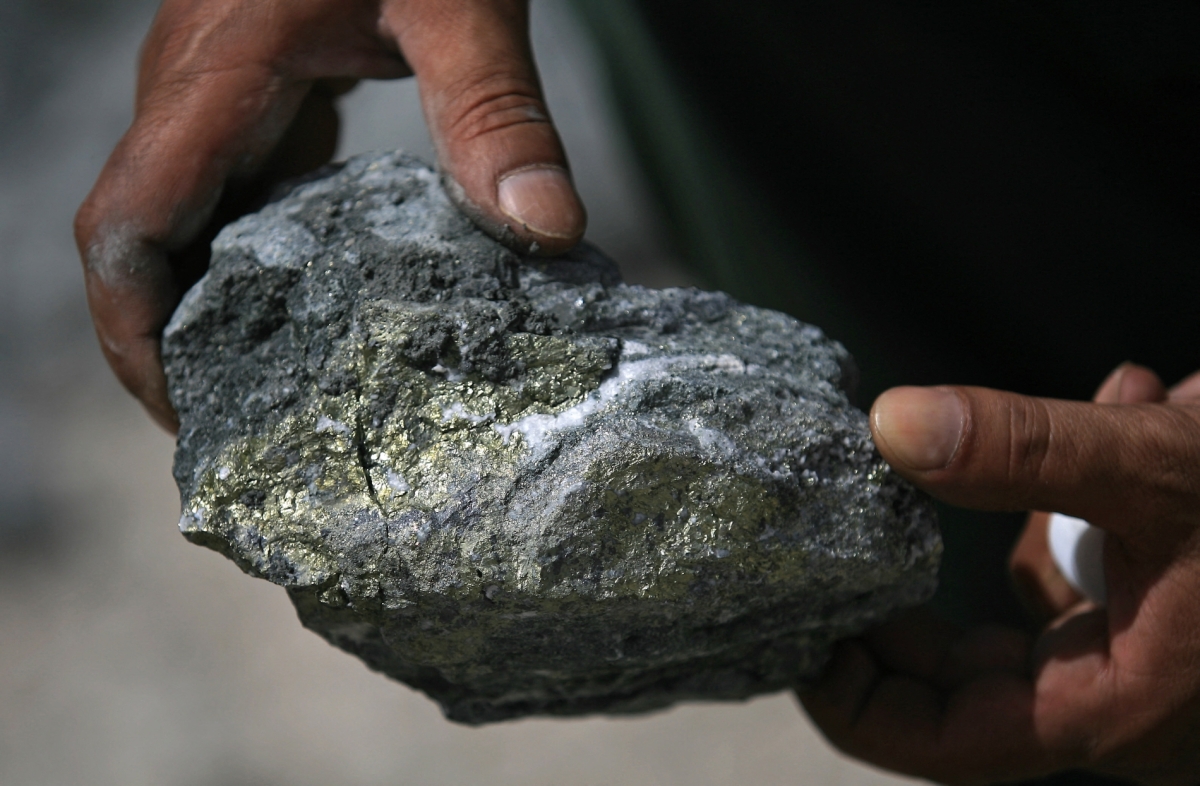

Saudi Arabia has the resources and ambition to build a major minerals industry. Australia has the expertise and resources to help it move further up the value chain, while gaining investment and new markets of its own.
Saudi Arabia is discovering that mineral wealth alone will not be enough to build the mining industry it wants. The country now estimates the value of its mineral resources at $2.5tn, almost double the $1.3tn estimate made in 2016. Its Comprehensive Mining Strategy, launched in 2018, set out to turn that geological potential into an integrated industry. Turning what lies beneath the ground into the materials needed for Saudi Arabia's expanding industrial base will require investment, technology, expertise and processing capacity.
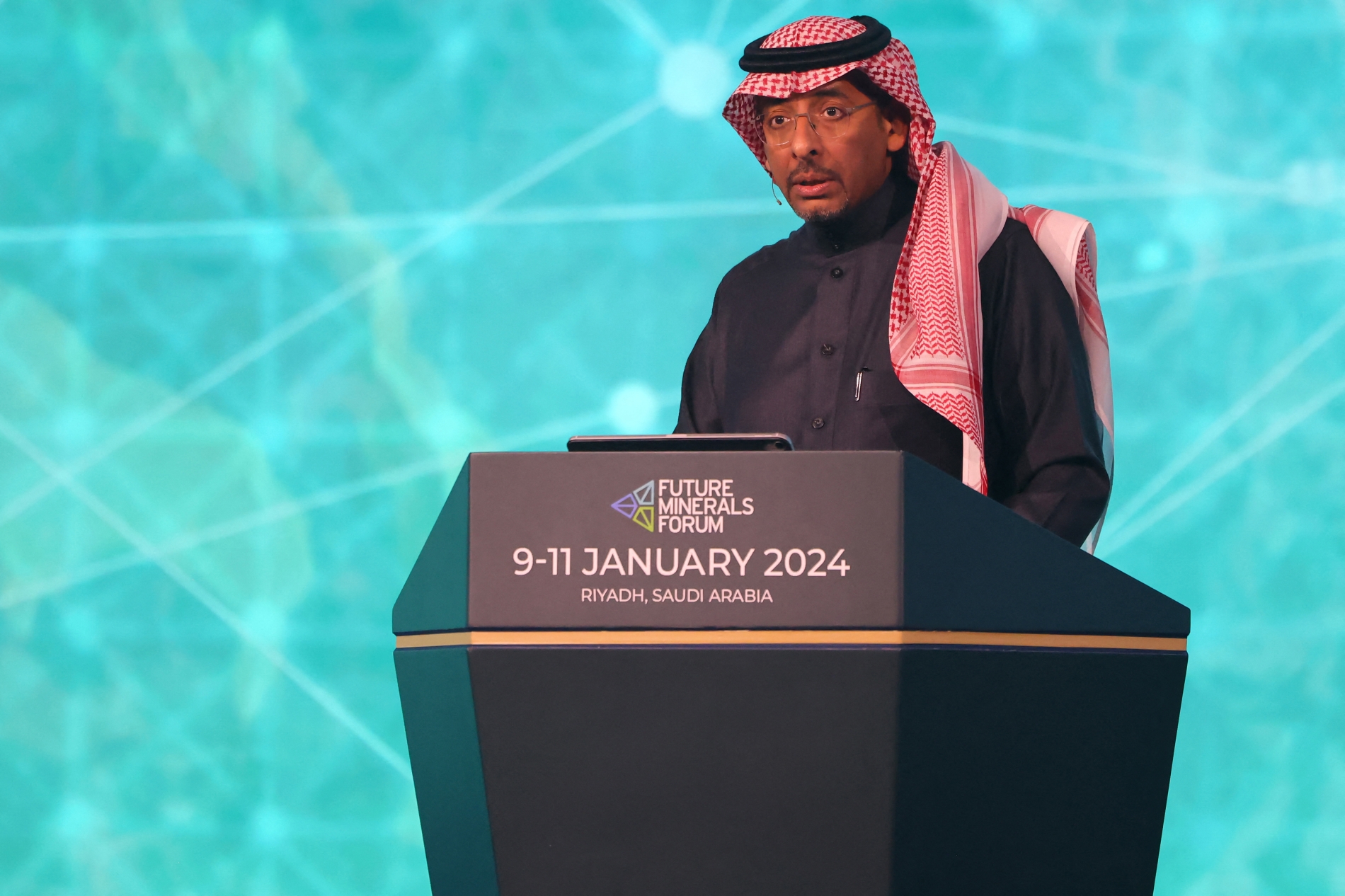
Australia is increasingly positioning itself as a partner in that effort. More than 400 Australian delegates registered for the Future Minerals Forum in Riyadh in January 2026, the country's largest presence at the event to date. Twelve Australian companies exhibited at the national pavilion, while agreements also extended cooperation into mining services, education and skills. The scale of the Australian presence is an indication of how quickly commercial interest in the Saudi mining sector is growing.
This interest coincides with the sector's rapid expansion. Mining is intended to become the third pillar of Saudi industry alongside oil and petrochemicals, with a target of increasing its contribution to GDP to $64bn by 2030. Exploration spending reached SAR1.05bn in 2024, more than double the SAR501mn spent a year earlier and five times the level recorded in 2020. The number of active exploration companies increased from just six to 226 over the same four-year period, while foreign investors now account for around two-thirds of mining investment.
Valuable deposits
Recent discoveries suggest there is plenty to work with. In September, Saudi Energy Minister Prince Abdulaziz bin Salman disclosed an estimated 110 million tonnes of ore containing high concentrations of rare earth elements and promising concentrations of uranium at Jabal Sayid near Medina. That adds to 644 million tonnes identified at two other advanced-stage exploration areas.
However, the more difficult part of the equation begins after extraction. China mined around 60% of the world's magnet rare earths in 2024 but controls roughly 90% of separation, refining and magnet manufacturing. Extraction and separation are expensive and environmentally difficult processes that Beijing has been prepared to undertake at a scale few others have matched. Control of downstream processing can consequently be as important as access to the resource itself.
Saudi Arabia's economic transformation is also creating demand for those processed materials at home. The country is targeting production of 300,000 electric vehicles annually by 2030 and is building industries spanning aerospace, renewable energy, defence and advanced manufacturing. Lithium is moving onto the agenda as part of that expansion. Saudi Arabia successfully extracted lithium from oilfield brine in 2024, while the government has held discussions with US companies Albemarle and Lilac Solutions on extraction technologies and lithium hydroxide conversion for battery production.
The ambition therefore extends well beyond extracting Saudi mineral resources. Riyadh wants to develop more of the value chain at home, connecting mining to the industries that will consume its output.