
Since the US invasion of Iraq in 2003, which led to the fall of Saddam Hussein’s regime, Iraq has undergone a qualitative shift in regional and international balances of power. The two main players in the Iraqi arena are the US and Iran, and both compete for influence.
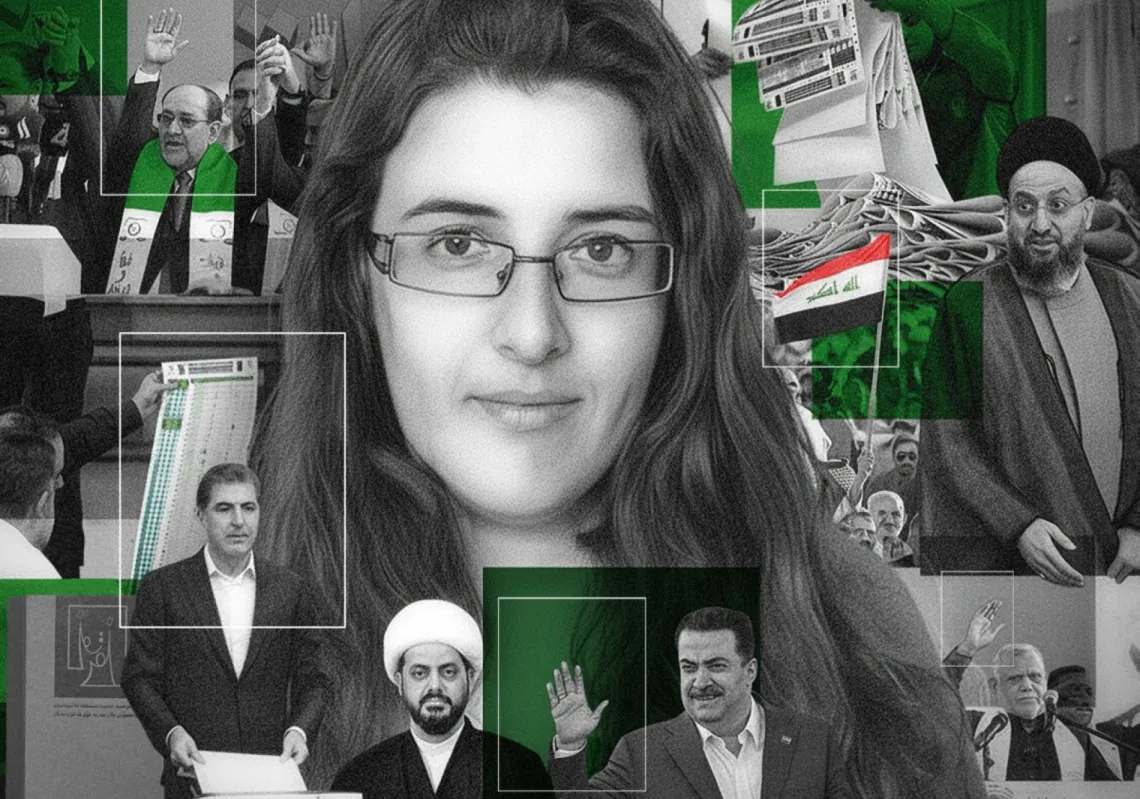
Iran has invested patiently and strategically over the decades, building an interconnected network of influence extending across Iraq’s political and security landscape. It has done so through multiple tracks. The first is political. Iran is linked to more than 12 Iraqi political parties and funds and trains paramilitary groups allied with them. The principal parties aligned with Tehran include the Islamic Dawa Party, the Islamic Supreme Council of Iraq, and the Badr Organisation.
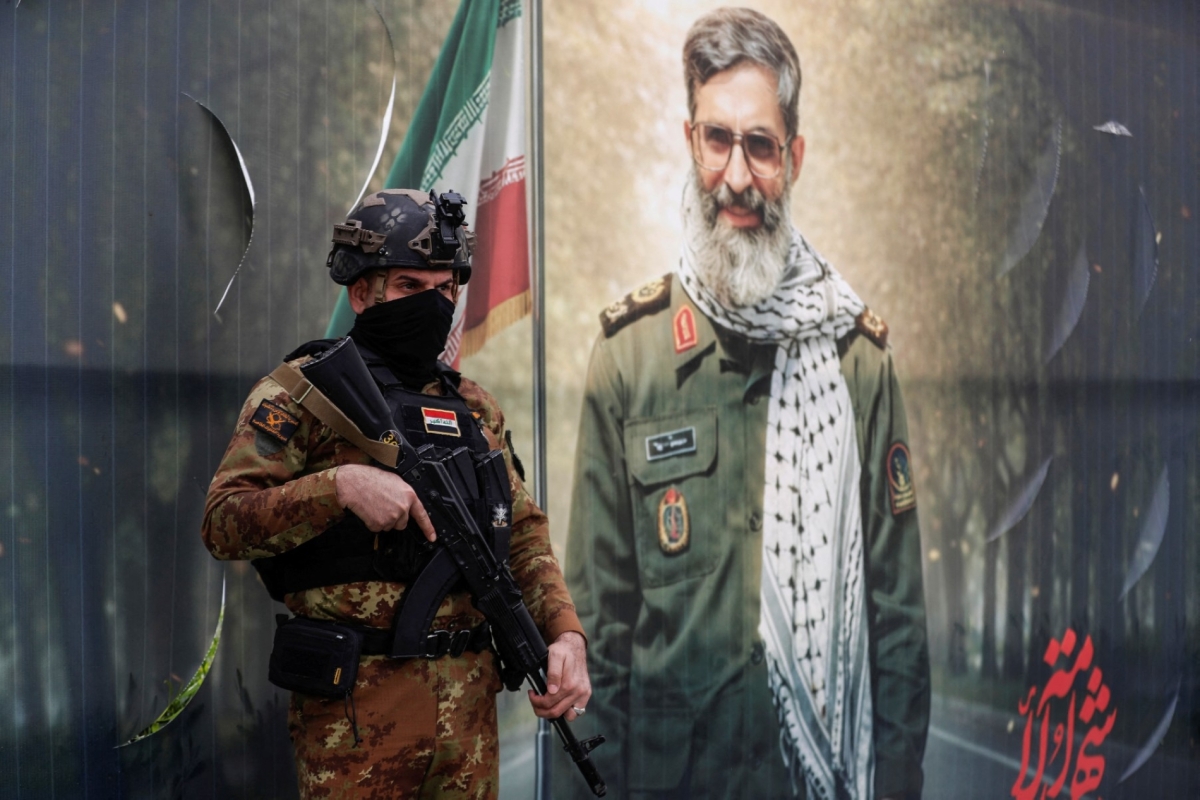
The second track is in Iraq’s security sphere. The Popular Mobilisation Forces (PMF) is a paramilitary force, closely linked to Iran, that was formed in the aftermath of the rise of the Islamic State (IS) in Iraq in 2014 after a fatwa issued by the Shiite religious establishment to combat the terrorist group. Its leadership reveals much about its close ties to Iran.
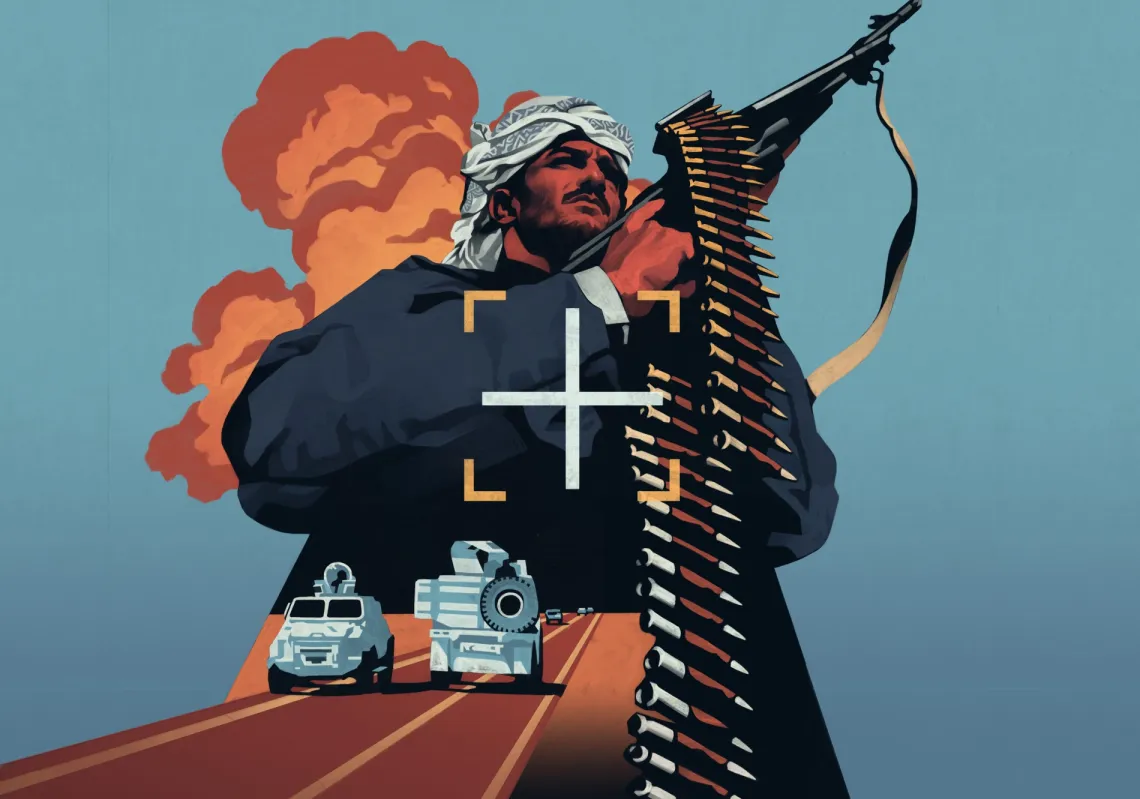
The force was initially headed by Jamal Jaafar Mohammed, known as Abu Mahdi al-Muhandis, who was described as the trusted associate of Quds Force commander Qasem Soleimani. Both men were assassinated by the United States in a targeted strike that then-US President Donald Trump ordered in 2020. Al Muhandis's relationship with Soleimani dated back decades. Iran supplied the PMF with everything from tanks and combat vehicles to rocket launchers and large quantities of small arms.
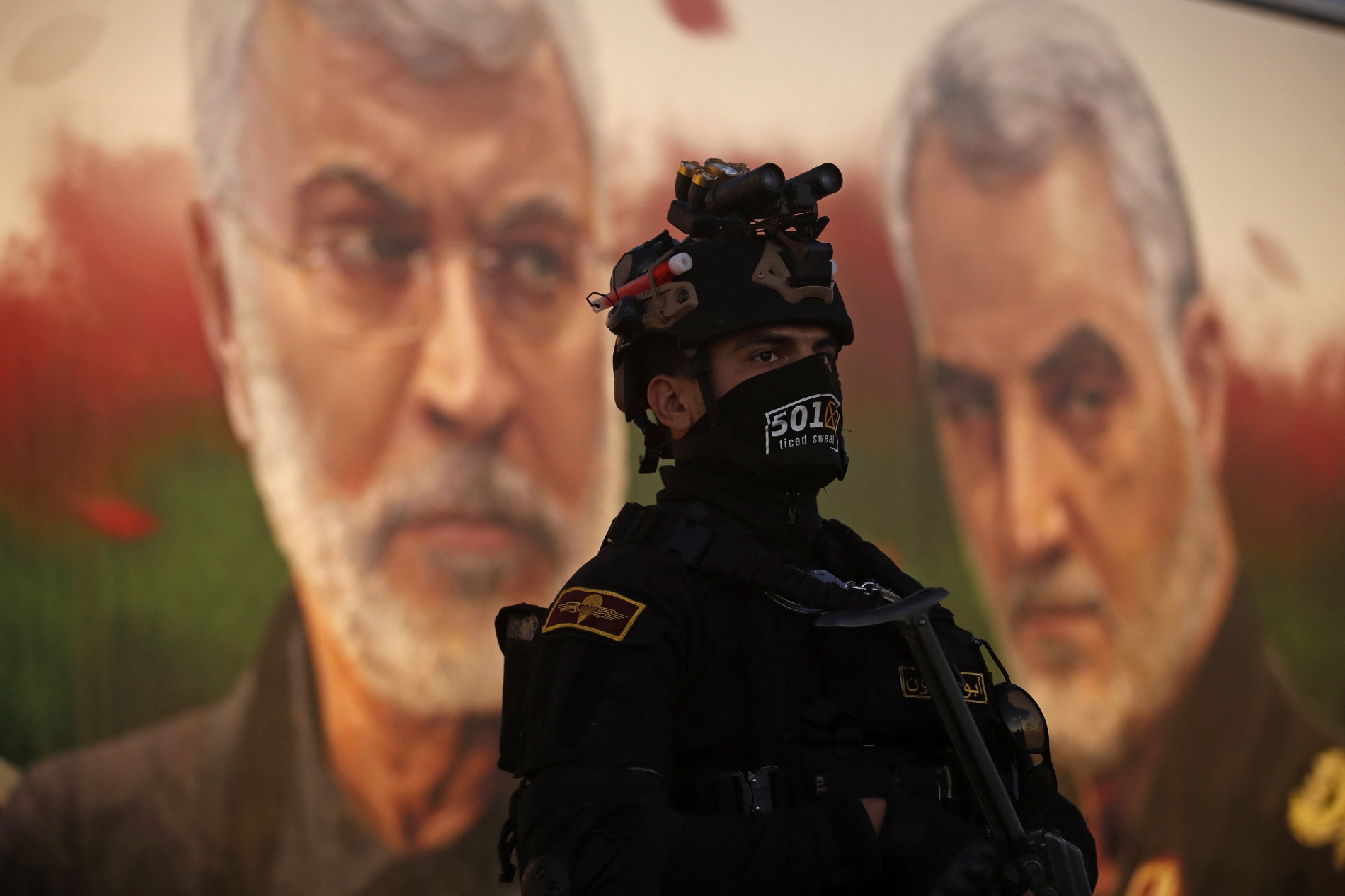
Iran’s successful penetration of state security institutions later led to a government decision to merge the PMF with Iraq’s national army. This helped such Iran-linked groups circumvent US sanctions. Prime Minister Ali Al Zaidi’s 2026 appointment of Lieutenant General Zaid Hawshi Al Musawi as a security official in the Counter Terrorism Service and later as its director is a clear example of this influence. Al Musawi comes from a long line of family members closely associated with Iran’s Islamic Revolution. For his part, Faiq Zidan, the president of Iraq’s Supreme Judicial Council, is also viewed unfavourably in Washington due to his close ties to Iran.
Economically, Tehran often floods Iraq’s market with leftover Iranian products—especially those that are difficult to sell in Iran because of their poor quality. Iraq is Iran’s largest market for non-oil exports, so much so that companies linked to Iran’s Islamic Revolutionary Guard Corps (the IRGC) have become part of Iraq’s economic fabric.