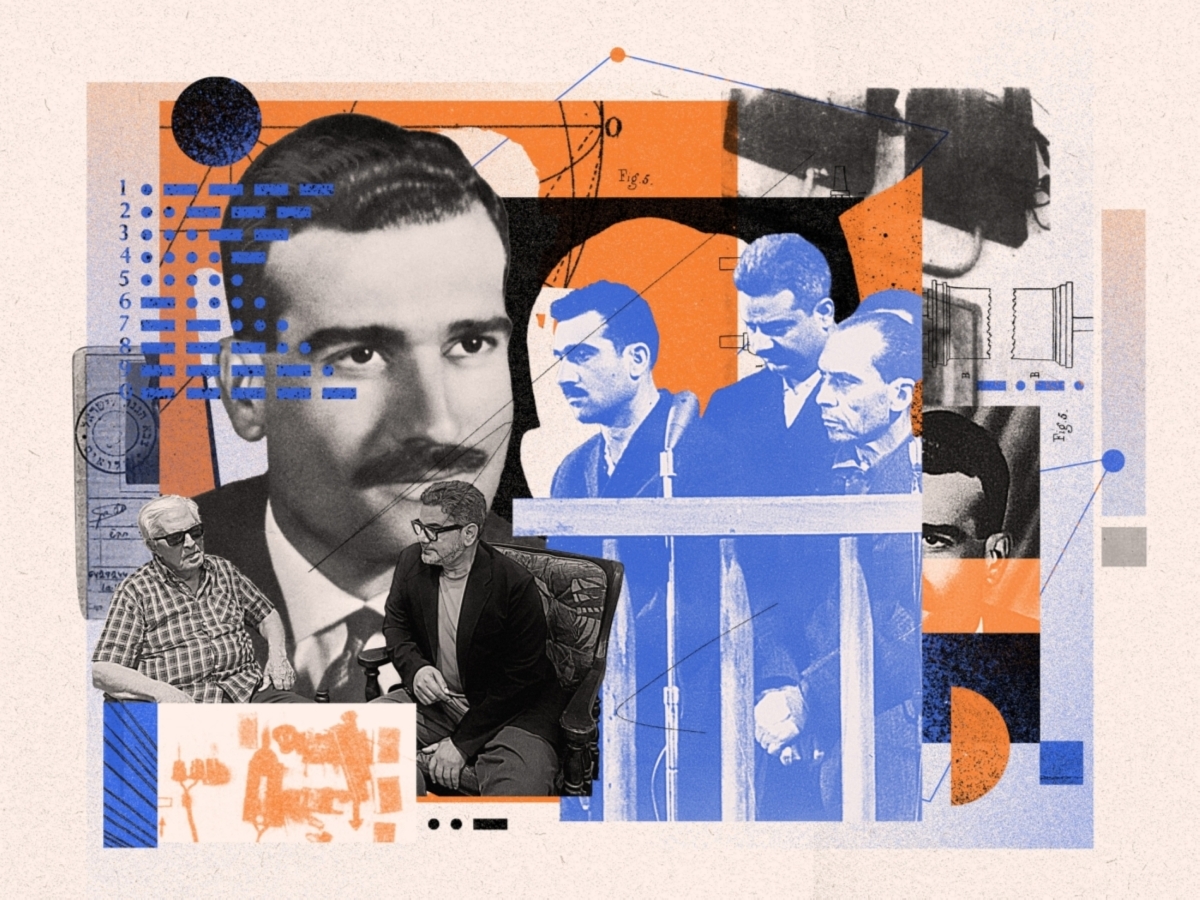

Some stories do not end when they are published; they remain open, and years later they return to you, or you return to them. You discover that what you thought you knew then was only part of a much bigger story. The story of Israeli spy Eli Cohen in Syria is one such example.
In March 2004, I interviewed Maj. Gen. Salah al-Dalli, who headed the special court that tried Cohen and sentenced him to death in Damascus in 1965. I was a correspondent in the Syrian capital at the time and wanted to hear from the man who had read Cohen’s file, sat across from him in court, questioned him, and witnessed his final hours before he was hanged in the city’s central Marjeh Square.
Al-Dalli recalled Cohen differently from the image Israel created of him, that of a spy at the heart of the Syrian state, close to senior officials and privy to military secrets that would alter Israeli war calculations. Al-Dalli offered a far less dramatic picture. “The information he obtained was of no value because he could not ask worthwhile questions without exposing himself,” he told me. “He would hear ordinary conversations.”
Although al-Dalli did not deny that Cohen had built a network of relationships and sent information to Israel, he rejected the idea of Cohen as a ‘superman’ who penetrated the regime’s top echelons. He said one significant piece of information Cohen did transmit was the resignation of Maj. Gen. Muhammad Umran, a pillar of the regime, before it became known, but he dismissed claims that Cohen was close to Syrian President Amin al Hafiz or Baathist leaders Michel Aflaq and Salah al Din al Bitar, describing this as “the invention of Israeli intelligence”.
Historical errors
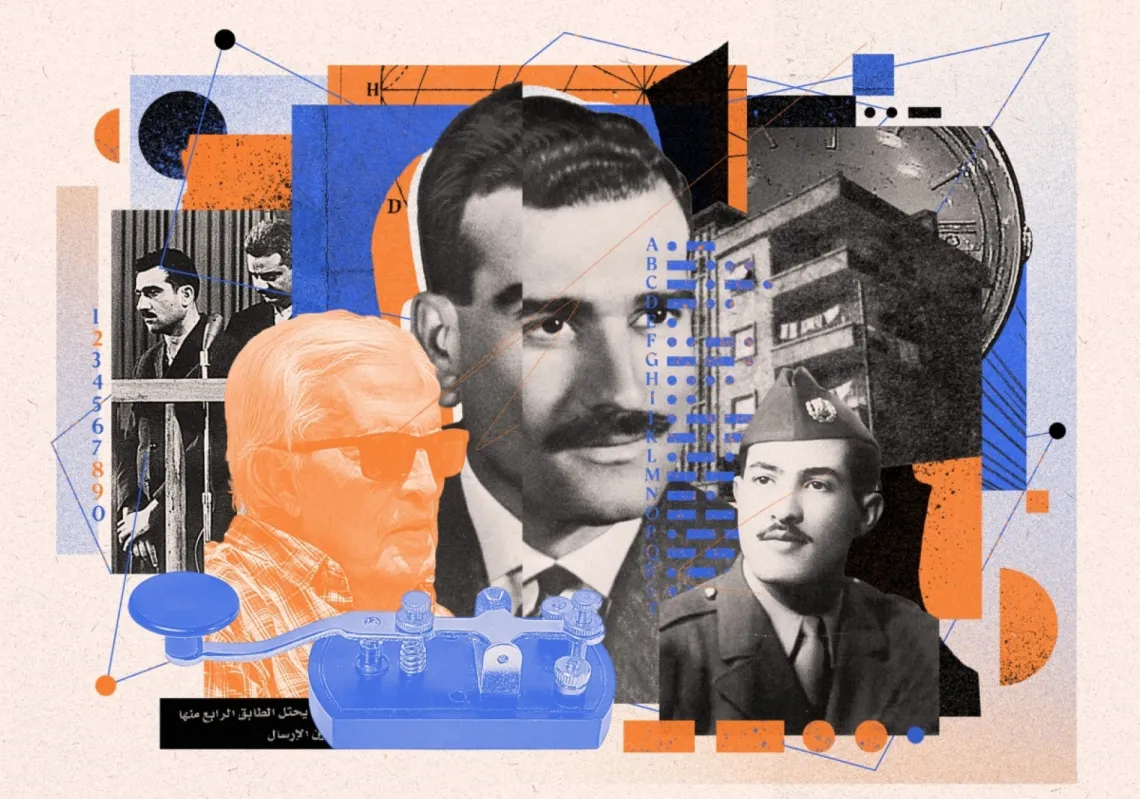
Cohen’s death by hanging four months after his arrest in 1965 did not end the story. The location of his body was a mystery. Al-Dalli said Cohen was initially buried “in a cave on the road to Dimas near Damascus”, before his remains were moved. Israel’s search for his body became another chapter of the story. Years passed. In 2018, in a special covert operation, Israel’s spy agency Mossad retrieved Cohen’s wristwatch, which then went on display at the agency’s headquarters before being returned to his widow.
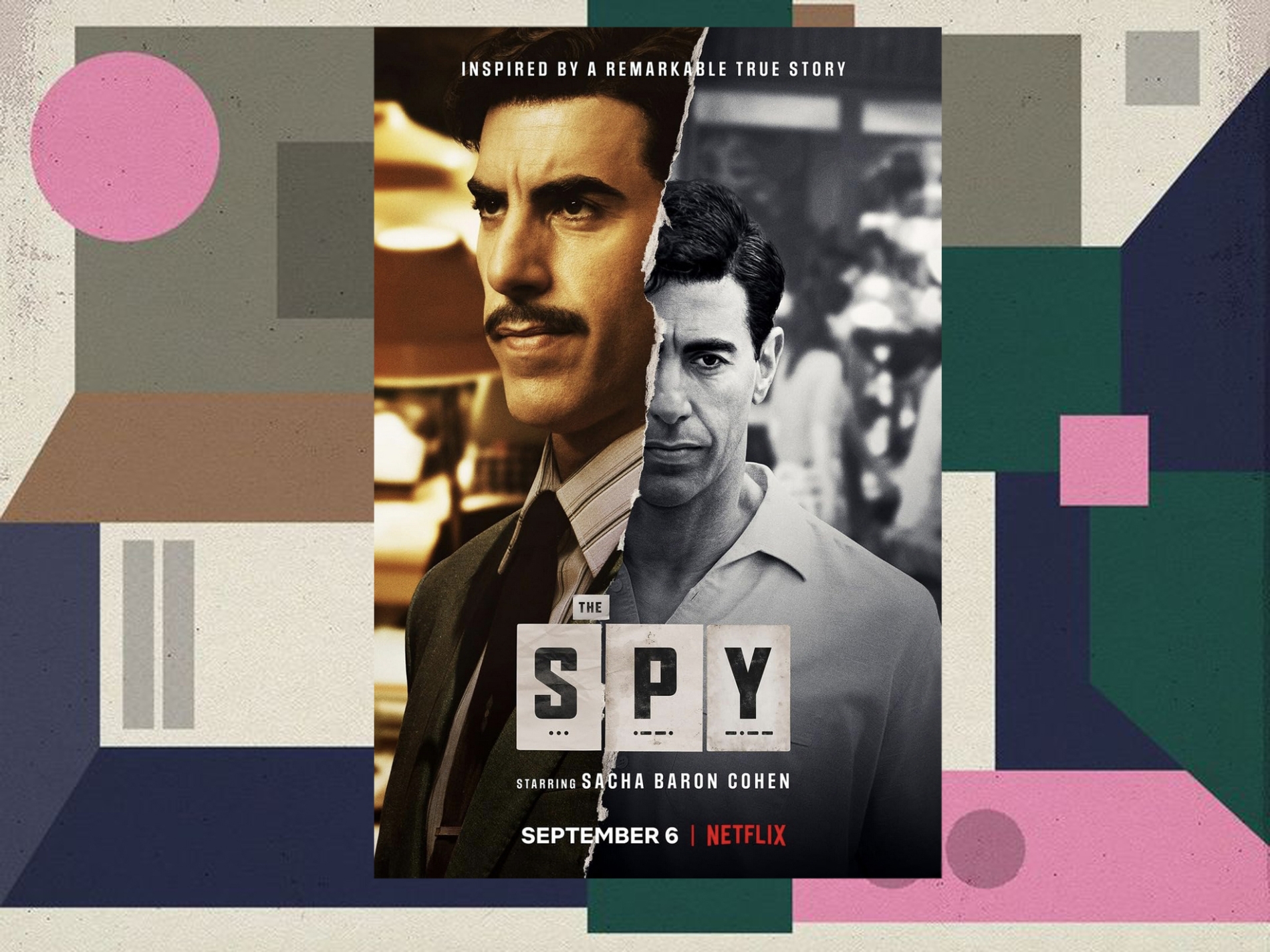
In 2019, Netflix brought Cohen back to life in the TV series The Spy. By then, I was in exile in London, following the outbreak of the Syrian revolution in 2011. I watched all six episodes in the British capital. It was difficult to watch simply as a drama. In our sister publication Asharq Al-Awsat, I wrote about “ten historical errors” in the series. I did not dispute a dramatic production’s right to use fiction; the problem lay in the distance between drama and history, and in the fact that some scenes remembered by millions never happened.
The series portrayed Cohen as close to the centre of Syrian power, moving among senior officials and forging relationships with leaders within the regime rather than on its margins. The facts were more complicated. For instance, Amin al-Hafiz was not in Buenos Aires during the period the series set for the beginning of their relationship; Cohen was not a friend of Michel Aflaq; and Cohen’s links to the Zahreddine family were not through Maj. Gen. Abdul Karim Zahreddine, as the series suggested, but through his relative, reserve officer Muazzaz Zahreddine.
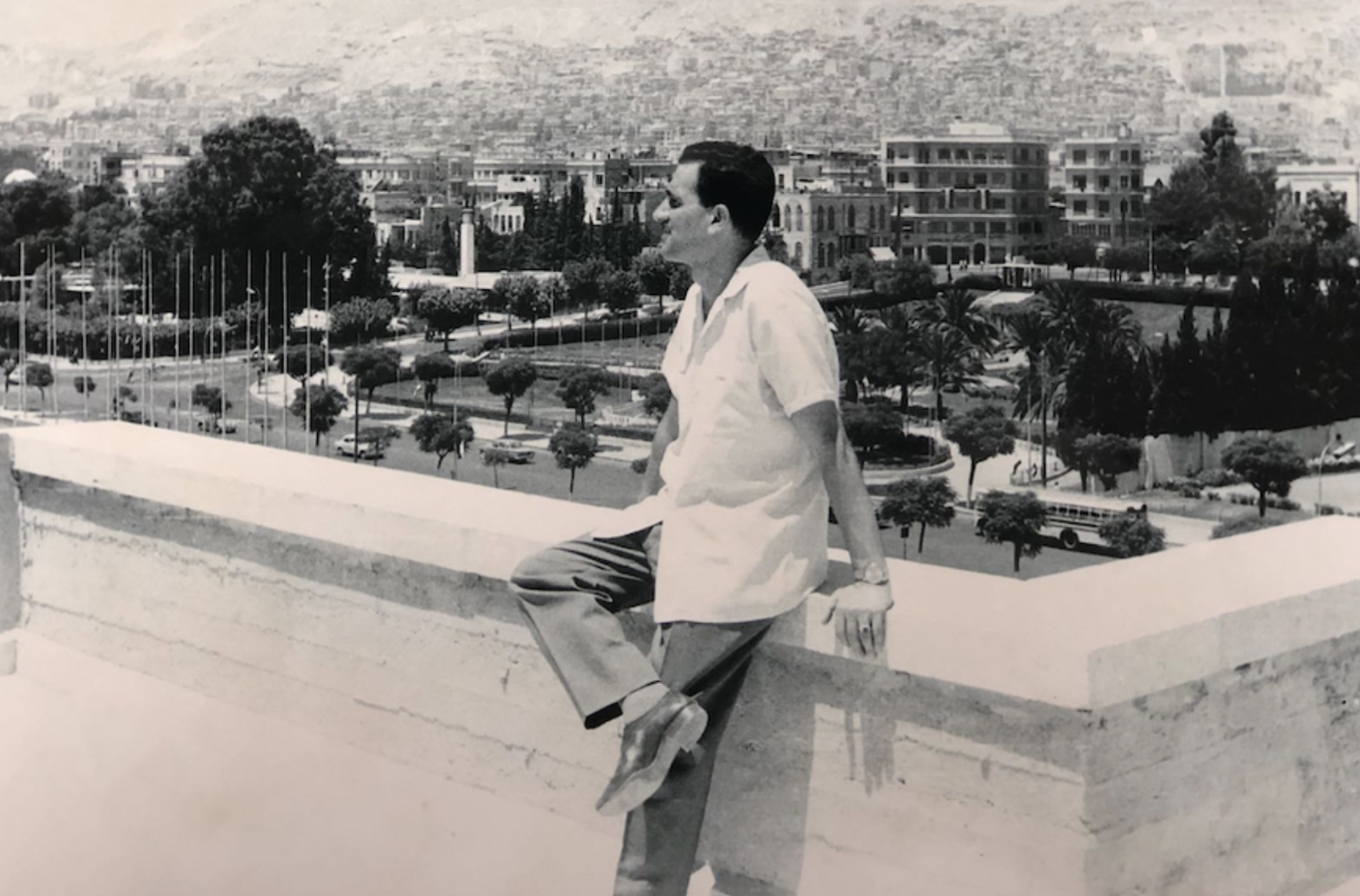
Some of the official positions the series portrayed as part of its plot did not exist within the structure of the Syrian state at the time. Even the Damascus it depicted was not the Damascus I knew. Abu Rummaneh, the streets, the houses, the distances between Cohen’s home and government institutions and embassies. This was a dramatic Damascus created for the screen.
Unanswered questions
The most important questions for me remained unanswered. How did Eli Cohen get outed? Who exposed him? Some say Soviet equipment helped the Syrians locate the source of his radio transmissions. Others say interference prompted a search for a transmitter operating abnormally in the heart of Damascus. One account speaks of an Egyptian role. Another credits Maj. Gen. Ahmed Suwaydani, the former head of Syrian military intelligence who later became Syria’s army chief. As the years passed, witnesses died, and the legend grew, but the page did not close, and the question remained: who brought down the Israeli spy?
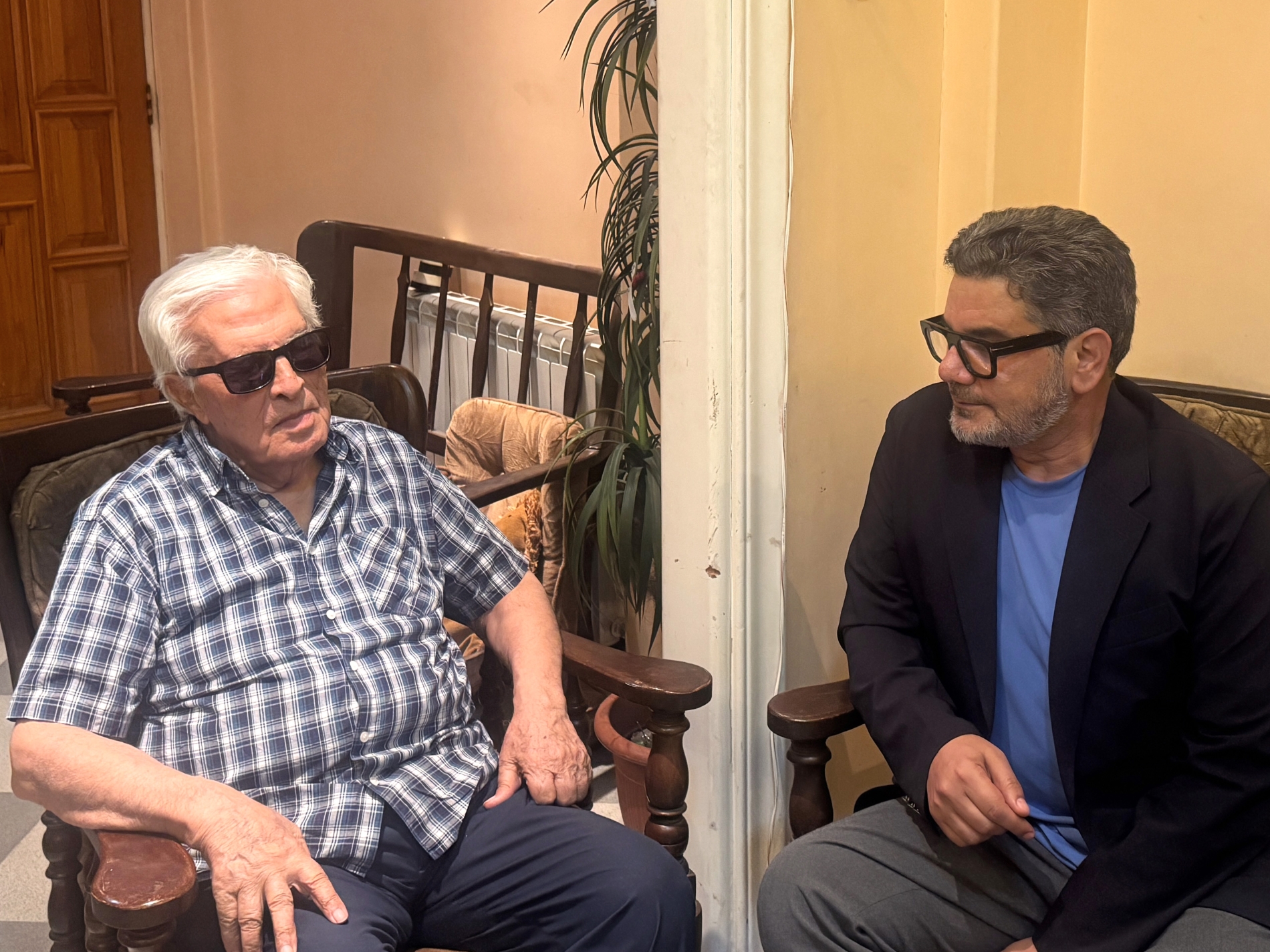
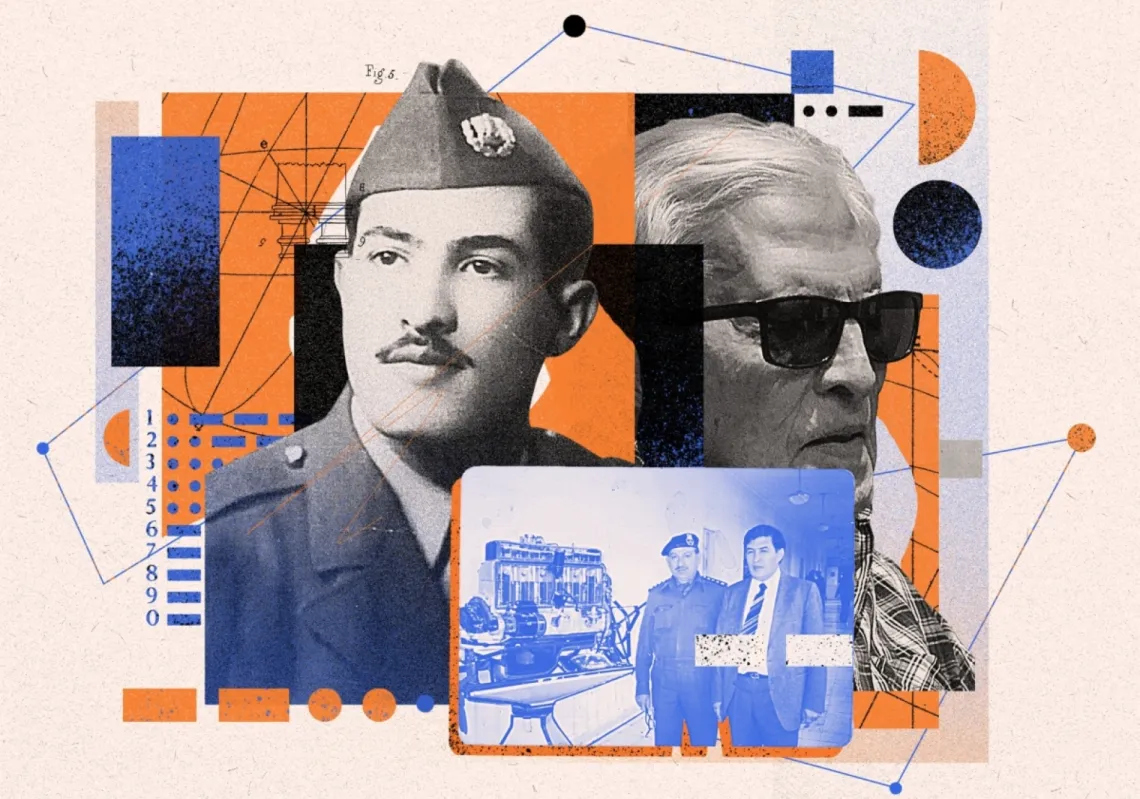
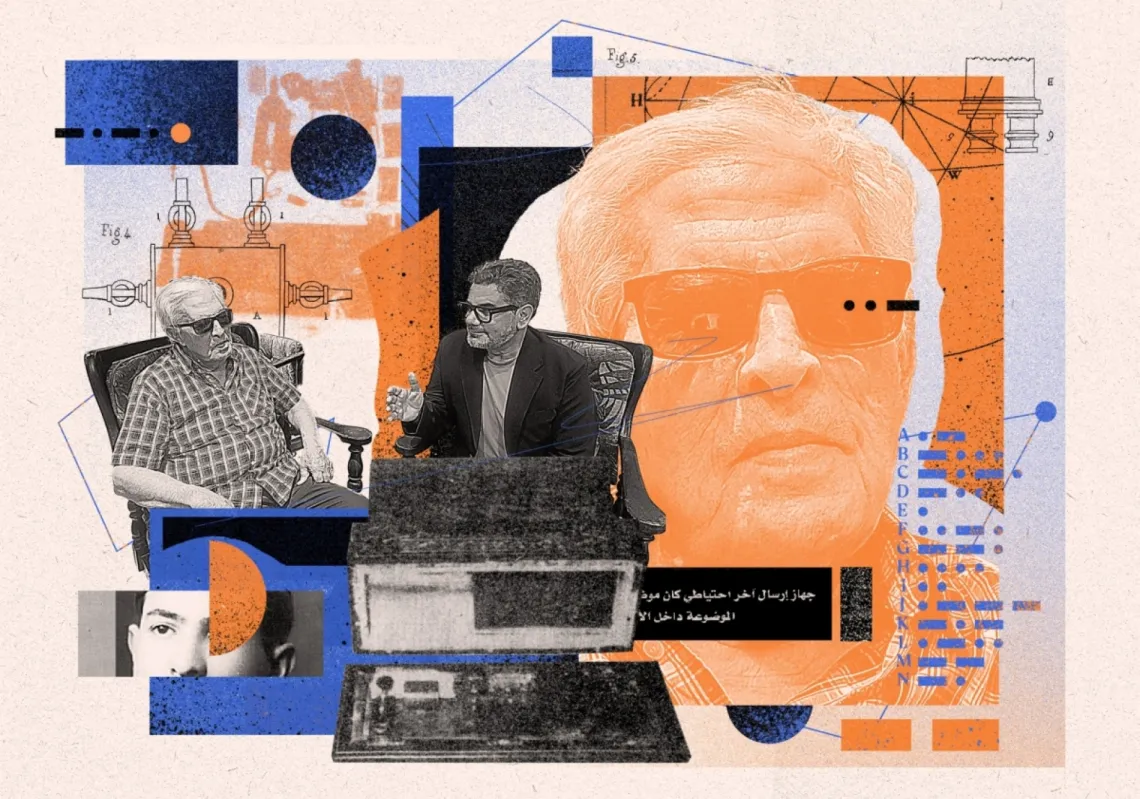
While visiting Damascus last July, I received information I initially found hard to believe: Said Jawish was still alive. Said Jawish headed the Syrian military unit that ran the operation that ended with Eli Cohen being outed and arrested. Said Jawish was still alive? Were they sure? Yes. More than 60 years after Cohen’s execution, not only was the man who caught him still alive, but he was in relatively good health and living in Damascus.