The twin transitions of luxury goods boss Bernard Arnault

From cognac to Christian Dior, the 77-year-old French LVMH owner has built an empire. With the mercurial magnate seemingly more interested in maths, which of his children will take over?

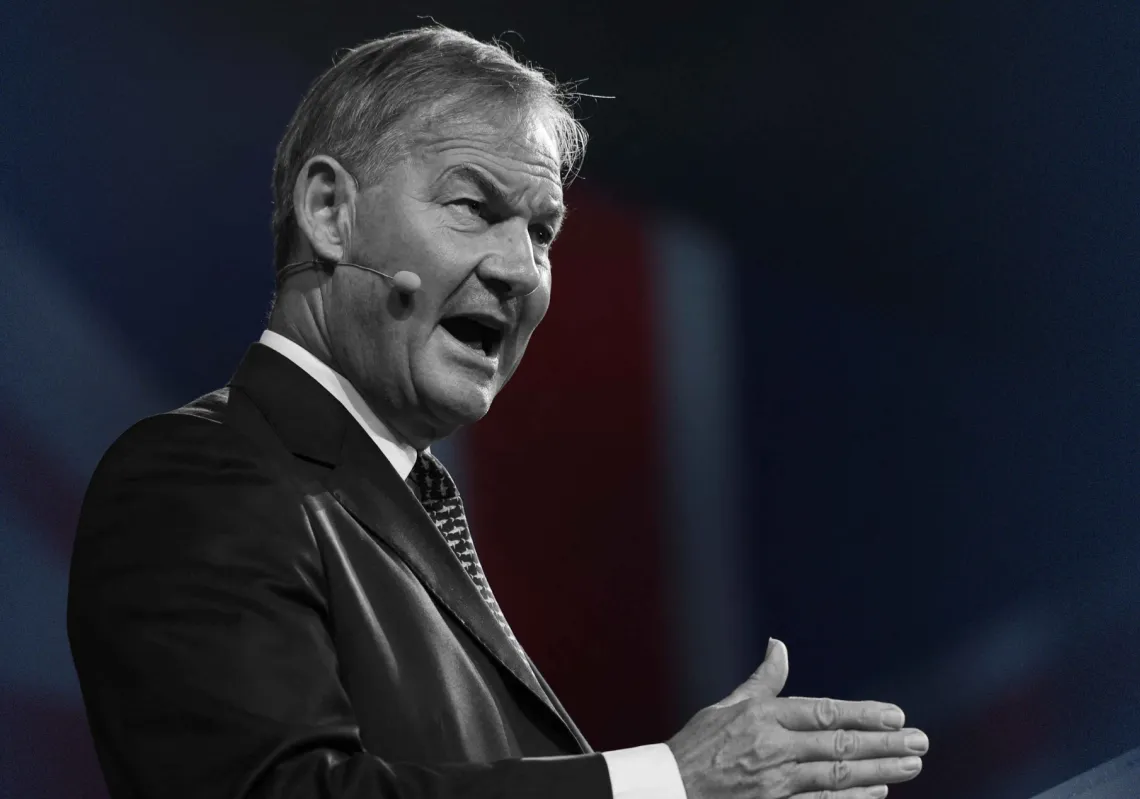
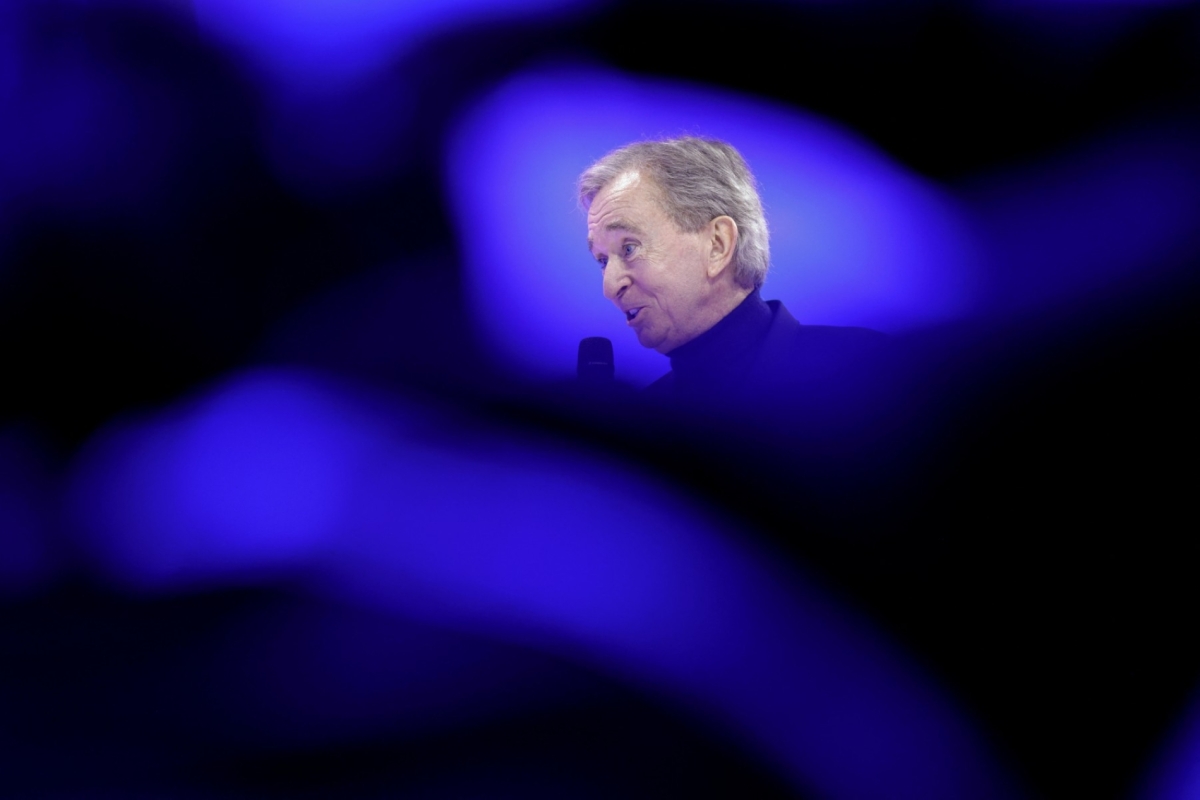
LVMH CEO French Bernard Arnault speaks during the LVMH Innovation Awards in Paris, on 23 May 2024.
GEOFFROY VAN DER HASSELT / AFP
LVMH CEO French Bernard Arnault speaks during the LVMH Innovation Awards in Paris, on 23 May 2024.

The twin transitions of luxury goods boss Bernard Arnault

On the evening of 24 September, French luxury goods magnate Bernard Arnault took a seat at one of the world’s most influential tables, alongside US President Donald Trump, Chinese President Xi Jinping, and the leaders of the technology world, including Elon Musk, Jensen Huang, Sam Altman, Tim Cook, Mark Zuckerberg, Jeff Bezos, Sergey Brin, and Sundar Pichai.

Arnault, whose name has become synonymous with opulence and prestigious brands, was exchanging ideas and conversation with the world’s most powerful people. In terms of wealth, he was no anomaly: there are only ten richer people in the world. Still, his presence was striking, as was the fact that he needed no introduction. For more than four decades, he has transformed brands such as Louis Vuitton and Dior into global assets, while most of his dining companions built their fortunes from the digital world.

He was not born into the world of luxury goods and fashion. In fact, he graduated as an engineer from France’s École Polytechnique, then joined his family’s construction company, Ferret-Savinel, in 1971. Within three years, he was construction director. Three years later, he became managing director. In 1978, he became chairman and chief executive. The man best known for champagne and handbags cut his teeth in construction.

From property to luxury

In 1981, Arnault moved to the United States, where he stayed in property development. He returned to France in 1984 to reorganise Financière Agache, the French investment holding company. It is from here that he moved from property into luxury brands, with Christian Dior becoming the cornerstone of the empire he would build after he and several other investors bought Boussac, which owned the famous fashion house.

Arnault quickly restructured it, selling most of its industrial assets but retaining Dior and the Le Bon Marché department store. He felt that luxury brands were the most valuable assets in the company, so he began building a different model: a group that did not absorb its brands into a single entity but rather allowed each one to retain its own identity and heritage while using the backing of a vast conglomerate in terms of capital, expertise, and distribution networks.
Stefano Rellandini / AFP
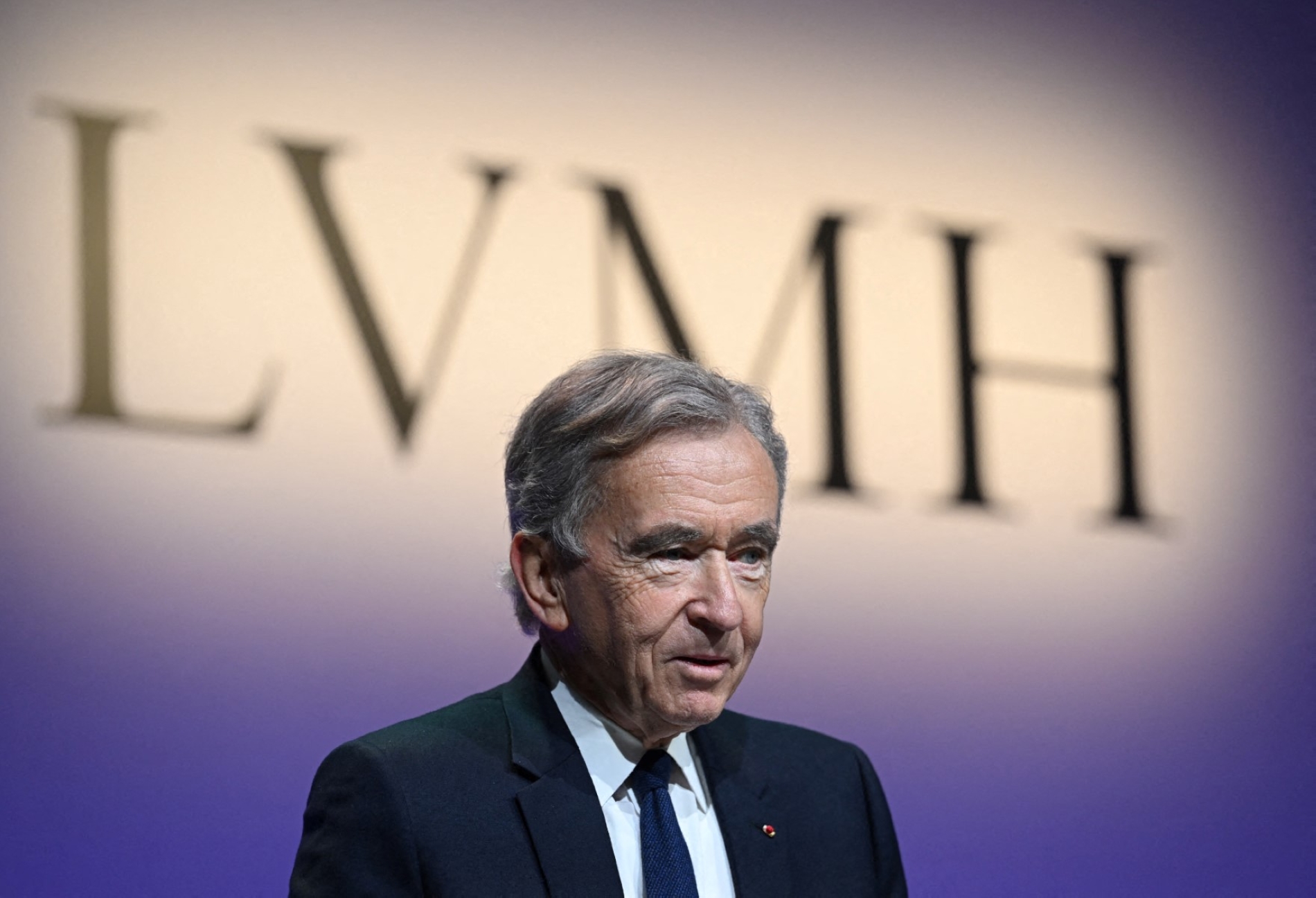
LVMH head Bernard Arnault announces the group's 2022 results at the LVMH headquarters in Paris on 26 January 2023.

This was the bedrock of LVMH, formed in 1987 through the merger of Louis Vuitton (a fashion house) and Moët Hennessy (a wines and spirits division which was itself formed by a merger of champagne producer Moët & Chandon and cognac maker Hennessy). Today, alongside the brands already mentioned, the group’s portfolio includes names that have come to define the world of luxury, including Fendi, Celine, and Loewe in fashion; Tiffany & Co., Bulgari and TAG Heuer in watches and jewellery; Dom Pérignon in wines and spirits; and Guerlain in perfumes and cosmetics, alongside Sephora (beauty), Belmond (hotels), and others.

By the end of 2025, this ecosystem comprised 75 ‘houses,’ generated more than €80bn in revenue, and employed 211,000 people worldwide, with 6,280 stores. Arnault has been at the helm since 1989, acquiring brands and building their value into an empire that bears his imprint. But age catches up to us all, and it will soon be time to pass the baton to the next generation. Can this be done without losing the winning formula?

No easy handover

Identifying Arnault’s successor is becoming increasingly important. He has five children, all of whom hold positions within the group, yet he has not named an heir. Earlier this year, his son Antoine Arnault joined the executive committee, while his sister, Delphine, leads Christian Dior Couture. Alexandre and Frédéric sit on the board of directors, while Jean holds roles in the watches division.
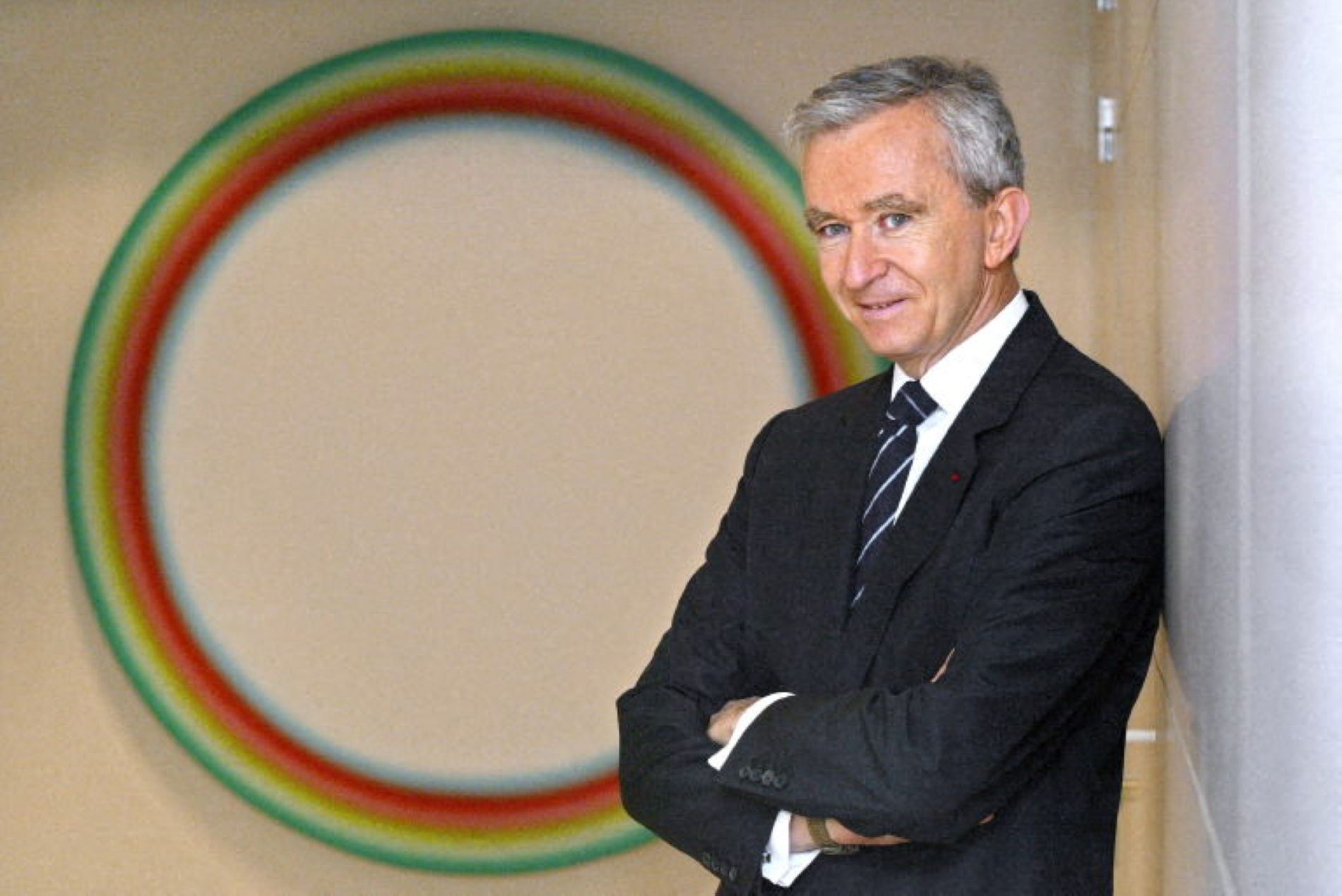
Arnault built a group that did not absorb its brands into a single entity but rather allowed each one to retain its own identity and heritage

While the empire's handover is no straightforward matter, the absence of a publicly announced succession plan is now raising concerns among some investors, particularly as Arnault, 77, continues to serve as both chairman and chief executive. LVMH has said that this structure is appropriate given the group's family ownership and decentralised organisation. Last year, the maximum age to serve as chairman and chief executive rose to 85, giving Arnault more time before any leadership transition.

Arnault rejects the portrayal of the succession as a rivalry among his children. After reports of competition within the family, he denied any discord. He also downplays his power, recently saying: "I am not the last king of France." Still, succession has clearly been on his mind. In 2022, he restructured the family's ownership arrangements, transforming Agache (his family company) into a joint-stock company owned equally by his five children, decisions requiring the approval of at least three of them. By mid-2026, it owned 50.21% of LVMH's shares and controlled 66.39% of its voting rights.

Perhaps this is where the paradox lies. Arnault did not build LVMH simply as a family business; he also turned it into a global ecosystem. The most difficult part of succession, therefore, is transferring Arnault's approach to managing the empire without leaving it dependent on him personally. His children's challenge will be to preserve the model that has allowed names such as Dior, Tiffany & Co. and Bulgari to operate under one umbrella without losing their individual identities.

Dimitar DILKOFF / AFP
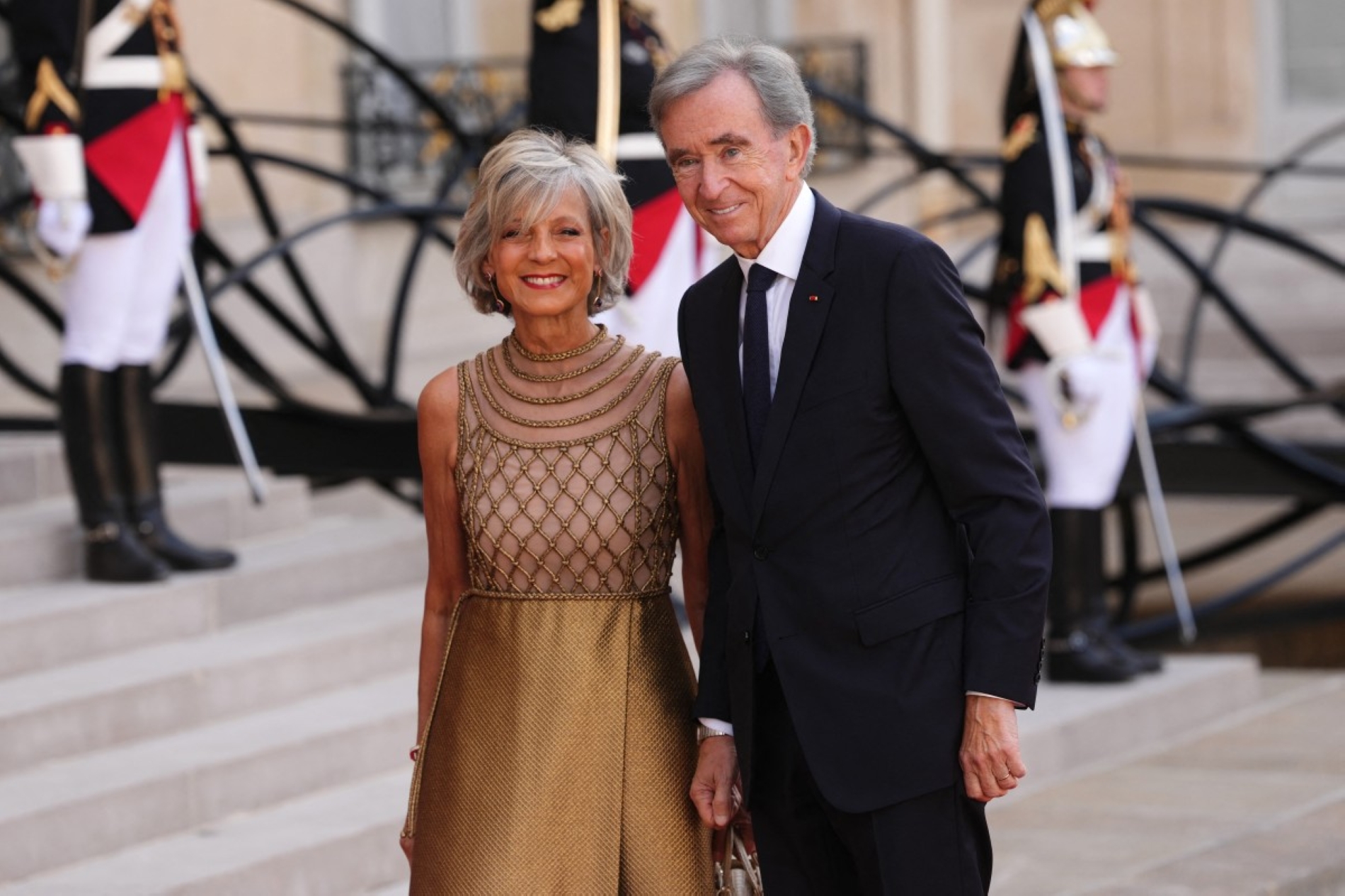
LVMH chairman and CEO Bernard Arnault and his wife, French-Canadian pianist Helene Mercier-Arnault, arrive at the Élysée Presidential Palace in Paris on 29 June 2026.

Economy in transition

According to the latest available update from the Bloomberg Billionaires Index, Bernard Arnault and his family have a fortune of around $140bn, placing him 11th globally at the time of writing. Yet today's economic landscape is very different from the one in which he rose to the top, as tech/AI entrepreneurs accumulate vast wealth.

This does not mean that the LVMH empire has lost its weight. The group recorded revenue of €38.6bn in the first half of 2026, with organic growth accelerating to 3% in the second quarter. Yet the figures also show that profits in fashion and leather goods (the group's largest division) were down last year, while other businesses, including selective retailing and watches and jewellery, improved.

The empire Arnault built around brands, scarcity, heritage, and the ability to command a premium for status now faces an economy focused on technology. Once Europe's largest company by market capitalisation, LVMH has dropped out of the continent's top ten, amid pressure on luxury stocks, slowing demand, challenges in key markets, and a shift in investor appetite. If market capitalisation reflects investors' expectations of a company's capacity to generate future growth, LVMH's fall underscores how the position luxury brands hold in financial markets can no longer be taken for granted.

Ironically, Arnault is no stranger to the world of technology that has usurped his crown. In 1999, his family office spent $30mn to buy 20% of Netflix, back when it was still sending DVDs through the post. Arnault gradually sold his stake before the company began its meteoric rise, but now says he "sold far too early" as the stock "increased tenfold" since his exit. Had he retained his 20%, it would now be worth $60bn, according to Business Insider.

Something similar happened with Google. Arnault received a large quantity of shares in the company after an American fund in which he had invested was liquidated during the dot-com bubble, when the shares were trading at around $2-3. He later sold them for a healthy profit, before Google became one of the world's largest companies. "We didn't know Google at the time," he later reflected.

MARTIN BUREAU / AFP
Bernard Arnault, chairman of the luxury conglomerate LVMH, poses on 21 January 2004 in Paris.

It's a numbers game

The two episodes reveal that, in technology, people could recognise value early, but not necessarily have the patience to wait for its full potential to emerge. In luxury goods, by contrast, Arnault built his success primarily on long-term investment in brands and the preservation of their heritage over decades. In his family's philanthropy, he has funded the creativity of the future, particularly in mathematical research.

In 2026, through Agache, he pledged €50mn to establish an institute for mathematics and fundamental sciences at his alma mater, École Polytechnique, from which he graduated in 1969. The institute is expected to bring together around 400 researchers, professors, and doctoral students on the school's campus, hopefully by 2030. "Whoever masters mathematics will master the affairs of the world in the future," he said, linking his support to three key principles: excellence, sovereignty, and creativity.

The man who spent decades acquiring luxury houses and reviving their brands now appears increasingly interested in what comes after 'the age of brands'. He may feel that the value behind the great fortunes of the future will not come from what can be held and consumed, but from the intelligence behind the technology. Given his record of backing winners, few would bet against him.

font change