
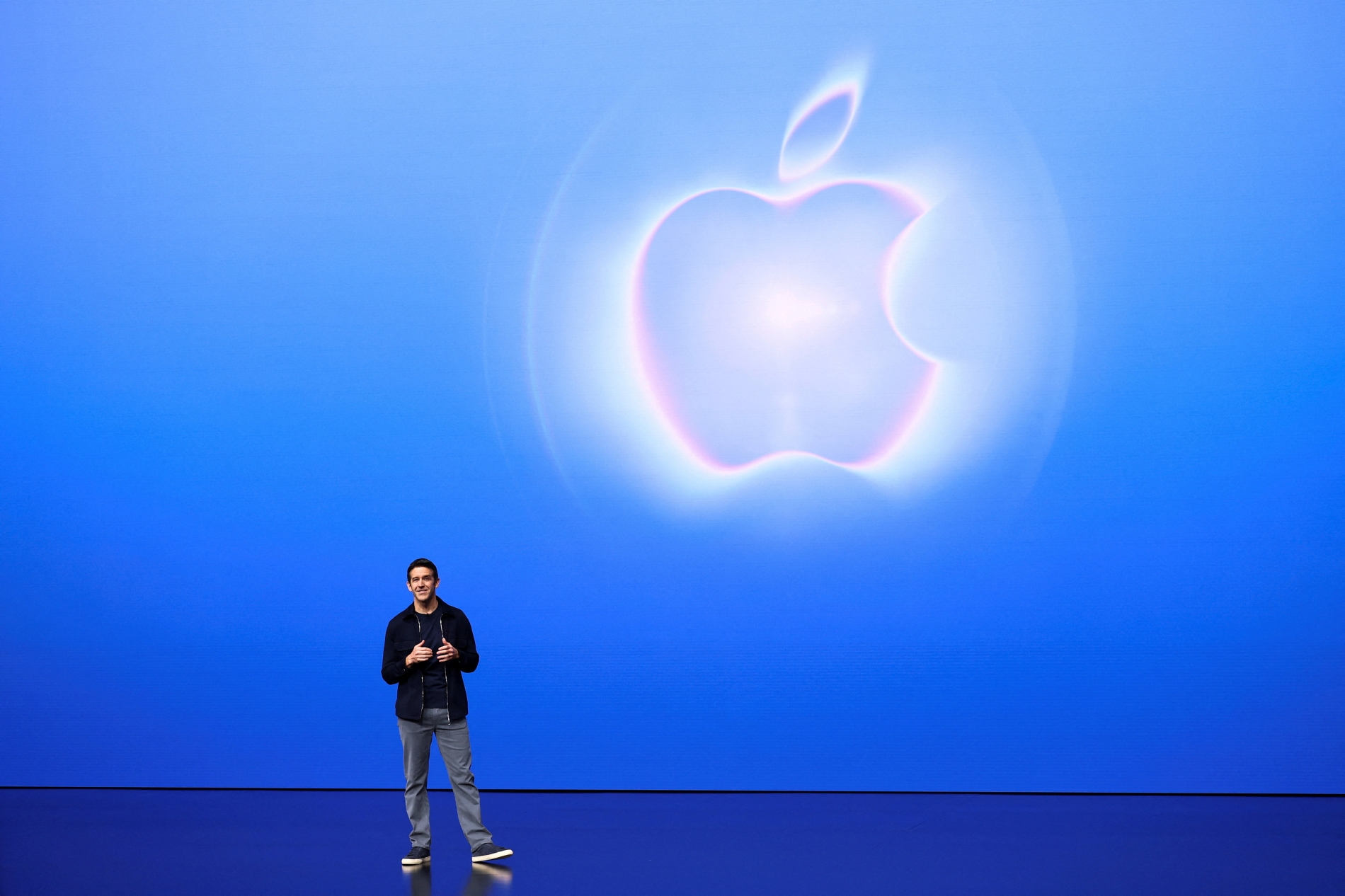
Earlier this month, John Ternus took over at the world’s second-most-valued company after a quarter-century there. He knows how Apple devices are made and how its designs become products on shelves, but he assumes responsibility as the concept of the smartphone changes. As artificial intelligence (AI) advances, a phone must now go far beyond running apps and taking photos; it must understand what a user wants, connect information, and carry out tasks on their behalf.
This will test Ternus, an engineer who has spent most of his career developing hardware, but who must now turn these capabilities into a reliable part of everyday life. Having studied mechanical engineering at the University of Pennsylvania, he worked on virtual reality systems before joining Apple in 2001.
He began in product design, became vice president of hardware engineering in 2013, and eight years later took overall charge of the division. He has helped develop products including the iPhone, iPad, Mac, and AirPods, and his appointment reflects Apple’s choice of someone who understands the core of its business.
One of the most important episodes of his career was the Mac’s transition to Apple’s own processors. It gave Apple greater control over hardware and software development. It also introduced the MacBook Neo, designed to make the laptop experience accessible to a broader group of consumers by using a different chip to lower the price. Together, the two projects show his experience not only in improving specifications but broadening what a product can do and who can afford it.
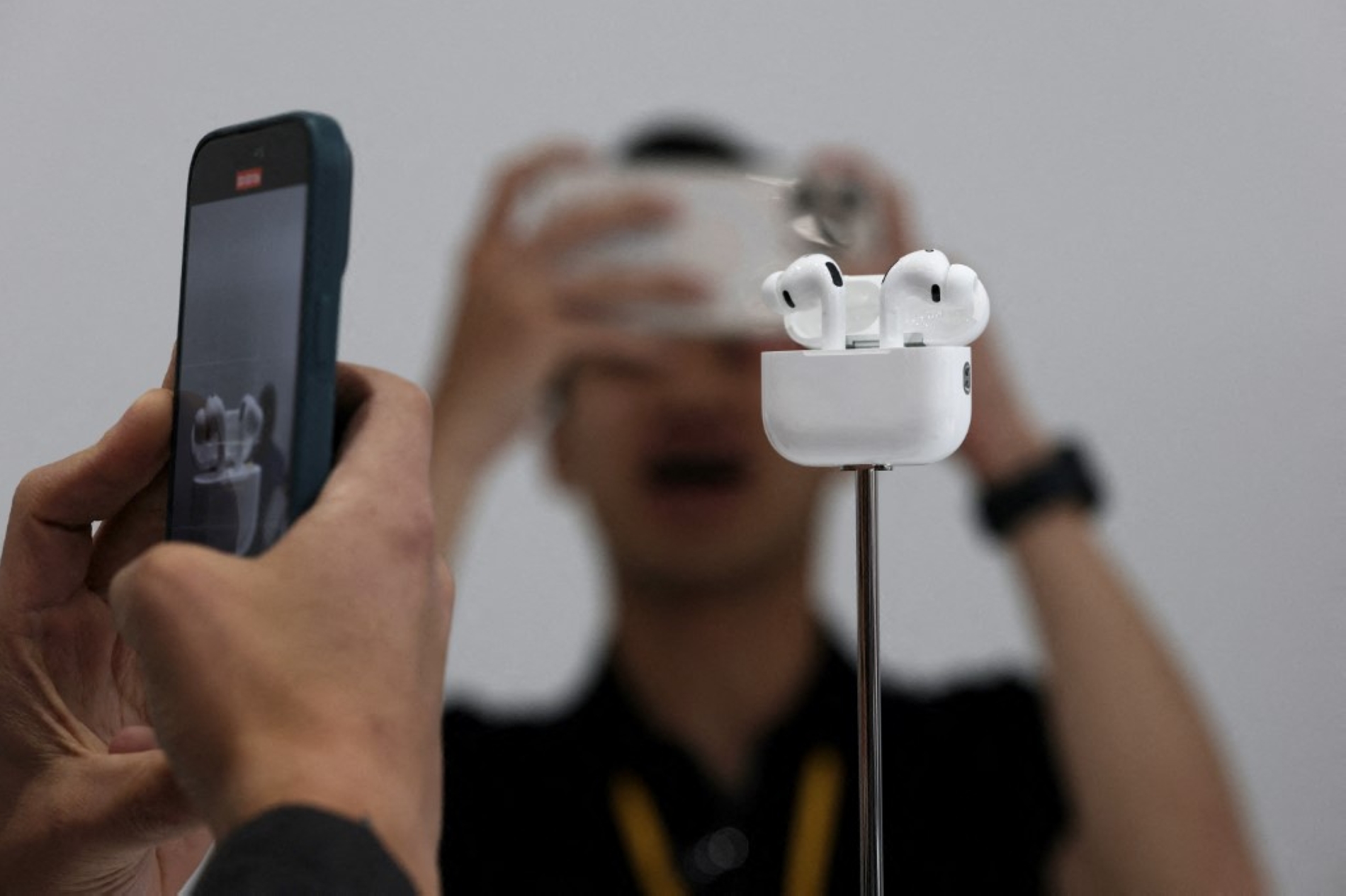
That will matter for a chief executive who must turn technical advances into convincing reasons to choose Apple devices. His team faced different priorities with the iPhone range, launched in autumn 2025. The iPhone 17 Pro and Pro Max focused on advanced performance. The iPhone Air pursued an exceptionally thin design while preserving durability. AirPods developed beyond noise cancellation to include hearing-health functions, with some even approved as over-the-counter hearing aids.
These were achievements of teams Ternus led, which show his ability to oversee products that acquire new functions while preserving the demands of design and performance. But running the company will be his ultimate test.
In January, Apple announced a multi-year agreement with Google under which future generations of Apple’s models will draw on Google’s AI and cloud technologies. Ternus inherits that partnership and must ensure it gives Apple the capabilities it needs without eroding its products' distinctiveness. Leading a company that relies on a competitor for a key part of its service future requires commercial and strategic judgement, not just engineering excellence.
Apple in the Arab world
Apple’s relationship with the Arab world is broader than comparisons with Nvidia’s and Microsoft’s Gulf partnerships might suggest. Its presence extends beyond device sales into app development, training, and payments. Arabic is already built into the operating system, keyboard, translation tools, screen-reading functions, and voice control. Ternus therefore inherits an established relationship.
In the next phase, AI will become central to the value of Apple’s products. Siri (its virtual assistant) began supporting Arabic in December 2015 for users in Saudi Arabia and the UAE, but more than a decade later, Arabic still does not appear among the languages Apple Intelligence (the company’s built-in AI system) currently supports.